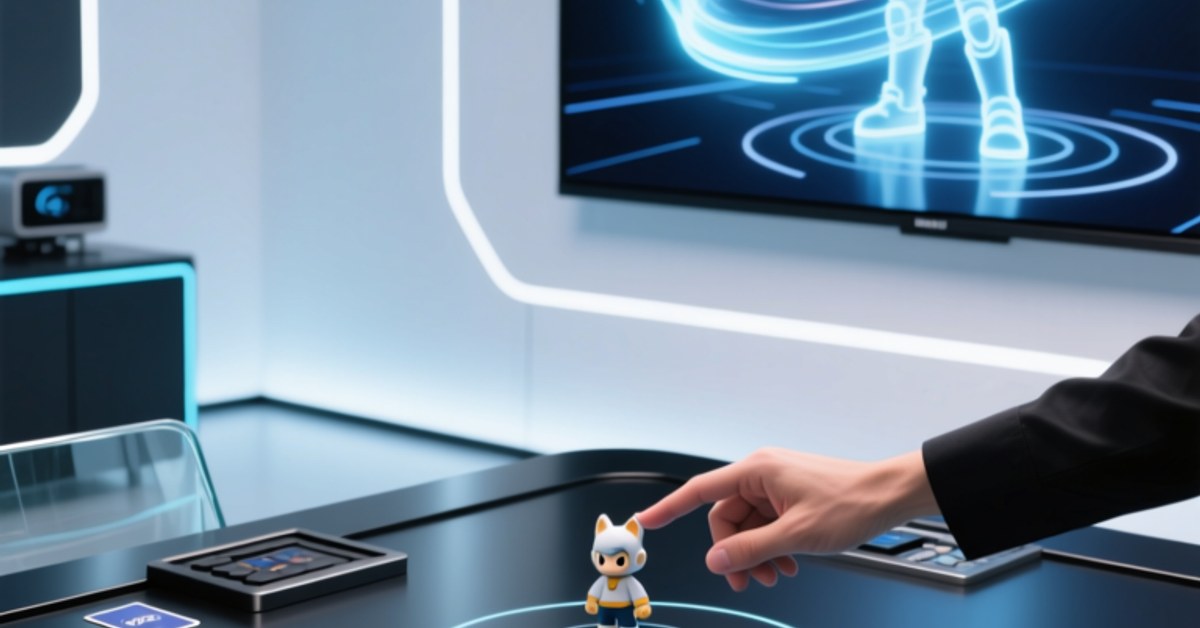
Figitalne place zabaw: Powstanie inteligentnych obiektów w grach
Granica między grą fizyczną a rozgrywką cyfrową zanika. Dzisiejsi gracze oczekują czegoś więcej niż tylko pasywnego czasu przed ekranem — pragną interakcji dotykowych, które mają prawdziwą wagę w wirtualnych światach. Komunikacja w pobliżu (NFC) jest cichym czynnikiem umożliwiającym tę transformację. Poprzez osadzanie Tagi NFC i czytelników w zabawki, karty kolekcjonerskie, elementy gry planszowej, i szafy zręcznościowe, programiści mogą stworzyć płynny most, w którym kliknięcie odblokowuje postać, zapisuje postęp, lub uruchamia zdarzenie w grze.
Dla studiów gier, miejsca rozrywki, i cyfrowe platformy kolekcjonerskie, Inteligentne obiekty zasilane NFC oferują nowy paradygmat projektowania: trwała tożsamość, responsywność kontekstowa, i łatwa łączność — wszystko bez baterii i skomplikowanego parowania. W tym artykule opisano, jak technologia NFC zmienia kształt rekwizytów do gier, figurki kolekcjonerskie, integracja zręcznościowa, i zaangażowanie graczy, w oparciu o ramy koncepcyjne, które już kształtują się w całej branży.
NFC w rekwizytach do gier: Więcej niż zacieranie przycisków
Tradycyjne kontrolery ograniczają ekspresję do sekwencji przycisków. NFC przekształca fizyczne rekwizyty w aktywnych uczestników logiki gry. Wyobraź sobie grę planszową typu dungeon crawler, w której każda figurka bohatera zawiera: Tag NFC. Umieszczenie go na planszy automatycznie ładuje statystyki tej postaci, spis, i punkty doświadczenia na aplikację towarzyszącą lub centralny wyświetlacz cyfrowy. Ta sama koncepcja dotyczy zagadek typu escape room, sprzęt do znakowania laserowego, lub interaktywne eksponaty muzealne.
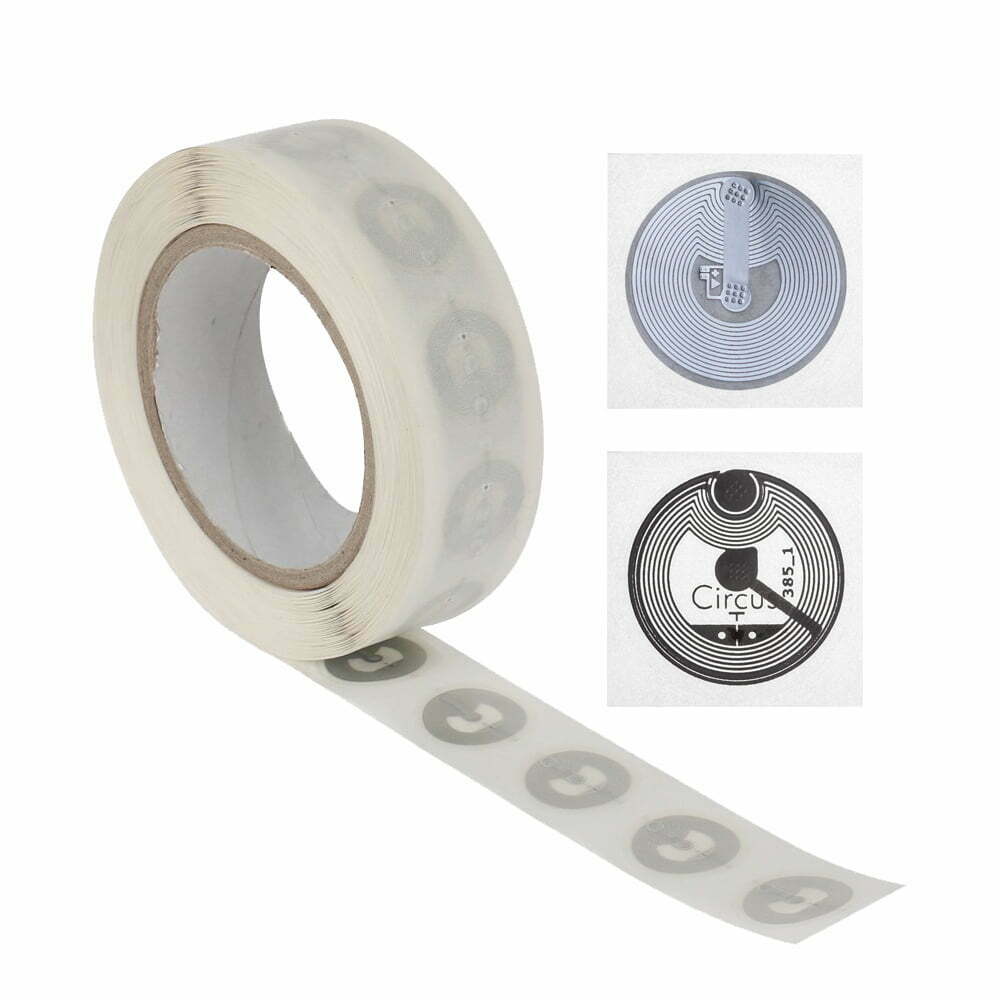
Kluczowe komponenty sprzętowe dla takich integracji obejmują Wkładki NFC, Naklejki NFC, i kompaktowy Czytniki RFID które można ukryć w blatach lub kioskach. Ponieważ te znaczniki są dostępne w różnych kształtach — od ultracienkich, mokrych wkładek po wytrzymałe epoksyd Tagi NFC— pasują do niemal każdego obiektu fizycznego, nie zakłócając jego estetyki.
Programiści mogą przechowywać unikalne identyfikatory, zaszyfrowane ładunki, lub wskaźniki URL na tagu. Proste dotknięcie może uwierzytelnić gracza, przywołać zapisany stan, lub dystrybuuj zasób cyfrowy na konto gracza. Ta interakcja bez sesji usuwa tarcia: brak loginów, bez skanowania kodów QR, brak parowania Bluetooth.
Figurki kolekcjonerskie NFC: Ożywienie postaci
Rynek figurek kolekcjonerskich wdrożył już technologię NFC za pośrednictwem platform takich jak Amiibo, Skylanders, i Wymiary LEGO. Podstawowa zasada pozostaje potężna: fizyczny posąg ma unikalną tożsamość cyfrową. Po dotknięciu czytnika, przywołuje postać w grze, odblokowuje ekskluzywną zawartość, lub rejestruje kamienie milowe rozgrywki.
Teraz, koncepcja rozszerza się na cyfrowe przedmioty kolekcjonerskie i NFT. Figurka winylowa z limitowanej edycji może pomieścić Chip NFC który służy jako kryptograficzne powiązanie z bliźniakiem wspieranym przez blockchain. Łączy to zasoby fizyczne i zasoby sieciowe, umożliwiając weryfikowalną własność i wzbogaconą użyteczność. Właściciele mogą wymienić figurkę i przenieść cyfrowego towarzysza jednym gestem.
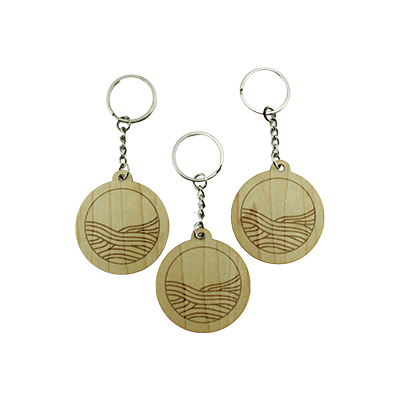
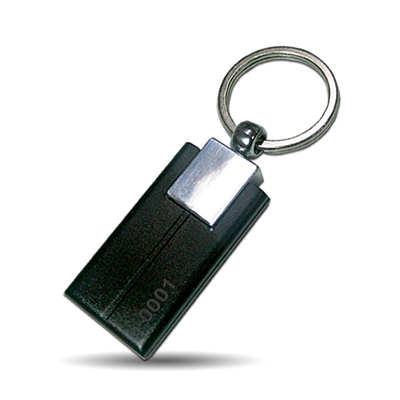
Z produkcyjnego punktu widzenia, Tagi NFC jak NTAG 213 Lub 424 Seria DNA (odniesienia z popularnych kategorii produktów NFC na PRACA NFC) można osadzić na etapie produkcji. Niewielkie wymiary przywieszki sprawiają, że mieści się ona wewnątrz posągów, pluszowe zabawki, lub nawet figurki na pęku kluczy. Z odpowiednią pamięcią i obsługą kryptograficzną, każda figurka staje się bezpiecznym nośnikiem danych, który może ewoluować podczas wielu sesji gry.
Inteligentne gry planszowe: Digitalizacja przygód na tablecie
Gry planszowe przeżywają swój renesans, ale wielu ma trudności z zrównoważeniem skomplikowanych zasad i czasu konfiguracji. NFC upraszcza korzystanie. Płytki, żetony zasobów, a karty postaci z osadzonymi tagami NFC mogą komunikować się z centralną „inteligentną tablicą”, która automatycznie rozpoznaje ich położenie i typ. Eliminuje to ręczne księgowanie i pozwala grze reagować dynamicznie – zmieniając wątki fabularne, ujawnianie ukrytych informacji, lub odtwarzanie wskazówek dźwiękowych podczas przesuwania elementu.
>
| Komponent gry | Integracja NFC | Korzyści dla gracza |
|---|---|---|
| Miniatury & Figurki | Wbudowana wkładka NFC ze statystykami postaci | Natychmiastowe obciążenie, zapisany postęp, trwałość między grami |
| Płytki Terenu | Naklejka NFC pod płytką | Automatyczne rozpoznawanie układu mapy, wyzwala zdarzenia |
| Żetony zasobów | Tagi NFC wielkości monety | Śledzenie zapasów w czasie rzeczywistym w aplikacji |
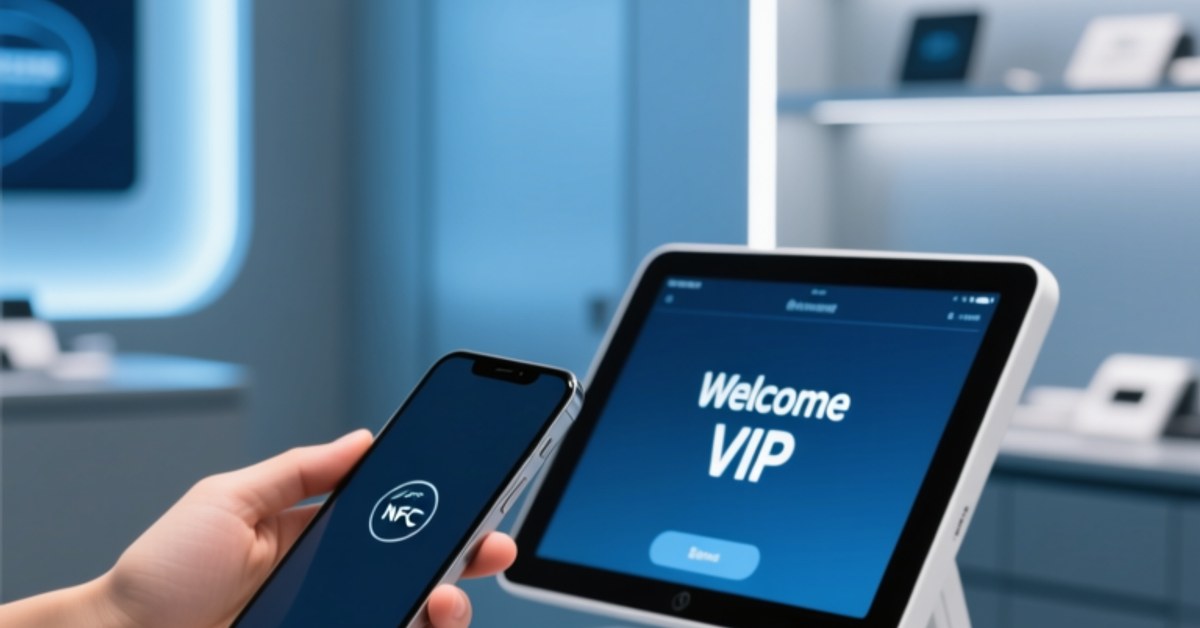
| Karta identyfikacyjna gracza | Wizytówka lub opaska NFC | Bezproblemowe zameldowanie, dopasowanie frakcji, statystyki osobiste |
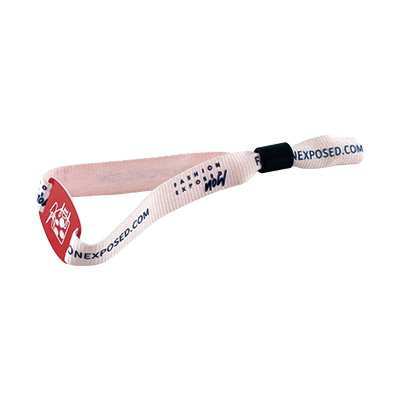
Można wdrożyć takie miejsca, jak kawiarnie z grami planszowymi Opaski na rękę NFC Lub Piloty NFC (dostępne przez Rozwiązania w zakresie opasek na rękę RFIDHY) które działają jako profile graczy. Dotknięcie czytnika stołowego wiąże gracza z wybraną frakcją i śledzi osiągnięcia podczas wielu wizyt. Dane te mogą zostać wykorzystane w programach lojalnościowych i spersonalizowanych rekomendacjach.
Integracja z arkadami NFC: Rewitalizująca klasyczna rozrywka
Salony gier przechodzą cyfrową transformację. Nowoczesny Pasaż NFC doświadczenia zastępują fizyczne bilety i monety systemem „dotknij i zagraj”.. Gracze korzystają z Opaska na rękę NFC, karta, lub nawet Pierścień NFC do odprawy w dowolnym automacie. Zespół posiada dorobek, wysokie wyniki, i preferencje gry, czyniąc całą podłogę placem zabaw bez tarcia.
Można zainstalować centra rozrywki oparte na lokalizacji Czytniki RFID UHF do śledzenia dalekiego zasięgu lub użyj standardu Czytniki NFC osadzone w szafkach. Kiedy gracz dotknie maszyny, system może przywitać ich po imieniu, załaduj preferowany poziom trudności, i automatycznie odliczać kredyty. Wyzwania dla wielu graczy stają się organiczne: dotknij dwóch pasm na tej samej szafce, aby uruchomić tryb head-to-head.
Za kulisami, dane te dostarczają cennych spostrzeżeń. Operatorzy mogą zobaczyć, które maszyny są najpopularniejsze, jak długo gracze pozostają, i które gry zwiększają liczbę ponownych odwiedzin. Integracja z backendem obiektu umożliwia także płatności bezgotówkowe i promocje w czasie rzeczywistym, jak omówiono w naszym artykule na temat Interaktywne kampanie marketingowe NFC.
Pogłębianie zaangażowania graczy: Psychologia interakcji namacalnych
Dotykowy akt dotknięcia fizycznego obiektu wywołuje wyjątkową reakcję psychologiczną. Tworzy moment rytuału, który wzmacnia połączenie pomiędzy graczem a światem gry. Kiedy figurka odblokuje ekskluzywną skórkę w grze lub Kolekcjonerska NFC karta rejestruje rzadki przedmiot, obiekt fizyczny staje się trofeum samym w sobie — czymś, co gracze chcą wyświetlać i udostępniać.
Ta namacalność napędza zaangażowanie społeczne. Handel z obsługą NFC inteligentne zabawki lub karty do gier stają się bogatszym doświadczeniem, ponieważ wartość cyfrowa jest przenoszona wraz z przedmiotem fizycznym. Społeczności tworzą się wokół śledzenia rzadkich postaci i rywalizacji w rankingach powiązanych z fizyczną własnością. Dla programistów, otwiera to pętle lojalnościowe: limitowane figurki NFC mogą świętować wydarzenia w grze, wypełniając lukę pomiędzy towarami fizycznymi a operacjami na żywo.
Ponadto, NFC eliminuje przeszkody związane z uwierzytelnianiem. Logowanie poprzez dotknięcie jest znacznie mniej inwazyjne niż wpisywanie danych uwierzytelniających na konsoli lub urządzeniu mobilnym. Gracz pozostaje zanurzony, a system uzyskuje wiarygodną identyfikację. Ten pozbawiony tarcia przepływ jest szczególnie cenny we wspólnych środowiskach, takich jak salony gier, rodzinne centra rozrywki, i kabiny konferencyjne.
Techniczne bloki konstrukcyjne i architektura systemu
Wdrożenie ekosystemu gier NFC wymaga trzech podstawowych warstw:
- Warstwa fizyczna: Same tagi NFC. W zależności od przypadku użycia, projekty mogą wybrać Wkładki NFC do osadzania, Naklejki NFC do modernizacji, Lub Karty NFC I Opaski na rękę NFC dla tożsamości gracza. Pamięć, Formatowanie NDEF, i funkcje bezpieczeństwa (jak uwierzytelnianie AES) powinien odpowiadać wymaganiom aplikacji.
- Warstwa czytelnika: Czytniki wbudowane lub stacjonarne wykrywające dotknięcia tagów. W konfiguracji gry planszowej, tablica z wieloma czytnikami pod powierzchnią płytki przechwytuje jednocześnie wiele tagów. Do automatów arcade, wystarczy pojedynczy, solidny moduł czytnika zintegrowany z centralą alarmową.
- Warstwa integracji: Oprogramowanie pośredniczące i interfejsy API interpretujące odczyty tagów, połączyć się z silnikami gier (Jedność, Nierealny) lub usługi w chmurze, i zarządzaj danymi graczy. Ta warstwa obsługuje szyfrowanie, synchronizacja stanu, i rejestrowanie zdarzeń.
Produkty takie jak Moduły RFID I Moduły RFID UHF z Portfolio RFIDHY można zastosować, gdy potrzebny jest większy zasięg odczytu, chociaż większość interakcji w grach poprzez bezpośrednie dotknięcie opiera się na technologii HF NFC. Podejście hybrydowe — HF NFC do sprawdzania graczy i interakcji z rekwizytami, w połączeniu z UHF RFID do śledzenia zapasów — zapewnia obiektom widoczność zasobów w czasie rzeczywistym.
Projektowanie dla przyszłości: Standardy, Bezpieczeństwo, i skalowalność
W miarę jak gry wkraczają głębiej w metaświat i własność cyfrową, NFC staje się kotwicą zaufania. Standardy takie jak NTAG firmy NXP 424 DNA oferuje wzajemne uwierzytelnianie i szyfrowaną komunikację, zapewnienie, że figurki kolekcjonerskie nie mogą być klonowane bez zezwolenia. Ma to kluczowe znaczenie w przypadku platform łączących dane fizyczne z cennymi zasobami cyfrowymi lub tokenami blockchain.
Skalowalność również ma znaczenie. W trakcie kilkudniowego wydarzenia obiekt może rozmieścić tysiące opasek NFC. Korzystanie z globalnie unikalnych identyfikatorów i dobrze zorganizowanych schematów baz danych zapewnia brak kolizji i umożliwia analizę opartą na geolokalizacji. Nasz studium przypadku dotyczące wrażeń gości korzystających z technologii NFC podczas megawydarzenia zapewnia koncepcyjne odniesienie dla wdrożeń na dużą skalę z podobnymi wymaganiami.
Patrząc w przyszłość, postęp w zakresie elastycznych znaczników NFC i drukowanej elektroniki umożliwi jeszcze płytsze osadzanie w kartach, żetony, i tkaniny. Otwiera to możliwości w zakresie naszywek do noszenia, LARP z obsługą NFC (odgrywanie ról na żywo) rekwizyty, oraz w pełni interaktywne place zabaw.
Co to jest gra NFC i czym różni się od tradycyjnych gier wideo?
Gry NFC obejmują obiekty fizyczne z osadzonymi znacznikami komunikacji bliskiego pola, które po dotknięciu czytnika wchodzą w interakcję z grą cyfrową. W przeciwieństwie do tradycyjnych metod wprowadzania danych, dodaje to namacalnego, warstwa zorientowana na kolekcję, pozwalając na liczby, karty, lub tokeny do przechowywania unikalnych tożsamości i danych gier bez elektroniki zasilanej bateryjnie.
Jakie tagi NFC najlepiej sprawdzają się w przypadku zabawek interaktywnych i figurek kolekcjonerskich?
Do większości figurek kolekcjonerskich i inteligentnych zabawek, wysoka częstotliwość Tagi NFC zgodny z normą ISO 14443 Typ a (takie jak NTAG 213, 215, Lub 216) oferują wystarczającą ilość pamięci i dużą prędkość odczytu. Do aplikacji o wysokim poziomie bezpieczeństwa łączących się z zasobami cyfrowymi, tagi z szyfrowaniem AES, takie jak NTAG 424 Zalecane jest badanie DNA. Kształty wahają się od cienkich Wkładki NFC do formowania wtryskowego Naklejki NFC do prostszych zastosowań.
Czy możemy zintegrować NFC z istniejącymi automatami do gier bez ich całkowitej wymiany??
Tak. Samodzielny Moduły czytników NFC można zamontować w panelu sterowania większości szafek arkadowych. Moduły te komunikują się poprzez interfejsy USB lub szeregowe z komputerem do gier lub płytą logiczną. W połączeniu z Opaska na rękę NFC lub systemu kart, maszyna może natychmiast rozpoznać graczy, zarządzać kredytami, i w wielu przypadkach ładuj profile bez zmiany podstawowego oprogramowania gry.
W jaki sposób inteligentne gry planszowe NFC obsługują wiele oznaczonych elementów na tej samej planszy??
Zaawansowane projekty płytek wykorzystują szereg Czytniki HD NFC lub multipleksowane anteny pod powierzchnią do gry, aby wykryć tożsamość i przybliżone położenie każdego elementu. Alternatywnie, gracze mogą dotykać elementów w wyznaczonej strefie czytelnika, aby uruchamiać akcje. Oprogramowanie sprzętowe płyty i aplikacja towarzysząca następnie odpowiednio zarządzają stanem gry.
Gotowy do zbudowania kolejnego interaktywnego doświadczenia w grach?
Niezależnie od tego, czy tworzysz prototyp inteligentnej gry planszowej, zaprojektowanie edycji kolekcjonerskiej z obsługą NFC, lub zintegrowanie bezgotówkowych opasek na rękę z siecią salonów gier, Technologia NFCWORK zapewnia niezawodność Tagi NFC, czytelnicy, I Opaski na rękę NFC potrzebujesz. Poznaj nasze Inteligentne rozwiązania rozrywkowe aby zobaczyć, jak pomagamy deweloperom i obiektom przekształcać obiekty fizyczne w połączone światy gier. Skontaktuj się z naszym zespołem już dziś, aby omówić wymagania projektu i poprosić o zestaw próbny.