Invoering
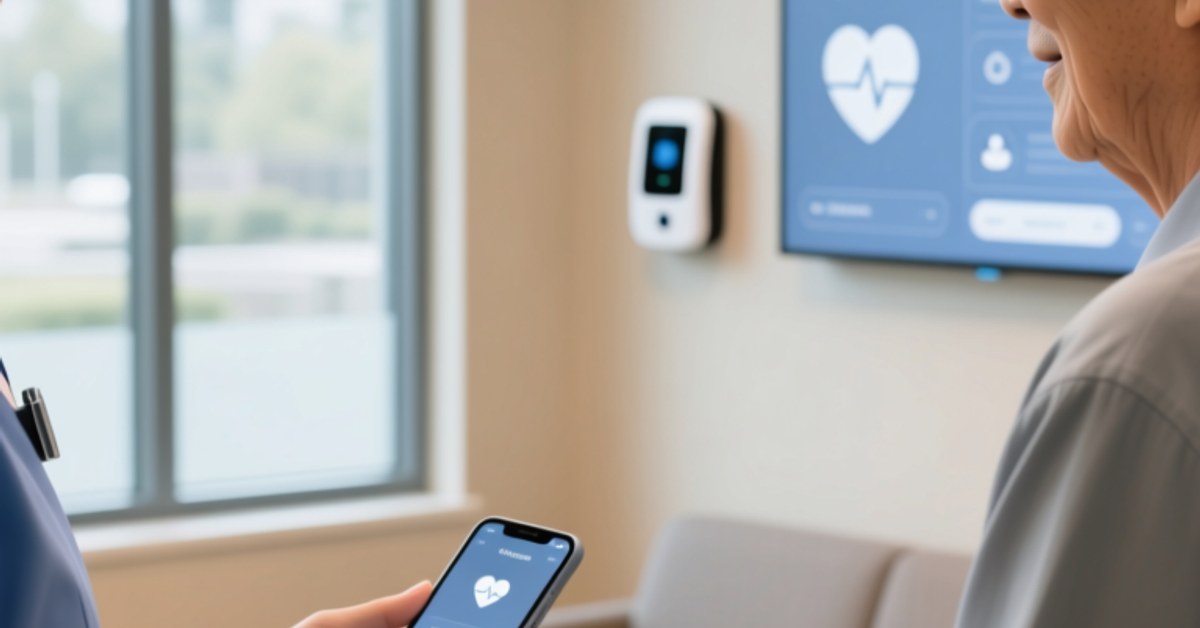
Naarmate draagbare elektronica evolueert, van slimme ringen en medische patches tot siliconen polsbandjes en verbonden kleding, wordt deze steeds betrouwbaarder, geminiaturiseerde NFC-functionaliteit is niet langer optioneel. Voor fabrikanten, het juiste selecteren NFC-inlay draagbaar of NFC-module OEM partner heeft een directe invloed op de prestaties, naleving, en time-to-market. Deze gids geeft een beknopt overzicht, bruikbaar sourcing-framework gebaseerd op real-world NFC-componentmogelijkheden die beschikbaar zijn via RFIDHY, RFIDTAGHY, NFCWORK, En PolsbandHY.
Wat zijn NFC-inlays en -modules?
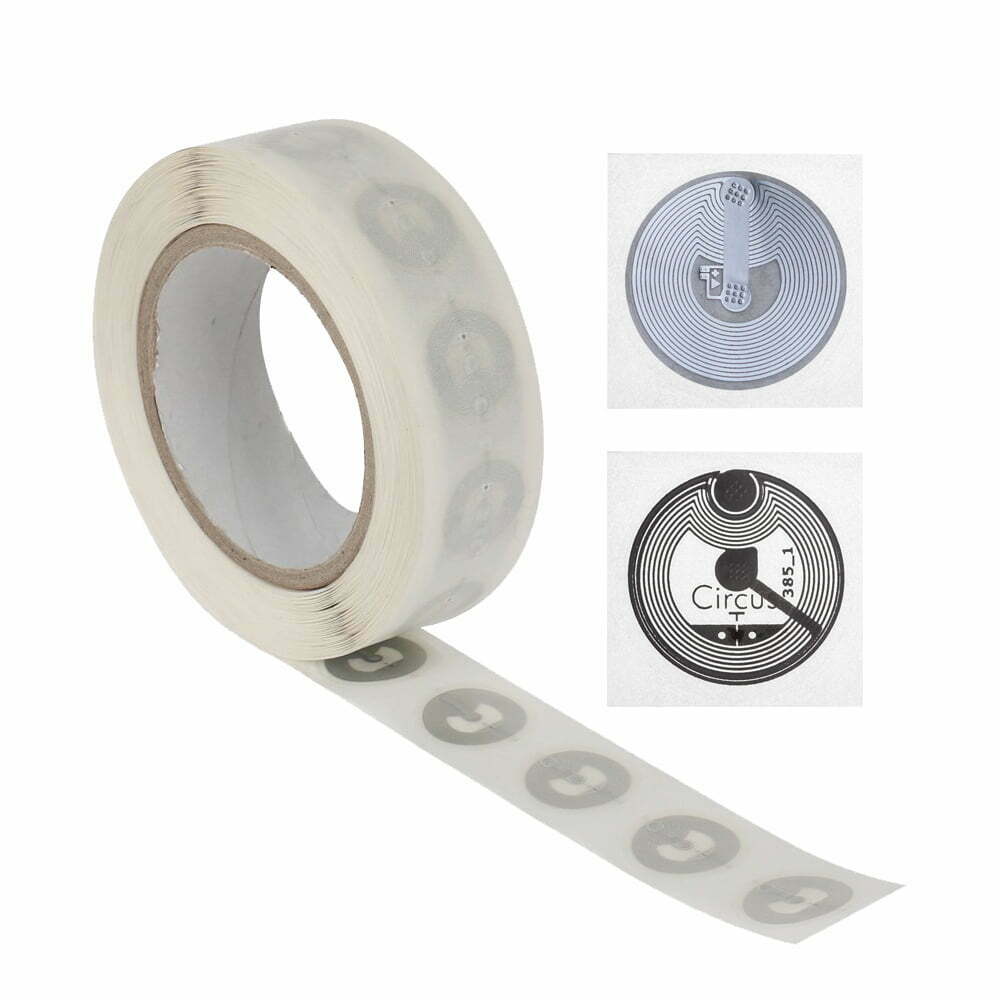
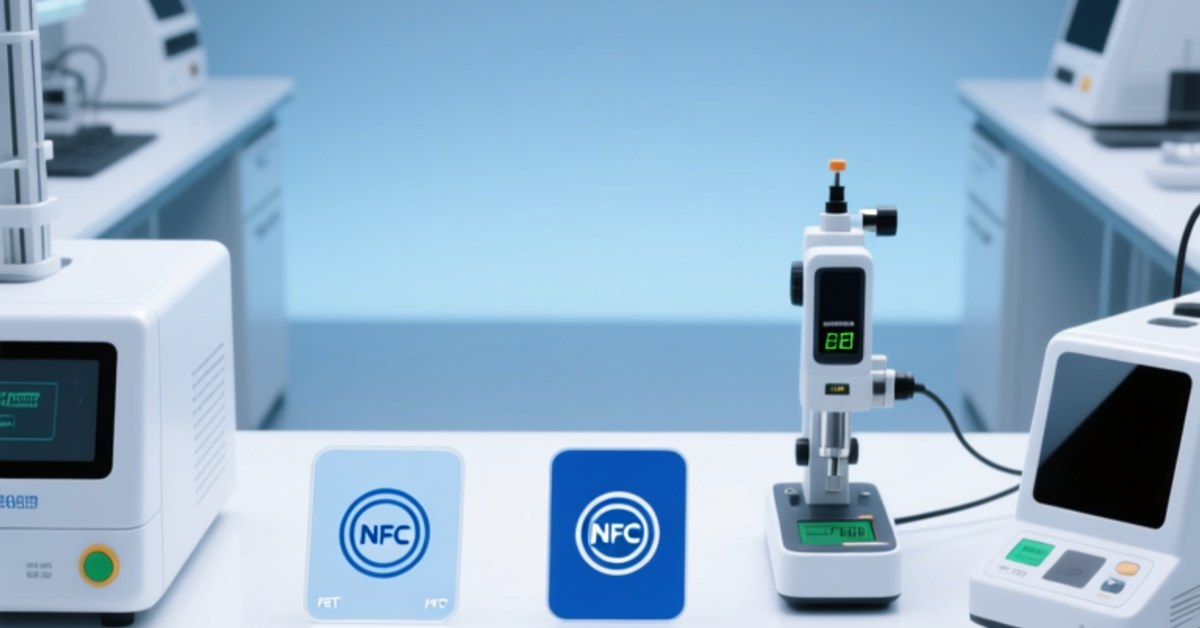
Een NFC-inleg bestaat uit een antenne en een geïntegreerd circuit (IC) gemonteerd op een substraat, meestal PET, flexibele printplaat (FPC), of textiel. Een NFC-module voegt beschermende behuizing of dragerfuncties toe (Bijv., zelfklevende achterkant, overmold-compatibiliteit, of SMD-pads) voor robuuste integratie in wearables. —Meer informatie over hotel nfc-oplossing.
Gids voor chipselectie
Het kiezen van de juiste IC bepaalt de geheugencapaciteit, beveiliging, energiemodus, en interfacemogelijkheden. Hieronder vindt u een vergelijking van veelgebruikte chips die compatibel zijn met NFCWORK en RFIDHY inleg: —Meer informatie over RFID thermische polsband.
>
| Chiptype | Geheugen | Beveiligingsniveau | I²C-ondersteuning | Typisch gebruiksscenario |
|---|---|---|---|---|
| NXP NTAG 213/215/216 | 144–888 bytes | Basiswachtwoordbeveiliging | Nee | Passieve authenticatie, digitaal productpaspoort (DPP) tags binnen Digitaal productpaspoort |
| NXP NTAG I²C Plus | 1 KB-EEPROM + 1 KB-RAM | Veilige elementondersteuning | Ja | Bidirectionele smartwatches & gezondheids-wearables |
| NXP MIFARE DESFire EV3 | 2–8 KB | CC EAL5+, AES-256 | Nee | Veilige toegangscontrole in Slimme draagbare identificatie |
| STMicroelectronics ST25DV | 2–64 kB | I²C + Dubbele RF-interface | Ja | Dual-mode medische pleisters en wasbare slimme kledingstukken |
Soorten antennesubstraten
Het substraat definieert flexibiliteit, duurzaamheid, en ecologische veerkracht:
>
| Substraat | Pluspunten | Nadelen |
|---|---|---|
| HUISDIER | Lage kosten, hoge consistentie, ideaal voor lamineren | Beperkte buigradius; niet geschikt voor krappe bochten |
| FPC (Flexibele printplaat) | Uitstekende vervormbaarheid, ondersteunt SMD-integratie | Hogere kosten; vereist een nauwkeurige bediening |
| Textiel | Wasbaar, ademend, naadloze kledingintegratie | Lager leesbereik; gespecialiseerde afstemming vereist |
Modulevormfactoren
Zorg ervoor dat het fysieke formaat past bij uw productieproces:
- Natte inleg: Met zelfklevende achterkant: ideaal voor het lamineren van siliconen polsbandjes (PolsbandHY) of stoflagen
- Droge inleg: Geen lijm - ontworpen voor inzetvormen in stijve wearables
- SMD-module: Opbouwmontage — gebruikt in op PCB's gebaseerde smartwatches en trackers
- Overmold-ready module: Ingekapseld in thermoplastisch of siliconen - geoptimaliseerd voor Slimme draagbare identificatie toepassingen die IP67+ afdichting vereisen
Overwegingen bij aanschaf
Doorlooptijden, MOQ's, en kwaliteitsborging zijn van cruciaal belang voor de productieplanning:
- MOQ: 1,000–10.000 stuks voor standaard inlays; ≥10.000 voor aangepaste ontwerpen
- Doorlooptijd: 2–4 weken voor voorraadartikelen (Bijv., RFIDTAGHY HF-inlays); 6–8 weken voor antenneafstemming op maat of substraattechniek
- Kwaliteitsnormen: ISO/IEC 14443-A/B en 15693 naleving; ±5% tolerantie voor antenneafstemming; Hechtingstests volgens ASTM D3359
Aangepast versus. Standaard inlays
>
| Factor | Standaard inlays | Aangepaste inlays |
|---|---|---|
| Time-to-Market | 2–3 weken | 6–10 weken |
| Kosten per eenheid | Lager (schaalvoordeel) | Hoger (NRE + gereedschap) |
| Ontwerpflexibiliteit | Beperkt tot catalogusafmetingen | Volledige vorm, maat, kleur, en substraatcontrole |
| Gebruik wanneer | NFC-functionaliteit vroegtijdig valideren of MVP lanceren | Voldoen aan unieke ergonomie, branding, of wettelijke vereisten |
Beste praktijken voor integratie
Om NFC-prestaties te behouden in beperkte draagbare vormfactoren: —Meer informatie over RFID-startpakket.
- Handhaaf een antennevermijdingszone van ≥3 mm rondom metaal of geleidende materialen in behuizingen
- Valideer het NFC-leesbereik na het overgieten met behulp van referentieapparaten (Bijv., Samsung Galaxy S23, iPhone 14/15)
- Voer pre-productievalidatie uit met minimaal drie NFC-compatibele apparaten smartphones op Android- en iOS-platforms
Aanbevolen spaan-substraatcombinaties
>
| Draagbaar type | Aanbevolen chip | Optimaal substraat |
|---|---|---|
| Siliconen polsbandje | NTAG 215 | PET-natte inleg |
| Slimme ring | MIFARE DESFire EV3 | FPC droge inlay |
| Stoffen band | ST25DV | Textiel inleg |
| Smartwatch | NTAG I²C Plus | FPC SMD-module |
| Medische pleister | ST25DV | Textiel of PET van medische kwaliteit |
Veelgestelde vragen
- Doen RFIDHY en NFCWORK bieden OEM-ondersteuning voor op maat gemaakte NFC-inlays?
Ja – allebei RFIDHY En NFCWORK bieden volledige OEM-services, inclusief antenneontwerp, chip-aanpassing, en substraattechniek voor gekwalificeerde fabrikanten van draagbare apparaten. - Voldoen NFC-inlays aan de EU DPP-vereisten??
Allemaal NTAG- en op DESFire gebaseerde inlays van RFIDTAGHY En NFCWORK ondersteuning van NDEF-compatibele datastructuren die vereist zijn voor de implementatie van het Digital Product Passport. - Kan ik NFC-inlays testen voordat ik volumebestellingen plaats??
Ja – monsterkits (inclusief PET, FPC, en textielvarianten) zijn op aanvraag verkrijgbaar via NEEM CONTACT MET ONS OP. - Welke certificeringen hebben uw NFC-modules??
Producten voldoen aan ISO/IEC 14443-A/B, CE, FCC, en RoHS. Textielinlegstukken van medische kwaliteit voldoen aan ISO 10993 biocompatibiliteitsnormen, indien van toepassing.
Klaar om NFC te integreren in uw volgende wearable?
Neem gratis contact op met ons engineeringteam NFC-inlegadvies, haalbaarheidsonderzoek op maat, en monsteraanvraag. Wij ondersteunen NFC-module OEM partnerschappen met schaalbare productie, snelle prototypering, en volledige documentatie – allemaal ondersteund door de wereldwijde toeleveringsketen van RFIDHY en NFCWORK.