導入
スマート リングや医療用パッチからシリコン リストバンドやコネクテッド アパレルに至るまで、ウェアラブル エレクトロニクスが進化するにつれて、信頼性の高い, 小型化された NFC 機能はオプションではなくなりました. メーカー向け, 右を選択する NFCインレイウェアラブル または NFCモジュールOEM パートナーはパフォーマンスに直接影響します, コンプライアンス, そして市場投入までの時間. このガイドでは、簡潔な内容を提供します, 現実世界の NFC コンポーネント機能に基づいた実用的な調達フレームワークは、 RFIDHY, RFIDTAGHY, NFCWORK, そして リストバンドHY.
NFC インレイとモジュールとは何ですか?
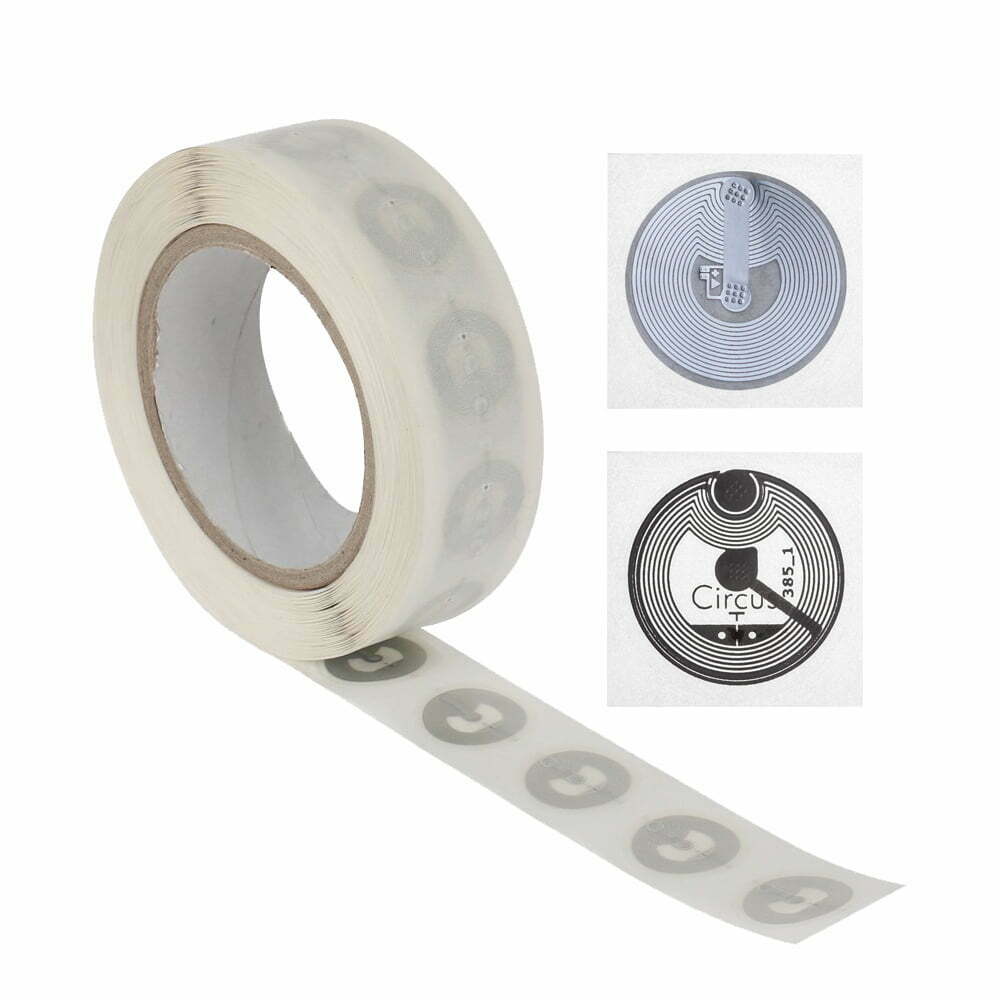
an NFCインレイ アンテナと集積回路で構成されています (IC) 基板(通常は PET)上に実装, フレキシブルプリント基板 (FPC), または繊維. an NFCモジュール 保護ハウジングまたはキャリア機能を追加します (例えば。, 粘着性の裏地, オーバーモールドの互換性, またはSMDパッド) ウェアラブルへの堅牢な統合を実現. —詳しくはこちら ホテルのNFCソリューション.
チップ選択ガイド
適切な IC の選択によりメモリ容量が決まります, 安全, パワーモード, およびインターフェース機能. 以下は、NFCWORK と互換性のある広く導入されているチップの比較です。 RFIDHY インレー: —詳しくはこちら RFIDサーマルリストバンド.
>
| チップの種類 | メモリ | セキュリティレベル | I²Cのサポート | 典型的な使用例 |
|---|---|---|---|---|
| NXPマージン 213/215/216 | 144–888バイト | 基本的なパスワード保護 | いいえ | パッシブ認証, デジタル製品パスポート (DPP) のタグ デジタル製品パスポート |
| NXP NTAG I²C プラス | 1 KB EEPROM + 1 KB RAM | セキュアエレメントのサポート | はい | 双方向スマートウォッチ & 健康ウェアラブル |
| NXP ミファーレ デスファイア EV3 | 2–8KB | CC EAL5+, AES-256 | いいえ | 安全なアクセス制御 スマートウェアラブル識別 |
| STマイクロエレクトロニクス ST25DV | 2–64KB | I²C + RFデュアルインターフェース | はい | デュアルモードの医療用パッチと洗えるスマート ガーメント |
アンテナ基板の種類
基材が柔軟性を定義する, 耐久性, と環境回復力:
>
| 基板 | 長所 | 短所 |
|---|---|---|
| ペット | 低コスト, 高い一貫性, ラミネートに最適 | 制限された曲げ半径; 急なカーブには適していません |
| FPC (フレキシブル基板) | 優れたなじみ性, SMD統合をサポート | コストが高い; 精密な取り扱いが必要な |
| 繊維 | 洗える, 通気性のある, 衣服のシームレスな統合 | 読み取り範囲の下限; 専門的なチューニングが必要 |
モジュールのフォームファクター
物理フォーマットを製造プロセスに適合させる:
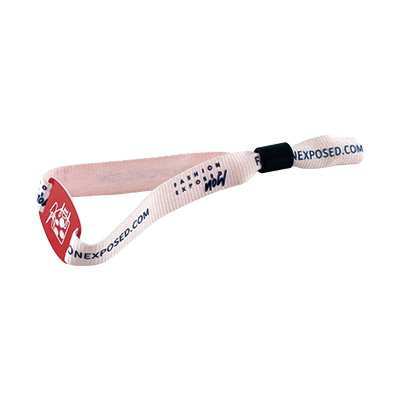
- ウェットインレー: 裏面に粘着剤が付いているので、シリコンリストバンドへのラミネートに最適です。 (リストバンドHY) または生地の層
- ドライインレー: 接着剤不使用 – リジッドウェアラブルのインサート成形用に設計
- SMDモジュール: 表面実装可能 — PCB ベースのスマートウォッチやトラッカーで使用
- オーバーモールド対応モジュール: 熱可塑性プラスチックまたはシリコンでカプセル化されており、次の用途に最適化されています。 スマートウェアラブル識別 IP67+ シーリングを必要とするアプリケーション
調達に関する考慮事項
リードタイム, MOQ, 生産計画には品質保証が不可欠です:
- MOQ: 1,000–標準インレーの場合は 10,000 ユニット; カスタムデザインの場合は ≥10,000
- リードタイム: 2在庫品の場合 – 4週間 (例えば。, RFIDTAGHY HF インレイ); 6– カスタム アンテナ調整または基板エンジニアリングには 8 週間
- 品質基準: ISO/IEC 14443-A/B および 15693 コンプライアンス; アンテナ調整許容誤差 ±5%; ASTM D3359に基づく接着試験
カスタム vs. 標準インレー
>
| 要素 | 標準インレー | カスタムインレイ |
|---|---|---|
| 市場投入までの時間 | 2–3週間 | 6–10週間 |
| ユニットあたりのコスト | より低い (規模の経済性) | より高い (NRE + ツーリング) |
| 設計の柔軟性 | カタログ寸法に限定される | フルシェイプ, サイズ, 色, および基質制御 |
| いつ使用するか | NFC 機能を早期に検証するか、MVP を起動する | 独自の人間工学への対応, ブランディング, または規制要件 |
統合のベストプラクティス
制約のあるウェアラブル フォーム ファクターで NFC パフォーマンスを維持するには: —詳しくはこちら RFIDスターターキット.
- 筐体内の金属または導電性材料の周囲に 3 mm 以上のアンテナ回避ゾーンを維持する
- 参照デバイスを使用してオーバーモールド後の NFC 読み取り範囲を検証する (例えば。, サムスンギャラクシーS23, iPhone 14/15)
- 少なくとも 3 つの NFC 対応デバイスを使用して実稼働前検証を実行する スマートフォン Android および iOS プラットフォーム全体で
推奨されるチップと基板の組み合わせ
>
| ウェアラブルタイプ | 推奨チップ | 最適な基材 |
|---|---|---|
| シリコンリストバンド | NTAG 215 | PETウェットインレー |
| スマートリング | ミファーレ デスファイア EV3 | FPCドライインレイ |
| 布ストラップ | ST25DV | テキスタイルインレイ |
| スマートウォッチ | NTAG I²C プラス | FPC SMDモジュール |
| 医療用パッチ | ST25DV | 繊維または医療グレードの PET |
よくある質問
- する RFIDHY および NFCWORK はカスタム NFC インレイの OEM サポートを提供します?
はい — 両方 RFIDHY そして NFCWORK アンテナ設計を含む完全な OEM サービスを提供します, チップのカスタマイズ, 認定されたウェアラブル デバイス メーカー向けの基板エンジニアリング. - NFC インレイは EU DPP 要件に準拠していますか?
すべてのNTAG- および DESFire ベースのインレイ RFIDTAGHY そして NFCWORK デジタル プロダクト パスポートの実装に必要な NDEF 準拠のデータ構造をサポート. - 大量注文する前に NFC インレイをテストできますか?
はい - サンプルキット (PETを含む, FPC, およびテキスタイルのバリエーション) リクエストに応じて次の方法で入手できます お問い合わせ. - NFC モジュールにはどのような認証が付与されていますか?
製品は ISO/IEC 14443-A/B に準拠しています, CE, FCC, およびRoHS. 医療グレードのテキスタイルインレーは ISO に適合 10993 該当する場合は生体適合性基準.
NFC を次のウェアラブルに統合する準備ができました?
弊社のエンジニアリングチームに無料でお問い合わせください NFCインレーに関するコンサルティング, カスタム実現可能性レビュー, そしてサンプルリクエスト. 私たちはサポートします NFCモジュールOEM スケーラブルな生産とのパートナーシップ, ラピッドプロトタイピング, および完全なドキュメント — すべては RFIDHY と NFCWORK のグローバル サプライ チェーンによって裏付けられています.