Johdanto: Connected Care Revolution
Aikakaudella, jolloin joka sekunti on tärkeä ja virheillä voi olla vakavia seurauksia, terveydenhuollon tarjoajat ovat siirtymässä kosketuksettomiin tekniikoihin tehostaakseen toimintaansa turvallisuudesta tinkimättä. Lähellä kenttäviestintää (NFC) on noussut lääketieteellisten puettavien vaatteiden keskeiseksi mahdollistajaksi, tarjoaa luotettavaa, turvata, ja skaalautuva tapa yhdistää fyysinen identiteetti, käyttöoikeudet, ja digitaalista dataa. Potilasrannekkeista, joissa on salattuja potilastietoja, henkilökunnan rintalappuihin, jotka hallitsevat pääsyä rajoitetuille alueille, NFC muokkaa sairaaloiden suhtautumista potilasturvallisuuteen, hoitajan todennus, ja kliininen tiedonkulku.
Toisin kuin viivakoodi- tai RFID-ratkaisut, jotka saattavat vaatia näköskannausta tai tilaa vieviä laitteita, NFC yhdistää lyhyen kantaman langattoman tiedonsiirron joustavuuteen lukea ja kirjoittaa tietoja kaikkialla älypuhelimet ja omistautuneita lukijoita. Tässä artikkelissa tarkastellaan NFC:n teknisiä ja käytännöllisiä ulottuvuuksia terveydenhuollon puettavissa laitteissa, potilaan tunnistamisen keskeisiin vaatimuksiin, lääkityksen varmistus, henkilöstön kulunvalvonta, hygienia, ja tietosuoja.
NFC-yhteensopiva potilastunnistus: Älykäs ranneke
Potilaiden väärä tunnistaminen on edelleen jatkuva riski terveydenhuollossa, myötävaikuttaa lääkitysvirheisiin, väärän kohdan leikkauksia, ja epätäydelliset tietuepäivitykset. NFC-potilastunnisterannekkeet tarjoavat tehokkaan vastatoimenpiteen tallentamalla yksilöllisen tunnisteen turvallisesti IC-sirulle, jonka valtuutettu henkilökunta voi skannata välittömästi..
Kuinka NFC-potilasrannekkeet toimivat
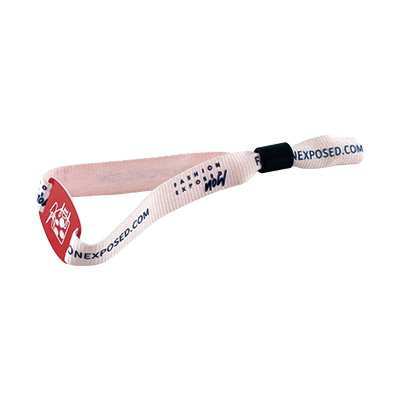
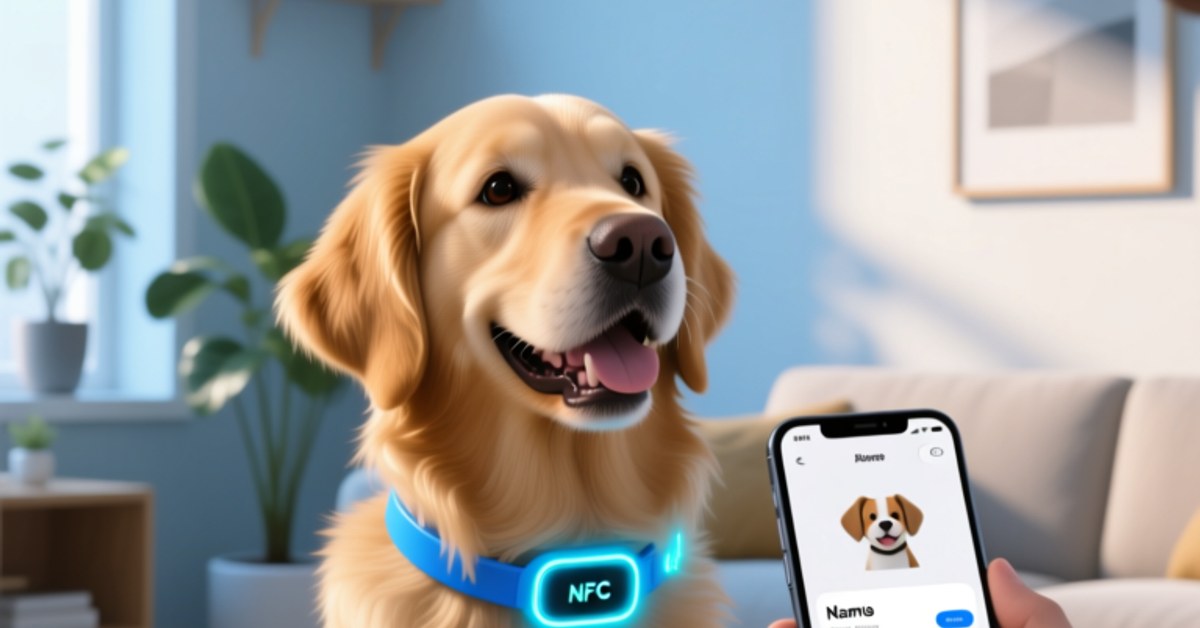
NFC-potilasranneke sisältää tyypillisesti ISO:n 14443 tai NFC-foorumityyppi 2/4 siru upotettu hypoallergeeniseen, lääketieteellisen tason substraatti. Jokaisella sirulla on väärentämiseltä suojattu yksilöllinen tunnus (UID) ja voi myös tallentaa salattuja potilaiden demografisia tietoja, allergiatiedot, tai URL-osoite, joka linkittää sairaalan sähköiseen sairauskertomukseen (EHR) järjestelmä. Sairaanhoitaja tai lääkäri napauttaa ranneketta NFC-yhteensopivalla älypuhelimella, kädessä pidettävä lukija, tai erillinen vuodepääte tarvittavien tietojen hakemiseksi ilman, että potilas on tajuissaan tai vahvistaa suullisesti tietoja.
Tämä kontaktiton lähestymistapa vähentää manuaalista tietojen syöttämistä ja ristiviittauksia, inhimillisen virheen todennäköisyyden pienentäminen. Lisäksi, ranneke voidaan suunnitella kertakäyttöiseksi tai kestäväksi pidempäänkin käyttöön, repeytymistä vastustavilla materiaaleilla, kosteutta, ja desinfiointiaineet.
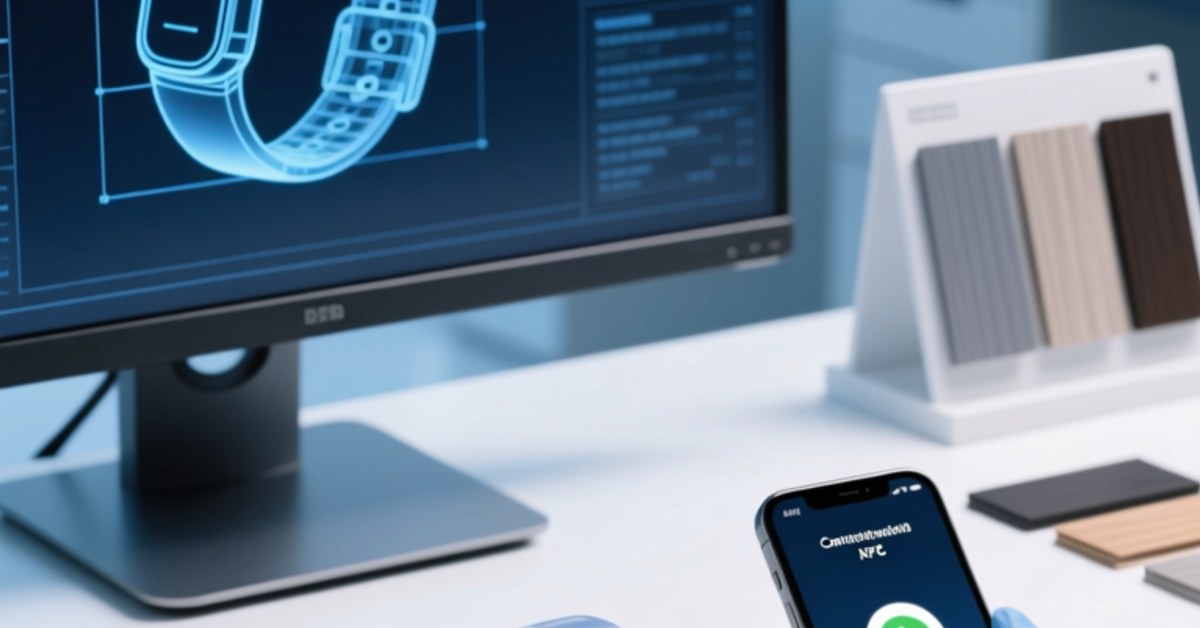
RFIDHY tarjoaa valikoiman lääketieteellisiä NFC silikonirannekkeet jota voidaan muokata logolla, värikoodaus, ja sirun valinta sairaalan vaatimusten mukaan. Nämä rannekkeet ovat kevyitä, mukava pitkäkestoiseen käyttöön, ja yhteensopiva kliinisissä ympäristöissä käytettävien standardien NFC-lukijoiden kanssa.
Lääkkeiden tarkastus hoitopisteessä
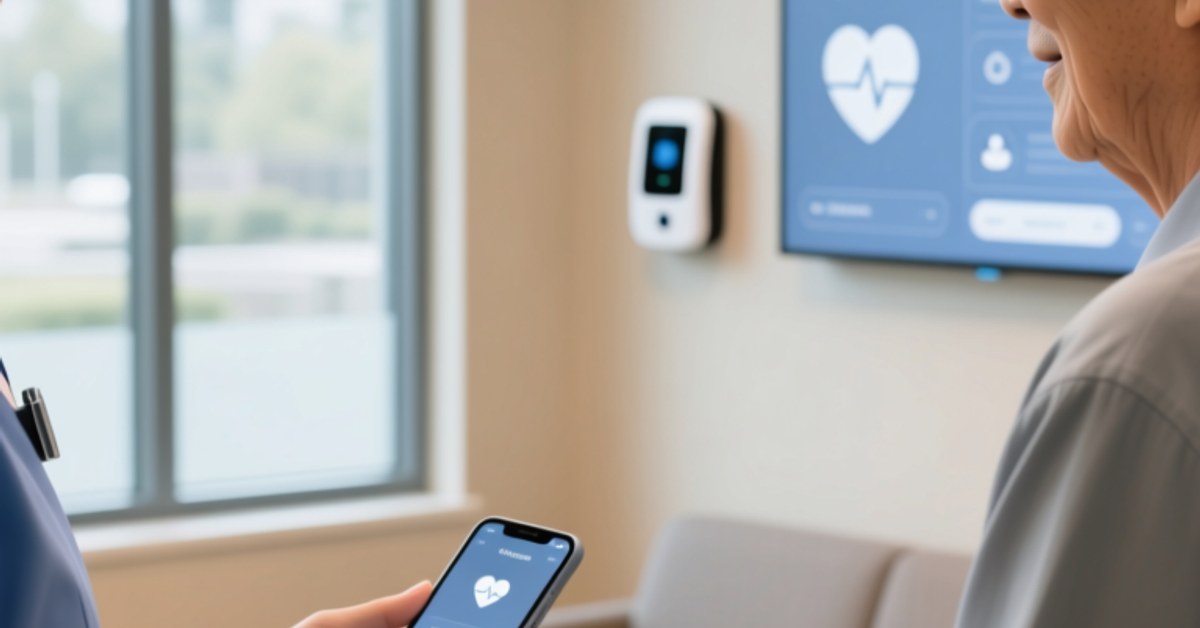
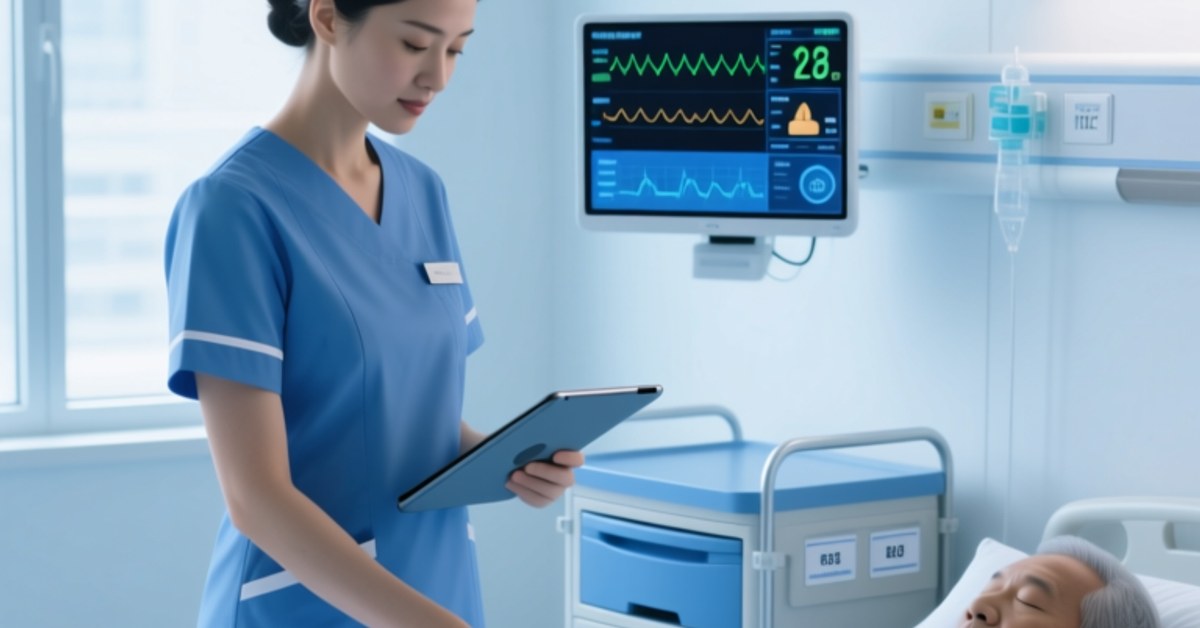
Yksi NFC-potilasrannekkeiden kriittisimmistä sovelluksista on lääkkeiden antaminen. Skannaamalla ranneke sängyn vieressä, Sairaanhoitaja voi välittömästi vahvistaa potilaan henkilöllisyyden mobiililaitteen näyttöön tulevia lääkemääräyksiä vastaan. Järjestelmä voi ilmoittaa allergioista, päällekkäisiä annoksia, tai vasta-aiheita, joka toimii viimeisen mailin turvaverkkona lääkkeiden antamisen "videssä oikeudessa". (oikea potilas, oikea lääke, oikea annos, oikea reitti, oikea aika).
Tämä tarkistus voidaan laajentaa koskemaan infuusiopumppuja, älykkäät ruiskut, tai automaattiset annostelukaapit, joissa on NFC-lukijat. Tuloksena on suljetun kierron lääkitysprosessi, jossa jokaista vaihetta seurataan digitaalisesti, luodaan tarkastettava jälki, joka tukee potilasturvallisuusmääräysten, kuten yhteiskomission tai EU:n lääkinnällisiä laitteita koskevan asetuksen säännösten noudattamista. (MDR).
Omaishoitajan todennus ja henkilöstön kulunvalvonta
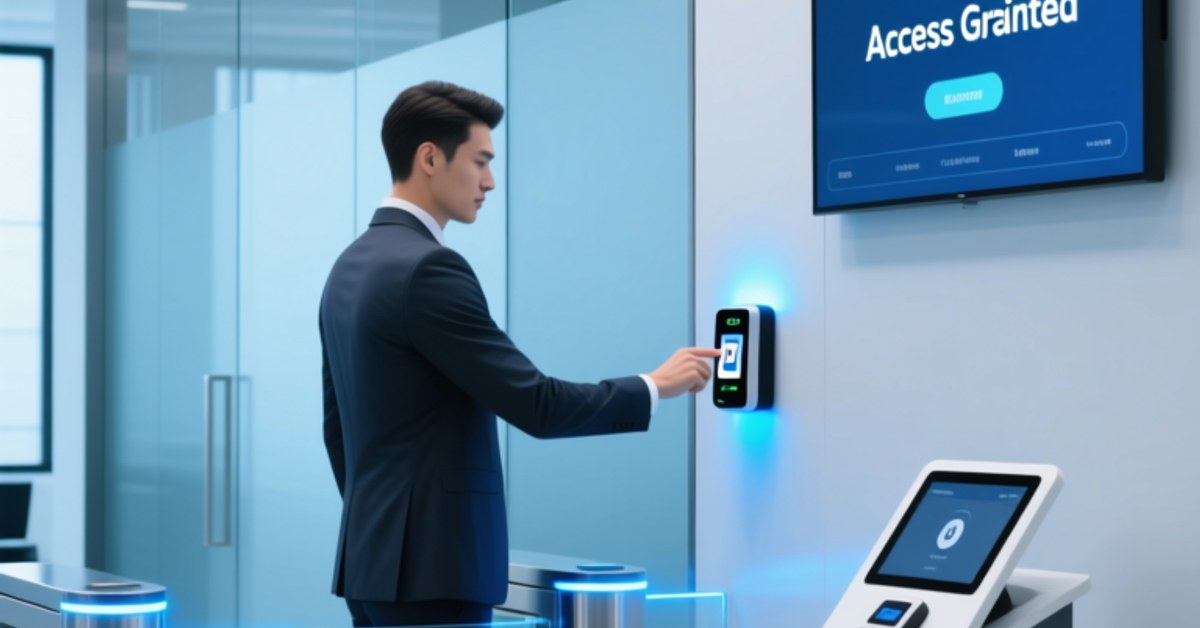
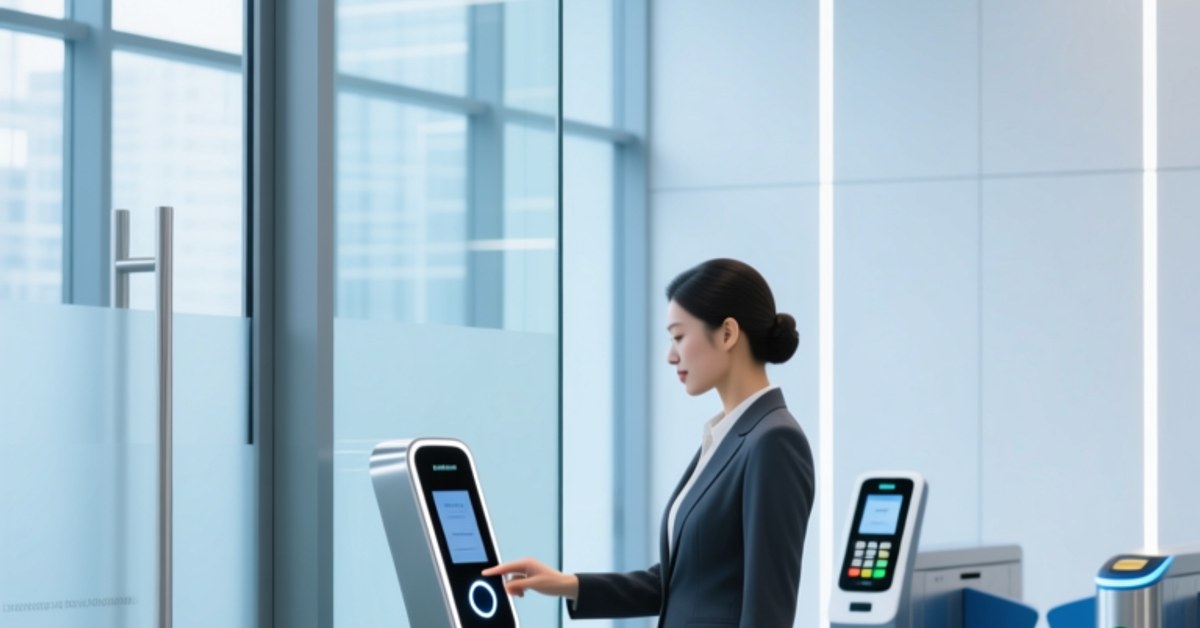
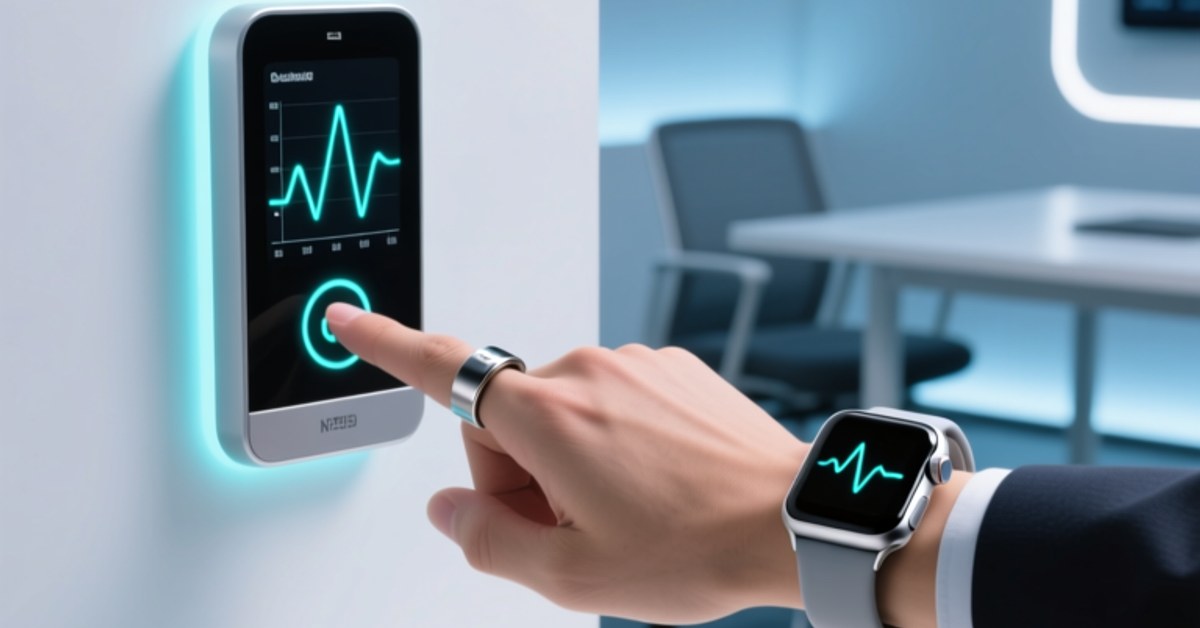
Potilaan identiteetin lisäksi, NFC-puettavia laitteita käytetään yhä enemmän terveydenhuollon ammattilaisten henkilöllisyyden ja käyttöoikeuksien hallintaan. NFC-yhteensopiva henkilökunnan merkki tai ranneke voi sallia valikoivan pääsyn leikkaussaleihin, lääkkeiden säilytystilat, tai vastasyntyneiden tehohoitoyksiköille roolin ja aikataulun mukaan.
Monivaiheinen todennus korkean turvallisuuden vyöhykkeille
Sairaalat luottavat usein PIN-koodien yhdistelmään, kortit, ja fyysiset avaimet. Puettava NFC lisää toisen tekijän, joka on kätevä ja aina henkilökohtainen. Koska NFC -sirut tukevat keskinäistä todennusta ja voivat tallentaa kryptografisia avaimia, he voivat osallistua haaste-vastausprotokolliin lukijoiden kanssa, mikä tekee kloonauksesta tai huijauksesta erittäin vaikeaa.
Esimerkiksi, anestesiologi saattaa käyttää RFIDHY NFC -ranneke joka toimii myös apteekin valvottavien aineiden kaapin käyttöoikeustietona. Samaa ranneketta voidaan käyttää ajan ja läsnäolon kirjaamiseen, jolloin ei tarvitse kuljettaa useita kortteja. Mahdollisuus poistaa kadonneet tai varastetut tunnistetiedot välittömästi käytöstä taustajärjestelmän kautta lisää suojaustasoa, joka perinteisiltä avainjärjestelmiltä puuttuu.
Hygieniaan ja infektioiden valvontaan liittyviä näkökohtia
Sairaalaympäristössä, kaikkien puettavien tuotteiden on kestettävä tiukat puhdistusprotokollat. NFC -ranneke Henkilökunnan tai potilaiden käyttämien on oltava yhteensopivia alkoholipohjaisten desinfiointiaineiden kanssa, vetyperoksidihöyryä, tai sairaalalaatuisia pintapyyhkeitä heikentämättä sirun tai antennin toimivuutta.
Lääketieteelliset NFC-puettavat laitteet on tyypillisesti valmistettu materiaaleista, kuten silikonista, termoplastinen polyuretaani (TPU), tai antimikrobisella pinnoitteella päällystetyt muovit. Nämä substraatit ovat ei-huokoisia, nesteenkestävä, ja voidaan pyyhkiä useita kertoja päivässä. RFIDHY:t NFC silikonirannekkeet on suunniteltu saumattomilla reunoilla estämään bakteerien leviäminen, ja ne voidaan valmistaa upotetuilla antimikrobisilla lisäaineilla pyynnöstä.
Lisäksi, NFC:n kontaktiton luonne eliminoi fyysisen kosketuksen tarpeen yhteisten pintojen, kuten kosketusnäyttöjen tai näppäimistöjen, kanssa, ristikontaminaation riskin vähentäminen – etu, josta tuli erityisen ilmeinen COVID-19-pandemian aikana ja joka on edelleen tavallinen odotus tartuntojen ehkäisyssä nykyään.
Tietosuoja ja säännöstenmukaisuus
Kun puettavat laitteet tallentavat tai lähettävät potilastietoja, ne kuuluvat monimutkaisten tietosuojamääräysten piiriin, mukaan lukien Yhdysvaltojen HIPAA, GDPR Euroopassa, ja erilaiset kansalliset terveystietolait. NFC-tekniikka rajoittaa tiedonsiirtoalueen luonnostaan muutamaan senttimetriin, mikä vähentää merkittävästi tahattoman salakuuntelun riskiä verrattuna Wi-Fi- tai Bluetooth-yhteyteen. Kuitenkin, Tietojen turvaaminen itse tunnisteessa ja siirron aikana on ensiarvoisen tärkeää.
Salaus ja On-Tag-suojaus
Moderni NFC -sirut kuten NXP NTAG 424 DNA- tai ST25TV-sarja tukee AES-128-salausta ja turvallista dynaamista viestintää. Potilasranneke voidaan määrittää tallentamaan vain tunnuksen tai salatun URL-osoitteen, todelliset terveystiedot säilyvät suojatulla palvelimella. Kun kliinikko skannaa tunnisteen, laite suorittaa molemminpuolisen todennuskättelyn ennen kuin se hakee vähimmäismäärän tarvittavia tietoja. Tämä arkkitehtuuri rajoittaa suojattujen terveystietojen altistumista (PHI) vaikka ranneke katoaisi tai hävitetään.
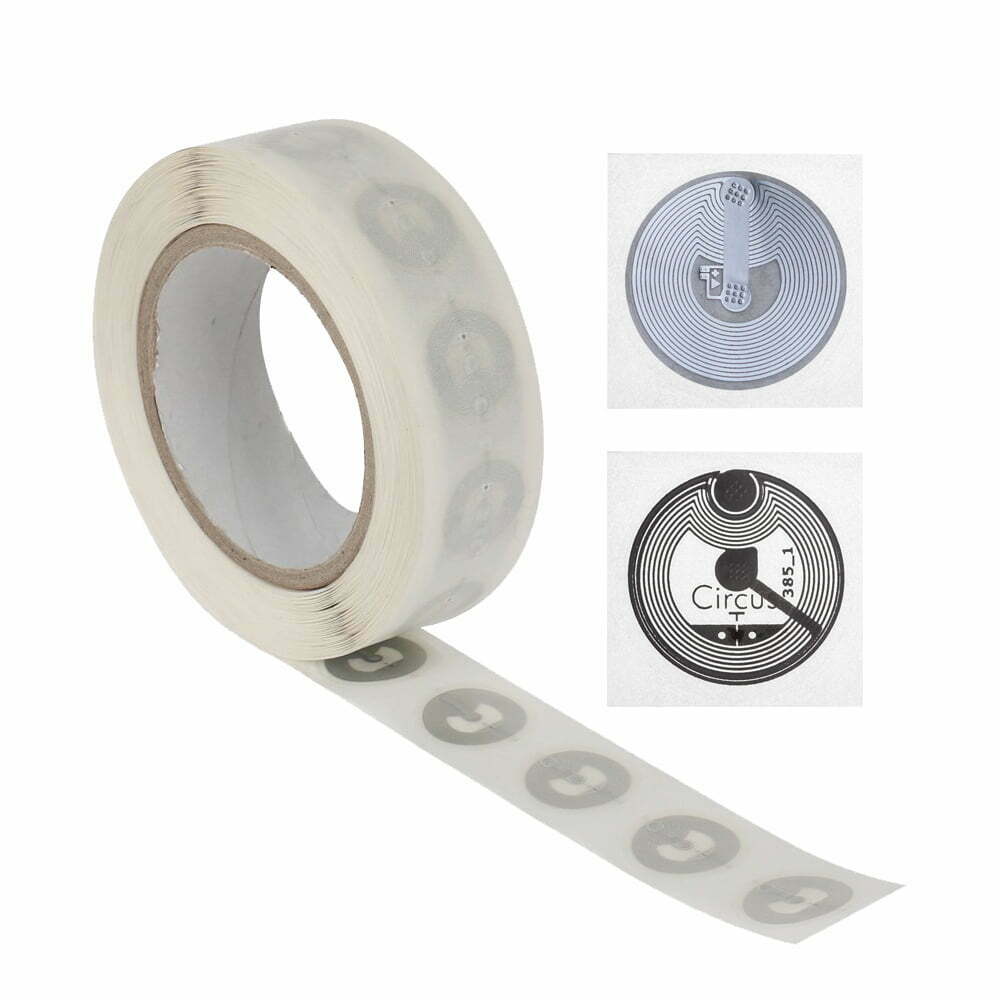
RFIDHY tarjoaa NFC-inlayt, jotka tukevat näitä edistyneitä suojausominaisuuksia. Integroimalla tällaiset upotteet mukautettuihin puetettaviin malleihin, lääkinnällisten laitteiden valmistajat voivat rakentaa HIPAA-valmiita ratkaisuja, jotka pitävät potilaan terveystiedot salattuna levossa ja kuljetuksen aikana. Syvempään integraatioon, the NFC-tuotteen todennus Ylellisyystuotteissa käytettävää kehystä voidaan mukauttaa myös lääkinnällisten kulutustarvikkeiden ja lääkkeiden aitouden tarkistamiseen.
EU ESPR:n ja digitaalisen tuotepassin noudattaminen (DPP)
Lääketieteellisten laitteiden valmistajille, jotka myyvät Euroopan markkinoille, kestävien tuotteiden ekologista suunnittelua koskeva asetus (ESPR) on esittelyssä Digitaalinen tuotepassi vaatimukset. NFC-puettavat laitteet voivat toimia kantajana DPP, linkittää jokaisen laitteen pilvipohjaiseen tietueeseen sen koostumuksesta, alkuperä, korjaushistoria, ja kierrätysohjeet. Näitä puettavia laitteita käyttävät sairaalat saavat läpinäkyvyyttä laitteen elinkaareen, mikä on yhä useammin suurten terveydenhuoltoverkostojen hankintavaatimus.
Aikaisempi oppaamme päällä NFC-yhteensopiva DPP ja EU ESPR -yhteensopivuus hahmotellaan, kuinka valmistajat voivat mukautua näihin tuleviin tehtäviin NFC-tekniikan avulla.
Tärkeimmät tekniset näkökohdat lääkinnällisten puettavien tuotteiden kehittäjille
NFC-terveydenhuollon puettavia laitteita suunnittelevien tuotetiimien on tasapainotettava useita rajoituksia: potilaan mukavuutta, kestävyys, suorituskykyä, ja säännösten noudattaminen. Alla on vertaileva katsaus kriittisiin suunnittelunäkökohtiin.
>
| Tekijä | Vaatimus | Harkitse puettavia NFC-laitteita |
|---|---|---|
| Biologinen yhteensopivuus | ISO 10993, USP luokka VI | Käytä lääketieteellistä silikonia tai TPU:ta; varmistaa, ettei iho ärsytä pitkäaikaisesta kosketuksesta |
| Desinfioitavuus | Kestää 70% isopropyylialkoholi, valkaisupyyhkeitä | Saumaton, ei-huokoinen materiaali; kapseloitu NFC-ukko |
| Kestävyys | Vastusta repeytymistä, upotus | Vuorosuojatut lukitusmekanismit; kotelon ultraäänihitsaus |
| Lue Range & Johdonmukaisuus | 1-4 cm luotettava luku | Oikea antennin viritys varmistaa kehon suorituskyvyn; harkitse ihmiskudosten viritystä |
| Tietoturva | AES-128 tai korkeampi, yksilöllinen tunnus | Valitse NFC-sirut, joissa on suojattu todennus; välttää staattisen muistin käyttöä |
| Sääntely | HIPAA, GDPR, FDA (jos se luokitellaan lääketieteelliseksi laitteeksi) | Dokumentoi riskienhallinta ISO:n mukaan 14971; varmistaa tietojen minimoinnin |
NFC Wearable -laitteiden integrointi sairaalan IT-infrastruktuuriin
Terveydenhuollon IT-johtajille, käyttöönottoa NFC -ranneke ei ole pelkästään laitteistopäätös. Väliohjelmiston ja lukijainfrastruktuurin tulee tukea olemassa olevaa EHR-järjestelmien ekosysteemiä, mobiililaitteiden hallinta (MDM), sekä identiteetin ja käyttöoikeuksien hallinta (IAM).
Sairaalat voivat hyödyntää siirrettäviä hoitokärryjä, joissa on sisäänrakennetut RFID/NFC-lukijat tai henkilökuntaa kädessä pidettävät RFID-lukijat joka lukee myös NFC-tunnisteita. RFIDHY:n ratkaisut integroituvat HL7- tai FHIR-sovellusliittymiin ja yhdistävät fyysiset tunnisteet potilastietoihin. Kulunvalvontaan, NFC puettavasta tulee osa fyysistä identiteetin hallintajärjestelmää, usein yhteensopiva johtavien valmistajien olemassa olevien lukijoiden kanssa.
Valitsemalla RFIDHY-kumppanin, kuten NFCWORK puettavia hankintoja varten, terveydenhuollon tarjoajat saavat joustavuutta sirujen valinnassa, muototekijä, ja brändäystä, varmistaen samalla, että tunnisteet täyttävät kliinisissä olosuhteissa vaadittavat tiukat hygienia- ja kestävyysstandardit.
Tulevaisuus: Jatkuva seuranta ja siitä eteenpäin
Vaikka nykyiset puettavat NFC-laitteet käsittelevät ensisijaisesti tunnistamista ja pääsyä, nousevat kokoonpanot yhdistävät NFC:n anturilla varustettuihin kankaisiin tai energiaa kerääviin malleihin. Tulevat potilaan rannekkeet voivat sisältää lämpötilan, syke, tai putoamisen tunnistusanturit, NFC:llä, jota käytetään puskuroidun tiedon lähettämiseen jaksoittain skannattaessa, säästää akun käyttöikää ja vähentää RF-altistumista. Sama taajuus voisi myös tarjota sijaintitietoja passiivisen RFID:n kautta omaisuuden seurantaa varten, kun se on integroitu UHF:ään RFID-järjestelmät.
Tällainen lähentyminen on jo muotoutumassa varhaisissa prototyypeissä, ja RFIDHY:n asiantuntemus protokollien välisistä tunnisteista (NFC + UHF) sijoittuu hyvin tukemaan näitä seuraavan sukupolven lääketieteellisiä puettavia laitteita. Laajempi näkökulma siitä, kuinka NFC sopii puetettaviin identiteettijärjestelmiin, katso artikkelimme aiheesta NFC Smart Wearablesissa: Maksujen lisäksi identiteettiin, Pääsy, ja Terveys.
Johtopäätös
Terveydenhuollon puettavat NFC-laitteet eivät ole enää futuristinen käsite; ne ovat toiminnallinen välttämättömyys potilasturvallisuutta parantaville sairaaloille, lisätä henkilöstön tehokkuutta, ja täyttävät tiukat vaatimustenmukaisuusstandardit. Käytetäänkö potilastunnusrannekkeina, hoitajan todennusmerkit, tai lääkityksen vahvistustunnuksia, Nämä laitteet vähentävät virhealttiita manuaalisia prosesseja ja tarjoavat turvallisen digitaalisen säikeen potilaiden välillä, kliinikot, ja terveydenhuollon tietojärjestelmät. Valitsemalla huolellisesti suunnitellut NFC-komponentit toimittajilta, kuten RFIDHY:n tarjonta vaihtelee NFC -ranneke to RFID -tunnisteet— Terveydenhuollon organisaatiot ja laitevalmistajat voivat rakentaa luotettavia, hygieeninen, ja yksityisyyttä kunnioittavia puettavia ratkaisuja, jotka integroituvat saumattomasti nykyaikaisiin kliinisiin työnkulkuihin.
Faq
Voivatko NFC-potilasrannekkeet tallentaa täydellisiä potilastietoja?
Emme suosittele täydellisten potilastietojen tallentamista suoraan tunnisteeseen. Sen sijaan, NFC-rannekkeissa on yleensä yksilöllinen tunniste tai salattu linkki, joka osoittaa potilaan tietueeseen suojatulla palvelimella. Tämä lähestymistapa minimoi tietojen altistumisen ja tukee HIPAA/GDPR-yhteensopivuutta, tarjoten silti välittömän pääsyn kriittisiin tietoihin, kun niitä napautetaan valtuutetulla laitteella.
Kuinka usein terveydenhuollon NFC-ranneke voidaan desinfioida ennen kuin se hajoaa?
RFIDHY:n silikonista tai TPU:sta valmistetut lääketieteelliset NFC-rannekkeet on suunniteltu kestämään satoja sairaalalaatuisia desinfiointipyyhkeitä ilman tarttuvuuden menetystä., tulostuksen luettavuus, tai NFC-suorituskykyä. Saumaton, ei-huokoinen rakenne estää nesteen pääsyn sisään, joten ne sopivat päivittäiseen puhdistukseen kliinisissä ympäristöissä.
Voivatko NFC-rannekkeet korvata sekä pääsykortit että potilastunnukset?
Kyllä. Asianmukaisella sirukokoonpanolla ja taustaintegraatiolla, Yksi puettava NFC-laite voi toimia henkilökunnan pääsytunnuksena, läsnäolotunnus, ja – kun se on määritetty potilaalle – positiivinen potilaan ID-kaista. Tämä yhdistäminen vähentää sairaalan fyysisten todistusten määrää ja yksinkertaistaa hallintaa.
Mitkä turvaominaisuudet suojaavat potilastietoja NFC-rannekkeessa?
Nykyaikaiset NFC-sirut tarjoavat AES-128 tai korkeamman salauksen, keskinäinen todennus, ja ainutlaatuiset väärentämiseltä suojatut tunnistenumerot. Yhdistettynä turvalliseen palvelinpuolen tunnukseen, nämä ominaisuudet varmistavat, että vaikka rannekkeeseen päästäisiin fyysisesti käsiksi, tiedot jäävät lukemattomiksi ilman asianmukaisia salausavaimia.
Yhteistyötä RFIDHY:n kanssa lääkinnällisiin NFC-käyttötarpeisiisi
RFIDHYssä, ymmärrämme turvallisuuden kriittisen merkityksen, hygienia, ja noudattaminen terveydenhuollossa. Portfoliomme sisältää räätälöitävän NFC silikonirannekkeet ja kestävä RFID -tunnisteet sopii potilaan tunnistamiseen, henkilökunnan pääsy, ja lääkityksen seuranta. Olitpa sairaalan hankintavirkailija tai lääketieteellisten puettavien vaatteiden kehittäjä, tiimimme voi auttaa sinua valitsemaan optimaalisen sirun, materiaali, ja hakemuksesi muototekijä.
Ota yhteyttä tänään keskustellaksesi pilottihankkeesta tai pyytää näytepakkausta. Tutustu NFC-terveydenhuoltoratkaisuihimme NFCWORK alusta ja ota seuraava askel kohti turvallisempaa, yhdistetympi hoitoympäristö.