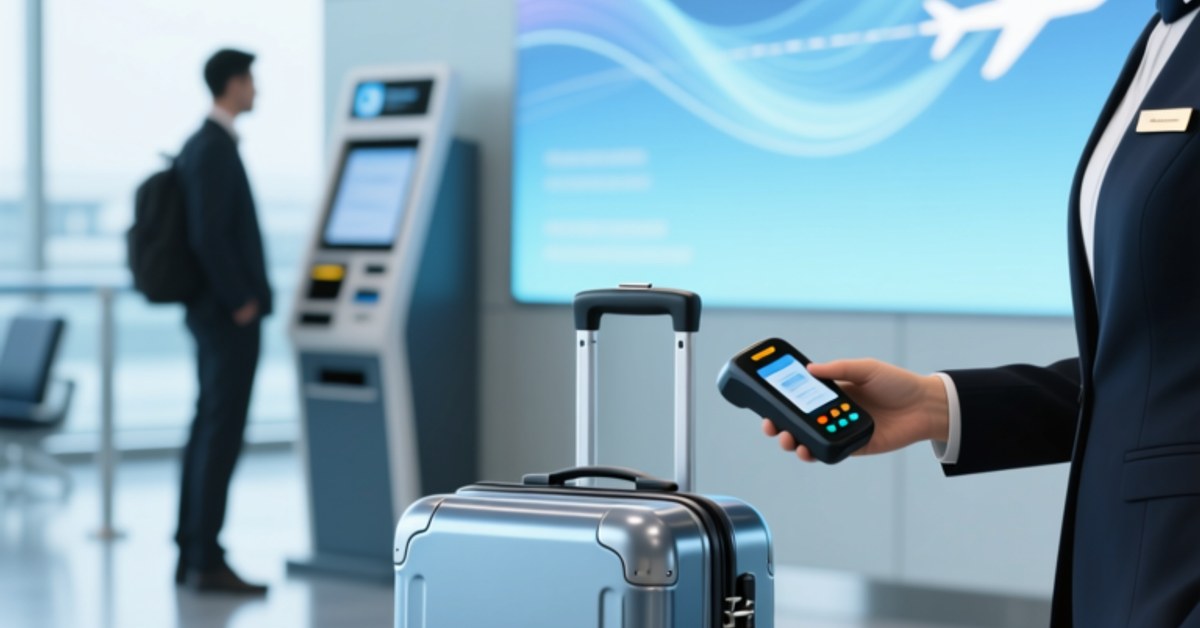
Modern air travel is a balancing act between passenger convenience and operational efficiency. Baggage, erityisesti, creates one of the most visible stress points. Passengers want to know that their bags are on the same flight, while airlines and ground handlers must receive, sort, load, transfer, and deliver thousands of bags every day.
NFC smart luggage tags give checked bags a simple digital identity. An NFC baggage tag can be read with an NFC-enabled smartphone or an NFC reader, helping airlines link a suitcase to a passenger record without opening an app or printing another barcode. For luggage manufacturers and travel technology integrators, these tags are an important piece of the smart travel ecosystem.
Why IATA Resolution 753 Changed Baggage Tracking
The International Air Transport Association (IATA) Resolution 753 asks member airlines to record baggage at key milestones: acceptance, loading, transfer, and arrival. It was created because mishandled bags are not just a passenger experience issue; they are also a financial and operational concern. Under this framework, each checked bag should have a clear record of where it was last seen and which passenger it belongs to.
In many airports, barcode labels remain the primary method for capturing baggage events. Kuitenkin, barcodes need a clear line of sight and can be difficult to scan after a bag is squeezed into a bin or stacked on a cart. NFC smart luggage tags support a different kind of record: a direct, tap-based read at the moment a bag is accepted or delivered. The tag does not replace an airline wide-area tracking system, but it can make each checkpoint more reliable and much easier for staff to use.
How NFC Smart Luggage Tags Work
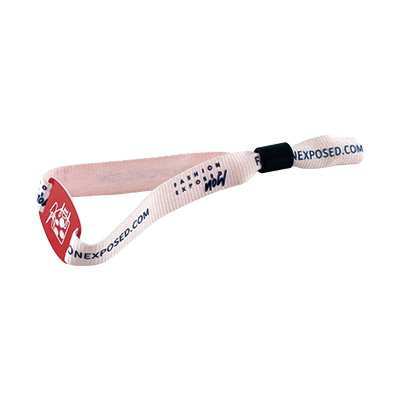
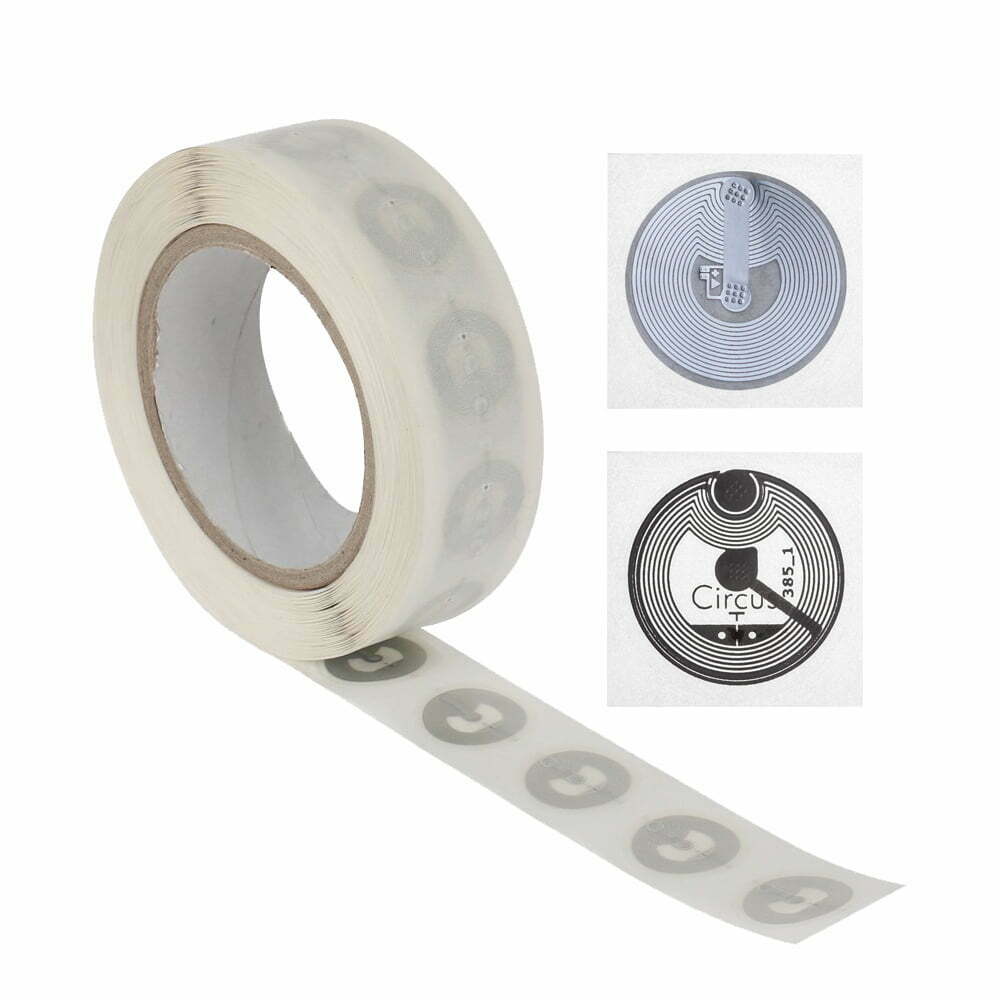
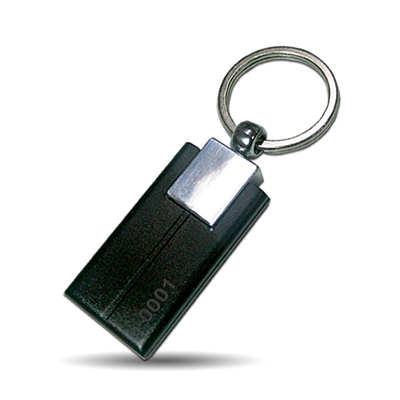
An NFC smart luggage tag is a baggage label, luggage strap tag, or embedded element that integrates an NFC inlay and antenna. It stores a unique identifier and can be encoded with a secure URL or a digital record. When an NFC-enabled phone or reader comes near the tag, the chip receives power, transmits its data, and opens a confirmation screen or sends the identifier to a backend system.
This technology is relevant to several airport and travel product scenarios:
- Airlines can issue durable NFC baggage tags to frequent flyers and read them at bag drop or arrivals.
- Luggage manufacturers can embed an NFC -tunniste into a suitcase shell, handle, or lining during production.
- Passengers can tap an NFC-enabled smart suitcase with their phone to view baggage information or contact a recovery desk.
- Travel integrators can combine NFC -tunniste reads with airline departure systems to build a more complete bag tracking log.
An NFC inlay can be inserted into a molded plastic label, a fabric tag, or a layered luggage card. Because the tag has no battery, it can remain active for the full life of the suitcase. The most important product decision is choosing an NFC tag that is tuned for the environment where it will be read and protected from the handling conditions it will face.
Key Benefits of NFC as a Baggage Identifier
- Battery-free operation removes a major maintenance and safety constraint.
- NFC readers are built into nearly every modern smartphone and many kiosks.
- The tag can be read without clear line of sight, making it more forgiving than a barcode.
- NFC tag IDs are unique and can be protected with read and write settings.
- Tags can be embedded behind fabric, muovi, or a printed label.
NFC vs BLE Tags for Smart Luggage
Luggage brands and airlines often compare NFC tags with Bluetooth Low Energy (Vuotaa) tunnisteet. Each technology plays a different role in baggage tracking.
>
| Evaluation Point | NFC Baggage Tag | BLE Baggage Tag |
|---|---|---|
| Virtalähde | No battery; powered by the reader or smartphone | Battery-powered beacon |
| Lukualue | Short range, usually a few centimeters | Longer range, often tens of meters |
| Cost profile | Low unit cost and no battery maintenance | Higher unit cost with battery and firmware management |
| Kestävyys | Battery-free construction is simpler to seal and protect | Battery remains a weak point in rugged baggage handling |
| Best use case | Tap-based identification at checkpoints and passenger-facing recovery | Continuous location in an airport with BLE receivers |
An NFC defeat system is not a direct replacement for BLE. BLE is useful when an airline needs to see baggage approaching a sensor zone or moving through a conveyor area. NFC is better suited for point-of-tap interactions, such as confirming that the bag belongs to the boarding record or proving that a found suitcase has a recoverable digital identity. Smart travel products can include both technologies in one design: NFC for passenger engagement and identity, BLE for active location monitoring.
NFC Baggage Tags in Check-in and Bag Drop Flows
The baggage journey starts at check-in, where a bag must be linked to a passenger and an itinerary. NFC can make this process faster for airline staff and passengers.
Assisted Bag Drop
In an assisted bag drop flow, the passenger arrives at the counter with a passport or boarding pass. After the agent verifies the passenger identity, the ground handling system reads the NFC tag on the smart suitcase. That read creates an event record and associates the bag ID with the booking. The agent then labels the bag, sends it to the sorting system, and the departure record remains linked to the physical item.
A practical operation flow might look like this:
- The passenger checks in online or at an airport kiosk.
- The passenger presents a bag equipped with an NFC tag or receives an NFC baggage tag at check-in.
- The agent uses a handheld NFC reader or an NFC-enabled smartphone to read the tag.
- The backend system links the tag ID to the flight record and marks the bag as accepted.
- The bag moves into the airport sorting system for reconciliation.
The benefit of this flow is that no battery is required inside the tag. Ground staff simply move a reader close to the luggage tag to confirm its identity, and the passenger does not need to keep a mobile app open during the interaction.
Self-Service Bag Drop
Self-service bag drop stations can also use NFC. A traveler first identifies themselves using a boarding pass or airline app. The station then prompts the traveler to place the suitcase on the conveyor. An integrated NFC reader scans the smart luggage tag embedded in the suitcase or attached as a label. If the tag ID matches the reservation connected to the passenger, the station accepts the bag. Jos ei, the station directs the passenger to an agent.
For this workflow to work reliably, the NFC tag must be readable through the material used on the suitcase tag. This is a key reason luggage manufacturers, airlines, and integrators need to test actual NFC tags in the exact mounting area before starting a large deployment.
Lost Baggage Recovery and Passenger Communication
A delayed bag is often found later in the airport. When the bag has no readable identification, staff must open it or try to match it to a claim tag. NFC smart luggage tags can make this process faster and safer by providing a direct digital link between the suitcase and its owner record.
In a typical recovery flow, a lost baggage office scans the NFC tag with an NFC-enabled phone or reader. The device retrieves a unique luggage ID and, depending on the system design, opens a secure recovery page or sends the ID to the airline backend. If the luggage brand and the airline are integrated, the passenger may also tap their own suitcase at the arrival belt and see whether it has cleared the final tracking point.
Because an NFC tag stores no personal data by default and can be configured to reveal information only during an authorized session, it offers a more privacy-friendly alternative to printed name tags. The passenger still has visible baggage tags for regulatory purposes, but the digital recovery route is cleaner and more automated.
Battery-Free Durability for Baggage Environments
Checked luggage moves through temperature changes, baggage conveyor belts, cargo holds, and sometimes rough handling. Electronic devices that rely on batteries require charging, tarkastus, and a plan for disposal. A battery-free NFC tag avoids those issues.
- There is no battery that can leak, swell, or stop working during a long journey.
- Thin NFC inlays and labels can be laminated inside a handle or under a suitcase shell panel.
- NFC tags have no moving parts and no software update dependency at the tag level.
- Battery-free smart tags create fewer airline shipping and cargo restrictions.
Battery-free durability is especially valuable in smart suitcase NFC designs because the tag can be treated as part of the luggage construction rather than as a removable electronic device.
Smart Suitcase NFC Integration for Luggage Manufacturers
Luggage manufacturers are not expected to build an airport tracking system. They need a reliable way to make a suitcase identifiable and connected to a passenger’s digital journey. An NFC inlay placed near the luggage handle or in a dedicated molded tag gives the suitcase a unique identity that can be recognized by any NFC-enabled phone or reader.
The manufacturing process is important. An NFC tag embedded in a metal frame will not perform well because metal affects the antenna. A tag placed in a plastic area, a fabric lining, or a dedicated luggage label is likely to offer consistent read performance. This is why product pilots are valuable before committing to large-scale production.
Choosing and Testing NFC Baggage Tags
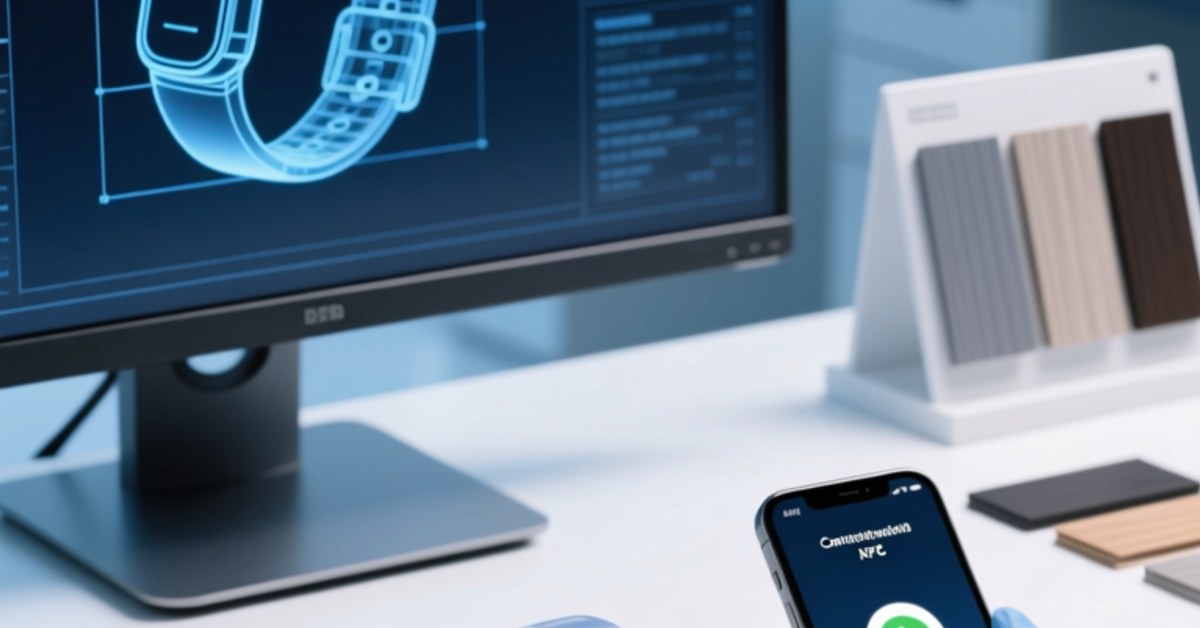
RFIDHY and NFCWORK provide a range of NFC tags, NFC-tarrat, and NFC inlays that can be configured for airline baggage applications. The correct choice depends on the surface, the protection needed, and the reader hardware used by airport staff. Most smart luggage tag projects will also include desktop RFID readers or handheld RFID readers so that agents can scan a tag without relying on a passenger phone.
During the selection process, test these factors:
- Read distance through the luggage label or shell material.
- Reliability after repeated contact with conveyor belts and airport surfaces.
- Compatibility with the airline kiosk or self-service bag drop reader.
- Encoding and locking options for the unique luggage ID.
- Physical attachment method and resistance to being pulled off.
An NFC baggage tag can be a strong foundation for a modern baggage management program. The data generated by a simple tap at the check-in counter or lost baggage office helps airlines build the event records required by IATA Resolution 753 while also improving the passenger experience.
Making Baggage Tracking Smarter
Air travel will never be completely friction-free, but the baggage process can become more transparent. NFC smart luggage tags are a scalable and cost-effective way to connect physical suitcases to digital passenger records. They do not need a battery, they operate in difficult environments, and they can be read by devices already present in the airline and travel ecosystem.
Luggage manufacturers, airlines, and travel technology integrators can start with NFC -tunnisteet, tarrat, and inlays designed for product integration. For broader guidance on building NFC-based processes around passenger and asset identity, vierailla NFC solutions overview on the NFCWORK website.
Faq
What is an NFC smart luggage tag?
An NFC smart luggage tag is a luggage label, strap, or embedded element that contains an NFC chip and antenna. It stores a unique baggage ID and can be read by an NFC-enabled smartphone or an NFC reader to link the suitcase to a passenger record, flight information, or a lost baggage recovery page.
Can NFC baggage tags replace BLE tags for real-time tracking?
NFC tags and BLE tags solve different problems. NFC tags are battery-free and reliable for tap-based identification at check-in, bag drop, arrivals, and recovery. BLE tags have longer read ranges and are better for continuous location sensing, but they require power and higher maintenance. Many smart luggage products can combine both technologies.
Are NFC tags durable enough for checked baggage?
Kyllä, when the NFC tag is correctly protected. NFC tags contain no battery and can be laminated or embedded inside a suitcase handle, shell, or label. The tag must be placed away from metal and tested under the same temperature, kosteus, and impact conditions found in baggage handling.
Does an NFC smart luggage tag help airlines meet IATA Resolution 753?
IATA Resolution 753 requires baggage movement to be recorded at key milestones. An NFC tag provides each bag with a unique digital ID that can be read at acceptance, loading, transfer, or arrival checkpoints. It supports the data collection needed for compliance, although it does not replace a complete airport tracking infrastructure.
Bring Smarter Baggage Tracking to Your Next Deployment
Whether you are designing a new smart suitcase line, upgrading airline baggage systems, or building a travel technology platform, NFCWORK Technology can help you evaluate the right NFC tag format and reader workflow. Explore NFC tags, NFC-tarrat, NFC upotteet, and companion readers for your pilot project.
Contact our RFID/NFC team tai tarkista NFC-tuotevalikoima to start your smart luggage project.