Johdanto: Digitaalinen tuotepassivaltuutus
The Ekosuunnittelu kestävien tuotteiden asetukselle (ESPR) muokkaa tuotteiden suunnittelua, valmistettu, ja niitä seurataan Euroopan unionissa. Sen ytimessä on Digitaalinen tuotepassi (DPP) – digitaalinen tietue, joka kuljettaa tuotekohtaisia tietoja koko elinkaaren ajan. Valmistajille, EU:n ESPR-vaatimusten täyttäminen ei ole vain sääntelyn valintaruutu; se on strateginen mahdollisuus lisätä toimitusketjun läpinäkyvyyttä, mahdollistaa kiertoliiketoimintamallit, ja rakentaa kuluttajien luottamusta.
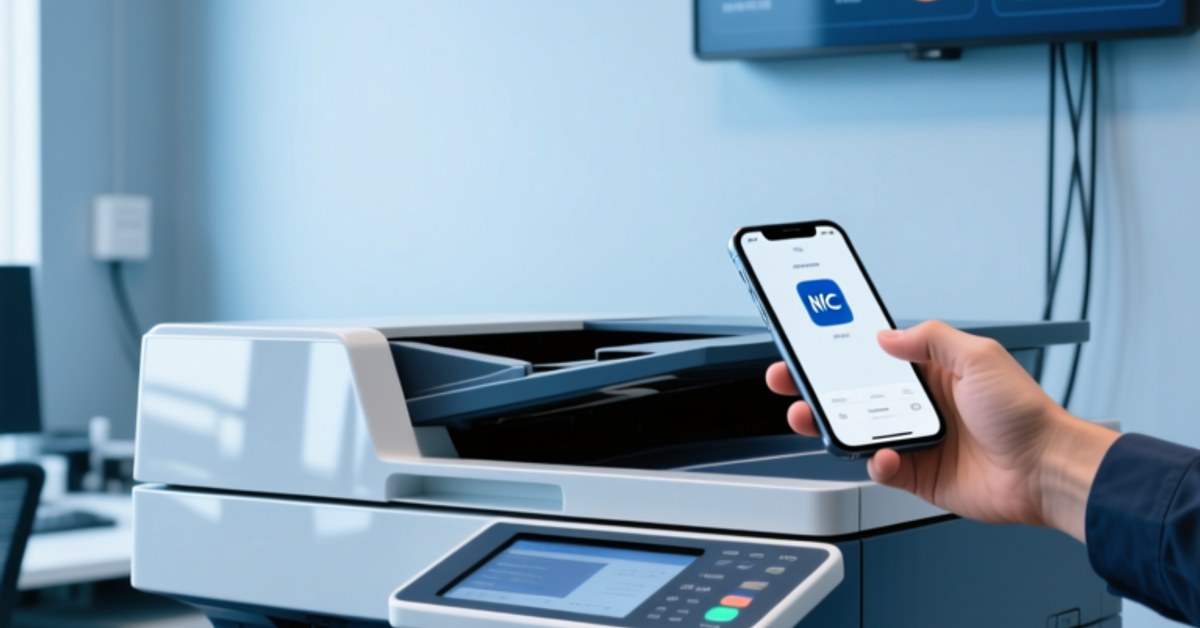
Tämä etenemissuunnitelma keskittyy NFC-yhteensopivat DPP:t käytännöllisenä, kustannustehokas, ja skaalautuva yhteensopivuusratkaisu. Upottamalla Near Field Communication -tunnisteet suoraan tuotteisiin tai pakkauksiin, valmistajat voivat tarjota välittömän pääsyn DPP:hen älypuhelimen yksinkertaisella napautuksella. Monimutkaista skannausinfrastruktuuria ei tarvita, joten se sopii erityisen hyvin vaateteollisuudelle, elektroniikka, huonekalut, ja akkujen tuotanto.
EU:n ESPR:n aikajanan ja laajuuden ymmärtäminen
ESPR ehdotettiin maaliskuussa 2022 ja sen odotetaan tulevan täysimääräisesti voimaan välillä 2024 ja 2027, tiettyjä tuoteryhmiä koskevat delegoidut säädökset otetaan käyttöön asteittain. Ensimmäinen aalto sisältää paristot, tekstiilejä, ja elektroniikkaa. EU:hun vievien valmistajien on valmistauduttava nyt välttääkseen markkinoille pääsyn häiriöitä.
>
| Virstanpylväs | Odotettu aikajana | Vaikutus valmistajiin |
|---|---|---|
| ESPR astuu voimaan | 2024–2025 | Oikeusperusta perustettu; delegoidut säädökset alkavat |
| Akun DPP pakollinen | 2027 | Kaikilla teollisuus- ja sähköakkujen akuilla on oltava digitaalinen passi |
| Tekstiilit & elektroniikka DPP | 2027–2028 | Nopeasti liikkuvien kulutustavaroiden asteittainen täytäntöönpano |
| Täysi kattavuus | 2030+ | Useimmat tuoteluokat ovat todennäköisesti katettuja |
NFC DPP -tekniikan varhainen käyttöönotto antaa valmistajille mahdollisuuden tarkentaa tiedonkeruuprosessejaan, kouluttaa toimitusketjukumppaneita, ja yhdenmukaistettava tulevien delegoitujen säädösten kanssa hyvissä ajoin ennen määräaikoja.
DPP-teknologiapino: Mihin NFC sopii
Digital Product Passport -järjestelmä vaatii monikerroksisen teknologiapinon. Alla olevassa taulukossa kuvataan jokainen kerros ja kuinka NFC-tekniikka integroituu tietovälinetasolla.
>
| Kerros | Kuvaus | NFC Rooli |
|---|---|---|
| Ainutlaatuinen tunnistus | Jokainen tuote saa maailmanlaajuisesti yksilöllisen tunnisteen (UID) | NFC -tunnisteet upottaa tehtaalla ohjelmoitu UID, jota ei voi muuttaa, toimii tuotteen muuttumattomana digitaalisena sormenjäljenä |
| Tietojen välittäjä | Fyysinen tietoväline, joka yhdistää tuotteen digitaaliseen levyyn | NFC -tunnisteet/NFC upotteet kiinnitetään suoraan tuotteeseen tai pakkaukseen, mahdollistaa kontaktittoman käytön |
| Tiedonhallinta | Pilvi- tai lohkoketjupohjainen DPP-varasto | NFC-tunnistemuisti voi tallentaa selvitettävän URL-osoitteen, joka osoittaa pilvipalveluun isännöityyn DPP:hen; salattuja vaihtoehtoja saatavilla |
| Käyttöliittymä | Kuinka sidosryhmät lukevat/kirjoittavat tietoja | Kuluttajat ja tilintarkastajat käyttävät mitä tahansa NFC-yhteensopivaa älypuhelinta; teolliset lukijat käsittelevät joukkovarmennusta |
| Turvallisuus & Luota | Todennus- ja eheysmekanismit | NFC-sirut, kuten NTAG 424 DNA mahdollistaa keskinäisen autentikoinnin ja salatun viestinnän |
klo NFCWORK, autamme valmistajia valitsemaan oikeat NFC-tunnisteet DPP-sovelluksiinsa – vakiosta NFC-tarrat karuksi antimetalliset NFC-tunnisteet teollisuusympäristöihin.
Vaiheittainen NFC DPP:n käyttöönottoopas
Yhteensopivan DPP:n toteuttaminen voidaan jakaa neljään selkeään vaiheeseen. Noudata tätä etenemissuunnitelmaa integroidaksesi NFC-teknologian ja minimoimalla toimintahäiriöt.
Vaihe 1: Tuotetietojen kartoitus ja DPP-arkkitehtuuri
- Tunnista kaikki EU ESPR:n pakolliset tietokentät tuoteryhmällesi (materiaalit, kierrätettyä sisältöä, hiilijalanjälki, korjausohjeet, käsittelyvaatimukset).
- Määrittele DPP-tietomallisi – harkitse GS1-standardeja tuotteiden tunnistamisessa ja tietojen jakamisessa.
- Selvitä, säilyvätkö tiedot pilviympäristössä, lohkoketju, tai hybridiarkkitehtuuri. Varmista, että järjestelmä voi määrittää kullekin tuoteyksikölle yksilöllisen URL-osoitteen.
- Suunnittele DPP:n visualisointikerros – miten kuluttajat ja kumppanit näkevät passitiedot ja ovat vuorovaikutuksessa niiden kanssa?
Vaihe 2: NFC-tunnisteen valinta ja koodausstrategia
Optimaalisen NFC-tunnisteen valitseminen on tärkeää. Keskeisiä huomioita ovat mm:
- Muistin koko: Vain URL-osoite DPP:lle, 144 tavu (Väite 213) riittää; lisätietojen tallentamiseen offline-tilassa, harkita 888 tavu (Väite 216). Tietoturvaan keskittyvät sovellukset hyötyvät NTAGista 424 DNA AES-salauksella.
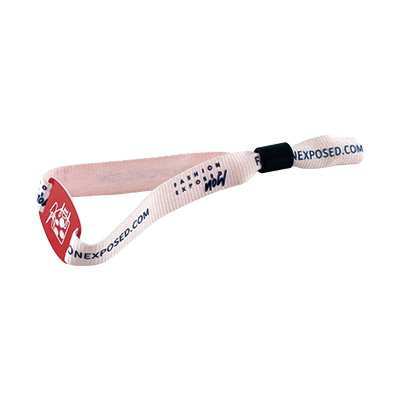
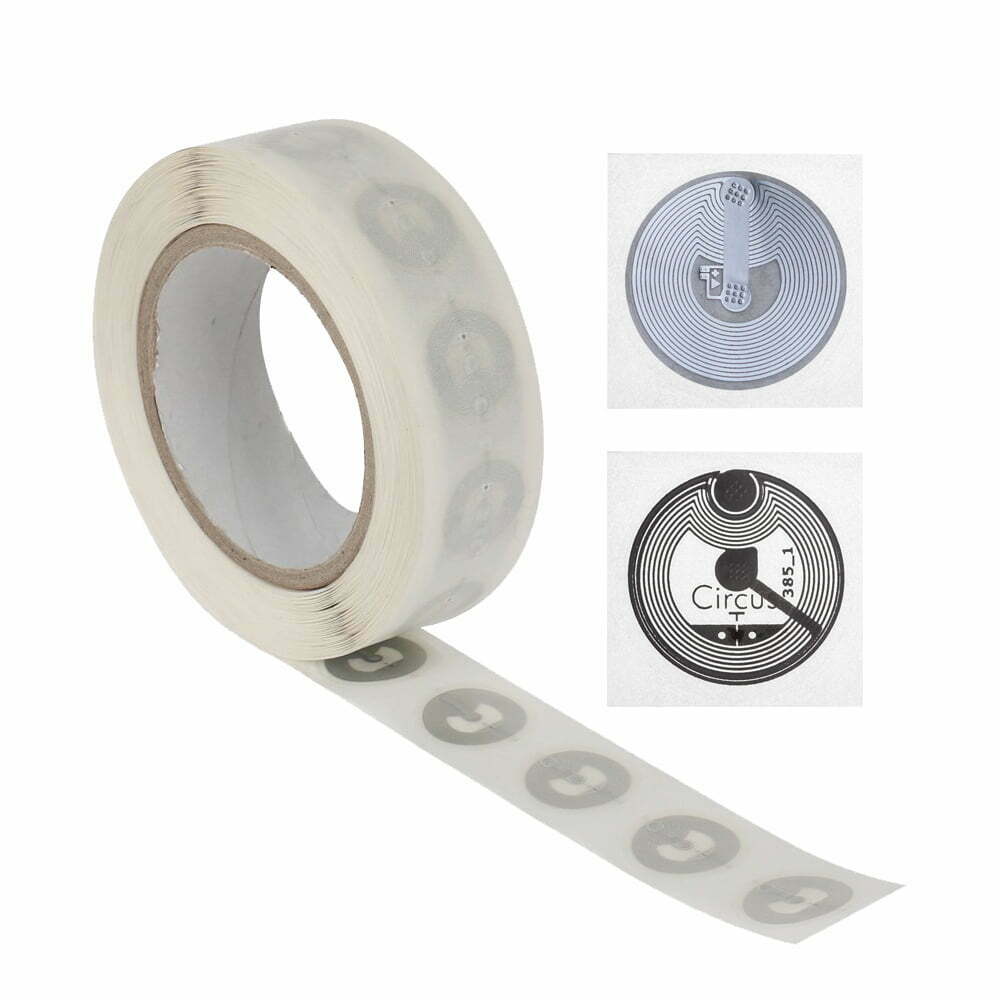
- Muototekijä: NFC-tarrat, NFC märkä-inlayt, tai NFC silikonirannekkeet riippuen tuotteen pinnasta ja käyttötapauksesta. Metalliomaisuuteen, valita antimetalliset NFC-tunnisteet.
- Ympäristökestävyys: Teollisuusympäristöt vaativat vedenpitävät ja lämmönkestävät NFC-tunnisteet.
- Koodaus: Ohjelmoi jokaiselle tunnisteelle yksilöllinen ratkaisun URL-osoite, lukitse se vain luku -tilaan, ja valinnaisesti lisää digitaalinen allekirjoitus.
Vaihe 3: Valmistuksen integrointi ja toimitusketjun käyttöönotto
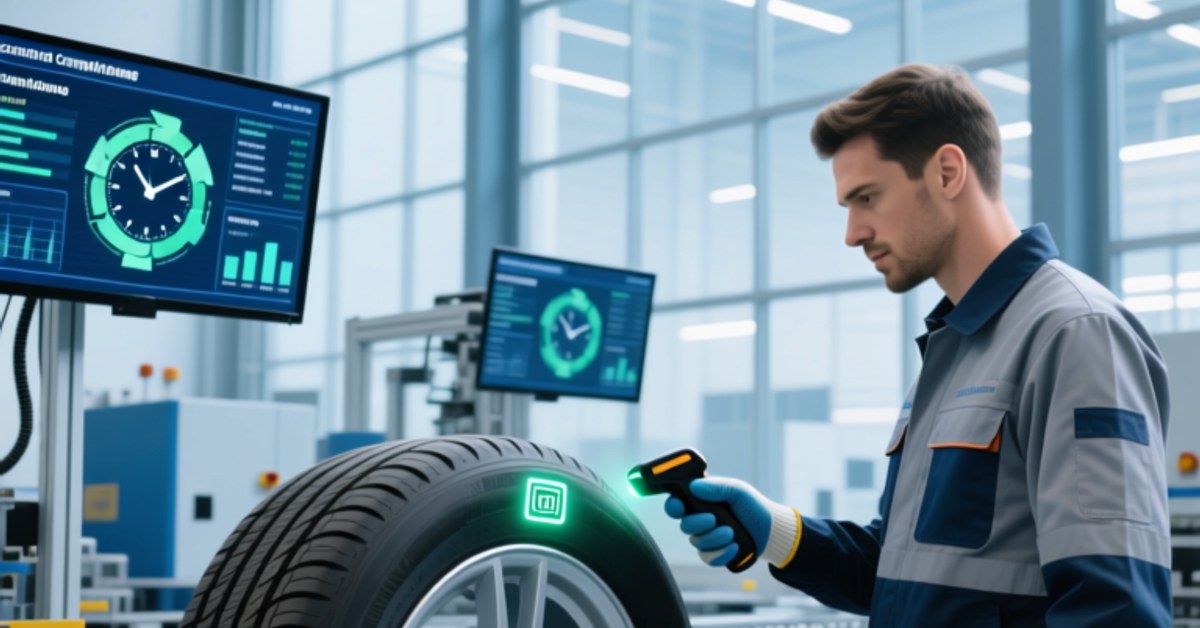
- Integroi NFC-tunnistekoodaus olemassa oleviin tuotantolinjoihin – koodauslaitteet voivat olla linjassa etikettiasemien kanssa.
- Skaalautuvat ratkaisut vaihtelevat työpöydän NFC-lukijat pienistä äänenvoimakkuuksista suureen nopeuteen teolliset RFID-moduulit pystyy koodaamaan tuhansia tunnisteita tunnissa.
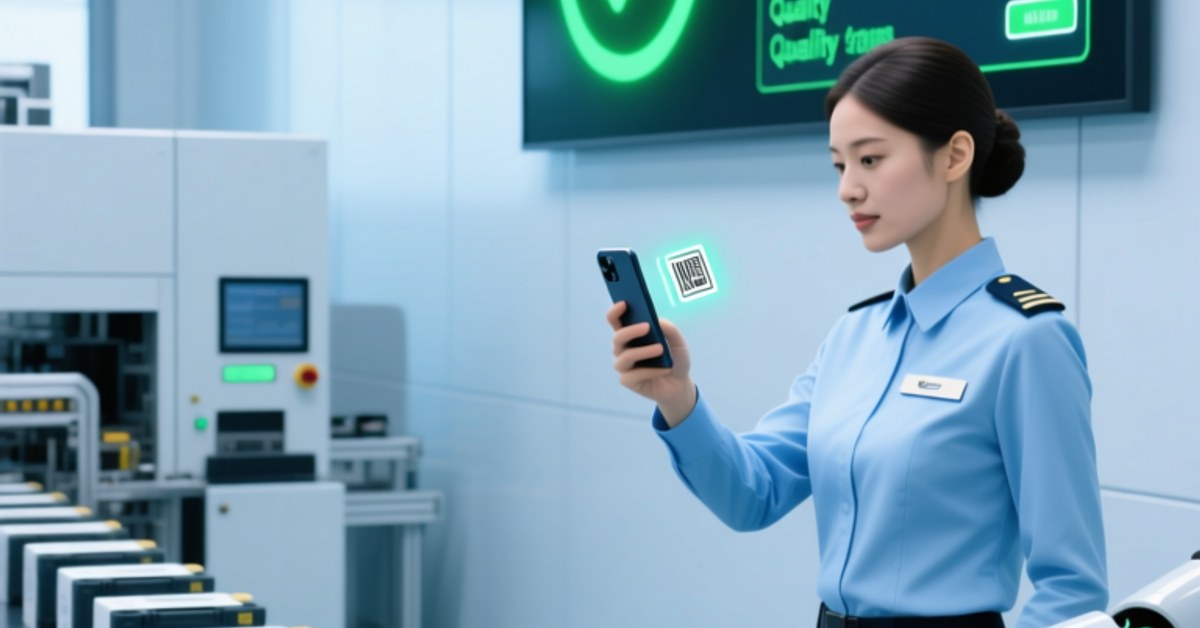
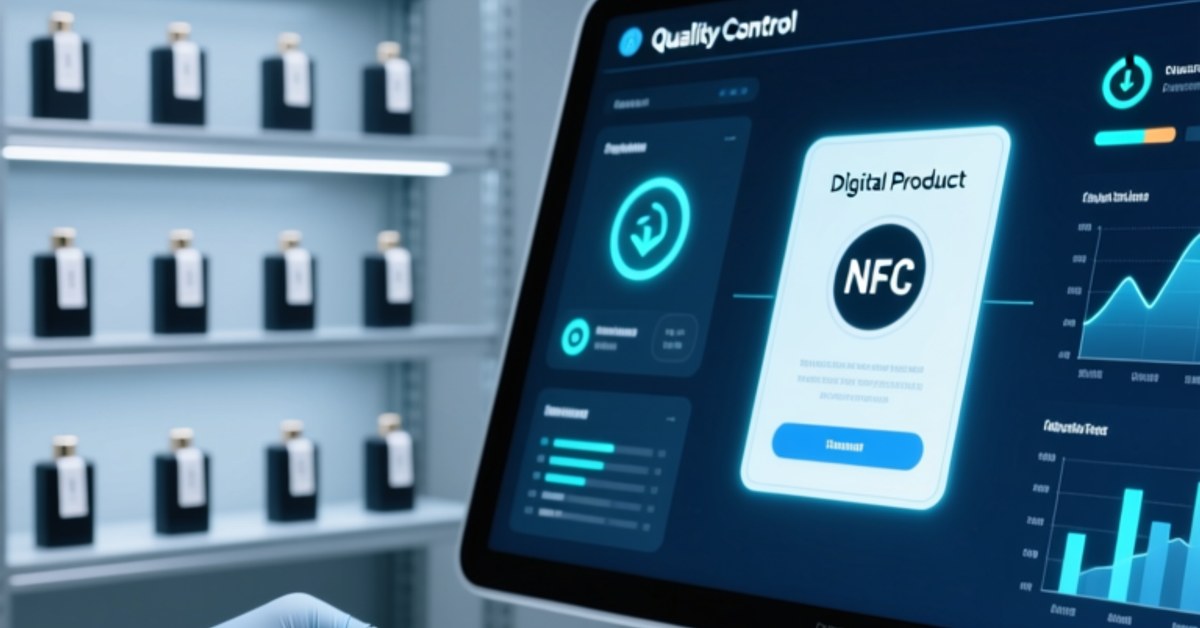
- Luo laatuportit varmistaaksesi, että jokainen tunniste on oikein koodattu ja luettavissa ennen toimitusta.
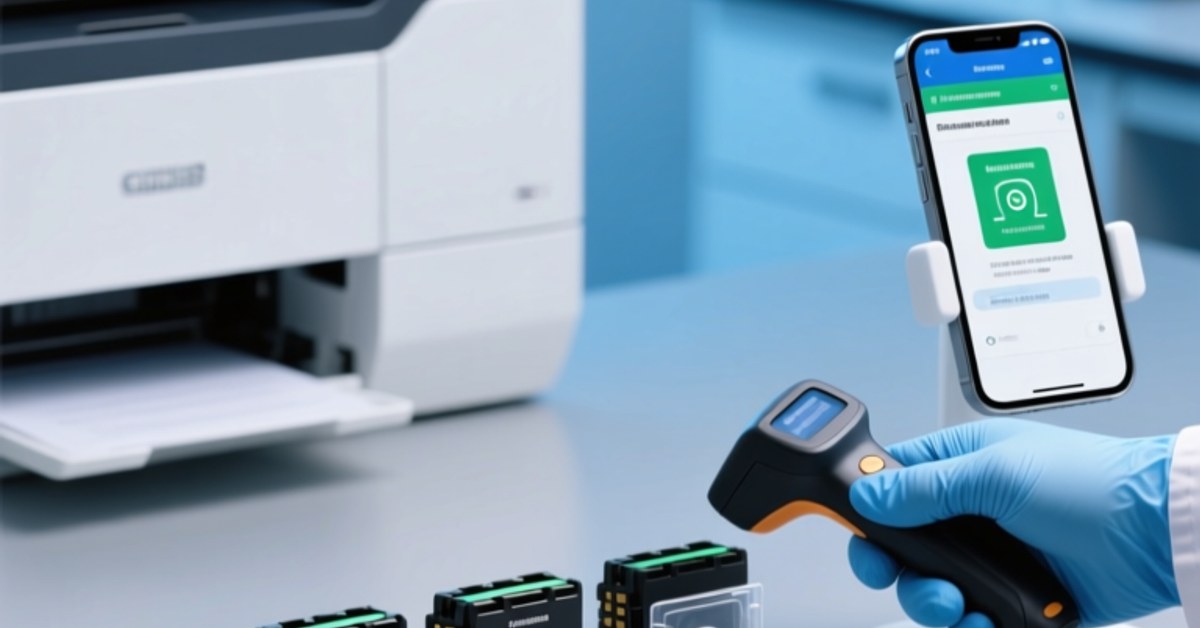
- Kouluta toimitusketjun yhteistyökumppaneita asiaankuuluvien DPP-kenttien skannaamiseen ja päivittämiseen (ESIM., logistiikan virstanpylväitä, korjaustapahtumat) käyttämällä kädessä pidettävät NFC-skannerit tai vakiona älypuhelimet.
- Vipuvaikutus NFC-lohkoketju integraatio peukaloinnin estävä jäljitettävyys koko ketjussa.
Vaihe 4: Kuluttajien sitoutuminen ja elinkaaren hallinta
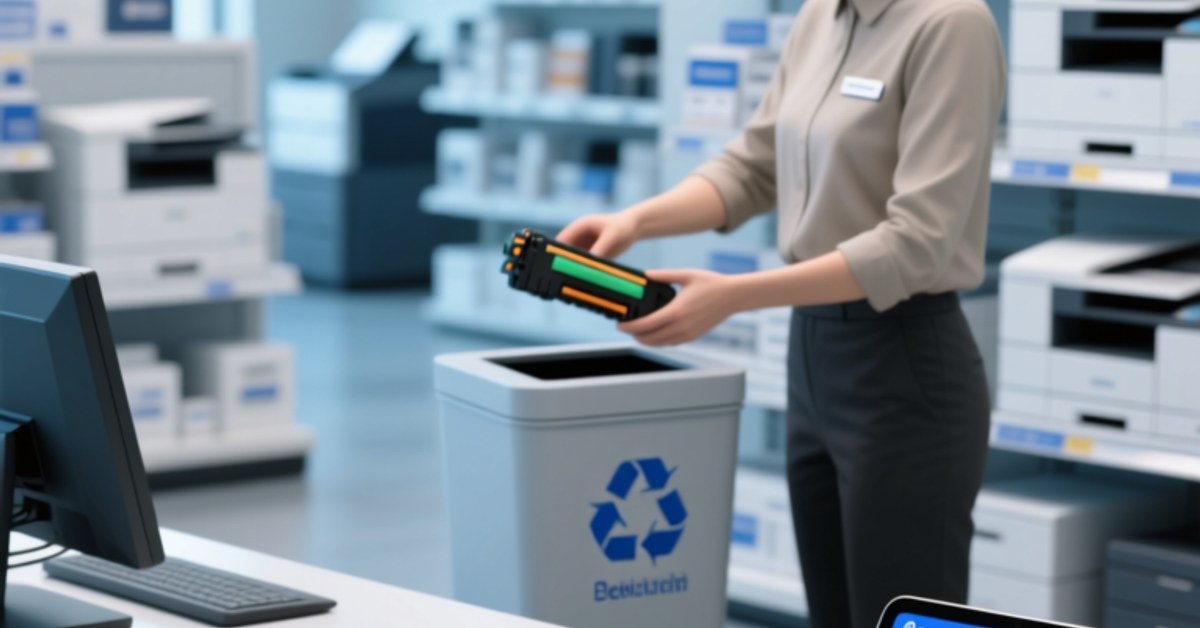
- Kuluttajat napauttavat NFC-yhteensopivaa DPP:tä puhelimella päästäkseen tuotetietoihin välittömästi, hoito-oppaat, ja kierrätysvaihtoehtoja. Tämä fyysinen silta lisää brändiuskollisuutta.
- Ota käyttöön myynnin jälkeiset datapäivitykset: palveluntarjoajia, kunnostajat, tai kierrättäjät voivat lisätä uusia merkintöjä DPP:hen (lupien alainen) käyttämällä samaa NFC-kosketuspistettä.
- Seuraa DPP:n käyttöanalytiikkaa saadaksesi käsityksen tuotteen elinkaaresta ja kiertokulusta.
EU:n ESPR-yhteensopivuuden tarkistuslista valmistajille
Käytä tätä tarkistuslistaa ohjataksesi DPP:n käyttöönottoa.
>
| Vaatimustenmukaisuusalue | Toimintakohteet | Status |
|---|---|---|
| Sääntelytietoisuus | Tunnista tuoteluokkiisi sovellettavat delegoidut säädökset. Seuraa EU:n ESPR-päivityksiä. | ☐ |
| Tietojen valmistelu | Kerää ja digitoi pakolliset tuotetiedot (materiaalin koostumus, kierrätettyä sisältöä, hiilijalanjälki). Yhdenmukaista ESAP-standardien kanssa. | ☐ |
| Ainutlaatuinen sarjointi | Määritä maailmanlaajuisesti yksilölliset tunnisteet tuoteyksikköä kohden. Rekisteröi etuliite GS1:lle tai akkreditoidulle liikkeeseenlaskijalle. | ☐ |
| NFC-tunnisteen valinta | Valitse tuotteeseen ja ympäristöön sopiva NFC-siru ja muotokerroin. Vahvista kestävyys ja lukualue. | ☐ |
| DPP-alusta | Valitse tai rakenna pilvi-/lohkoketju-DPP-tietovarasto, joka noudattaa EU:n tietosuojasääntöjä. | ☐ |
| Valmistuksen integrointi | Integroi NFC-koodaus tuotantolinjoihin. Suorita tunnisteen laaduntarkistukset. | ☐ |
| Toimitusketjun käyttöönotto | Tarjoa koulutusta ja yksinkertaisia skannaustyökaluja logistiikka- ja vähittäiskauppakumppaneille. | ☐ |
| Kuluttajien pääsy | Varmista, että DPP:tä voi käyttää älypuhelimen kosketuksella käyttäjäystävällisen käyttöliittymän ja monikielisen tuen avulla. | ☐ |
| Loppuelämän hallinta | Helpota tietojen talteenotto- ja purkamisohjeiden kierrätystä DPP:n kautta. | ☐ |
Yleisten toteutushaasteiden voittaminen
Valmistajat kohtaavat usein esteitä DPP:n käyttöönoton aikana. Näin NFC-tekniikka auttaa käsittelemään niitä:
- Vanhojen järjestelmien integrointi: NFC-tunnisteet voidaan ottaa käyttöön ilman olemassa olevien ERP-alustojen uudistamista. Yksinkertainen URL-uudelleenohjaus yhdistää fyysisen tuotteen ja digitaalisen passin.
- Tietojen tarkkuus: Automatisoitu NFC-koodaus valmistuspisteessä eliminoi manuaaliset tiedonsyöttövirheet.
- Huoli väärentämisestä: NFC-sirut kryptografisella todennuksella (ESIM., Väite 424 DNA) varmistaa, että vain aidoissa tuotteissa on todennettavissa oleva DPP.
- Skaalautuvuus: Meidän RFID/NFC-ratkaisut mittakaavassa pilottiprojekteista maailmanlaajuisiin käyttöönottoihin, kattaa miljoonia tuotteita.
Pysy EU:n ESPR:n edellä NFC-yhteensopivalla DPP:llä
NFC-tekniikan ottaminen käyttöön digitaalisessa tuotepassissa ei ole enää tulevaisuuden harkinta – se on tämän päivän ehdoton kaikille EU:ssa liiketoimintaa harjoittaville valmistajille.. Tekniikka on kypsää, kustannustehokas, ja luonnostaan yhteensopiva ESPR:n tuotteen läpinäkyvyyden vision kanssa. Seuraamalla tätä etenemissuunnitelmaa, organisaatiosi voi siirtyä vaatimustenmukaisuuden ahdistuksesta markkinoiden eriyttämiseen.
Syvempään sukeltamiseen liittyviin teknologioihin, tutustu resursseihimme Digitaaliset tuotepassiratkaisut ja NFC-lohkoketjun jäljitettävyys.
Faq
Mitä eroa on DPP:n NFC- ja QR-koodien välillä??
Molemmilla voi olla URL-osoite. Kuitenkin, NFC tarjoaa napauta ja mene -kokemuksen, voi sisältää kryptografisen todennuksen kloonauksen estämiseksi, ja on kestävämpi hämärässä tai likaisessa ympäristössä. Toisin kuin QR-koodit, NFC-tunnisteen yksilöllistä tunnusta ei voi kopioida, tarjoamalla luontaisia väärennösten vastaisia etuja.
Onko NFC DPP yhteensopiva EU ESPR:n kanssa?
ESPR ei edellytä tiettyä kantoaaltotekniikkaa; se edellyttää, että tuotepassi on saatavilla tietovälineen kautta. NFC -tunnisteet, kun se on linkitetty standardien mukaiseen DPP-alustaan, täyttävät täysin asetuksen tietojen saatavuusvaatimukset.
Kuinka paljon NFC DPP:n käyttöönotto tuotetta kohden maksaa?
Kustannukset vaihtelevat tunnistetyypin ja määrän mukaan. Perus NFC-tarrat voi maksaa vähemmän kuin $0.05 suurina määrinä, kun taas suojatut tunnisteet salauksella voivat olla hieman enemmän. Kokonaissijoitetun pääoman tuottoprosentti on positiivinen, kun otetaan huomioon väärennösten vähentäminen, parannettu kierrätys, ja lisää luottamusta brändiin.
Voidaanko NFC-tunnisteita käyttää uudelleen DPP-päivityksiin?
Kyllä, jos tunnisteen muisti on määritetty sallimaan uudelleenkirjoitustoiminnot. Kuitenkin, peukaloinnin havaitsevia skenaarioita varten, Suosittelemme, että kirjoitat pysyvän URL-osoitteen ja käsittelet kaikki päivitykset pilvipalvelussa isännöidyn DPP:n kautta, jota voidaan päivittää jatkuvasti muuttamatta tunnistetta.
Tarvitsevatko kuluttajat erityisen sovelluksen NFC DPP:iden lukemiseen??
Ei. Nykyaikaisin NFC-yhteensopiva älypuhelimet voi lukea tavallisia NFC-tunnisteita ilman lisäsovelluksia (iOS 14+ tai Android 5.0+). Puhelimen alkuperäinen selain avaa automaattisesti DPP-URL-osoitteen napauttamalla.
Faq
Mitä eroa on DPP:n NFC- ja QR-koodien välillä??
Molemmilla voi olla URL-osoite. Kuitenkin, NFC tarjoaa napauta ja mene -kokemuksen, voi sisältää kryptografisen todennuksen kloonauksen estämiseksi, ja on kestävämpi hämärässä tai likaisessa ympäristössä. Toisin kuin QR-koodit, NFC-tunnisteen yksilöllistä tunnusta ei voi kopioida, tarjoamalla luontaisia väärennösten vastaisia etuja.
Onko NFC DPP yhteensopiva EU ESPR:n kanssa?
ESPR ei edellytä tiettyä kantoaaltotekniikkaa; se edellyttää, että tuotepassi on saatavilla tietovälineen kautta. NFC -tunnisteet, kun se on linkitetty standardien mukaiseen DPP-alustaan, täyttävät täysin asetuksen tietojen saatavuusvaatimukset.
Kuinka paljon NFC DPP:n käyttöönotto tuotetta kohden maksaa?
Kustannukset vaihtelevat tunnistetyypin ja määrän mukaan. Perus NFC-tarrat voivat maksaa vähemmän kuin $0.05 suurina määrinä, kun taas suojatut tunnisteet salauksella voivat olla hieman enemmän. Kokonaissijoitetun pääoman tuottoprosentti on positiivinen, kun otetaan huomioon väärennösten vähentäminen, parannettu kierrätys, ja lisää luottamusta brändiin.
Voidaanko NFC-tunnisteita käyttää uudelleen DPP-päivityksiin?
Kyllä, jos tunnisteen muisti on määritetty sallimaan uudelleenkirjoitustoiminnot. Kuitenkin, peukaloinnin havaitsevia skenaarioita varten, Suosittelemme, että kirjoitat pysyvän URL-osoitteen ja käsittelet kaikki päivitykset pilvipalvelussa isännöidyn DPP:n kautta, jota voidaan päivittää jatkuvasti muuttamatta tunnistetta.
Tarvitsevatko kuluttajat erityisen sovelluksen NFC DPP:iden lukemiseen??
Ei. Useimmat nykyaikaiset NFC-yhteensopivat älypuhelimet voivat lukea tavallisia NFC-tunnisteita ilman lisäsovelluksia (iOS 14+ tai Android 5.0+). Puhelimen alkuperäinen selain avaa automaattisesti DPP-URL-osoitteen napauttamalla.
Valmiina rakentamaan NFC-yhteensopiva digitaalinen tuotepassi?
Ota yhteyttä NFCWORK-tekniikka tänään keskustellaksesi EU:n ESPR-vaatimustenmukaisuudestasi. Meidän RFIDHY tuotevalikoima tarjoaa täydellisen valikoiman NFC -tunnisteet, upotukset, ja koodausratkaisut räätälöity valmistusympäristöihin. Hanki ilmainen konsultaatio ja näytearviointi aloittaaksesi DPP-suunnitelmasi oikealla tiellä.