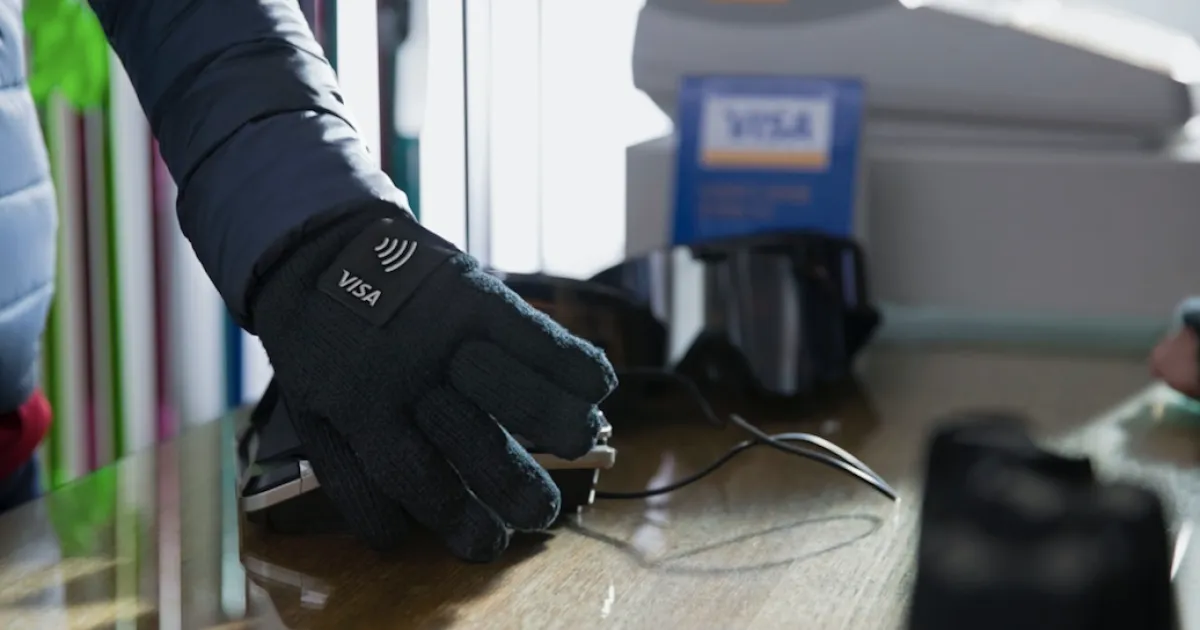
В опасных отраслях, таких как нефть и газ, безопасность труда не подлежит обсуждению. Еще, традиционные меры безопасности часто не оправдывают ожиданий в условиях повышенного риска. По данным OSHA, 20% смертельных случаев на рабочем месте происходят в строительстве, добыча полезных ископаемых, и добыча нефти — во многих случаях из-за запоздалого реагирования на чрезвычайные ситуации или несанкционированного доступа в зоны ограниченного доступа..
Носимые устройства с поддержкой NFC меняют протоколы безопасности. Путем внедрения NFC-теги в браслеты, шлемы, и значки, предприятия могут контролировать местонахождение работников, запускать мгновенные оповещения, и получить доступ к критически важным медицинским данным во время чрезвычайных ситуаций. В этом руководстве рассматриваются технологии, требования соответствия, и реальное влияние носимых устройств NFC в опасных средах.
1.Как работают носимые устройства NFC: Обзор технологии
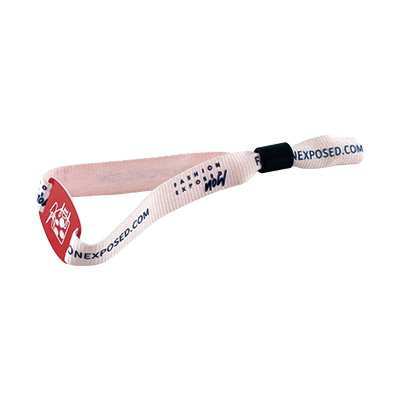
a.Браслеты NFC со встроенными метками
Как это работает:
- Сотрудники носят браслеты или значки с поддержкой NFC..
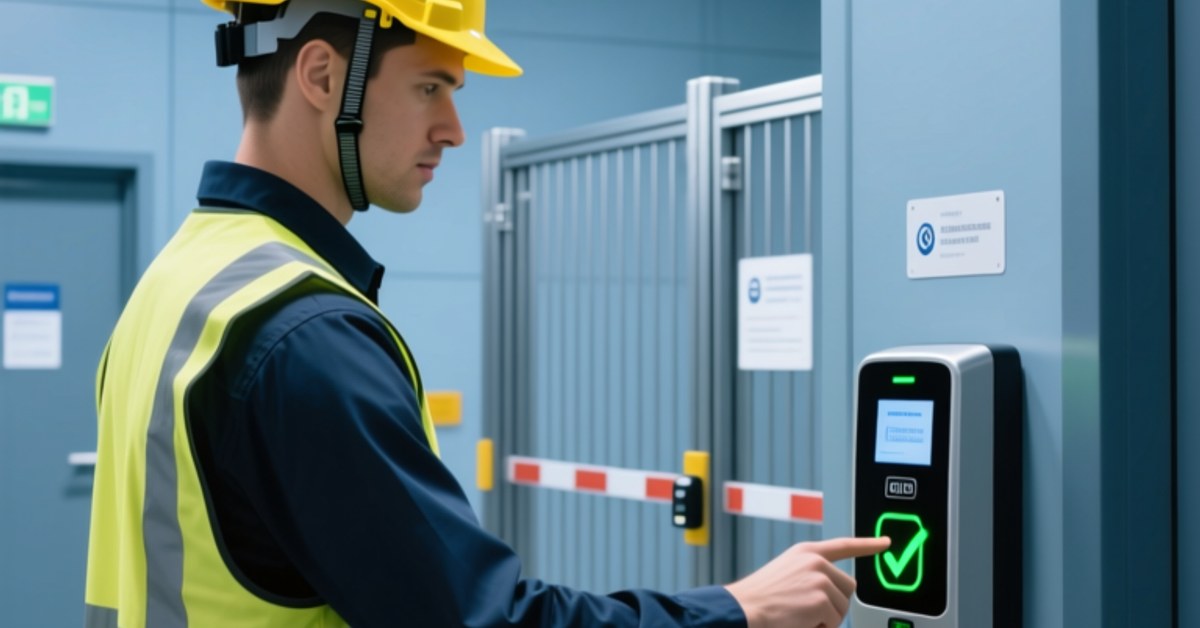
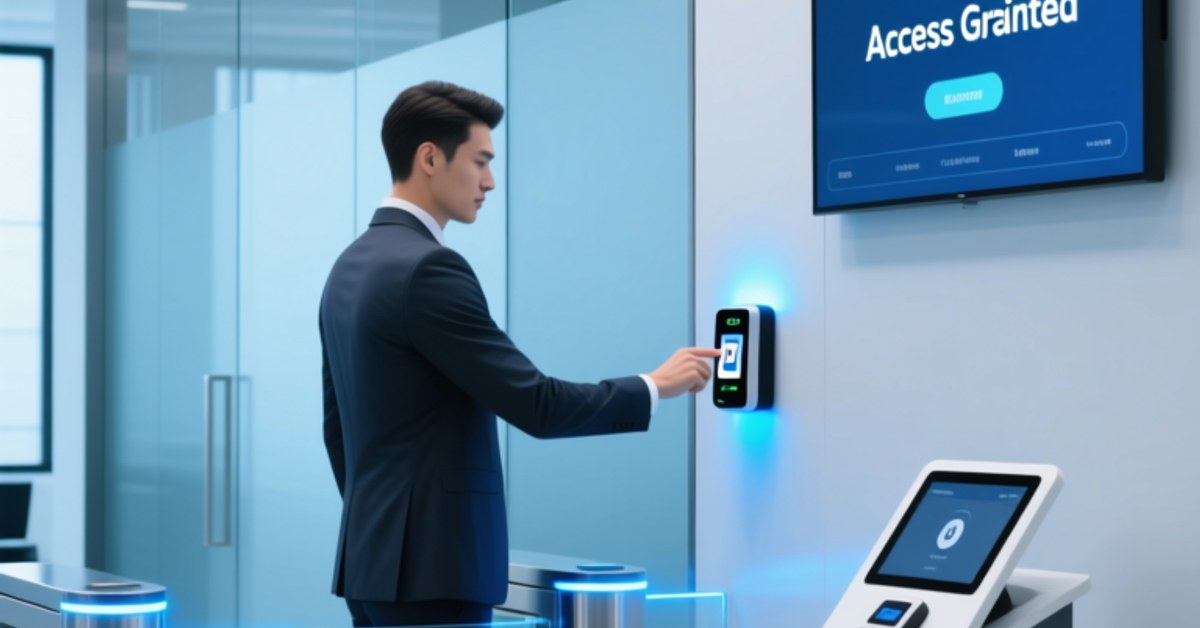
- Считыватели на входах в зону сканируют метки для проверки прав доступа..
- Оповещения срабатывают, если посторонний персонал входит в зоны ограниченного доступа.
Ключевые функции:
- Отслеживание местоположения в реальном времени: Определяет местонахождение работников внутри 10 точность см.
- Аварийное хранение данных: Сохраняет группу крови, аллергия, и экстренные контакты.
б. Интеграция опасных зон
Как это работает:
- Считыватели NFC установлены в опасных зонах (НАПРИМЕР., буровые площадки, химическое хранилище).
- Теги связываются с читателями, чтобы регистрировать время входа/выхода и контролировать пределы воздействия..
2.Ключевые особенности носимых устройств с поддержкой NFC
а. Оповещения о зонах ограниченного доступа
Проблема: Несанкционированный доступ в зоны повышенного риска приводит к 15% промышленных аварий (OSHA).
Решение: Считыватели NFC на входах в зоны вызывают тревогу при входе непомеченного персонала..
Пример:
Нефтеперерабатывающий завод в Техасе сократил количество случаев несанкционированного доступа на 60% использование бейджей с поддержкой NFC.
б. Экстренный доступ к данным
Проблема: Запоздалая медицинская помощь усугубляет травмы 30% случаев (НИОШ).
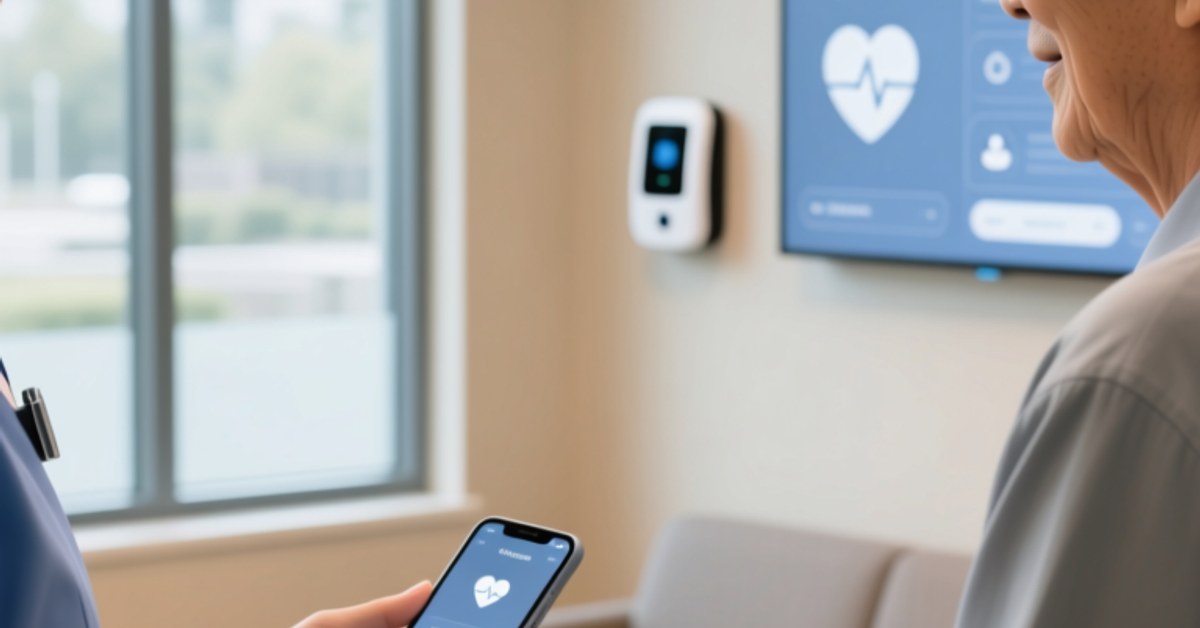
Решение: Службы экстренного реагирования сканируют браслеты NFC, чтобы получить доступ:
- Группа крови.
- Аллергия.
- Экстренные контакты.
Пример:
Горнодобывающая компания в Австралии сократила время реагирования на чрезвычайные ситуации на 40% использование носимых устройств NFC.
c. Мониторинг воздействия
Проблема: Длительное воздействие токсинов или радиации приводит к долгосрочным проблемам со здоровьем..
Решение: NFC-теги регистрируйте продолжительность воздействия и предупреждайте работников при достижении пределов.
3.Согласие: Сертификация ATEX и IECEx
а.Директива ATEX (Евросоюз)
Что это такое: Обеспечивает безопасность оборудования для использования во взрывоопасных средах..
Требования NFC:
- Метки и считыватели должны выдерживать экстремальные температуры и давления..
- Искробезопасные материалы для нефтегазовой среды..
б. Сертификация IECEx (Глобальный)
Что это такое: Международный стандарт безопасности взрывоопасной среды.
Требования NFC:
- Класс гидроизоляции IP68..
- Устойчивая к электромагнитным помехам конструкция для предотвращения помех.
Для чаевого: Выбирайте носимые устройства NFC с двойной сертификацией ATEX/IECEx для работы по всему миру..
4.Тематическое исследование: 40% Меньше инцидентов, связанных с безопасностью на нефтяном месторождении
Проблема: Опыт работы на нефтяном месторождении в Северном море 12 инцидентов безопасности ежегодно, включая несанкционированный вход в зону и задержку реагирования на чрезвычайные ситуации.
Решение:
- Всем выдали браслеты с поддержкой NFC 500 рабочие.
- Установленные считыватели в опасных зонах.
Результаты (12 Месяцы):
- Инциденты, связанные с безопасностью, сократились 40%.
- Время реагирования на чрезвычайные ситуации улучшено за счет 35%.
- Достигнуто полное соответствие нормам безопасности ЕС..
Источник: Внутренний отчет Offshore Energy Solutions (2024).
5.Окупаемость носимых устройств NFC в опасных отраслях
| Показатель | Перед NFC | После NFC |
| Инциденты безопасности | 12/год | 7/год (-40%) |
| Время реагирования на чрезвычайные ситуации | 8 минуты | 5 минуты (-35%) |
| Штрафы за соблюдение требований | $50,000/год | $0 |
| Ежегодная экономия | $0 | $120,000+ |
Источник: Анализ затрат на безопасность OSHA и NIOSH (2023).
👇 Нажмите, чтобы запросить:
[Запросите браслеты безопасности с поддержкой NFC]
Почему носимые устройства NFC — это будущее промышленной безопасности?
От оповещений об опасностях в режиме реального времени до мгновенного доступа к медицинским данным, Носимые устройства NFC позволяют предприятиям защищать работников, соблюдая при этом строгие стандарты безопасности.. В отраслях повышенного риска, эта технология — не просто модернизация, это спасательный круг.