Переход на единое рабочее место
Корпоративные предприятия и руководители ИТ-отделов вынуждены упростить вход сотрудников в здания., использовать общие сервисы, и двигаться в течение рабочего дня. Традиционные установки часто требуют нескольких учетных данных.: бесконтактная карта для дверей, бумажный пропуск для посетителей, отдельный идентификатор для печати, и еще одна карта для оплаты столовой. Эта фрагментация создает административные издержки и бреши в безопасности..
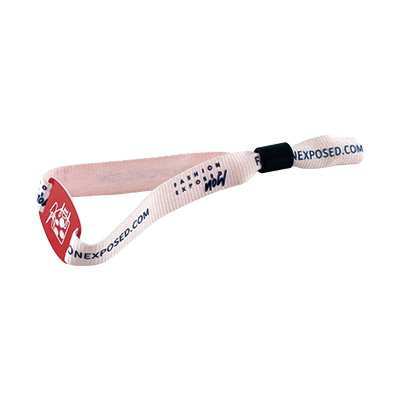
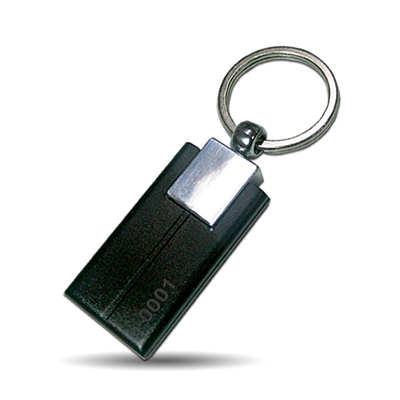
Анонца Значок сотрудника NFC объединяет эти функции в одном бесконтактном удостоверении личности. Построен на технологии HF/NFC., бейдж работает с современными считывателями доступа, системы управления посетителями, терминалы учета рабочего времени, и многие услуги на рабочем месте. Потому что его можно прочитать с помощью NFC. смартфоны а также фиксированные ридеры, это также открывает возможности для цифровой адаптации, активация временных учетных данных, и рабочие процессы идентификации в одно касание.
Для отделов закупок и эксплуатации, одиночный доступ к смарт-ID-карте программа может уменьшить перевыпуск, упростить адаптацию подрядчика, и улучшить качество работы сотрудников, не требуя полного ремонта существующей дверной фурнитуры. В то же время, выбор правильной конструкции бейджа, чип-платформа, метод кодирования, и путь интеграции определяет, останется ли развертывание безопасным и масштабируемым..
Как бейджи сотрудников NFC работают в современном контроле доступа
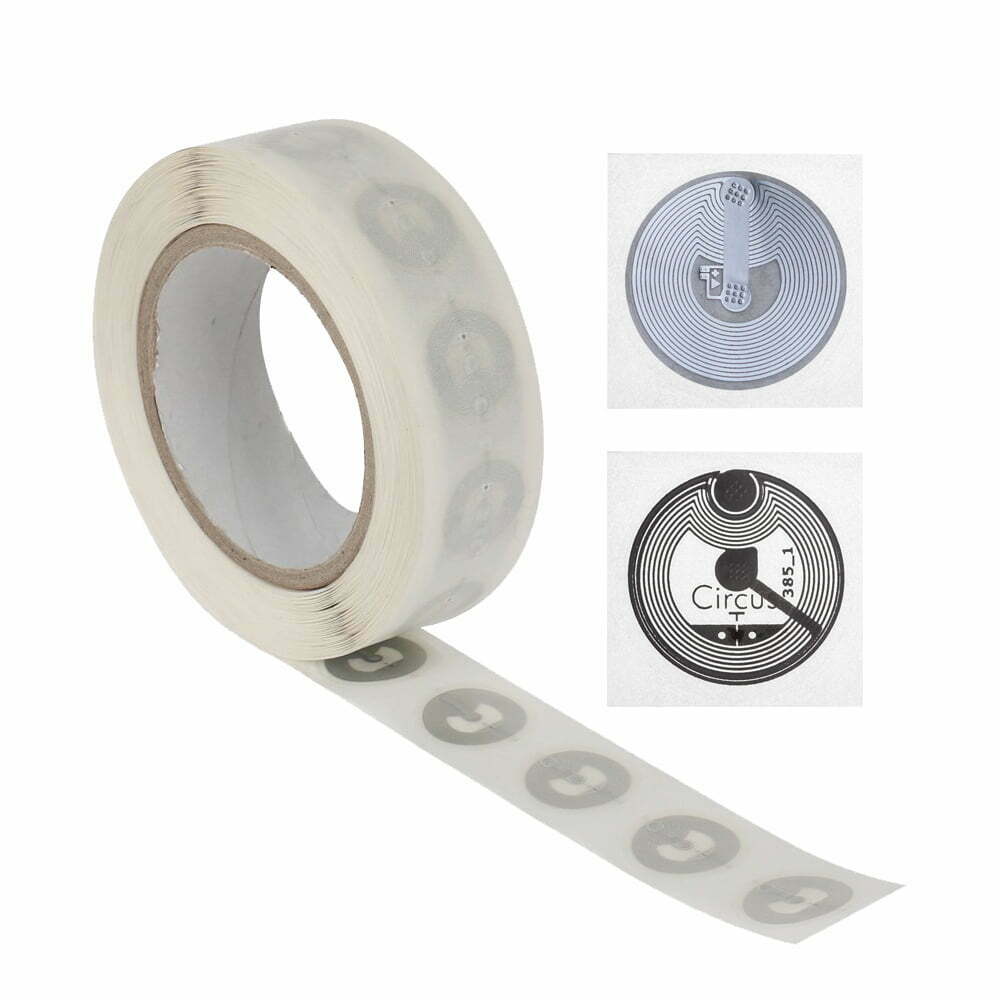
Бейджи сотрудников NFC обычно работают по адресу: 13.56 МГц и соответствуют стандарту ISO 14443 или ИСО 15693 стандарты. Они содержат пассивную интегральную схему и антенну, встроенную в ПВХ., композитный, или корпус карты из поликарбоната. При поднесении к считывающему устройству с поддержкой NFC или современному смартфону, бейдж получает энергию из поля считывателя и обменивается зашифрованными или открытыми данными в зависимости от конфигурации чипа и системы..
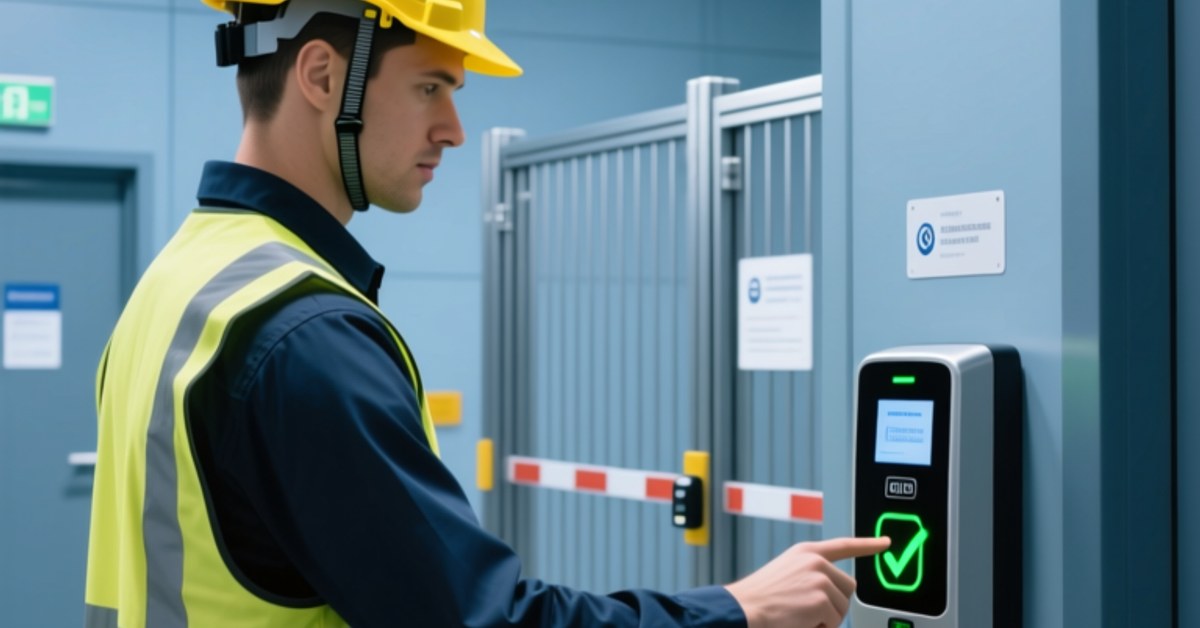
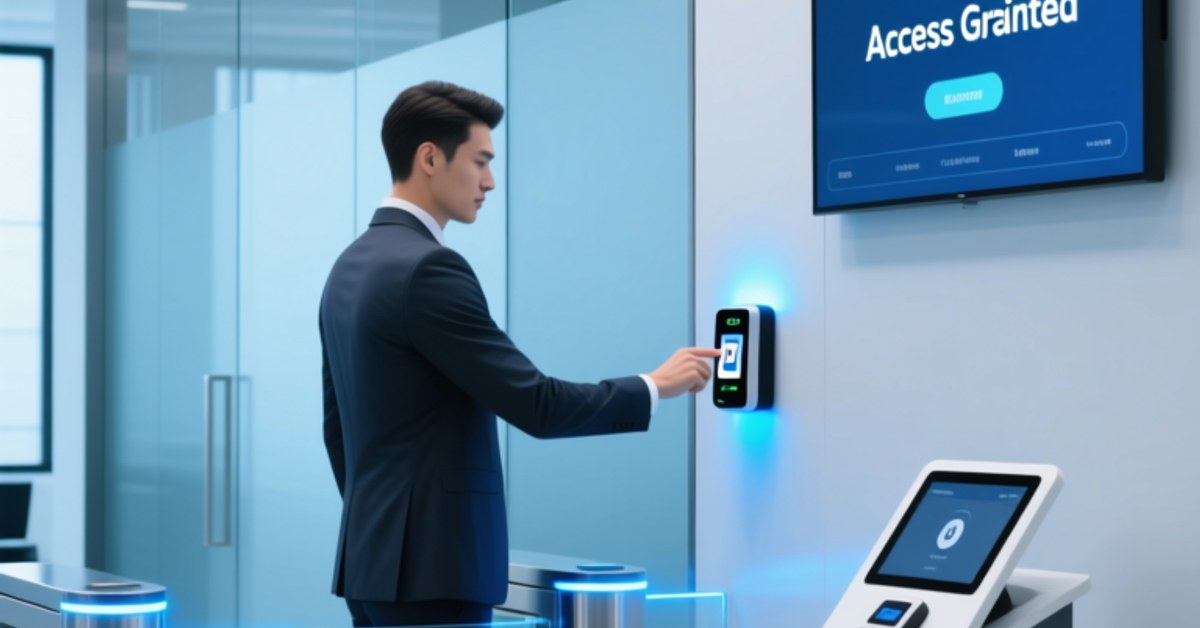
В офисе, настенные считыватели у дверей, турникеты, лифты, и парковочные ворота могут быть интегрированы с системой контроля физического доступа.. фиксированный RFID Reader или панель считывателя NFC отправляет идентификатор бейджа на контроллер, который проверяет доступ на основе расписаний, зоны, и уровни допуска. Один и тот же значок может поддерживать взаимную аутентификацию и различные ключи для предотвращения клонирования..
Общий контроль доступа в офис NFC точки интеграции включают в себя:
- Считыватели входных дверей в вестибюлях, офисы, и ограниченные этажи
- Турникеты и турникеты на входах в кампус
- Панели управления лифтом для ограничения уровня этажа
- Парковочные барьеры для доступа транспортных средств
- Двери серверных помещений и центров обработки данных с многофакторными требованиями
Интеграция контроля доступа без замены существующей инфраструктуры
Одна из общих проблем заключается в том, приведет ли внедрение значков NFC к массовой замене считывателей.. Во многих случаях, это не так. Многие существующие 13.56 Считыватели МГц уже поддерживают MIFARE DESFire, МИФАРЕ Классик, или другие NFC-совместимые чипы. Если текущая система доступа использует устаревшие низкочастотные 125 бесконтактные карты кГц, может потребоваться поэтапная миграция, но этот переход можно запланировать, сначала добавив считыватели с поддержкой NFC к критически важным дверям..
Интеграция часто осуществляется через API поставщика PACS или стандартные протоколы.. Программное обеспечение контроля доступа сохраняет серийный номер карты или идентификатор приложения и связывает его с записью сотрудника.. При вручении бейджа сотруднику, система проверяет разрешения. Для организаций с несколькими зданиями или смешанным парком считывателей, Централизация удостоверений в одном каталоге упрощает управление жизненным циклом бейджей..
Внутренние ресурсы могут помочь командам оценить варианты: обзор NFC-карты и метки и умные решения на рабочем месте перед выбором формата учетных данных.
Преимущества дизайна бейджей без батареек
Ключевым преимуществом бейджей сотрудников NFC является то, что они пассивны и не требуют батареи.. В отличие от активного RFID -теги или бейджи с поддержкой Bluetooth, для которых требуются батарейки., Смарт-карты NFC не требуют внутреннего источника питания.. Это имеет прямые эксплуатационные выгоды:
- Снижение совокупной стоимости владения: Без замены батареи, зарядные станции, или выброшенные батарейки.
- Более длительный срок службы: Значок остается работоспособным до тех пор, пока чип и антенна физически не повреждены..
- Никаких неожиданных сбоев: Бейдж на батарейках может выйти из строя у двери; пассивный бейдж работает, пока считыватель включен.
- Тонкий и прочный форм-фактор: Карты без батареи могут быть тонкими, для печати, и совместим с существующими держателями идентификационных бейджей.
- Более легкая устойчивость: Меньше расходных материалов и электронных отходов способствуют достижению корпоративных целей в области устойчивого развития.
Для руководителей зданий, бейджи без батареи также означают меньше обращений в службу поддержки, связанных с неработающими учетными данными.. Надежность пассивной технологии NFC делает ее подходящей для входов сотрудников с интенсивным движением и для бейджей подрядчиков, которые могут не использоваться неделями..
>
| Способность | Значок NFC без батареи | Активный бейдж на батарейке |
|---|---|---|
| Источник питания | Поле чтения | Внутренняя батарея |
| Бремя обслуживания | Минимальный | Замена или подзарядка аккумулятора |
| Типичный диапазон чтения | Бесконтактный, короткий или средний | Может быть больший радиус действия |
| Лучше всего подходит | Доступ к двери, идентификатор сотрудника, пропуска для посетителей | Отслеживание местоположения на большом расстоянии или зондирование в режиме реального времени |
Материалы карточек и форм-фактор бейджей сотрудников
Команды предприятий часто упускают из виду физический дизайн значка.. Для ежедневного использования, выбирайте корпуса карт, которые выдерживают частое обращение, использование шнурка, и периодическое воздействие влаги или тепла. ПВХ, ДОМАШНИЙ ПИТОМЕЦ, и композитные карты из поликарбоната распространены. Для ремешков может потребоваться прорезь или зажим.. Для подрядчиков, прочные композитные корпуса могут снизить уровень замены.
Если одни и те же учетные данные используются для печати или визуального удостоверения личности, убедитесь, что поверхность карты поддерживает высококачественную печать. Многие организации объединяют NFC-чипы с фотографиями сотрудников, отделы, и контактную информацию для экстренных случаев. Процесс персонализации с предварительной печатью или собственными силами следует определить заранее, поскольку он влияет на выбор карточек и расходных материалов для принтера..
Использование смартфонов в качестве дополнительных учетных данных
Потому что бейджи NFC созданы по той же технологии, что и многие другие бейджи с поддержкой NFC. смартфоны, у организаций есть возможность распространить идентификацию на кошельки с мобильным доступом. Программа на основе бейджей не требует немедленного перехода на телефоны, но при желании базовый формат учетных данных можно выбрать для поддержки будущего мобильного доступа.. Для входов в помещения, где сотрудники уже носят с собой свои телефоны, это может уменьшить зависимость от значков. Однако, физические бейджи остаются важными для посетителей, подрядчики, места, где телефоны запрещены, и в качестве визуально идентифицируемого удостоверения личности.
Более подробно этот гибридный подход обсуждается на странице Смартфон с поддержкой NFC страница.
Управление посетителями и подрядчиками
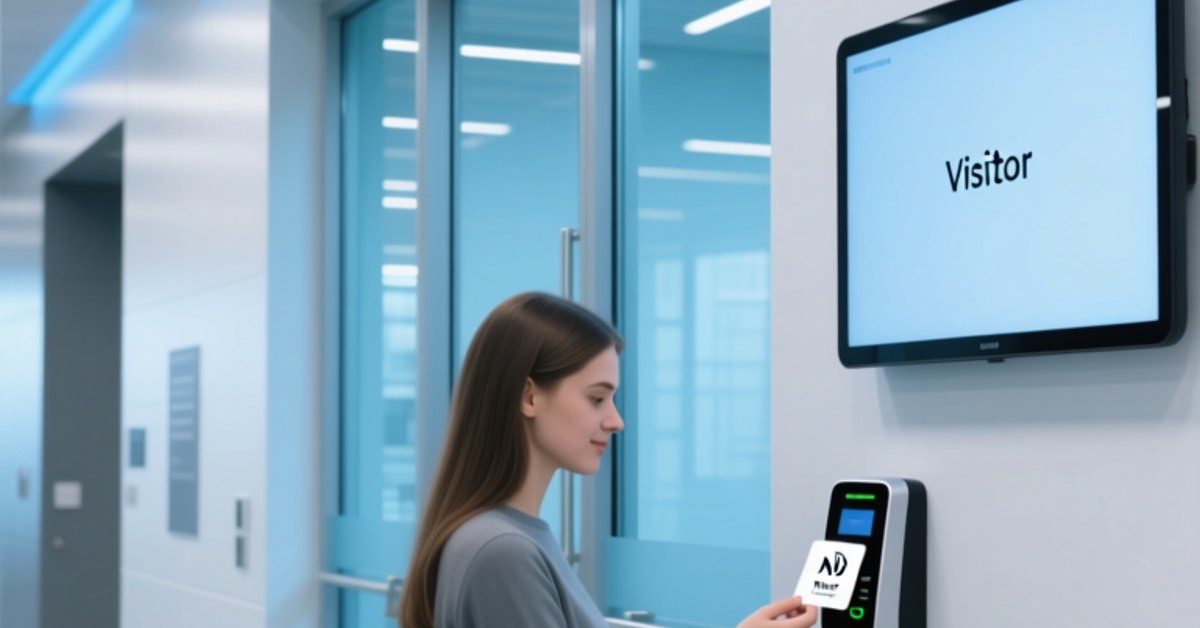
Управление посетителями и подрядчиками остается одним из самых слабых мест во многих программах обеспечения безопасности офисов.. Бумажные журналы посещений, рукописные значки, а ручное сопровождение трудно проверить и трудно масштабировать по всему кампусу.. Программа значков сотрудников NFC может быть расширена до временных учетных данных для посетителей., продавцы, и подрядчики. Когда управление бейджами посетителей полностью цифровой, сотрудники стойки регистрации могут выдавать и отзывать пропуска без необходимости ведения журналов вручную..
Упрощение регистрации посетителей с помощью NFC-значков
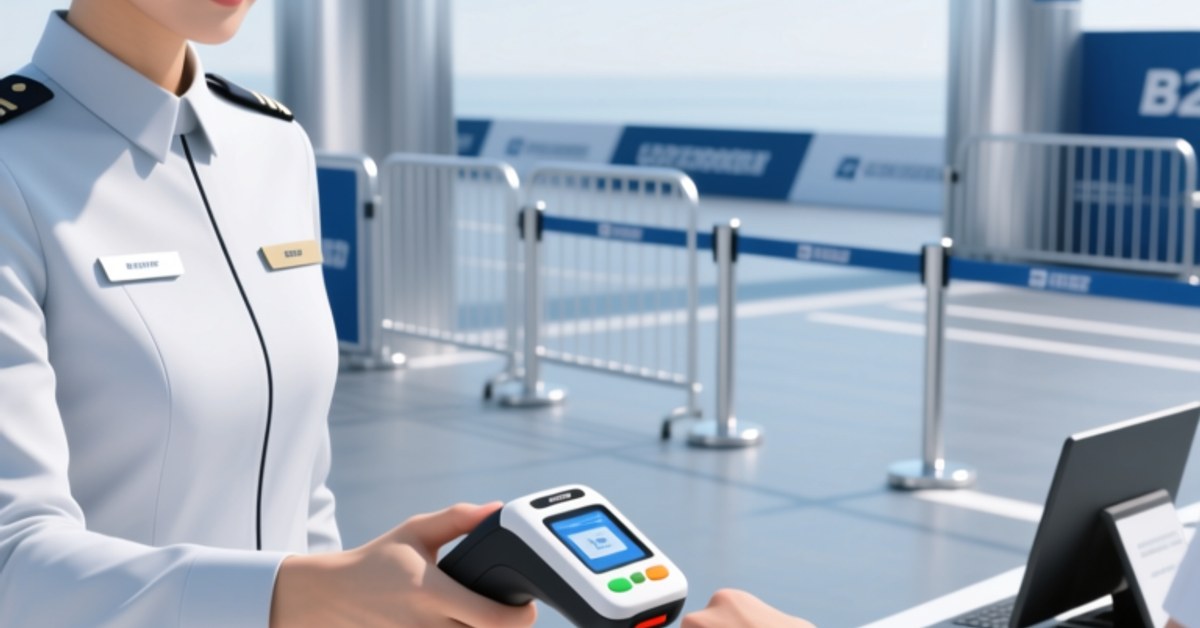
Система управления посетителями может использовать рабочий стол RFID Reader или считыватель NFC на стойке регистрации для кодирования временного бейджа при прибытии посетителя. Данные предварительной регистрации из системы управления посетителями могут быть привязаны к серийному номеру бейджа., позволяя сотрудникам стойки регистрации выдать бейдж за считанные секунды. Тот же значок можно запрограммировать с помощью:
- Действительные временные окна входа и выхода
- Доступ на определенные этажи, конференц-залы, и общие пространства
- Уведомление принимающей стороны-сотрудника о прибытии посетителя
- Автоматическое истечение срока действия в конце посещения
Потому что значок пассивный, посетители не могут случайно отключить его, выключив Bluetooth или разрядив аккумулятор.. Посетитель просто предъявляет карту назначенным считывателям.. В конце дня, бейдж возвращается в приемную или навсегда деактивируется для разовых посетителей.
Подрядчик и временный контроль доступа
Подрядчикам часто требуется более широкий доступ, чем разовым посетителям., но их доступ все равно должен быть ограничен, отзывной, и проверяемый. Многофункциональный значок NFC для подрядчиков может включать в себя определенные зоны., ограничения по времени, и статус безопасности или соответствия. Если задание подрядчика заканчивается, запись личности может быть отозвана централизованно, и значок больше не будет предоставлять доступ.
Для бригад объектов, использование одной и той же инфраструктуры учетных данных для сотрудников и подрядчиков снижает необходимость поддерживать отдельную систему временных бейджей.. Это также создает последовательный контрольный журнал.. Когда субподрядчик перемещается между этажами или проектными зонами, политика доступа соответствует бейджу.
Многофункциональный значок: Одна карта, Множество применений
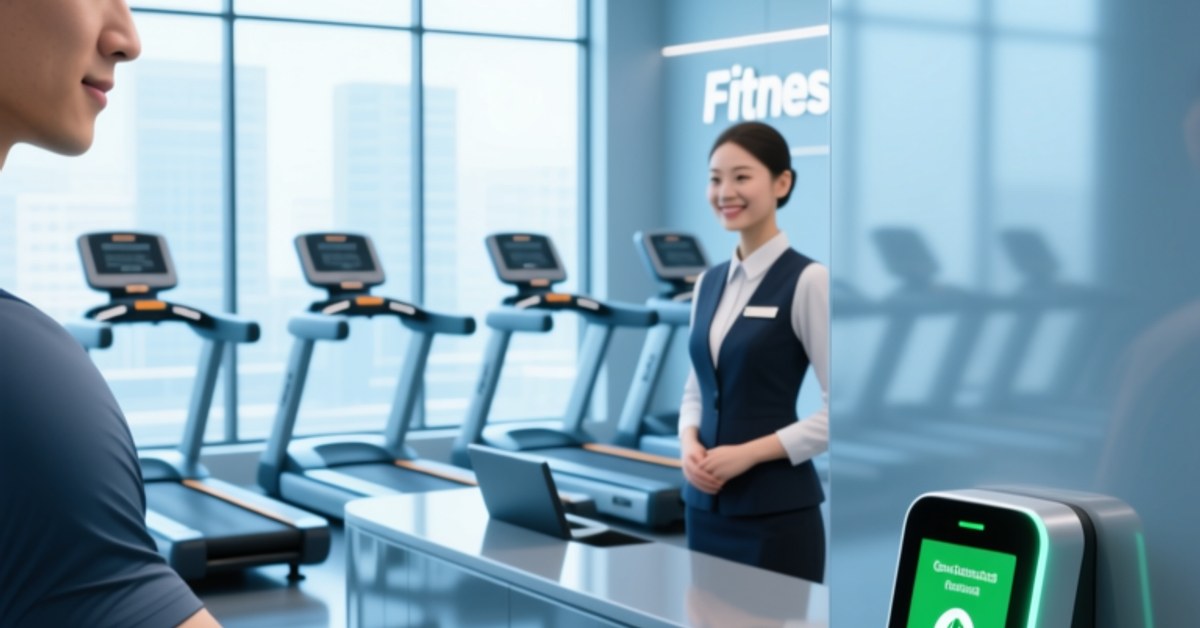
Наивысшая ценность бейджа сотрудника NFC проявляется тогда, когда его рассматривают как удостоверение личности для нескольких приложений, а не просто как дверной ключ.. Менеджеры предприятий и ИТ-менеджеры могут постепенно добавлять услуги на рабочих местах после того, как основа контроля доступа станет стабильной..
Типичное многоцелевое использование включает в себя:
>
| Сервис на рабочем месте | Вариант использования значка NFC |
|---|---|
| Физический доступ | Двери, турникеты, лифты, стоянка |
| Время и посещаемость | Вводные/отводные клеммы на рабочих местах |
| Логический доступ | вход в ПК, VPN, освобождение принтера при сопряжении с PKI или SSO |
| Кафетерий и вендинг | Безналичный расчет или баланс плана питания |
| Конференц-залы | Подтверждение бронирования и регистрация панели номера |
| зарядка электромобилей | Аутентификация сотрудников на зарядных станциях |
На практике, одна карта и множество применений требуют тесной координации между службами здания, безопасность, и ИТ. Общая архитектура использует PACS в качестве авторитетного источника доступа к дверям и платформы управления идентификацией для других служб.. Чип значка может содержать несколько приложений., но серверная система определяет, что может делать каждая служба.. Это обеспечивает централизованный отзыв: когда сотрудник уходит, все службы останавливаются одновременно.
Для организаций с временной или аутсорсинговой рабочей силой, значок многоцелевого применения также может быть выдан в качестве удостоверения подрядчика с ограниченными функциями.. Например, подрядчик общественного питания может получить доступ к служебным лифтам и определенному этажу в определенные часы, плюс безналичный расчет в столовой, если это разрешено. Один и тот же значок не предоставляет доступ к несвязанным зданиям..
Рекомендации по развертыванию для предприятий и ИТ-команд
Успешное внедрение бейджей сотрудников NFC — это больше, чем просто выбор карты и устройства чтения.. Это требует согласованности в вопросах безопасности., удобства, HR, и ИТ. Следующие соображения помогут снизить риск и избежать переделок..
1. Определение технологии учетных данных и требований безопасности
Выберите NFC-чип платформа, которую поддерживают ваши нынешние или будущие читатели. Общие соображения включают размер памяти чипа., поддержка шифрования, и будет ли бейдж хранить только серийный номер или дополнительные данные, такие как цифровые учетные данные офиса.. Для объектов повышенной безопасности, выбирайте чипы, поддерживающие взаимную аутентификацию и разнообразные ключи, а не полагайтесь только на серийный номер карты..
2. Планирование рабочих процессов регистрации и кодирования
Персонализацию можно выполнить самостоятельно с помощью настольного RFID-считывателя и программного обеспечения для печати бейджей., или через службу предварительно закодированных бейджей. При использовании внешнего бюро, определить, как передаются данные о сотрудниках, как серийные номера карт импортируются в систему доступа, и как проверяется контроль качества. Для бейджей посетителей и подрядчиков, убедитесь, что на стойке регистрации есть простой, повторяемый процесс кодирования.
3. Пилотный проект перед полным внедрением
Начните с одного здания, один этаж, или небольшая группа сотрудников. Проверка производительности читателя, ориентация значка, Эффекты ремешка и держателя, и задержка системы. Пилотный проект также помогает выявить крайние случаи, такие как считыватели с двойной технологией., доступ к воротам, и интеграция лифтов. Используйте пилотный проект для усовершенствования внутренних учебных материалов, прежде чем расширять его на территории кампуса..
4. Наладьте управление отзывом и жизненным циклом
Утерянные или украденные значки должны быть немедленно отозваны.. Программное обеспечение контроля доступа должно позволять сотрудникам отдела кадров или службы безопасности отключать бейджи и выдавать замену, не затрагивая другие службы.. Четкий жизненный цикл учетных данных — запрос, утвердить, кодировать, назначать, приостановить, возобновлять, отзыв — обеспечивает возможность аудита системы и уменьшает количество потерянных учетных записей..
5. Конфиденциальность адреса и общение сотрудников
Поскольку бейджи NFC могут поддерживать несколько услуг, быть прозрачным в отношении того, какие данные хранятся и как они используются. Сообщите, хранит ли бейдж только идентификатор или дополнительные персональные данные.. Для мест, где сотрудники могут быть обеспокоены взаимодействием с помощью смартфона., уточнить, что бейджи сотрудников NFC не передают данные, если они не представлены читателю.
6. Избегайте распространенных ошибок при развертывании
Несколько проблем могут сорвать надежное в других отношениях развертывание значков NFC.:
- Пропуск опроса на сайте читателей: Существующие модели дверных контроллеров и считывателей могут не поддерживать выбранный чип NFC..
- Использование серийного номера карты в качестве единственной проверки безопасности: Серийные номера могут быть клонированы.. Используйте безопасную аутентификацию там, где задействованы области высокого риска..
- Кодирование всех приложений, прежде чем контроль доступа станет стабильным: После того как физический доступ работает надежно, добавлять услуги становится проще..
- Пренебрежение общением сотрудников: Непонимание того, как и где использовать значок, может увеличить нагрузку на службу поддержки..
- Относиться к бейджам посетителей и подрядчиков как к второстепенной мысли: Временные учетные данные требуют того же контроля жизненного цикла, что и бейджи сотрудников..
Экономическое обоснование использования бейджей сотрудников NFC
Руководителям предприятий и ИТ-менеджерам часто приходится обосновывать переход от устаревших бейджей.. Самый сильный аргумент – операционная эффективность., улучшение безопасности, и более низкая стоимость жизненного цикла учетных данных. Вместо того, чтобы сосредотачиваться только на цене оборудования, оценить общую стоимость в течение трех-пяти лет. Бейджи без батареек исключают замену батареек и сокращают количество повторных выпусков., а объединение нескольких учетных данных в один значок снижает административную сложность..
Практический бизнес-кейс включает в себя:
- Сокращенная поддержка на рабочем месте в случае утерянных или сломанных бейджей.
- Ускоренная обработка посетителей на стойке регистрации
- Улучшенный контрольный журнал для подрядчиков и временный доступ
- Убрана стоимость отдельного питания, распечатать, и парковочные карты
- Меньше ручных вмешательств для отключения и отзыва доступа.
От фрагментированных учетных данных к одному Smart ID
Корпоративные офисы отходят от отдельных бесконтактных карт, бумажные пропуска для посетителей, и одноцелевые значки. Значок сотрудника NFC обеспечивает практический путь к единой NFC-идентификация на рабочем месте что повышает безопасность, снижает административную нагрузку, и поддерживает повседневные операции: от доступа к двери до оплаты обеда. Сосредоточив внимание на дизайне бейджей без батареи, интеграция с существующим контролем доступа, управление посетителями и подрядчиками, и готовность к работе с несколькими приложениями, предприятия и ИТ-менеджеры могут развернуть систему, которая масштабируется вместе с организацией.
Часто задаваемые вопросы
Достаточно ли безопасны бейджи сотрудников NFC для доступа в офис??
Да, при реализации с шифрованием и правильной политикой доступа. Выбирайте чипы бейджей, поддерживающие взаимную аутентификацию, и используйте систему контроля физического доступа, проверяющую различные ключи.. Не полагайтесь только на серийные номера в зонах с высоким уровнем безопасности..
Работают ли значки NFC с существующими устройствами чтения карт??
Многие современные 13.56 Считыватели МГц уже поддерживают NFC-совместимые бейджи. Если ваша текущая система использует устаревшие 125 бесконтактные карты кГц, может потребоваться поэтапное обновление считывателя. Опрос сайта позволит выявить пробелы в совместимости.
Может ли срок действия бейджей посетителей истекать автоматически??
Да. Временные бейджи можно запрограммировать с ограничениями по дате и времени.. Как только окно доступа пройдет, PACS отказывает во входе, даже если физический бейдж сохраняется.
Можно ли использовать один значок NFC для парковки?, печать, и оплата столовой?
Да. Многофункциональный NFC-значок можно разделить для физического доступа., время и посещаемость, логический доступ, и услуги хранения ценностей. Спланируйте структуру памяти чипа перед развертыванием, чтобы упростить будущее расширение..
Что происходит, когда сотрудник теряет бейдж?
Бедж можно немедленно отозвать в системе контроля доступа и выдать замену без замены физической дверной фурнитуры.. Это защищает объект от несанкционированного использования, не мешая другим сотрудникам..
Требуют ли зарядки NFC-значки без батареек??
Нет. Пассивные бейджи NFC черпают энергию из поля считывателя, поэтому им не нужны батарейки или зарядка. Это сокращает объем технического обслуживания и исключает простои из-за разряженных аккумуляторов..
Модернизируйте доступ к своему рабочему месту с помощью NFC
Технология NFCWORK помогает корпоративным предприятиям и интеграторам разрабатывать практичные программы NFC для сотрудников, начиная с контроля доступа и заканчивая управлением посетителями и многопользовательской идентификацией..
- Руководство по развертыванию смарт-карты ID без батареи
- Читатель, карта, и поддержка совместимости кодировок
- Масштабируемые рабочие процессы с учетными данными посетителей и подрядчиков
Поговорите с нашей командой о проекте NFC-идентичности вашего рабочего места. или исследовать NFC-продукты.