In gevaarlijke industrieën zoals olie en gas, De veiligheid van werknemers is niet onderhandelbaar. Nog, Traditionele veiligheidsmaatregelen schieten vaak tekort in omgevingen met een hoog risico. Volgens OSHA, 20% van sterfgevallen op de werkvloer voorkomen in de bouw, mijnbouw, en oliewinning – veelal als gevolg van vertraagde noodhulp of ongeautoriseerde toegang tot beperkte zones.
Wearables met NFC-functionaliteit transformeren veiligheidsprotocollen. Door inbedden NFC-tags in armbanden, helmen, en insignes, Bedrijven kunnen de locaties van werknemers monitoren, activeer onmiddellijke waarschuwingen, en toegang krijgen tot cruciale medische gegevens tijdens noodsituaties. Deze gids verkent de technologie, nalevingsvereisten, en de reële impact van NFC-wearables in gevaarlijke omgevingen.
1.Hoe NFC-wearables werken: Technologieoverzicht
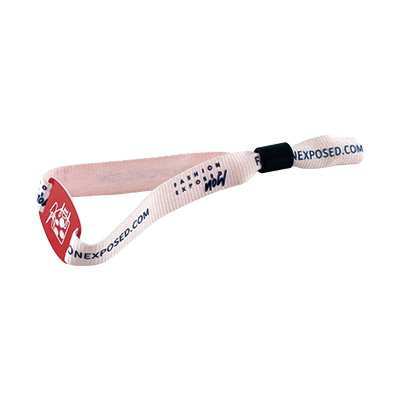
a.NFC-armbanden met ingebedde tags
Hoe het werkt:
- Werknemers dragen NFC-armbanden of -badges.
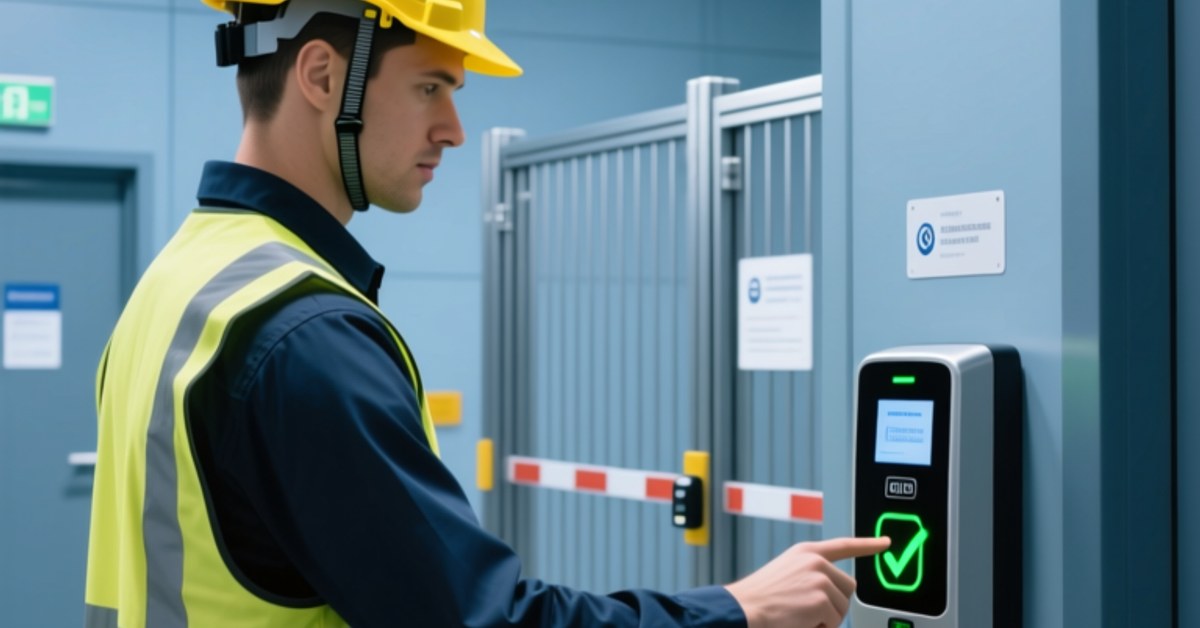
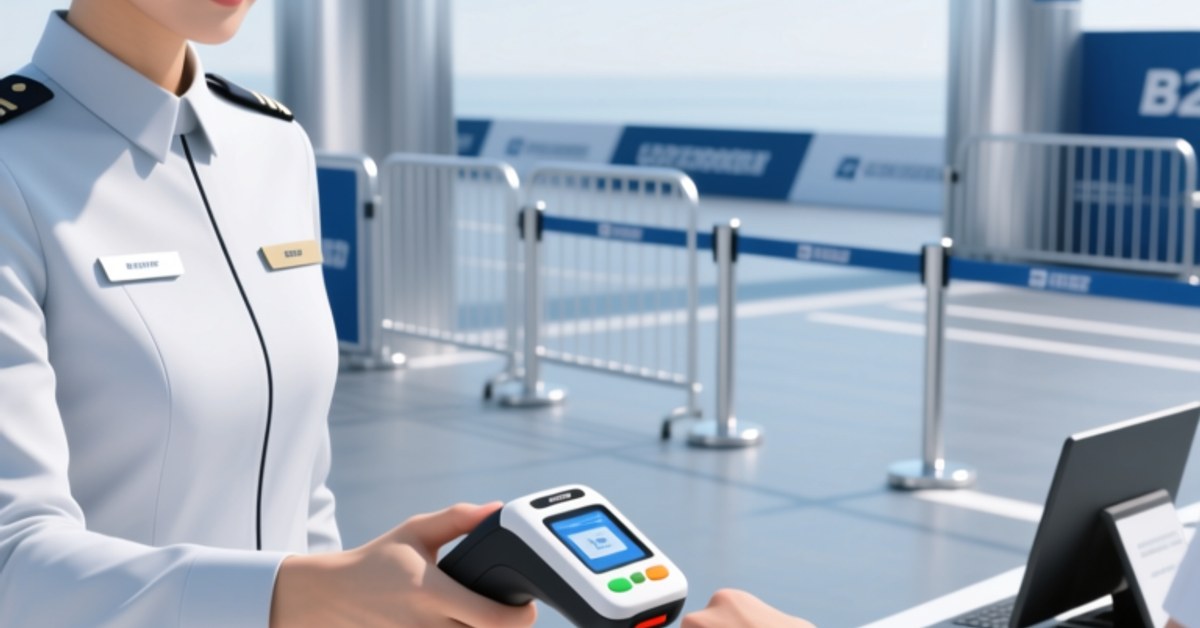
- Lezers bij zone-ingangen scannen tags om de toegangsrechten te verifiëren.
- Er worden waarschuwingen geactiveerd als onbevoegd personeel beperkte gebieden betreedt.
Belangrijke functies:
- Realtime locatietracking: Bepaalt de locaties van medewerkers binnenin 10 cm nauwkeurigheid.
- Opslag van noodgegevens: Slaat bloedgroep op, allergieën, en noodcontacten.
b. Integratie van gevarenzones
Hoe het werkt:
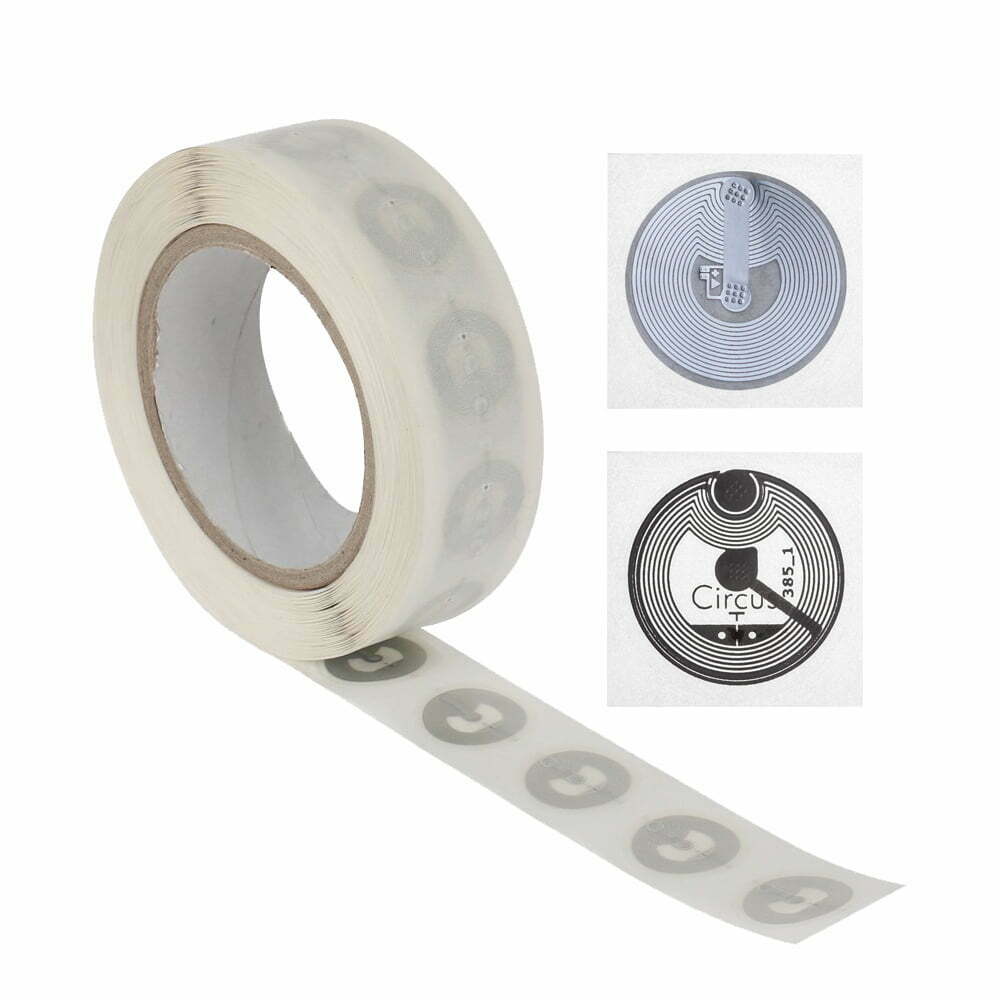
- NFC-lezers worden geïnstalleerd in gevaarlijke zones (Bijv., boorlocaties, chemische opslag).
- Tags communiceren met lezers om in- en uitlooptijden vast te leggen en blootstellingslimieten te bewaken.
2.Belangrijkste kenmerken van NFC-veiligheidswearables
a. Waarschuwingen voor beperkte zones
Probleem: Oorzaken van ongeoorloofde toegang tot gebieden met een hoog risico 15% van industriële ongevallen (OSHA).
Oplossing: NFC-lezers bij zone-ingangen activeren een alarm als niet-gelabeld personeel binnenkomt.
Voorbeeld:
Een raffinaderij in Texas verminderde het aantal ongeautoriseerde toegangsincidenten met 60% met behulp van NFC-compatibele badges.
b. Toegang tot noodgegevens
Probleem: Uitgestelde medische reacties verergeren verwondingen 30% van gevallen (NIOSH).
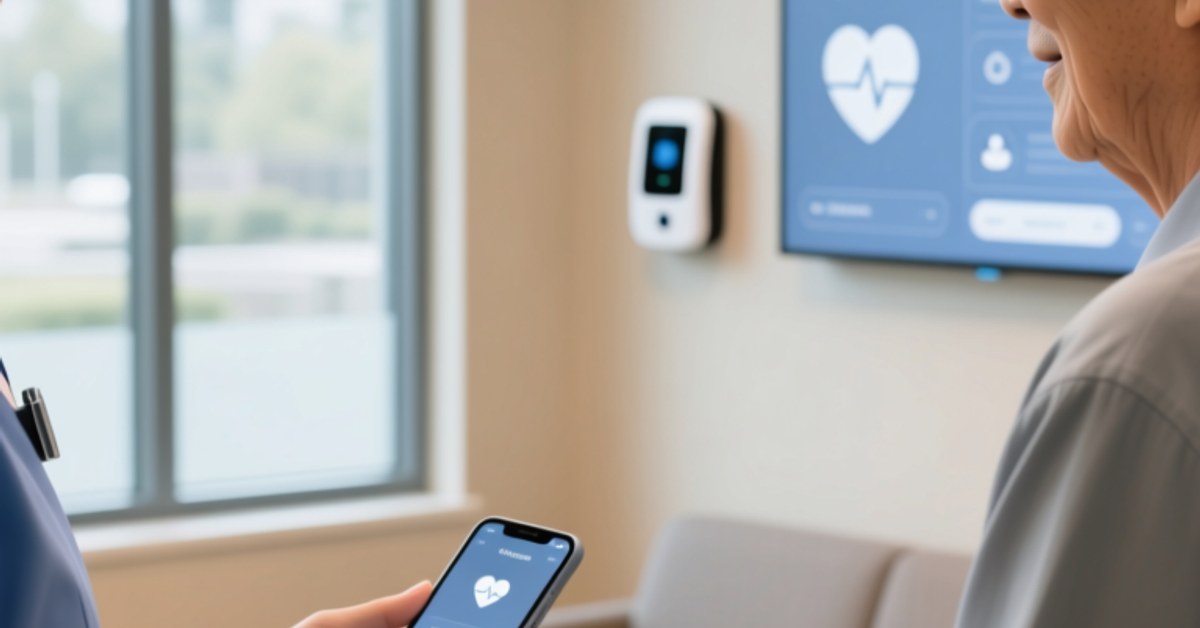
Oplossing: Eerstehulpverleners scannen NFC-armbanden om toegang te krijgen:
- Bloedgroep.
- allergieën.
- Contacten voor noodgevallen.
Voorbeeld:
Een mijnbouwbedrijf in Australië verkortte de reactietijd bij noodgevallen met 40% met behulp van NFC-wearables.
c.Bewaking van de blootstelling
Probleem: Langdurige blootstelling aan gifstoffen of straling leidt tot gezondheidsproblemen op de lange termijn.
Oplossing: NFC-tags registreer de blootstellingsduur en waarschuw werknemers wanneer de limieten worden bereikt.
3.Naleving: ATEX- en IECEx-certificering
a.ATEX-richtlijn (EU)
Wat het is: Zorgt ervoor dat apparatuur veilig is voor gebruik in explosieve atmosferen.
NFC-vereisten:
- Tags en lezers moeten bestand zijn tegen extreme temperaturen en druk.
- Vonkvrije materialen voor olie- en gasomgevingen.
b.IECEx-certificering (Globaal)
Wat het is: Internationale norm voor veiligheid in explosieve omgevingen.
NFC-vereisten:
- IP68-geclassificeerde waterdichtheid.
- EMI-bestendige ontwerpen om interferentie te voorkomen.
Voor de tip: Kies NFC-wearables met dubbele ATEX/IECEx-certificering voor wereldwijde activiteiten.
4.Case study: 40% Minder veiligheidsincidenten op olievelden
Probleem: Een olieveld in de Noordzee ervaren 12 veiligheidsincidenten per jaar, inclusief ongeoorloofde toegang tot zones en vertraagde noodreacties.
Oplossing:
- Ik heb aan iedereen NFC-armbanden uitgegeven 500 werknemers.
- Geïnstalleerde lezers in gevaarlijke zones.
Resultaat (12 Maanden):
- Veiligheidsincidenten daalden 40%.
- De reactietijd bij noodsituaties is verbeterd met 35%.
- Volledige naleving van de EU-veiligheidsvoorschriften bereikt.
Bron: Intern rapport van Offshore Energy Solutions (2024).
5.ROI van NFC-wearables in gevaarlijke industrieën
| Metriek | Voor NFC | Na NFC |
| Veiligheidsincidenten | 12/jaar | 7/jaar (-40%) |
| Reactietijd bij noodsituaties | 8 notulen | 5 notulen (-35%) |
| Nalevingsboetes | $50,000/jaar | $0 |
| Jaarlijkse besparingen | $0 | $120,000+ |
Bron: OSHA- en NIOSH-veiligheidskostenanalyses (2023).
👇 Klik om aan te vragen:
[Vraag NFC-geschikte veiligheidsarmbanden aan]
Waarom NFC-wearables de toekomst van industriële veiligheid zijn?
Van realtime gevarenwaarschuwingen tot directe toegang tot medische gegevens, NFC-wearables stellen bedrijven in staat werknemers te beschermen en tegelijkertijd aan strenge veiligheidsnormen te voldoen. In risicovolle industrieën, deze technologie is niet alleen een upgrade, het is een levenslijn.