石油やガスなどの危険産業, 労働者の安全は交渉の余地のないものです. まだ, 従来の安全対策では、リスクの高い環境では不十分なことがよくあります. OSHAによると, 20% 職場での死亡事故の割合 建設中に発生する, 採掘, 石油採掘の多くは、緊急対応の遅れや立ち入り禁止区域への不正アクセスによるものです。.
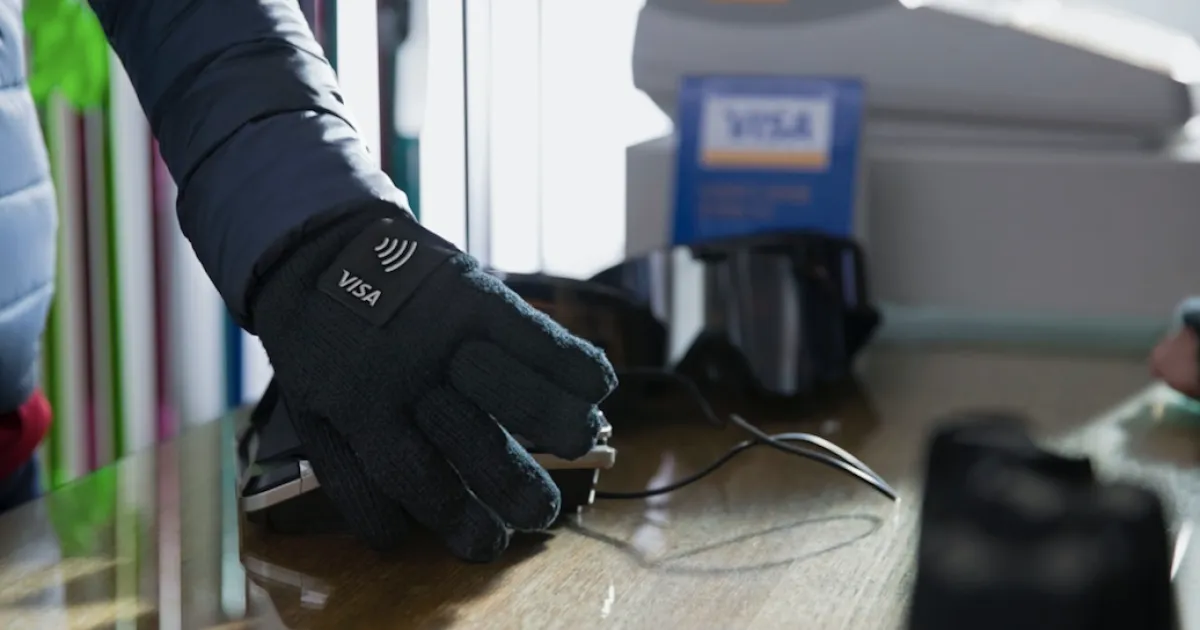
NFC対応ウェアラブル 安全プロトコルを変革しています. 埋め込みによって NFCタグ ブレスレットに, ヘルメット, とバッジ, 企業は従業員の位置を監視できる, インスタントアラートをトリガーする, 緊急時に重要な医療データにアクセス. このガイドではテクノロジーについて説明します, コンプライアンス要件, 危険な環境における NFC ウェアラブルの現実世界への影響.
1.NFC ウェアラブルの仕組み: 技術概要
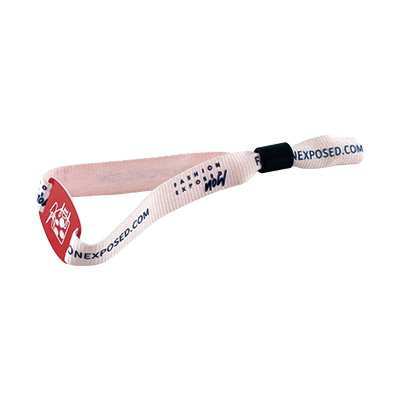
a.タグが埋め込まれたNFCブレスレット
仕組み:
- 従業員は NFC 対応のブレスレットまたはバッジを着用します.
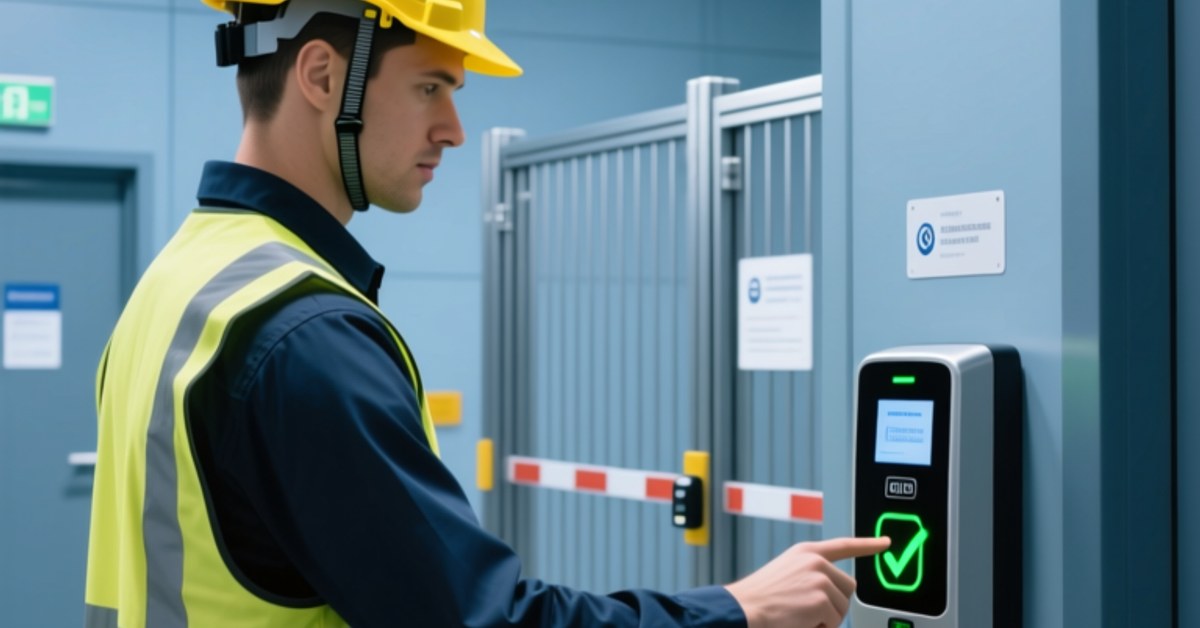
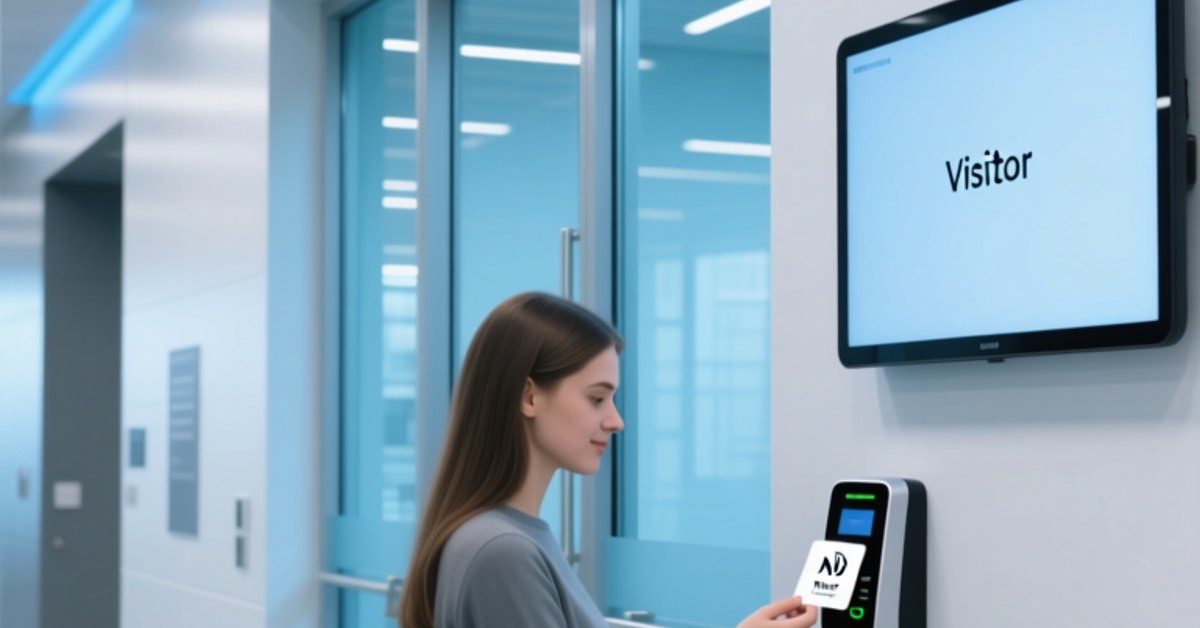
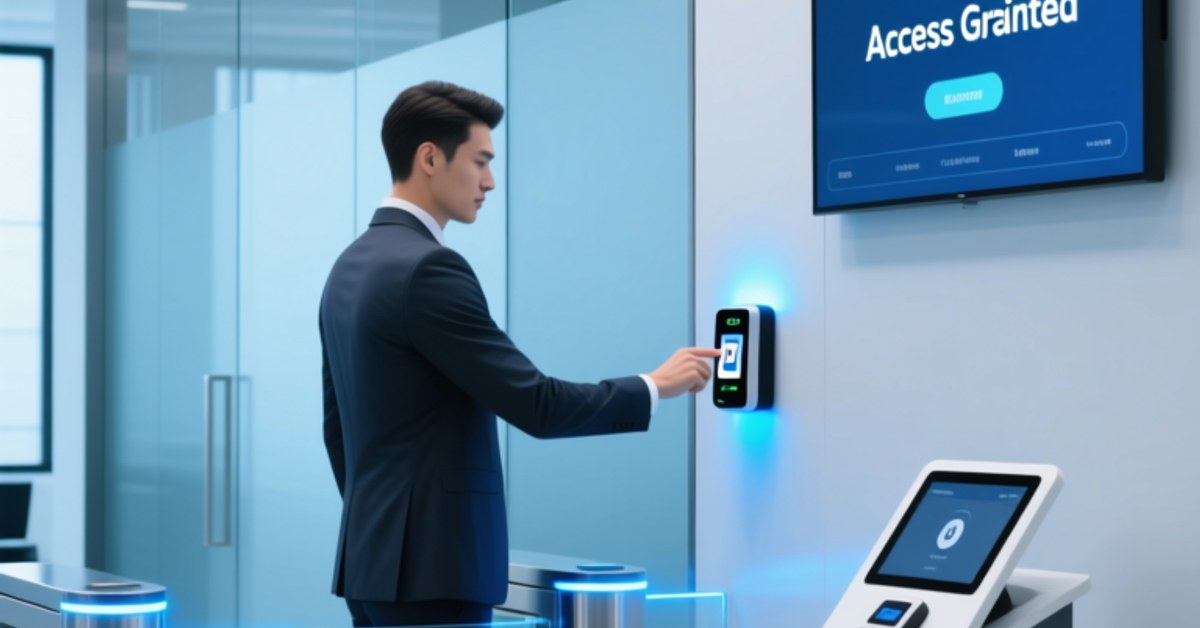
- ゾーン入口のリーダーはタグをスキャンしてアクセス許可を確認します.
- 許可されていない人が立ち入り禁止エリアに入るとアラートがトリガーされます.
主な特長:
- リアルタイムの位置追跡: 従業員の位置を正確に特定 10 cm精度.
- 緊急データストレージ: 血液型を保存します, アレルギー, および緊急連絡先.
b.危険区域の統合
仕組み:
- NFCリーダーは危険区域に設置されています (例えば。, 掘削現場, 化学薬品の保管).
- タグはリーダーと通信して、入場/退場時間を記録し、露出制限を監視します.
2.NFC セーフティウェアラブルの主な機能
a.制限ゾーンのアラート
問題: 高リスクエリアへの不正アクセスは危険を引き起こす 15% 労働災害の発生 (オシャ).
解決: ゾーン入口の NFC リーダーは、タグを付けられていない人が入場するとアラームを鳴らします.
例:
テキサス州の製油所では、次の方法で不正アクセス事件を削減しました。 60% NFC対応バッジの使用.
b.緊急データアクセス
問題: 医療対応が遅れると傷害が悪化する 30% 件の (ニオシュ).
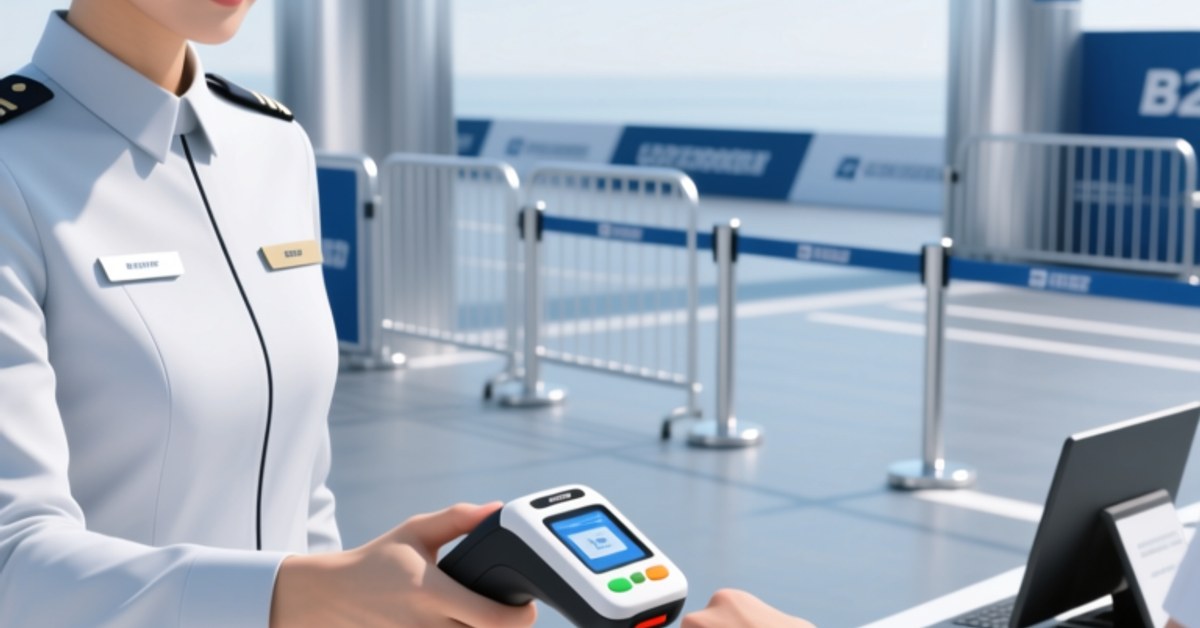
解決: 初期対応者は NFC ブレスレットをスキャンしてアクセスします:
- 血液型.
- アレルギー.
- 緊急連絡先.
例:
オーストラリアの鉱山会社は、緊急対応時間を次のように短縮しました。 40% NFCウェアラブルを使用する.
c.暴露監視
問題: 毒素や放射線への長期曝露は長期的な健康問題を引き起こす.
解決: NFCタグ 暴露期間をログに記録し、制限に達した場合に従業員に警告します.
3.コンプライアンス: ATEX および IECEx 認証
a.ATEX指令 (欧州連合)
それは何ですか: 爆発性雰囲気内での機器の安全な使用を保証します.
NFCの要件:
- タグとリーダーは極端な温度と圧力に耐える必要があります.
- 石油およびガス環境向けの非発火性材料.
b.IECEx認証 (グローバル)
それは何ですか: 爆発性環境の安全性に関する国際規格.
NFCの要件:
- IP68等級の防水性能.
- 干渉を防ぐEMI耐性設計.
チップ用: グローバルな運用には、デュアル ATEX/IECEx 認証を備えた NFC ウェアラブルを選択してください.
4.ケーススタディ: 40% 油田における安全事故の減少
問題: 経験豊富な北海油田 12 毎年発生する安全事故, 許可されていないゾーンへの立ち入りや緊急対応の遅れを含む.
解決:
- NFC対応ブレスレットを全員に発行 500 労働者.
- 危険区域に設置されたリーダー.
結果 (12 月):
- 安全に関するインシデントが発生した 40%.
- 緊急対応時間が改善されました 35%.
- EUの安全規制への完全準拠を達成.
ソース: Offshore Energy Solutions による内部レポート (2024).
5.危険産業における NFC ウェアラブルの ROI
| メトリック | NFC以前 | NFC後 |
| 安全上のインシデント | 12/年 | 7/年 (-40%) |
| 緊急対応時間 | 8 分 | 5 分 (-35%) |
| コンプライアンスの罰金 | $50,000/年 | $0 |
| 年間節約額 | $0 | $120,000+ |
ソース: OSHA および NIOSH の安全コスト分析 (2023).
👇 クリックしてリクエスト:
[NFC対応の安全ブレスレットをリクエストする]
NFC ウェアラブルが産業安全の未来となる理由?
リアルタイムの危険警告から医療データへの即時アクセスまで, NFC ウェアラブルにより、企業は厳しい安全基準を満たしながら従業員を保護できるようになります. リスクの高い業界では, このテクノロジーは単なるアップグレードではなく、ライフラインです.