Why Cruise Lines Are Upgrading to NFC Onboard Experience Technology
A modern cruise ship is a dense, self-contained environment where thousands of passengers move through dining venues, entertainment decks, retail spaces, and excursions. The traditional model of magnetic stripe cards, paper receipts, and manual checkpoints creates friction, slows down guest movement, and limits crew efficiency. NFC on cruise ships changes the equation: a simple tap on a door lock, payment terminal, or shore excursion checkpoint replaces multiple steps with a single gesture.
For cruise line operators and maritime technology providers, the question is no longer whether to adopt contactless technology, but how to implement it across the passenger journey without disrupting existing crew workflows. В этой статье, we examine the key use cases where onboard experience technology built on NFC and RFID delivers measurable operational gains.
Cabin Door Access: Moving Beyond Magnetic Stripes
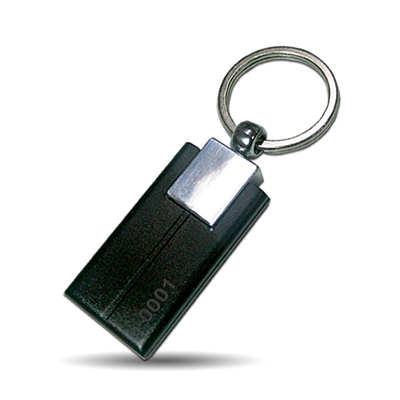
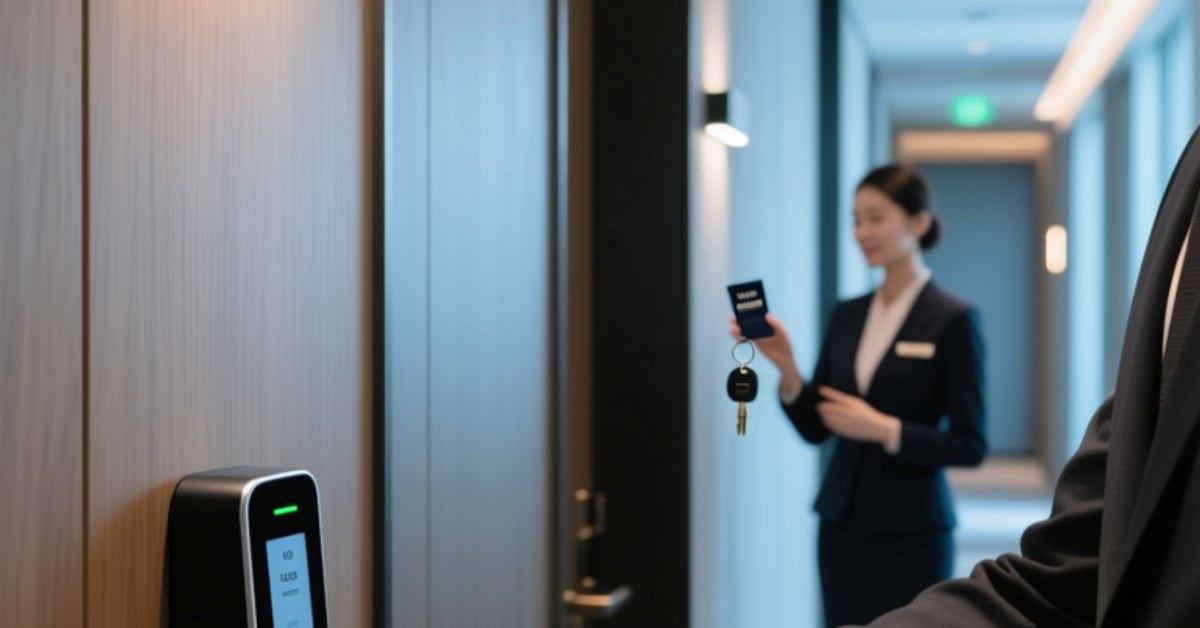
Guest cabin access is the most visible and repeated daily interaction a passenger has with the ship. Traditional magnetic stripe cards suffer from demagnetization when kept in pockets with phones or wallets. Replacing these cards with cruise cabin access с использованием Браслеты NFC or key fobs dramatically reduces lockout calls to guest services.
An NFC-based door lock or reader communicates with the chip embedded in a wristband, smart card, or key fob. When the passenger taps, the lock validates the credential locally and releases the door. Since the validation uses cryptographic handshakes, the risk of cloning is lower than with legacy magnetic stripes.
What Deploying NFC Cabin Access Involves
- Аппаратное обеспечение: NFC-enabled door locks or retrofit readers mounted on existing cabin doors.
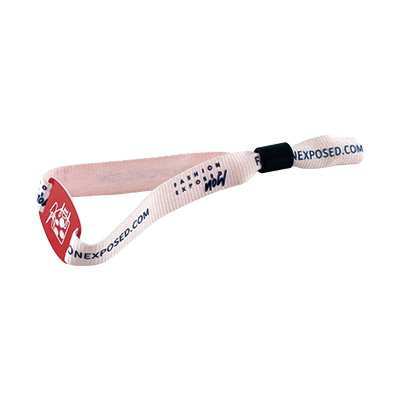
- Credentials: Браслеты NFC—silicone or textile bands with embedded chips—are the most common for cruise. For guests who prefer a classic form factor, NFC key cards from the same ecosystem work equally well.
- Интеграция: The cruise property management system (PMS) authorizes each guest’s credential with room number and access validity dates.
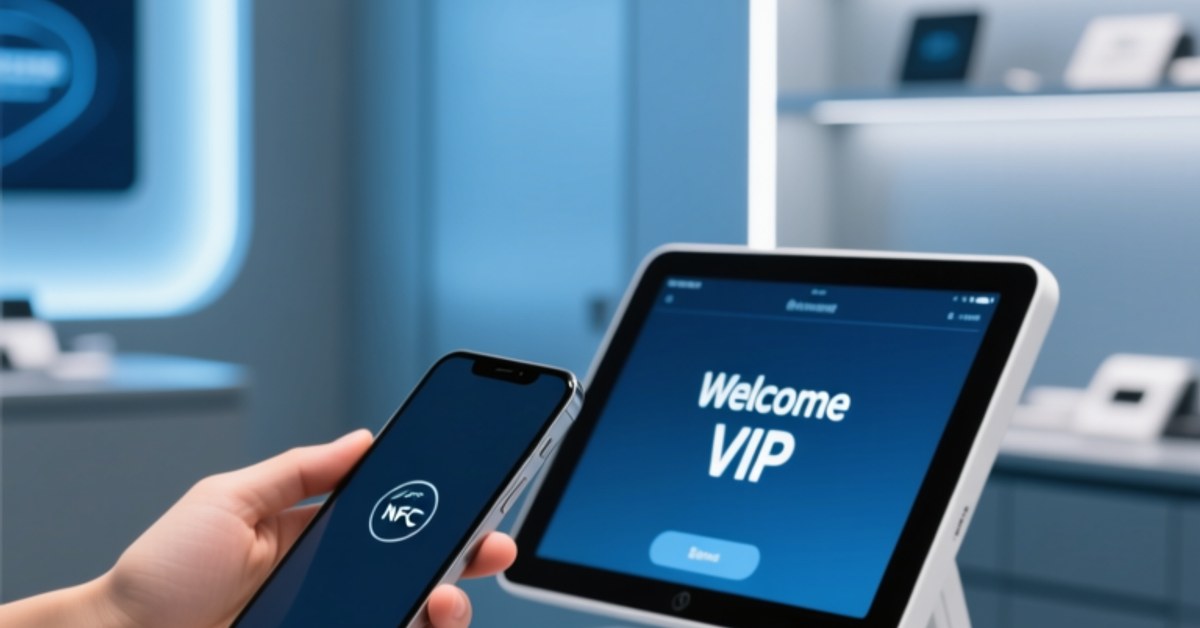
Используя SeaPass wristband (also known as an onboard wearable) is a natural extension of the traditional cruise identity card. Guests wear it all day, whether at the pool, gym, or dinner, and never have to carry a separate room key.
Cashless Onboard Payments with SeaPass Wristbands
Onboard spending is the financial backbone of modern cruising. Bars, specialty restaurants, shore excursion desks, and retail shops are all expected to accept the guest identity card. Shifting to cashless onboard payments с использованием Браслеты NFC creates a more fluid transaction experience.
Instead of handing over a card and waiting for a signature, guests simply tap the wristband on a payment terminal. The transaction links to their onboard account, which is settled at the end of the cruise. Crew members benefit from fewer physical credit card handlings and reduced cash management.
Key Benefits for Cruise Operations
- Скорость: A tap is faster than inserting or swiping, reducing queue lines at bar counters and shops.
- Безопасность: Payment credentials are tokenized on the chip; no card CVV or PIN is transmitted at the point of sale.
- Spend transparency: Passengers can check their running bill via onboard screens or the ship’s app, reducing billing disputes at checkout.
For cruise lines planning new builds or dry docks, deploying a sea pass wristband system that works with existing POS terminals requires adding NFC readers that are compatible with the ship’s network. Many maritime POS solutions already support contactless payment through standalone modules. The same wristband that opens the cabin can be integrated with the payment system when the credential is properly registered in the access control and POS databases.
Drink Packages and Dining: Personalization at Every Table
Beverage packages are a major revenue stream for cruise lines. NFC technology streamlines the process of identifying guests who have purchased a package. At a bar, the guest taps a wristband on a reader; the system instantly displays the package status, аллергия, or included beverage tiers on the crew screen. This is especially useful in busy environments like pool decks and theater bars.
Included dining venues can also use NFC to speed up table assignment and pre-order service. Table-side NFC-теги can be scanned by crew members carrying УВЧ RFID-метки and readers for tracking food service times behind the scenes. For the passenger-facing experience, NFC-теги or labels placed at tables can allow guests to tap and view the menu or call a server—but only if the ship’s app supports such interactions. A more straightforward application is to use NFC wristbands at host lecterns to verify dining reservations.
Keeping Families Safe: Child Tracking and Muster Drills
Family travel generates enormous loyalty in the cruise industry, but it also brings safety challenges. Children move quickly between kids’ clubs, pools, and arcades. NFC wristbands give parents and staff a simple way to track a child’s check-in and check-out at supervised facilities. When a child is signed in at the kids’ club, the crew scans the wristband; the parent receives a notification when the child is picked up.
Safety extends beyond the kids’ club to the mandatory muster drill. С NFC, crew members can scan wristbands as passengers arrive at their muster stations, automatically updating the passenger list. Этот digital muster drill eliminates manual roll call and immediately identifies missing guests. The same infrastructure supports emergency headcounts during actual emergencies.
Why Cruise Lines Choose NFC for Safety Operations
- No separate RFID badge to issue—the same credential works for room, оплата, и безопасность.
- Instant updates to embarked/disembarked status when passengers leave the ship at port.
- Better data for compliance reporting.
Береговые экскурсии: Securing the Journey Ashore with NFC
Shore excursions take passengers off the ship into destinations the cruise line does not control. Managing groups at a crowded pier is a logistical challenge. Shore excursion NFC systems give cruise operators a reliable method of validating that a passenger has boarded the correct tenders and coaches.
In this use case, crews carry портативные RFID-считыватели or use fixed NFC gateways at the gangway. Passengers tap their sea pass wristband on the reader when leaving the ship and again when reboarding. This automated check-in updates the ship’s onboarding status in real time, ensuring no unauthorized guest returns and no friend is left behind on the pier.
Beyond access control, NFC can improve the excursion itself. By tagging excursion tickets on the back of the wristband chip, passengers do not need a separate paper ticket. Crew at excursion meeting points can scan the wristband to verify booking details and direct passengers to the correct group.
Offline-Resilient Design: Reliable NFC at Sea and in Port
A cruise ship is not a typical land-based retail environment. It moves through international waters where satellite internet is expensive and occasionally unavailable. Анонца offline resilient design is essential for any onboard Решение NFC.
Unlike smartphone-based NFC payments, which may require a cloud connection to authorize the transaction, dedicated NFC wristbands and readers can handle value and access credentials locally. The reader stores the latest credential database and transaction logs in onboard memory. When internet connectivity is available, the data syncs to the shore-side server. This design ensures the passenger experience does not fail if the ship is sailing through a connectivity dead zone.
For cruise line operators evaluating smart entertainment technologies, the best practice is to choose an NFC infrastructure that supports local validation. The readers should have native memory and the ability to authorize cabin access and small payments without waiting for a server response.
Choosing the Right NFC Hardware for Cruise Operations
The hardware deployment on a cruise ship typically includes four layers:
>
| Слой | Typical Equipment | Deployment Notes |
|---|---|---|
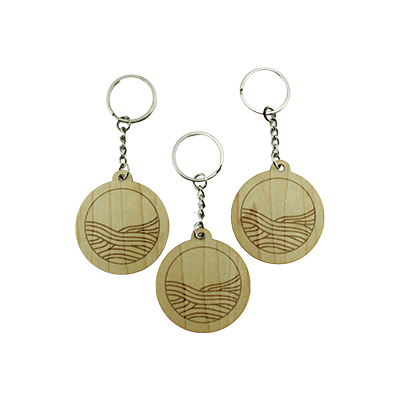
| Guest Credential | NFC браслет, Карта NFC, or NFC key fob | Silicone or textile bands are preferred for daily wear and are waterproof. |
| Доступ & Payment Readers | NFC door readers, POS-терминалы, turnstile readers | Read range should be 2–5 cm for secure transactions. |
| Mobile / Handheld Readers | Handheld RFID scanner for staff | Used at muster stations, kids’ club, and shore excursions. |
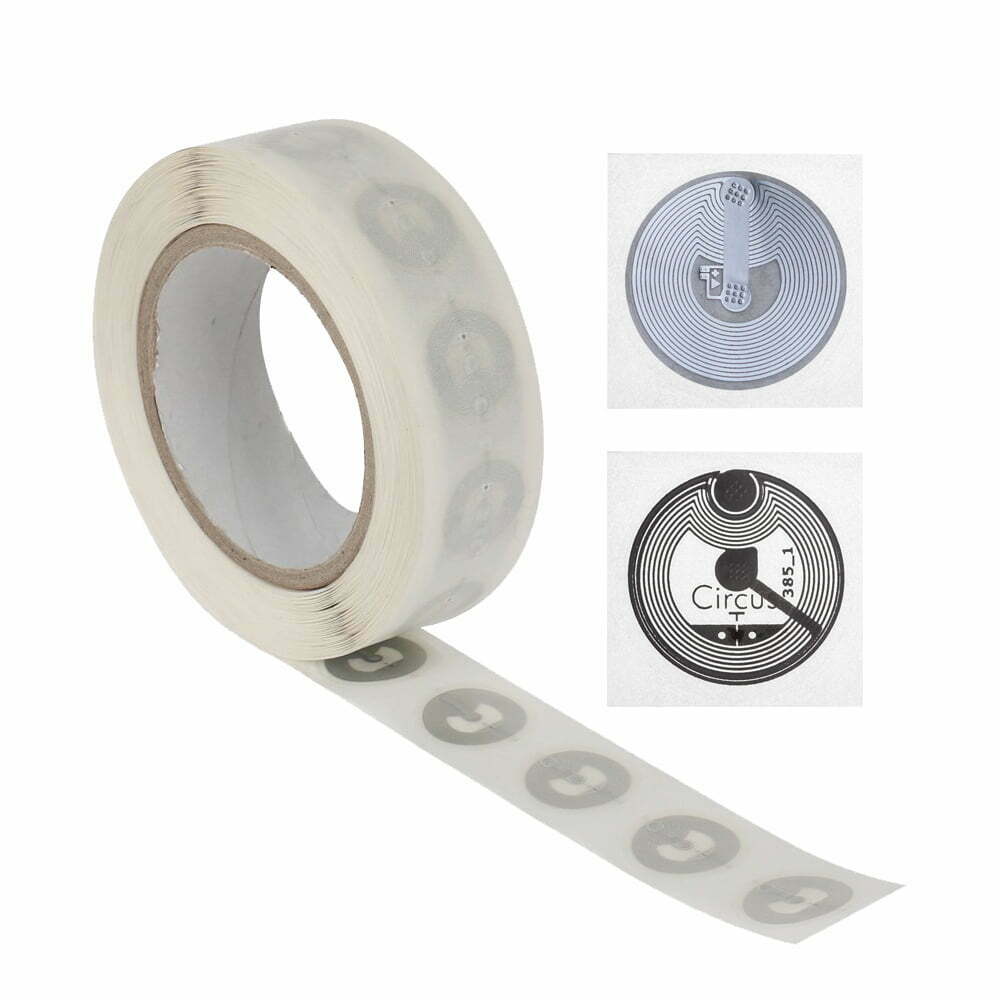
| Background Tracking | NFC tags for asset and laundry management | Identifies crew equipment and guest amenities. |
All of these components can be sourced from a single supplier that understands cruise-specific requirements. Например, waterproof NFC wristbands are available in a wide range of colors and can be printed with the cruise line’s branding. Anti-metal NFC tags may be needed for metal lockers or equipment rooms. Fixed readers can be mounted on walls or gangway pylons to automate passenger flow.
Cruise lines should also plan for a smooth issuance process. Passengers should receive their credentials during online check-in or at the port terminal. Once onboard, the wristband becomes the guest’s identity anchor for the entire journey.
Integrating NFC with a Cruise Ship’s Existing Digital Platform
NFC hardware is only part of the equation. The backend system must connect the access control, guest database, and point-of-sale system. Most cruise operators already use a property management system (PMS) that can be linked to RFID middleware. When a wristband is issued at check-in, its unique chip ID is written to the PMS with the cabin number and financial billing account. This ID can then be used across all onboard services.
Maritime technology providers should look for RFID/NFC middleware that supports both reading and writing of tags, does not require permanent connectivity, and offers standard APIs for integration.
Deployment Recommendations for Cruise Line Operators
- Start with one ship as a pilot to measure queue times, crew efficiency, and guest satisfaction.
- Choose a durable credential such as RFID silicone wristbands that withstands saltwater, sun, and frequent washing.
- Ensure the NFC readers comply with maritime electromagnetic compatibility (ЭМС) стандарты.
- Train purser and guest services teams to troubleshoot common card and wristband issues.
- Design the guest account lifecycle to automatically disable credentials at disembarkation.
The move to NFC cruise ship technology is not just about replacing a card. It is about building an умная носимая идентификация ecosystem that enhances both guest experience and crew operations.
Заключение: The Journey to a One-Tap Cruise
От cruise cabin access к cashless onboard payments, maintaining drink packages, tracking children, and managing shore excursions, NFC enables a more responsive and efficient cruise ship environment. When your infrastructure is designed with offline-resilient readers, the entire vessel runs smoothly even in remote waters.
RFIDHY and NFCWORK offer the building blocks for these systems: Браслеты NFC, RFID -теги, портативные считыватели, and full integration support. As the maritime industry looks for new ways to elevate the Умное развлечение опыт, the simple tap is proving far more powerful than the traditional sea pass card.
Часто задаваемые вопросы
Can NFC wristbands be used on any cruise ship access control system?
NFC wristbands are compatible with most modern access control readers that support ISO 14443 или ИСО 15693 стандарты. Однако, the cruise line’s current door lock system must be updated or replaced to accept NFC credentials. Check with your hardware supplier to confirm compatibility.
Is an NFC sea pass wristband secure for onboard payments?
Да. NFC wristbands use encrypted chip authentication and tokenization, which is more secure than a magnetic stripe. The transaction does not expose a card number or PIN, and the cruise line can set spending limits per guest.
What happens if a passenger loses their NFC wristband during the cruise?
The guest services desk can immediately deactivate the lost wristband and issue a replacement by linking the new chip ID to the passenger’s account. This is faster than reissuing a traditional sea pass card.
How does NFC work when the ship does not have internet connectivity?
NFC readers with local memory and on-device authorization can process cabin access and payment transactions offline. The reader periodically syncs the stored logs when connectivity returns.
Ready to Upgrade Your Cruise Ship’s Onboard Experience?
RFIDHY and NFCWORK supply durable NFC wristbands, RFID -теги, fixed and handheld readers, and integration guidance for maritime applications. Whether you are retrofitting a single vessel or launching a new fleet, our technical teams can help you select the right credentials and deployment hardware.
Свяжитесь с нами сегодня to discuss your cruise ship NFC deployment and build a seamless passenger journey from boarding to disembarkation.