サーキュラーエコノミーの必須性: データが重要な理由
直線的な「引き取り、製造、廃棄」モデルから循環型経済への移行は、もはや願望的なものではなく、規制と市場の必要性です。. その中心にあるのは, 循環性は、再利用により製品や材料をより長く使用できるかどうかにかかっています, 修理, 再製造, 高品質なリサイクルと. これを達成するには, 利害関係者は正確な情報を必要としている, アクセス可能な, 永続的な製品情報: 材料構成, 修理手順, 所有歴, そして終末期のガイダンス.
規制の枠組みがこの需要を加速させています. EU の ESPR 義務 DPP 複数の製品カテゴリー向け, メーカーに、製品のライフサイクル全体にわたって続くデジタル ID の提供を義務付ける. NFC テクノロジーは、このデジタル ID の理想的なキャリアとして台頭しており、物理的な製品と分散型製品の橋渡しをします。, 更新可能なデータレコード.
DPP と NFC について理解する
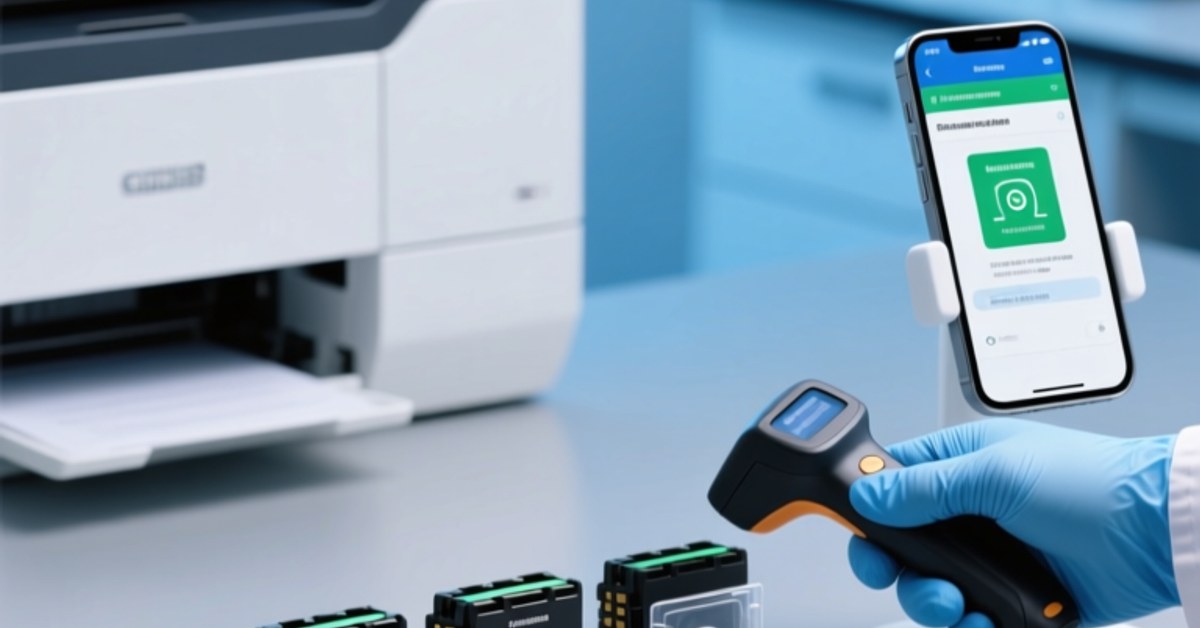
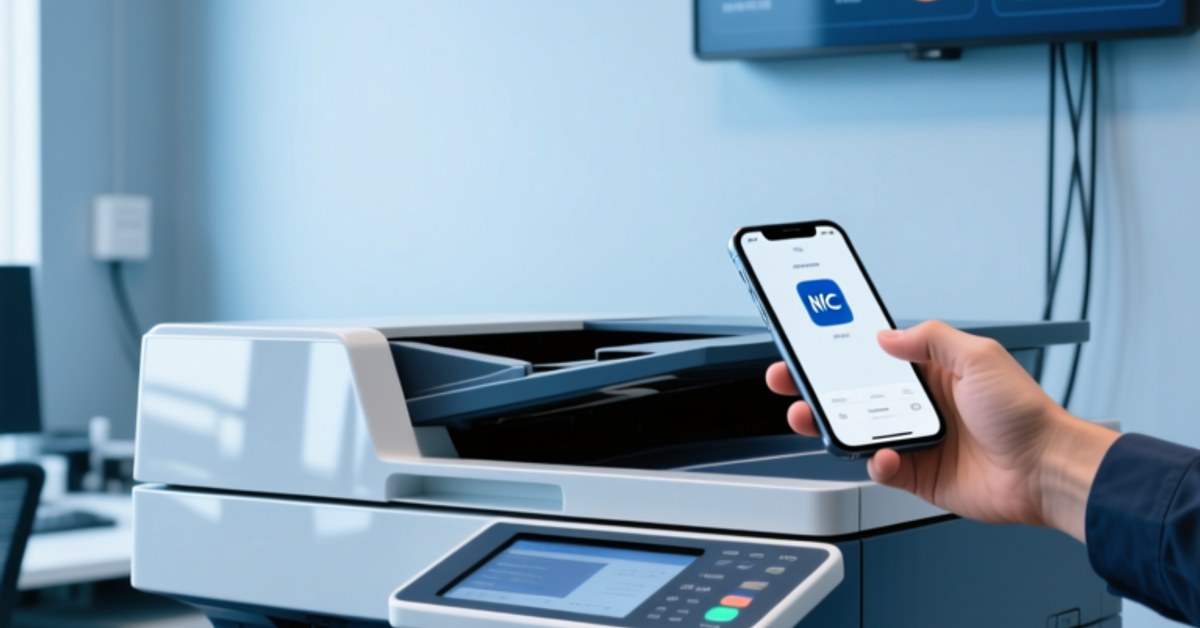
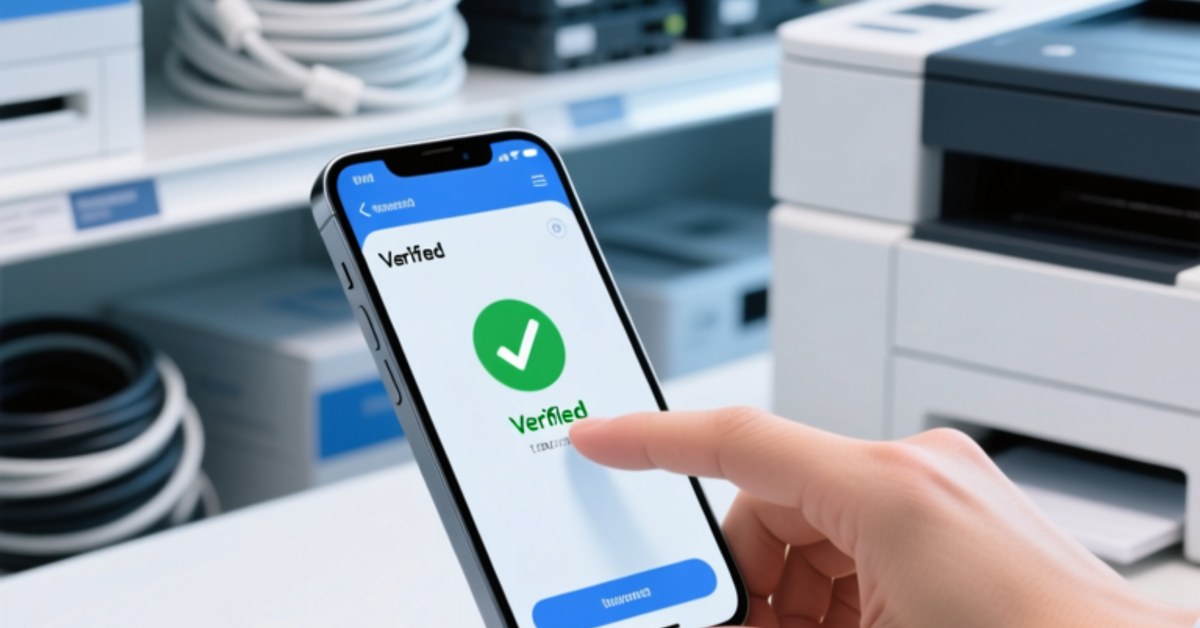
a デジタル製品パスポート 製品関連データの構造化されたコレクションです。, 材料, 二酸化炭素排出量, 修理可能性, およびリサイクル手順 - アイテムに取り付けられたデータ キャリアを介してアクセスできます。. NFCタグ インレイは不正開封防止機能を提供します, このパスポートへのアイテムレベルのリンク. NFC 対応スマートフォンで簡単にタップするだけで、専用のアプリやスキャナーを必要とせずに最新の製品データを取得できます。.
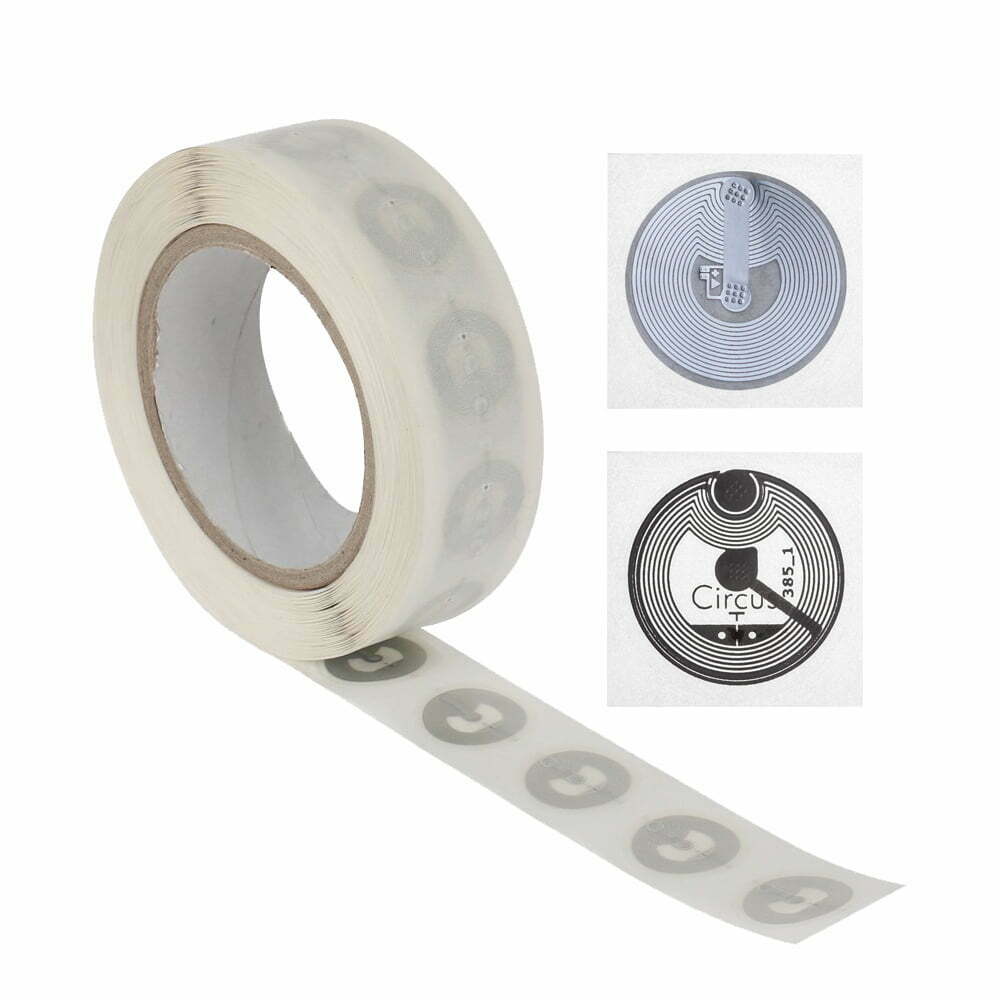
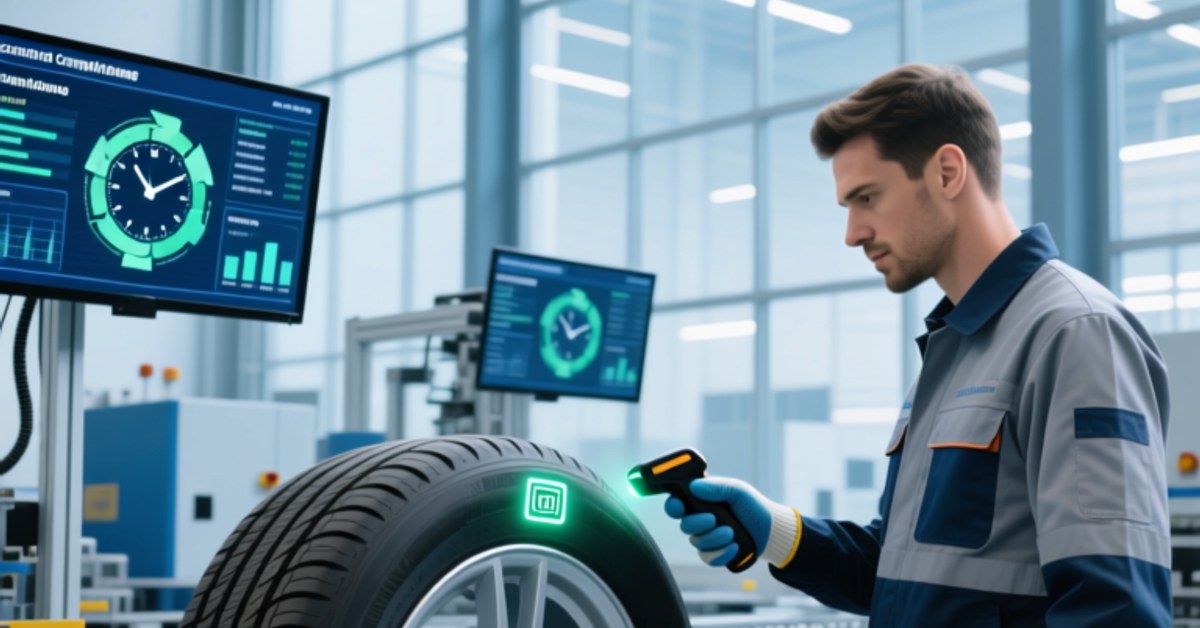
NFCタグ ブランド保護と消費者エンゲージメントのためにすでに広く使用されています. 循環経済のユースケースに適用する場合, 彼らは鍵となる 製品ライフサイクルデータ. 印刷されたQRコードとは異なります, NFCタグを製品内部に埋め込むことが可能, 覆われたり着用されたりしても読み取り可能, 原本性検証などの高度な機能をサポートします, 動的データ更新, およびアクセス制御. で RFIDHY, 私たちの範囲 NFCタグ, NFCステッカー, NFCインレイ 繊維への耐久性のある取り付けのために設計されています, エレクトロニクス, 梱包, そして工業製品.
アクセス可能な製品データで再利用と修復を可能にする
修理と再利用の最大の障壁の 1 つは、信頼できる情報が不足していることです。, 最新情報. NFCタップ搭載, 修理技術者, 改修業者, 消費者でもすぐにアクセスできます:
- ステップバイステップの修理マニュアルと分解図
- 必要なスペアパーツを正確に特定する, OEM部品番号を含む
- 保証状況とサービス履歴
- ソフトウェアのアップデートと安全性リコール
この透明性により製品の寿命が延長され、修理経済の繁栄がサポートされます。. 重要な産業資産向け, 製造設備など, 埋め込み UHF RFIDタグ—私たちのアンチメタルのように RFIDタグ−過酷な環境でも非接触識別が可能, すぐにリンクする DPP‑ベースのメンテナンスログ.
再販市場とセカンドライフ市場の促進
消費財および高額資産向け, 信頼は流通市場の通貨です. NFC 搭載の DPP が真正性を検証し、製品の歴史を文書化します。, 購入者の信頼を高め、プレミアムな再販価値を実現. 高級ブランドはすでに NFC を使用して出所を証明しています; この同じメカニズムで修理記録を保持できるようになりました, 所有権の移転, セカンドライフでの使用に関する認証 - たとえば、, 再生スマートフォンまたはアップサイクルされたデザイナーバッグ.
エンタープライズレベルで, IT 資産処分会社は、廃棄された機器のパレット全体を次の方法でスキャンできます。 UHF RFIDリーダー DPP データを即座に取得する, 合理的なグレーディング, 商品を適切な再販にルートします, 寄付, またはストリームをリサイクルする.
リサイクルと材料回収の最適化
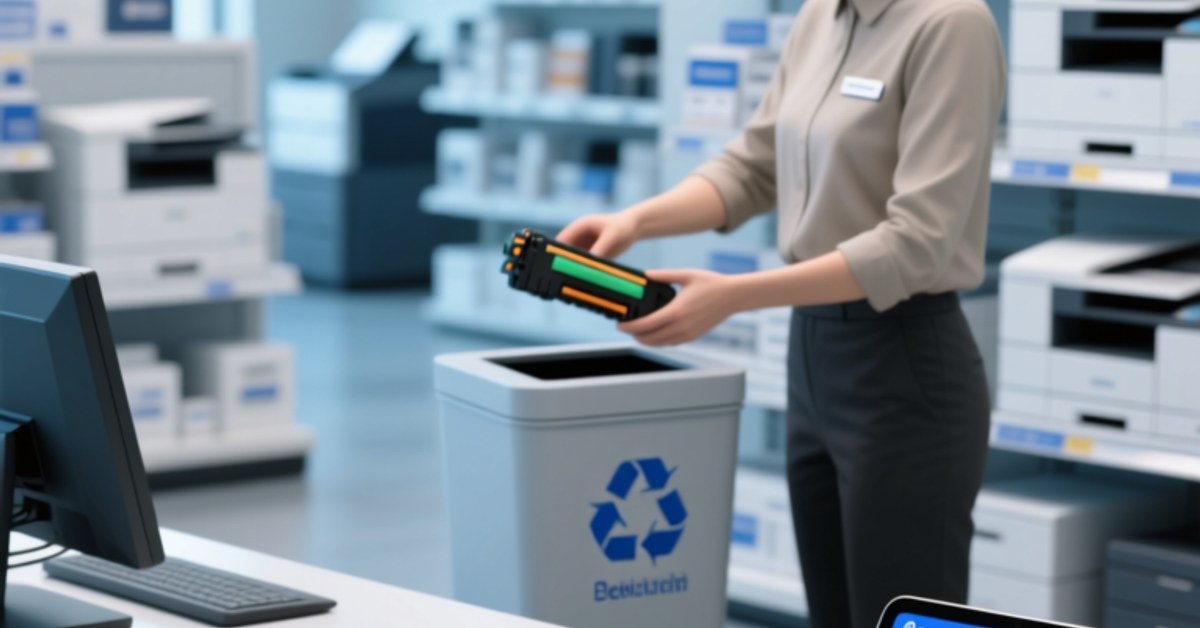
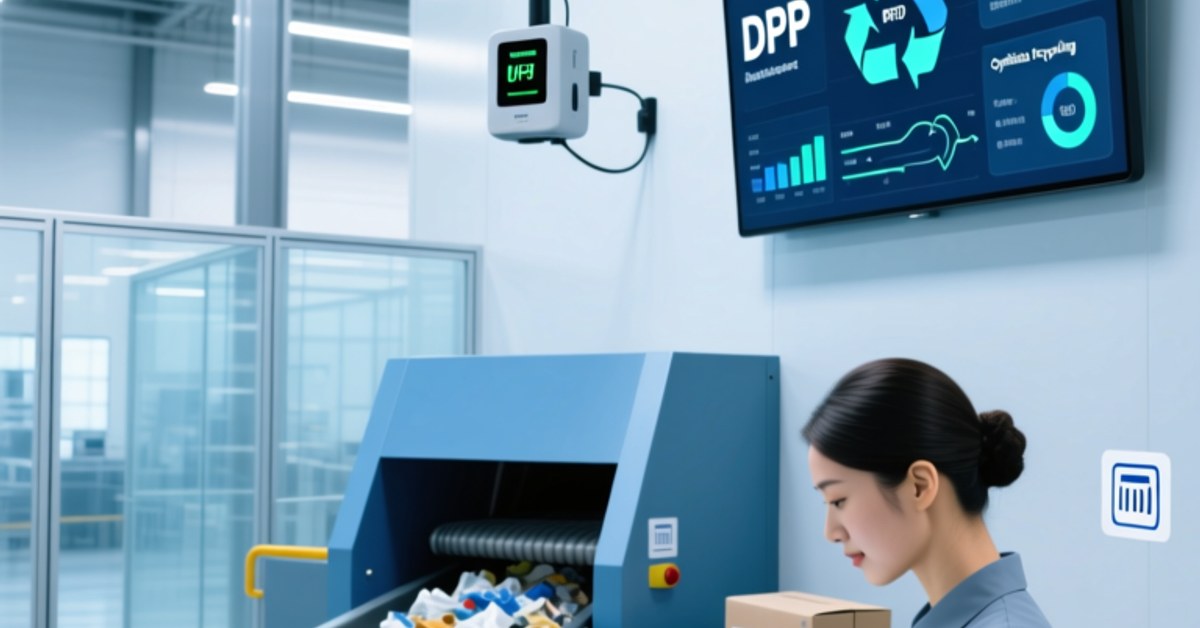
現在のリサイクルプロセスには正確な材料組成データが欠けていることが多い, ダウンサイクルまたは埋め立て処分につながる. NFCまたはUHF RFIDタグを製品に埋め込み、 持続可能な包装 NFC ラベルはこのギャップに直接対処します. 物品が資材回収施設に到着したとき (MRF), 固定式RFIDリーダーを備えた自動仕分けラインでは、:
>
| テクノロジー | に適しています | 製品カテゴリの例 |
|---|---|---|
| NFCタグ | 高額商品, エレクトロニクス, 再利用可能な包装 | NFCステッカー, NFCインレイ |
| UHF RFIDタグ | 一括識別, 長距離選別 | UHF RFIDラベル, 反金属RFIDタグ |
| RFIDリーダー | 自動仕分けステーション, コンベア | 修理済み RFIDリーダー, ハンドヘルド RFIDリーダー |
読むことで 材料組成データ デジタルパスポートから, 選別装置はポリマーの種類ごとにプラスチックを選別できます, エレクトロニクスから重要な原材料を抽出する, 危険物質が正しく取り扱われることを保証します. これにより、リサイクル収量が増加するだけでなく、拡大生産者責任の遵守もサポートされます。 (EPR) スキーム.
持続可能な包装と循環サプライチェーン
パッケージングは循環型イノベーションの主要なターゲットです. NFC 対応の持続可能なパッケージにより、ブランドは返品指示を伝達できるようになります, 再利用可能なパッケージのインセンティブ, 交流点でのリサイクル指導. 例えば, NFC タグを備えた再利用可能な配送用トートは、旅行回数を記録できます, メンテナンスの必要性, そして入金状況, パッケージングを原価から追跡資産に変換する.
より広い範囲にわたって 循環型サプライチェーン, RFIDテクノロジーの力 逆物流. 私たちの UHF RFIDタグとリーダー 返品および再利用可能なコンテナの迅速なゲートイン/ゲートアウト スキャンを可能にする. RFIDベースの在庫管理との組み合わせ, 企業は製品フローをリアルタイムで可視化できます, 漏洩の削減と資産利用の最適化 - あらゆる持続可能性プログラムの重要なパフォーマンス指標.
循環経済を実現するRFIDHYのテクノロジー
循環経済モデルを展開するには、読み取りおよびタグ付けソリューションの完全なエコシステムが必要です. NFCWORKテクノロジーと RFIDHY, 私たちはビルディングブロックを提供します:
- NFC製品認証とDPPタグ: NFCタグ, NFCインレイ, NFCステッカー 一意の ID と暗号化キーを使用して工場出荷時にカスタマイズ可能.
- 耐久性のある RFID 資産タグ: アンチメタルRFIDタグ, RFID洗濯タグ, 一般的なラベルでは失敗する要求の厳しい環境向けの RFID ドライ インレイ.
- 読書インフラ: ハンドヘルドおよび固定 UHF RFID リーダー, デスクトップRFIDリーダー, 仕分け機械に統合するための RFID モジュール.
- RFIDソリューション: RFID資産追跡, 在庫管理, および倉庫管理システム ライフサイクル データを DPP にフィードします.
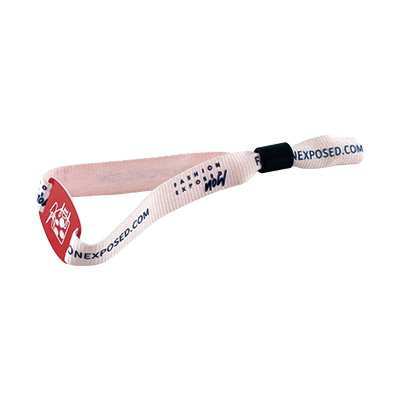
- 再利用プログラムのためのウェアラブル: NFCシリコンリストバンドと RFIDリストバンド イベントリサイクルスキームまたはデポジット返金プログラム用.
これらの製品はすべて、ゼロから始めることなく生産プロセスに循環性を組み込もうとしているサステナビリティ チームやエンジニアリング チームに利用可能です。.
結論: 接続された製品によるループを閉じる
循環経済にはデータが必要です, データは、最初の販売から最終的な分解まで製品に付属するキャリアが必要です. NFC と RFID テクノロジーによりデジタル プロダクト パスポートが具体的になります, 物理的なアイテムとデジタル循環戦略の間のミッシングリンクを提供する. 修理可能性を考慮した設計をしているかどうか, 回収スキームの拡大, またはリサイクル施設の最適化, アイテムレベルのタグ付けとクラウドベースのパスポートの組み合わせにより、回復力のあるセキュリティが作成されます。, 透明, 収益性の高いクローズドループ システム.
DPP とは何ですか、NFC はそれをどのようにサポートしますか?
DPP は、製品ライフサイクル データ (材料構成) を含むデジタル記録です。, 修理可能性, リサイクルの指示, 等. 製品に取り付けられた NFC タグが物理的なブリッジとして機能します; スマートフォンで簡単にタップするだけでクラウドからパスポートを取得できます, 最新のデータに即座にアクセスできるようにする.
NFC は従来の方法と比べてリサイクルをどのように改善するのか?
従来のリサイクルは、精度が限られた手動または光学的選別に依存しています。. NFC および UHF RFID タグは粒状材料の組成データを保存または参照できます, 自動選別ラインで特定のプラスチックグレードを識別できるようにする, 有害成分を抽出する, 物質的価値を維持する, より高品質なリサイクルにつながる.
NFCタグは過酷なリサイクル環境でも生き残れるか?
標準の NFC タグは、消費者に優しいインタラクションのために設計されています, 産業リサイクルのため, 当社のアンチメタル RFID タグと頑丈な UHF RFID ラベルは、湿気に耐えるように作られています。, 熱, そして身体的ストレス. タグの選択は、アプリケーションと必要な読み取り範囲によって異なります.
NFC テクノロジーは EU の持続可能性規制と互換性がありますか?
絶対に. EU ESPR フレームワークは、DPP を実装するために NFC や RFID などのデータ キャリアの使用を明確に想定しています。. 当社のソリューションは GDPR 準拠のデータ処理に準拠しており、サプライ チェーンの透明性のために通常必要とされる GS1/EPC グローバル標準をサポートしています。.