Enkonduko: La Bezono de Fido en Cifereca Provizoĉeno
En la hodiaŭa tutmonda merkato, garantii la aŭtentikecon kaj vojaĝon de produkto neniam estis pli malfacila. Falsigo, griza merkata distraĵo, kaj maldiafana loĝistiko erozias markvaloron kaj konsumantfidon. Du teknologioj -Proksime de Kampa Komunikado (NFC) kaj blokĉeno—konverĝas por krei fortikan solvon. NFC provizas unikan, skanebla cifereca identeco por fizikaj aĵoj, dum blokĉeno proponas neŝanĝeblan, malcentralizita ĉeflibro. Kune, NFC-blokĉena spurebleco liveras kontroleblan, fin-al-finaj produkthistorioj sen dependeco de centralizitaj aŭtoritatoj. Ĉi tiu artikolo ekzamenas kiel funkcias malcentralizita aŭtentigo de NFC, la teknika integriĝo, kaj kiuj NFC-produktoj vi povas disfaldi de la RFIDHY kaj NFCWORK-ekosistemo por konstrui vian propran fidinfrastrukturon.
La Teknologio Malantaŭ NFC kaj Blockchain-Integriĝo
Ĉe la koro de NFC-blokĉena spurebleco kuŝas la ligo inter fiziko NFC-etikedola unika identigilo de (UID) kaj mistraktebla cifereca rekordo sur distribuita ĉeflibro. Ĉiu NFC-etikedo—ĉu an NFC-glumarko, inkrustaĵo, aŭ NFC -pojno—enhavas blaton kun fabrik-programita, kriptografie sekura identeco. Kiam skanita, ĉi tiu identeco ekigas skriban operacion aŭ legadon de ligitaj datumoj stokitaj sur blokĉeno. La ĉefa avantaĝo estas, ke neniu ununura partio povas ŝanĝi historiajn rekordojn; ĉiu skana evento, loka ĝisdatigo, aŭ posedtransdono estas konstante registrita kaj videbla al rajtigitaj koncernatoj.
NFC-malcentralizita aŭtentigo forigas la bezonon de centra datumbazo kontrolita de unu fabrikanto. Anstataŭe, konsorcio de provizoĉenaj partoprenantoj—markoj, loĝistikaj provizantoj, podetalistoj, kaj eĉ konsumantoj - povas validigi la genlinion de produkto simple frapetante NFC-ebligitan inteligentan telefonon. Platformoj kiel tiu de NFCWORK Cifereca Produkta Pasporto solvo pruvu kiel NFC kaj blokĉeno konverĝas por stoki konformajn atestojn, datumoj pri karbonpiedsigno, kaj ĉeno-de-gardaj rekordoj rekte sur-objekto.
Kial NFC kaj Blockchain Estas Perfekta Matĉo
- Neŝanĝeblaj pruvoj: Blokoĉeno malhelpas post-hoc mistraktadon. Post kiam evento estas registrita, ĝi ne povas esti ŝanĝita.
- Fizika-cifereca ligo: NFC transpontas la fizikan mondon al ciferecaj ĉeflibroj sen strekkodaj limigoj aŭ QR-kodaj klonaj riskoj.
- Engaĝiĝo de konsumantoj: Simpla frapeto malkaŝas la historion de marko, kontrolas aŭtentecon, kaj konstruas rektajn rilatojn.
- Reguliga observo: Ciferecaj Produktaj Pasportoj postulataj de venontaj EU-regularoj konvenas nature al ĉi tiu modelo.
NFC-Produkta Elekto por Blokĉeno-Ebligita Spurebleco
Efektivigo de NFC-blokĉena spurebleco komenciĝas per elekto de la ĝusta NFC-formfaktoro. La suba tabelo katalogas koncernajn produktkategoriojn de RFIDHY, NFCWORK, kaj PojnetoHY kiuj funkcias perfekte kun blokĉen-gviditaj arkitekturoj. Ĉiuj produktoj subtenas la necesajn kriptografajn kapablojn kaj povas esti koditaj per unikaj blokĉenaj monujo-adresoj aŭ haŝitaj referencoj.
>
| Produkta Kategorio | Tipa Uzokazo | Blockchain Integriga Profito |
|---|---|---|
| NFC-etikedoj (NTAG 213/215/216) | Luksaj mansakoj, vesto, Elektroniko | Stoku produktan pasportan haŝon surĉene por tuja aŭtentikeckontrolo |
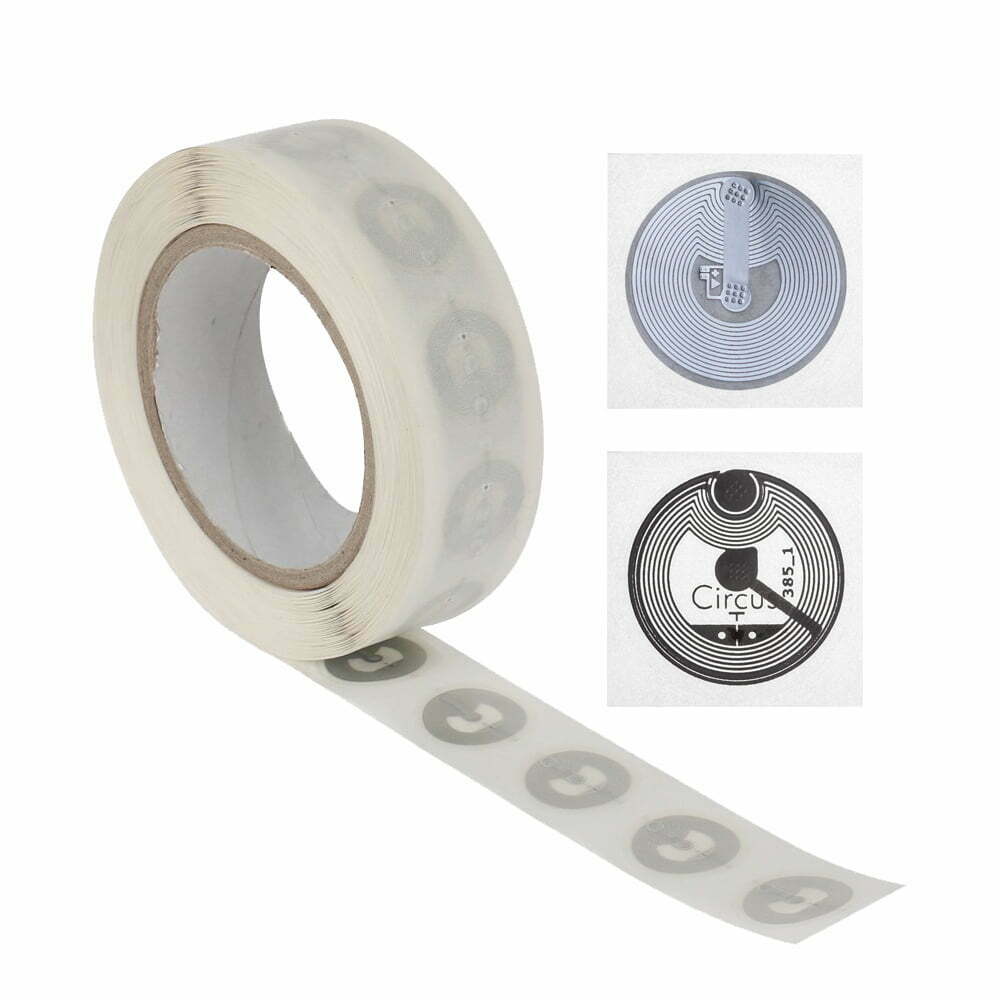
| Glumarkoj de NFC | Podetalaj produktaj etikedoj, vinboteloj | Preciza dezajno; ĉiu skanado skribas temp-stampitan eventon al la blokĉeno |
| NFC Inkrustaĵo (malseka/seka) | Enigita en produktan pakaĵon aŭ atestojn | Kontraŭfalsaĵo; integras nevideble por marka protekto |
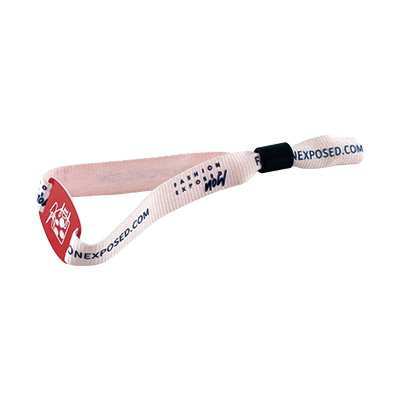
| NFC Silicone Wrinbands | Eventa aliro, farmacia malvarma ĉeno | Spuri gardajn translokigojn de sentemaj eroj per blokĉeno-ankritaj transdonoj |
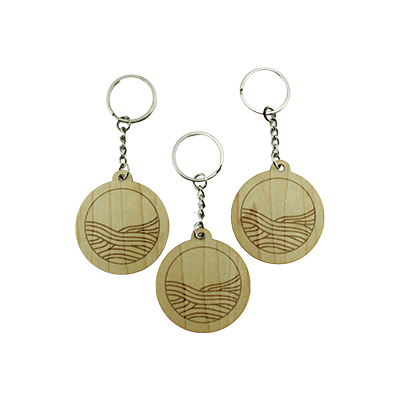
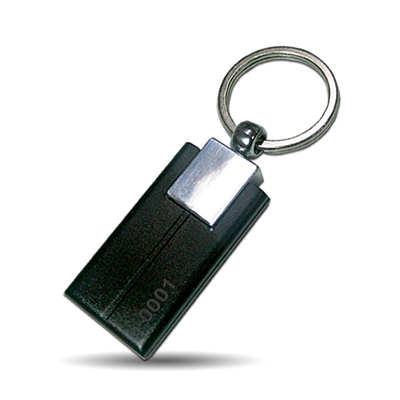
| NFC-ŝlosiloj & Kartoj | Oficistoj de dungitoj, kontrolado de valoraĵoj | Malcentra aŭtentigo por dungitoj kaj altvaloraj iloj |
| Komerckartoj de NFC | Luksomarkaj ambasadoroj, devena rakontado | Ligu fizikan personon al kontrolita cifereca identeco sur publika ĉeflibro |
Por pli severaj medioj, RFIDTAGHY proponas fortikan UHF RFID-etikedoj kaj kontraŭ-metala RFID -etikedoj. Dum UHF RFID estas tradicie uzita por stokregistrokalkulado, hibrida NFC/UHF -etikedoj ekzistas kiuj permesas al konsumanta NFC-frapo tiri blokĉenajn datumojn samtempe ebligante pograndan RFID-legadon en stokejoj.. Ĉi tiu duobla-interfaca aliro kunigas loĝistikan efikecon kun konsumant-alfronta travidebleco.
Efektivigo de NFC Blockchain Traceability: Paŝo-post-paŝa Superrigardo
Deploji NFC-bazitan blokĉenan solvon ne devas esti superforta. Jen altnivela vojmapo uzata de multaj el niaj B2B klientoj:
- Etikedkodigado: Ĉiu NFC-etikedo estas pravigita per unika privata ŝlosilo aŭ montrilo al blokĉena inteligenta kontrakto-adreso. Ĉi tiu kodado povas esti mendita kiel servo de NFCWORK.
- Ankrado de blokĉeno: La UID de la etikedo kaj komencaj produktaj datumoj (Batch -numero, dato de fabrikado, origino) estas hakitaj kaj registritaj sur elektita blokĉeno (publika kiel Ethereum aŭ privata konsorcia ĉeno).
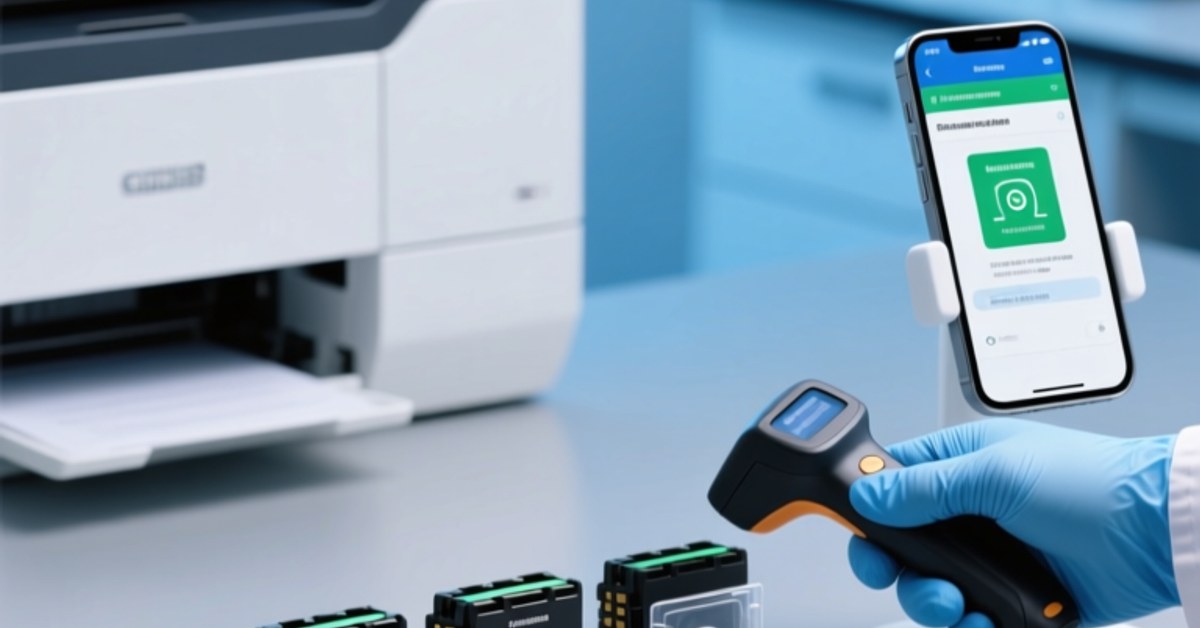
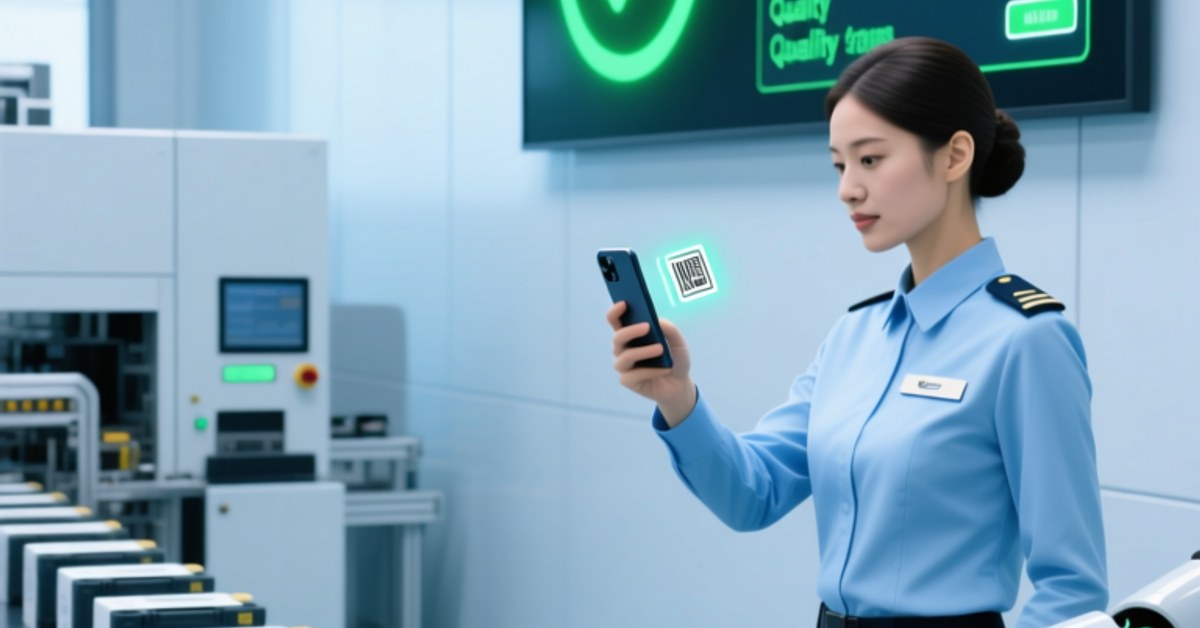
- Kampa skananta infrastrukturo: Manteneblaj RFID-legiloj aŭ NFC-ebligitaj saĝtelefonoj estas uzataj ĉe ŝlosilaj provizoĉenaj nodoj. Ĉiu skanado ĝisdatigas la vojaĝon de la produkto sur la ĉeflibro.
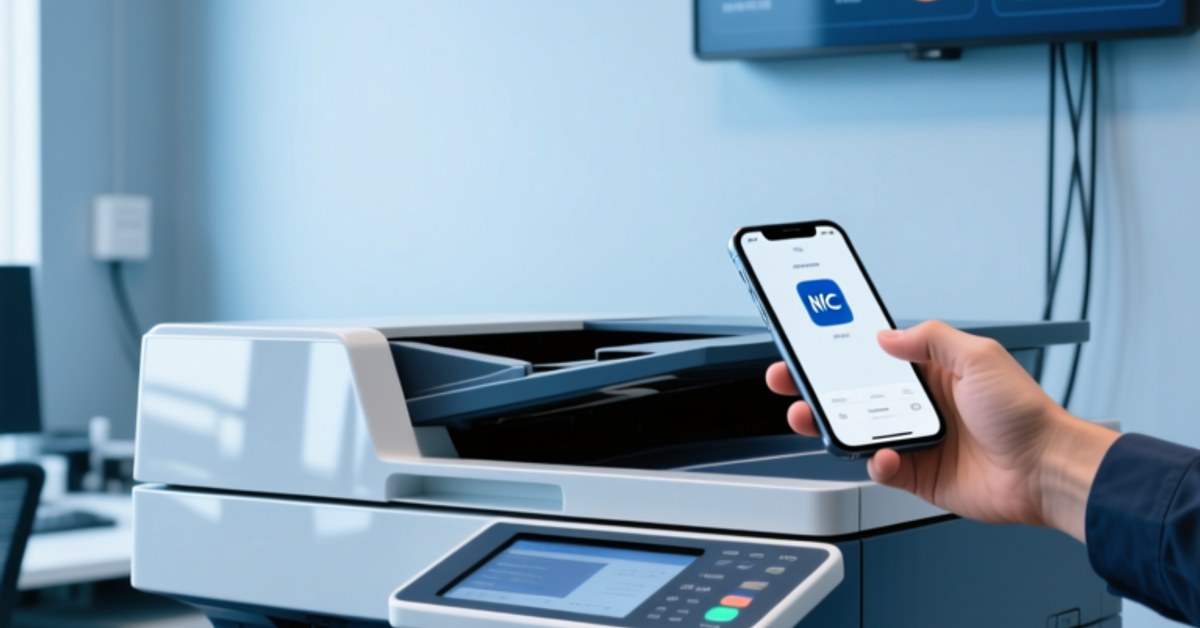
- Konsumanto-konfirmo: Finaj uzantoj skani la etikedon per sia telefono por vidi la neŝanĝeblajn devenajn datumojn, ofte montrata per poŝtelefon-amika retinterfaco.
- Daŭranta regado: Rol-bazitaj alirkontroloj sur la blokĉeno certigas ke nur rajtigitaj partioj povas aldoni datumojn, dum iu ajn koncernato povas legi la publikan registron.
Por OEM-oj kaj solvprovizantoj, provizante NFC-komponentojn de ununura fidinda partnero simpligas integriĝon. NFCWORK Technology ofertas NFC-etikedojn, inkrustaĵoj, kaj moduloj kiuj estas antaŭ-testitaj por blokĉena kongruo, certigante, ke via evoluciklo restas survoje.
Realaj Mondaj Profitoj kaj Uzaj Kazoj
Kiam NFC renkontas blokĉenon, pluraj uzkazoj preter simpla aŭtentigo aperas:
- Aŭtentikigo de luksaj varoj: Provita, neŝanĝeblaj originrakontoj por altnivelaj horloĝoj, mansakoj, kaj limigitaj eldonoj — evoluo de nia Aŭtentikigo de luksaj objektoj Solvo.
- Farmacia seriigo: Drogpakaĵoj ekipitaj per NFC-inkrustaĵoj kaj blokĉenaj rekordoj kontentigas DSCSA kaj FMD-konformecon malhelpante falsan distribuon..
- Spurado de daŭripovo: Dokumentu reciklitan materialan enhavon kaj karbonajn kompensojn per objekto, akordigante kun la Cifereca Produkta Pasporto iniciato.
- Evento kaj gastamo: NFC-pojnoj por senpa kontanta pago kaj aliro povas afiŝi transakciajn kvitancojn al privata blokĉeno, donante al organizantoj de eventoj aŭdeblaj spuroj.
Kial Nun Estas Tempo Investi en NFC Blockchain Solvoj
Reguligaj postventoj (T.e., EU Cifereca Produkta Pasporto mandato), konsumanta postulo je radikala travidebleco, kaj la pruvita kontraŭ-falsiga ROI akcelas adopton. Fruaj moviĝantoj ne nur protektas sian markon, sed ankaŭ transformas travideblecon en konkurencivan avantaĝon. Dum entreprenaj blokĉenaj platformoj maturiĝas, la kosto de efektivigo daŭre malpliiĝas. Kiam kombinita kun NFC-etikedoj de RFIDHYLa ampleksa katalogo de la - kostefika kaj surloke provita - la komerca kazo fariĝas konvinka.
Oftaj Demandoj
Kiel NFC-blokĉena spurebleco diferencas de QR-koda spurebleco?
NFC-etikedoj enhavas sekuran blaton kiu ne povas esti facile klonita, male al presitaj QR-kodoj. Kiam kunigita kun blokĉeno, ĉiu NFC-skanado generas kriptografie subskribitan okazaĵon, farante la rekordon multe pli rezistema al fraŭdo. QR-kodoj ankaŭ estas susceptibles al glumarkinterŝanĝo; NFC-inkrustaĵoj povas esti enigitaj nevideble, aldonante fizikan tavolon de sekureco.
Kia blokĉena platformo rekomendas por NFC-produkta aŭtentigo?
La elekto dependas de via uzokazo. Publikaj blokĉenoj kiel Ethereum aŭ Polygon ofertas maksimuman travideblecon kaj malcentralizon, ideala por konsumantaj produktaj pasportoj. Privataj aŭ konsorciaj blokĉenoj povas esti preferindaj por provizoĉenpartneroj postulantaj kontrolitan datuman videblecon. NFCWORK-Teknologio laboras kun klientoj por determini la optimuman ĉenon kaj eĉ provizas antaŭ-konfiguritajn NFC-etikedojn kiuj montras al inteligentaj kontrakto-adresoj..
Ĉu mi povas komenci malgrandan per NFC-blokĉena spurado kaj skalo poste?
Absolute. Multaj entreprenoj komencas kun pilota projekto—ekzemple, etikedante ununuran produktan linion aŭ okazaĵaron. NFC -Glumarkoj kaj pojnoj disponeblas en malaltaj minimumaj kvantoj, kaj blokĉenaj ankroj povas esti aldonitaj iom post iom. Ĉar la pruvo de koncepto sukcesas, la sistemo ekspansiiĝas al pli da SKUoj kaj loĝistikaj nodoj.
Ĉu mi bezonas specialan aparataron por legi NFC-etikedojn por blokĉena konfirmo?
Ne. Plej moderna saĝtelefonoj (kaj Android kaj iOS) havas indiĝenajn NFC-legokapablojn. Por industria aŭ magazena skanado, ni ofertas porteblajn RFID/NFC-legilojn, kiuj povas legi etikedojn amase kaj skribi datumojn al la blokĉeno per API-enirejoj.. Ĉi tiuj legantoj estas haveblaj de niaj partneraj retejoj.
Preta Konstrui Nerompeblan Fidon al Viaj Produktoj?
NFCWORK Teknologio, en partnereco kun RFIDHY kaj WristbandHY, provizas kompletan ekosistemon de NFC-etikedoj, RFID-inkrustaĵoj, pojnoj, kaj solvo-dezajnaj servoj por helpi vin disfaldi NFC-blokĉenan spureblecon ĉe skalo. Ĉu vi bezonas antaŭkoditajn NFC-etikedojn pretajn por blokĉena ankro aŭ personecigitan platformon de Cifereca Produkta Pasporto, nia teamo estas ĉi tie por gvidi vin de idearo ĝis tutmonda lanĉo.
Kontaktu Niajn Fakulojn Hodiaŭ diskuti vian spureblecon aŭ peti specimenojn de NFC-etikedoj optimumigitaj por blokĉena integriĝo.