Kuinka korroosionkestävät NFC-tunnisteet muuttavat digitaalisten merituotteiden passien hallintaa
Merenkulun johtajille, valtameri on sekä elinehto $3 biljoonan talous ja sen suurin vihollinen. Pelkästään meriveden korroosio maksaa maailmanlaajuiselle meriteollisuudelle arviolta $80 miljardia vuodessa (NACE:n kansainvälinen vaikutusraportti). Kun perinteiset omaisuustunnisteet epäonnistuvat, jäljitettävyys, noudattamista, ja kustannusten hallintaan. Korroosionkestävä NFC -tunnisteet suunniteltu erityisesti meriympäristöihin, muuttavat tästä haasteesta kestävän kilpailuedun.
Vaikeiden ympäristöjen korkeat kustannukset: Miksi vakioseuranta epäonnistuu
Merioperaatioissa, jatkuva meriveden aiheuttama korroosio, kosteutta, ja fyysinen kuluminen voi johtaa vakaviin häiriöihin:
- Lukemattomat tunnisteet: Syövytyt viivakoodit ja RFID -tunnisteet tehdä omaisuuden tunnistamisen mahdottomaksi.
- Tietojen menetys: Tunnistevirhe voi johtaa kriittisen huoltohistorian menettämiseen, turvallisuustodistukset, ja osa alkuperätiedot.
- Vaatimustenmukaisuusriski: Luokituslaitoksen sääntöjen kirjausketjut (ABS, DNV, Lloyd's Register) ja ympäristömääräyksiä ei voida antaa.
- Käyttökustannukset: Manuaalinen seuranta on virhealtista ja aikaa vievää, johtaa tarpeettomiin osien vaihtoihin ja kalliisiin seisokkeihin.
Ratkaisu: Marine-luokan NFC digitaalinen tuotepassi
Läpimurto piilee erittäin kestävässä NFC -tunnisteet jotka kestävät elementtejä samalla kun dokumentoivat komponentin digitaalisen elinkaaren.
Tekninen tuki:
Titaaniseoksesta valmistettu kapselointi: Tunnisteet on kapseloitu ilmailukäyttöön tarkoitettuun titaaniseoksesta valmistettuun koteloon, tarjoaa vertaansa vailla olevan meriveden korroosionkestävyyden, paine, ja vaikutus.
ISO 9227 Sertifiointi: Nämä tunnisteet testataan tiukasti, ja ne ovat läpäisseet tuhansia tunteja suolasuihkutestauksen, varmistaa luotettavan toiminnan ankarimmissakin meriolosuhteissa.
Dynaaminen tietojen tallennus: Jokainen väärentämisen estävä tagi tallentaa kriittiset tiedot suoraan sirulle, käytettävissä offline-tilassa:
- Komponenttien alkuperäisen laitteen valmistaja (OEM) ja asennuspäivämäärä
- Dynaaminen huolto- ja huoltohistoria
- Turvallisuustarkastustodistus
- Seuraava suunniteltu huoltopäivä
- Yhteys täydelliseen pilvipohjaiseen tekniseen dokumentaatioon
Tapaustutkimus: Kuinka suuri telakka alensi varaosakustannuksia 50%
Euroopan johtava telakka ja alusoperaattori kärsi huomattavia kustannuksia:
- Vuotuinen korvausaste jopa 35% kriittisille venttiileille ja pumpuille todentamattomien huoltohistorian vuoksi.
- Tuhansia työtunteja meni hukkaan pakollisten turvallisuusauditointien seurantaan.
- Projektit viivästyivät usein odottaessa varaosia, joiden alkuperää ei voitu varmistaa.
NFC-tietosuojaratkaisu (DPP) he asettuivat laivaan:
- Yli 5,000 kriittiset komponentit (venttiilit, pumput, luukun kannet) oli varustettu titaanikapseloiduilla NFC-tunnisteilla.
- Jokainen komponentti varustettiin ainutlaatuisella digitaalisella passilla, joka sisälsi alkuperäisen laitevalmistajan (OEM) tiedot, asennuspäivämäärä, ja palvelulokit.
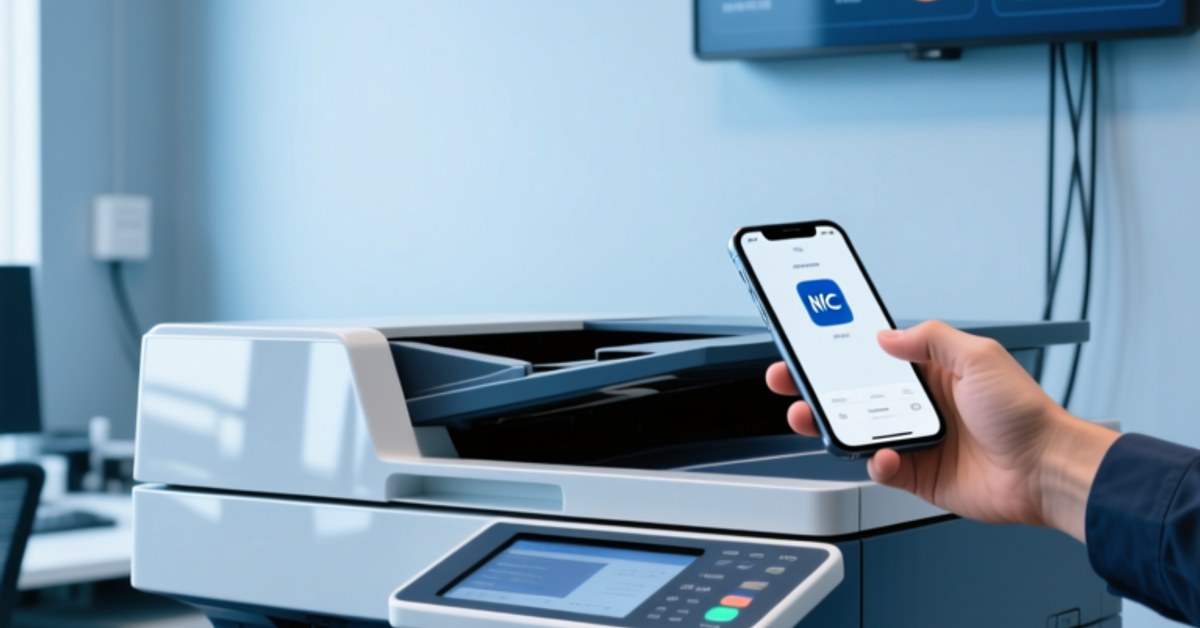
- Insinöörit oli varustettu kestävillä älypuhelimet skannataksesi ja päivittääksesi DPP reaaliajassa huollon aikana.
Dokumentoidut tulokset:
- Vähennä tarpeettomia osien vaihtoja 50% validoimalla todellinen vs. odotettu käyttöikä.
- Lisää turvallisuusauditoinnin noudattamista 90% välittömällä digitaalisella pääsyllä komponenttihistoriaan.
- Tallentaa $1.2 miljoonaa osa- ja työvoimakustannuksia ensimmäisenä vuonna.
- Täysin IMO DSS:n mukainen (Kansainvälinen merenkulkujärjestö) ohjeita.
Aluksen DPP-järjestelmän rakentaminen: Avainkomponentit
| Komponentti | Vaatimus | Tarkoitus |
|---|---|---|
| NFC -tunniste | Titaanikoteloitu, ISO 9227 sertifioitu | Selviää merivedestä, UV-altistus, fyysinen vaikutus |
| Tietorakenne | Offline-ensin tärkeät tiedot (ID, viimeinen palvelu) | Pääsee ilman liitäntää konehuoneissa/tiloissa |
| Pilvi-alusta | Kyberturvallinen, luokan hyväksytty | Tallentaa täydelliset tekniset tiedostot, käsikirjat, ja päivitä historiaa |
| Lukija | Kestävä, ATEX-sertifioitu vaarallisille alueille | Käytetään kaikissa ympäristöissä sillasta pilssiin |
Murtautumattoman jäljitettävyyden toimintasuunnitelmasi
- Tunnista arvokkaat kohteet: Aloita turvallisuuskriittisistä ja kustannusvaltaisista komponenteista (propulsiojärjestelmät, ohjausvaihde, painolastiventtiilit).
- Valitse oikea laitteisto: Priorisoi NFC-tunnisteet riippumattomilla sertifikaateilla (ESIM., ISO 9227).
- Määritä dataprotokollat: Selvitä, mitkä tiedot on tallennettava offline-tilaan tunnisteeseen ja mitkä pilveen tarkastajille ja insinööreille.
Saatat olla kiinnostunut myös:
Lisätietoja,Ole hyvä Ota yhteyttä.