Miksi integroida RFID PPE ERP:hen??
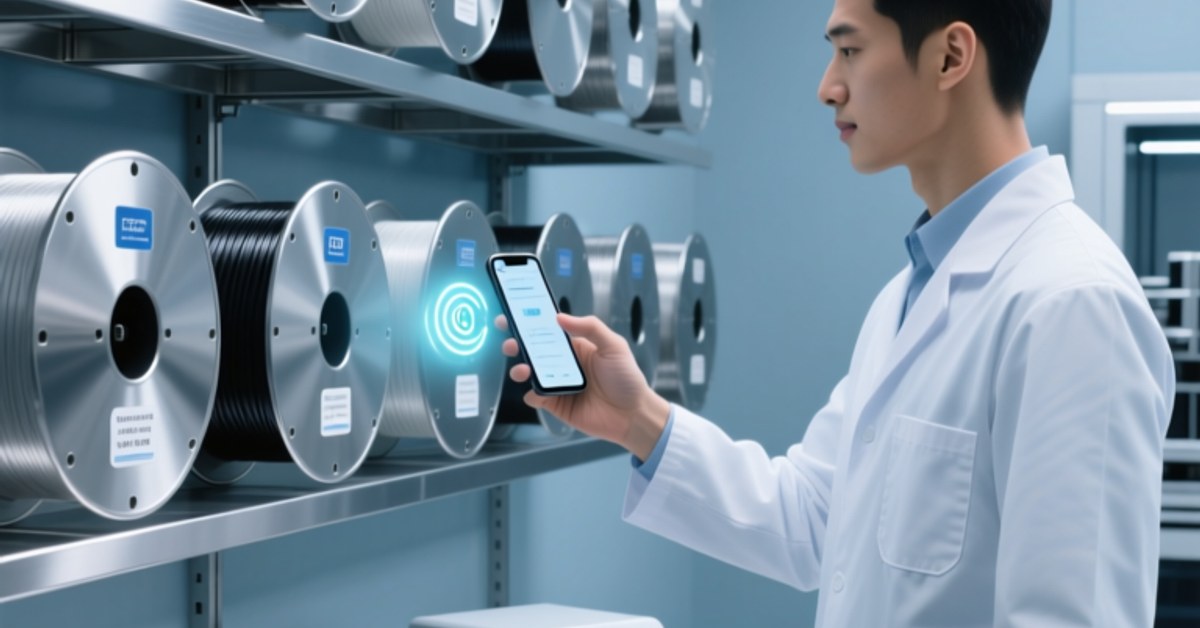
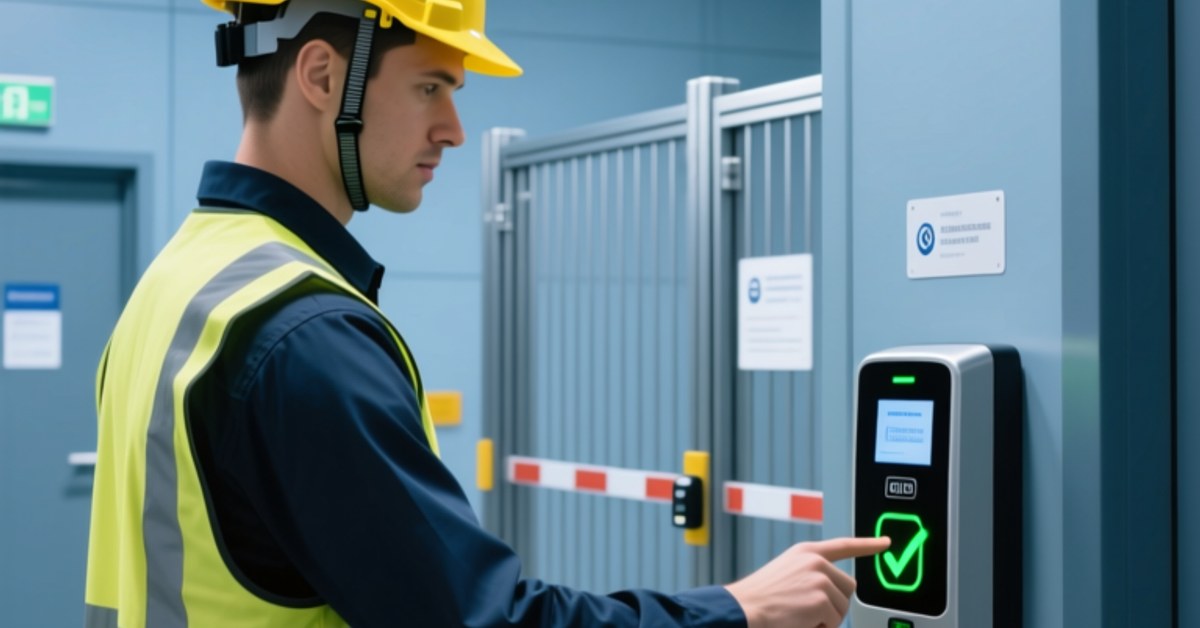
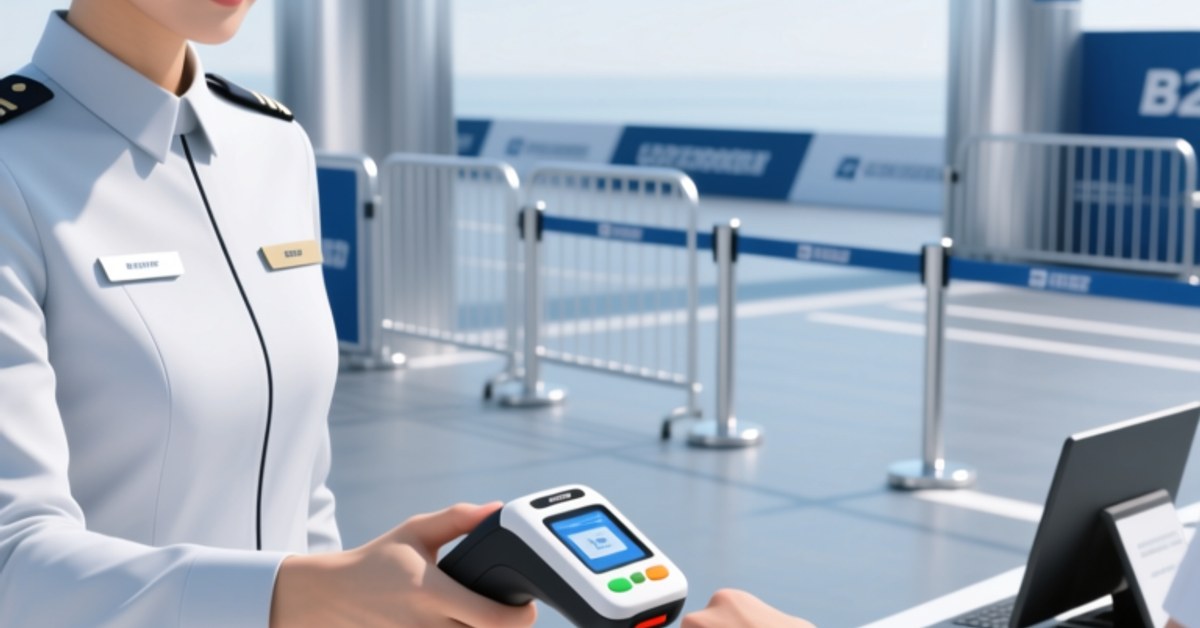
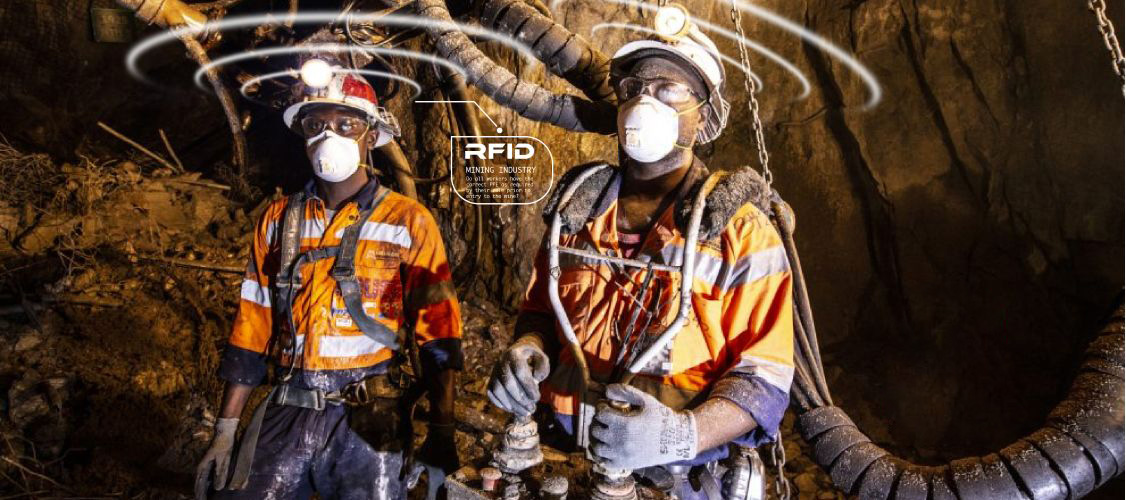
Valmistus- ja rakentamisskenaarioissa, kiinnittämällä RFID-kypärän tunnisteet turvakypäriin, ompelu kangas RFID -tunnisteet liiveihin, ja käyttäminen UHF RFID -tunnisteet + kädessä pidettävät RFID-lukijat ja teollisuustason RFID-lukijat tilaus-/palautustapahtumien keräämiseen, nämä tiedot voidaan lähettää suoraan ERP-järjestelmään integroituun PPE-seurantamoduuliin. Tämä muuttaa manuaalisen rekisteröinnin ja paperitietueet automatisoiduksi työnkuluksi: automaattisesti luomalla hakulomakkeita, laukaisee varaston täydennyksen, ja luoda automaattisesti vaatimustenmukaisuusraportteja, Näin parannetaan tarkastuksen avoimuutta ja vaatimustenmukaisuuden tehokkuutta. Useat laitevalmistajat ja alan valkoiset kirjat osoittavat, että tietojen automaattinen kerääminen ja tuonti ERP-järjestelmiin on keskeinen askel henkilönsuojainten vaatimustenmukaisuuden hallinnassa..
Ydinintegraatioarkkitehtuuri
Ensimmäinen kerros on tunniste- ja lukijakerros: Käytetään säänkestäviä UHF-RFID-tunnisteita tai anti-metallisia RFID-tunnisteita, käytössä kiinteillä antenneilla ja teollisuustason ja kädessä pidettävillä RFID-lukijoilla paikan päällä tapahtuvaa tiedonkeruuta varten. Keskikerros muodostaa yhteyden RFID-omaisuudenhallintajärjestelmään IoT:n/väliohjelmiston avulla (RFID-tietojen puhdistus, päällekkäisyyden poistaminen, tapahtumakartoitus), ja työntää sitten standardoidut tapahtumat ERP:hen (PPE-moduuli tai materiaalimoduuli) API:n kautta, jolloin saavutetaan suljettu silmukka PPE RFID -datan pääsylle ERP:hen. Käytännön suunnittelukokemus osoittaa, että käyttöliittymäsuunnittelu laitteen päästä ERP:hen on ratkaisevan tärkeää projektin onnistumiselle, jotka edellyttävät määriteltyjä luku-/kirjoitussääntöjä ja poikkeamien suodatusstrategioita.
Toteutusvaiheet (Käyttöönottoopas)
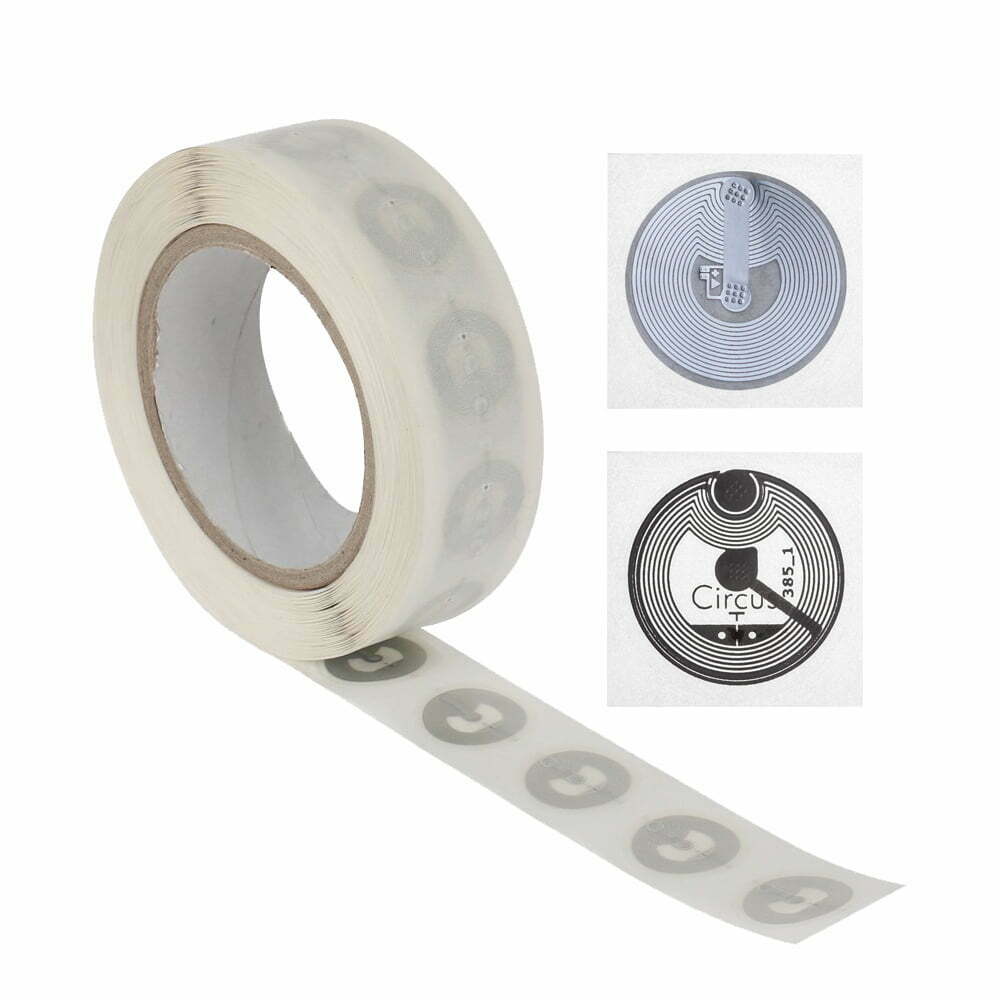
Pilottitunnisteet ja lukijat: Suorita pienimuotoisia pilottivarastolaskentoja käyttämällä liimallisia UHF RFID -tunnisteita ja RFID-kangastunnisteita, ja tarkista tulokset kädessä pidettävien RFID-lukijoiden avulla.
Middleware säännöt: Toteuta deduplikaatiosäännöt luku-/kirjoitustapahtumille, lyhyen/pitkän matkan tunnistuskynnykset, ja RFID-luku-/kirjoitustapahtumien puhdistussäännöt tunnistettavien haku- ja palautustietueiden tulostamiseksi ERP-järjestelmää varten.
ERP-kartoitus ja automaattinen raportointi: Perusta ERP-järjestelmään henkilökohtainen suojamoduuli (kentät: tunnisteen tunnus, henkilötunnus, tilausaika, huoltosykli, paluuaika), ja ota käyttöön automaattinen raportointi ja varastohälytykset.
Odotetut edut ja tietotuki: RFID voi parantaa merkittävästi varastolaskennan tarkkuutta (yleensä lisäämällä raportoinnin tarkkuutta 65% ohi 95%), lyhentää laskenta-aikaa, ja vähentää inhimillisiä virheitä. Kirjoittamalla RFID-tapahtumat automaattisesti ERP-järjestelmään, yritykset voivat samanaikaisesti vähentää korvauskustannuksia, manuaalisen laskennan kustannukset, ja vaatimustenmukaisuuden auditointikustannukset, parantaa siten omaisuuden kiertoa ja tarkastusten vastausnopeutta.
Riskit ja lieventämistoimenpiteet: Paikan päällä olevat metallirakenteet ja betoni voivat vaikuttaa RFID-tunnisteen lukemiseen; siksi, antimetalliset RFID-tunnisteet tulee valita tai kuolleet kulmat tulisi poistaa optimoimalla antenniasettelu. Välttääksesi liiallisen päällekkäisen tiedon kirjoittamisen ERP-järjestelmään, RFID-luku-/kirjoitustapahtumien duplikoinnin ja poikkeamien suodatus on toteutettava väliohjelmistokerroksessa. Yksityisyyden suhteen, olisi laadittava selkeä tietojen säilyttämispolitiikka, rajoittaa pääsyä RFID-henkilösuojaimien tietoihin ERP-järjestelmässä, ja asianmukaiset tarkastukset olisi suoritettava.
Täydelliseen ratkaisuun, on suositeltavaa valita toimittaja, joka voi tarjota “tunnisteen mukauttaminen + teollisuusluokan RFID-lukijat + Kädessä pidettävät RFID-lukijat + väliohjelmisto + ERP-rajapinnan kehittäminen”. Esimerkiksi, ammattimainen RFID-yritys RFIDHY tarjoaa UHF RFID -tunnisteen mukauttamisen, teollisuusluokan RFID-lukijat, RFID-omaisuudenhallintajärjestelmät, ja ERP-integraatiopalvelut. Pilottivaiheen aikana, se voi tulostaa hakuja ja palauttaa tietoja, jotka voidaan tuoda suoraan ERP-järjestelmään.
Tuotesuositukset
Säänkestävät UHF-suojakypärän tunnisteet: Soveltuu ulkokäyttöön rakennustyömaille, käytetään teollisuusluokan RFID-lukijoiden kanssa;
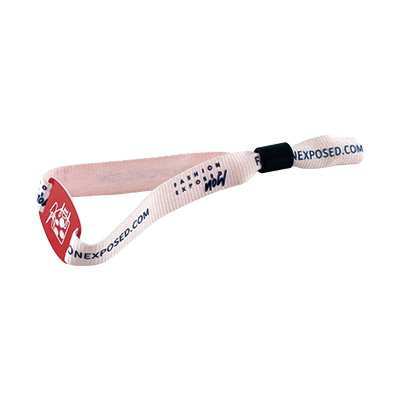
RFID-tekstiilitunnisteet: Soveltuu turvaliivien ompelemiseen, integroitu RFID-omaisuudenhallintajärjestelmiin kirjanpitoa varten;
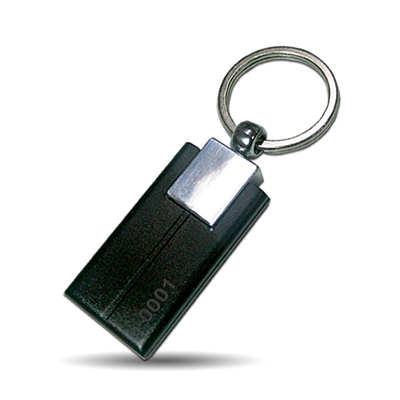
Kestävät ja kestävät UHF-teollisuustunnisteet: Sopii metalliin tai ankariin ympäristöihin, käytetään teollisuusluokan RFID-lukijoiden kanssa.
Faq
Q1: Kuinka kauan kestää ensimmäisen automaattisen raportin luominen PPE-seurannan ERP:n integroinnin jälkeen?
Eräs: Pilottitestauksesta ensimmäiseen automaattiseen raporttiin, se kestää yleensä 4–12 viikkoa, riippuen ERP-rajapinnan ja väliohjelmiston kypsyydestä. Avain on standardointi tapahtumien välillä RFID-lukija/kirjailija ja RFID-omaisuudenhallintajärjestelmä.
Q2: Vaikuttaako RFID PPE -integraatio työntekijöiden yksityisyyteen??
Eräs: Minimoi henkilökohtaisesti tunnistettavien tietojen pääsy ERP-järjestelmään; vain tallennuslaitteiden tunnukset ja tapahtumat (tilaus/palautus), ja määritä pääsynvalvonta ja säilytyskäytännöt ERP-järjestelmään.
Lisätietoja,Ole hyvä Ota yhteyttä.