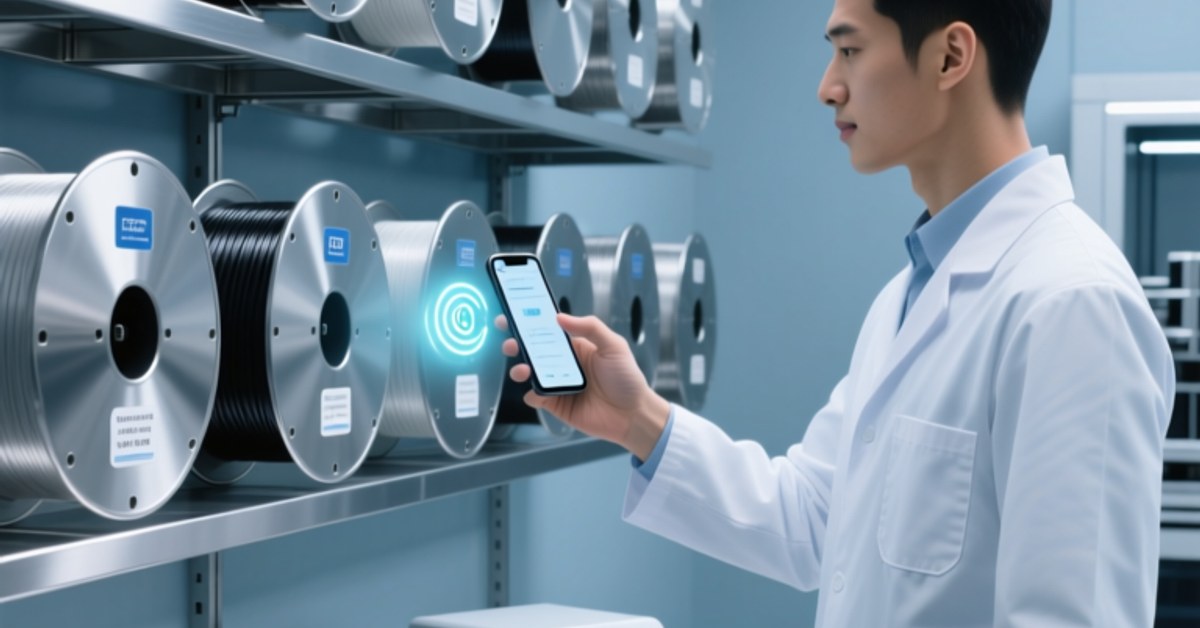
Teollisuuspesulat käsittelevät suuria määriä tekstiiliä (lakanat, pyyhkeet, univormut, jne.) joka päivä. Traditional manual counting methods are inefficient, virhealtista, and make it difficult to track the usage status of the textile. The application of RFID enables automated textile management, significantly enhancing operational efficiency and reducing loss costs.
RFID Textile Tags: The Intelligent Core of Industrial Laundry Management
RFID-tekstiilitunnisteet are high-temperature and wash-resistant electronic tags that can be sewn or embedded into textile. They can be quickly read non-contact through radio frequency technology. Specifically designed for the high-temperature, high-pressure, and chemical washing environments of industrial laundry, they ensure long-term stable operation.
Compared with the traditional textile management methods, RFID technology has significant advantages in terms of inventory efficiency, tietojen tarkkuus, textile tracking and loss prevention. The traditional manual inventory process is slow and prone to errors, while the RFID-järjestelmä can perform batch scanning, complete the inventory in seconds, and automatically record data, achieving zero-error management. Samaan aikaan, RFID technology can fully track the usage records of textile, and effectively reduce textile loss through electronic monitoring.
The key application of RFID in the industrial laundry process
Automated collection and classification of textile
The traditional collection method requires manual verification of quantities, which is prone to confusion regarding different customers’ tekstiilejä. kanssa RFID ratkaisu, during collection, the textiles are automatically scanned by readers, and the quantities and types of textiles are recorded in real time. The system can also automatically classify the textiles, avoiding mixed washing and significantly improving sorting efficiency.
Optimization of the washing process
The traditional washing method cannot accurately record the number of washes, which may lead to excessive washing or insufficient washing. The RFID-järjestelmä automatically records each wash, ensuring that the process is carried out according to the standard procedures and can intelligently adjust the program based on the number of washes, effectively extending the service life of the textile.
Intelligent management of textile drying and finishing
The RFID -tunniste has high-temperature resistance and can monitor the status of the textile in the drying process in real time. The system automatically counts the number of dryings and significantly reduces manual intervention, improving work efficiency.
Textile distribution and inventory management
During the outbound process, the RFID access control system will automatically scan to prevent textile loss or incorrect distribution. Real-time updated inventory data helps the laundry factory avoid situations of shortage or excess.
Textile scrapping and replacement decision-making
The system will completely record the number of washes for each piece of textile. When the preset threshold is reached, the system will automatically prompt for replacement. This data-driven decision-making method can effectively reduce customer complaints caused by excessive use.
Industrial-grade characteristics of RFID textile tags
Superior durability
RFID textile tags can withstand temperatures above 200℃ and are fully compatible with the steam disinfection environment in industrial laundry. Their resistance to acid and alkali, as well as mechanical friction, varmistaa pitkäaikaisen vakaan käytön ankarissa pesuolosuhteissa.
Tehokas tunnistusominaisuus
Käyttää UHF RFID -tekniikkaa, se tukee pitkän matkan erälukemista, joka soveltuu erityisesti suurten pesulatehtaiden käyttötarpeisiin. Järjestelmä voi skannata satoja tekstiilituotteita sekunnissa, parantaa merkittävästi toiminnan tehokkuutta.
Tietoturva ja jäljitettävyys
RFID-järjestelmä käyttää salattua tallennustekniikkaa, estää tehokkaasti tietojen peukaloinnin. Samaan aikaan, se voi tallentaa lähteen kokonaan, pesuhistoria, ja tekstiilin käyttötila, tarjoaa luotettavan perustan johdon päätöksille.
Kuinka ottaa käyttöön RFID-tekstiilitunnistejärjestelmä?
Valitse sopivat RFID-tunnisteet
Teolliseen pesulaympäristöön, UHF RFID -tunnisteet suositellaan, koska ne soveltuvat pitkän matkan ja nopeaan skannaukseen. The encapsulation material of the tags should be selected from heat-resistant and corrosion-resistant silicone or epoxy resin.
Deploy RFID reading and writing devices
Install fixed or handheld readers at key stages such as collection, lajittelu, pesu, and outbound. Combined with the access control system, it can effectively prevent textile loss.
Integrate laundry management software
Connect RFID data with ERP or MES systems to achieve full-process digital management. The various reports generated by the system can provide strong support for operational decisions.
Actual Case: How RFID Improves Laundry Plant Efficiency?
A large chain hotel laundry plant processes over 100,000 pieces of textile every day. Aikaisemmin, they used manual counting methods, which was not only time-consuming and labor-intensive but also had a high error rate. Tekstiilien hävikkiaste oli noin 5%.
Kun olet upottanut UHF RFID -vuodevaatteet ja asentanut automaattisen skannausjärjestelmän pesulinjalle, saavutettiin merkittäviä tuloksia: varastointiaika lyheni 85%, vuodevaatteiden hävikkiaste laski alle 1%, ja merkittäviä kustannussäästöjä saavutettiin.
Ota yhteyttä ammattimaisten ratkaisujen saamiseksi.
Saatat olla kiinnostunut myös:
Lisätietoja,Ole hyvä Ota yhteyttä.