Di fronte a numerose soluzioni tecnologiche RFID sul mercato, come possono i collezionisti d'arte, galleristi, oppure i gestori dei musei scelgono un vero professionista, soluzione affidabile adatta alle loro esigenze? Questo non è semplicemente un acquisto di hardware, ma una decisione strategica riguardante la gestione del valore a lungo termine delle collezioni. Di seguito sono elencate cinque dimensioni fondamentali da considerare per selezionare una soluzione di gestione intelligente RFID davvero professionale per l'arte.
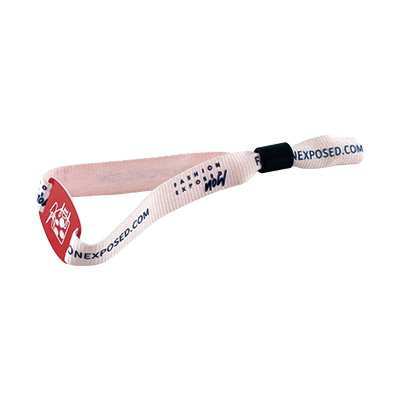
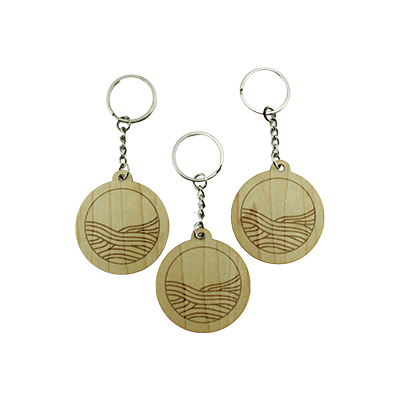
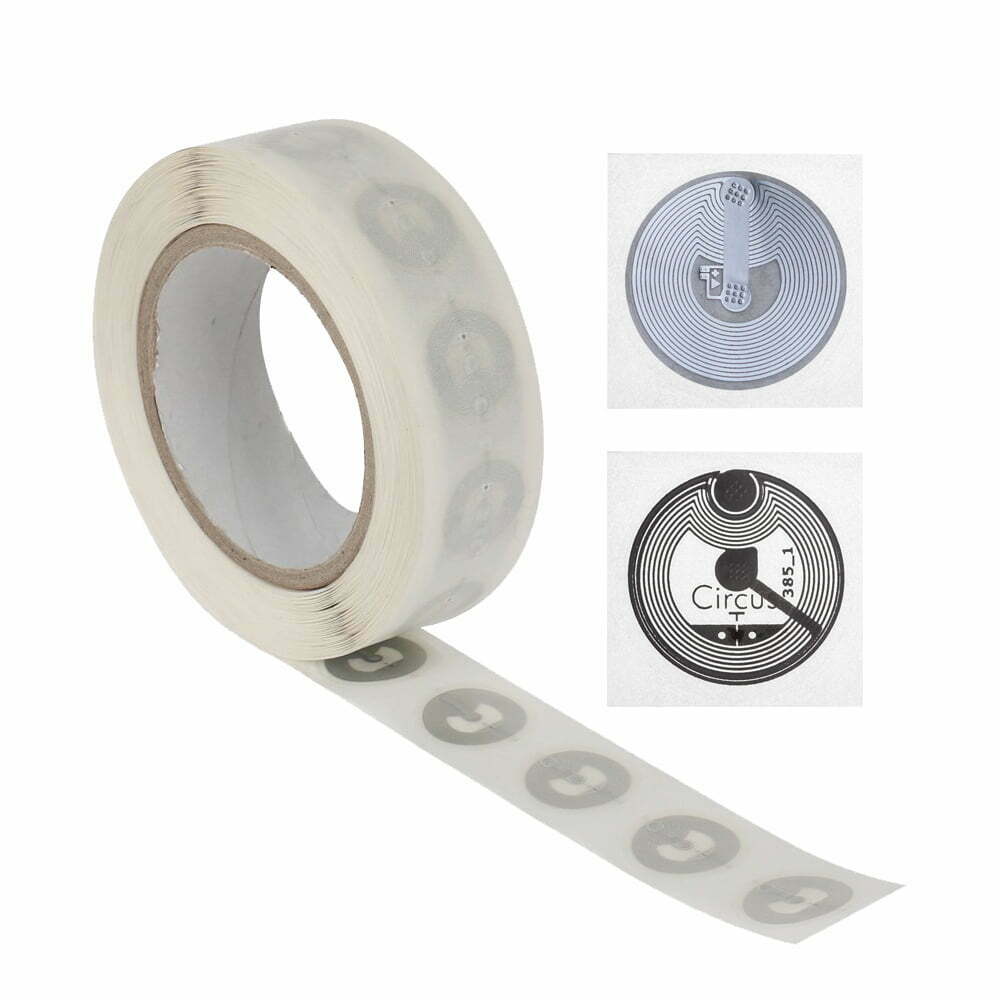
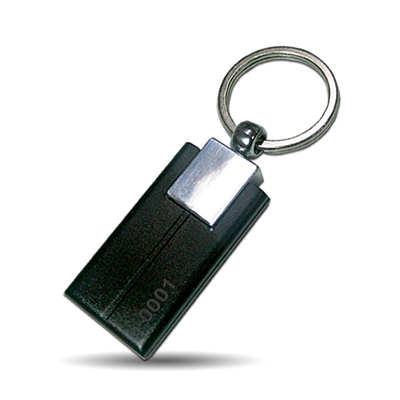
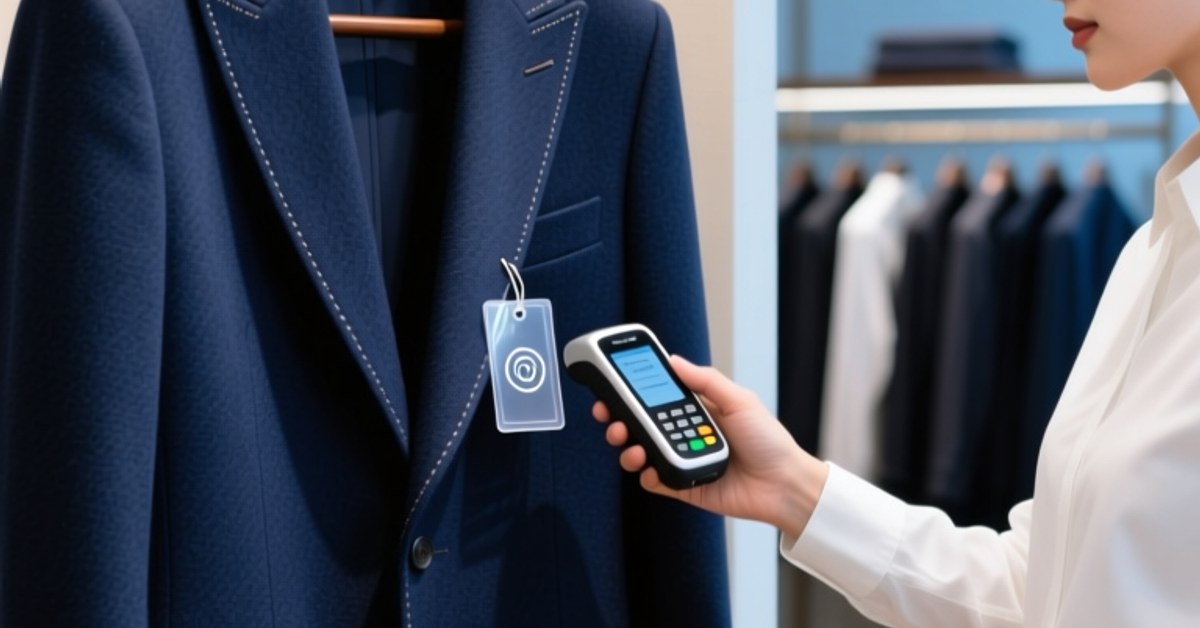
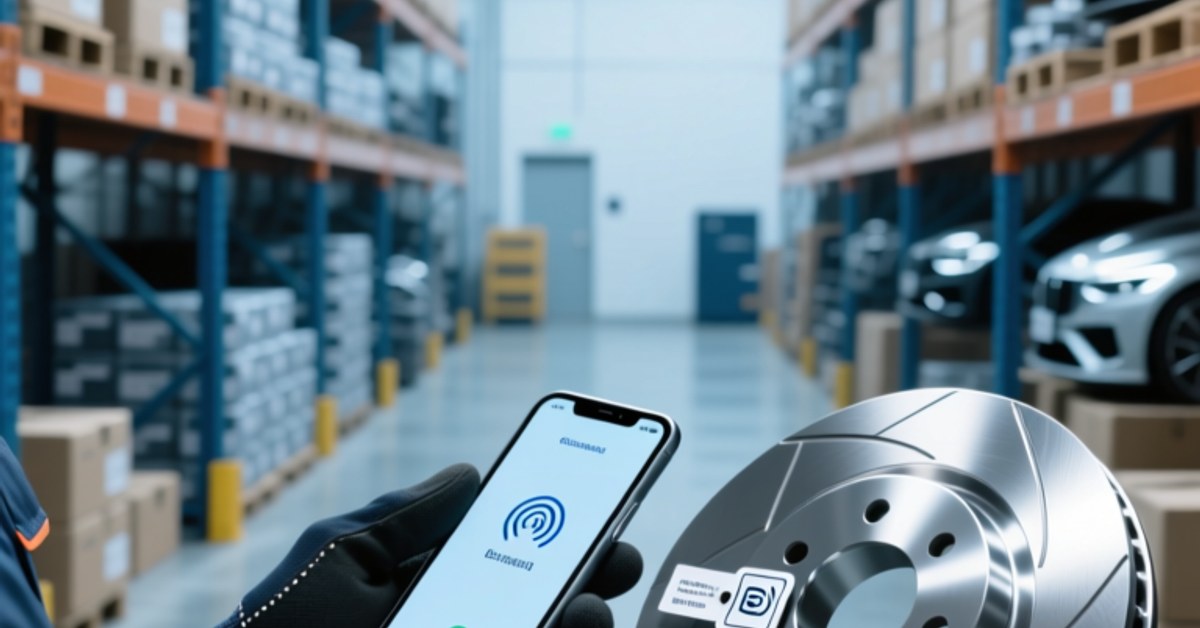
Primo, il nocciolo sta nel tag. Le opere d'arte hanno requisiti estremamente severi per i tag. È necessario scegliere un grado di archiviazione privo di acidi Tag RFID che sono innocui per i materiali e possono funzionare stabilmente per lungo tempo, o personalizzato tag RFID incorporati che possono essere incastonati all'interno di cornici o sculture. La dimensione del tag, forma, distanza di lettura, e adattabilità ambientale (resistenza ai cambiamenti di temperatura e umidità) deve corrispondere perfettamente al tipo di collezione (dipinti ad olio, libri antichi, sculture in metallo, ecc.).
Secondo, la sicurezza e la sovranità dei dati sono fondamentali. Assicurati che il sistema adotti standard di crittografia internazionali e di avere il controllo completo sui dati. Che si tratti di storage su catena o di distribuzione privata, dovrebbe essere fornito un chiaro protocollo di gestione dei dati.
Terzo, la compatibilità e la scalabilità del sistema ne determinano il valore a lungo termine. Un'eccellente piattaforma di gestione della digitalizzazione delle collezioni d'arte dovrebbe connettersi facilmente al database delle collezioni esistenti (come PastPerfect) e supporta la verifica in loco tramite un'app di autenticazione NFC mobile. In caso di futura espansione al monitoraggio ambientale RFID del magazzino (come allarmi di temperatura e umidità) è necessario, il sistema dovrebbe anche essere in grado di aggiornarsi senza problemi.
Quarto, gli scenari applicabili ai dispositivi di lettura e scrittura devono essere attentamente considerati. Dai tablet per inventario RFID ad alta precisione utilizzati nel magazzino alle porte di accesso RFID dal design estetico all'ingresso della sala espositiva, la scelta delle attrezzature dovrebbe bilanciare funzionalità e integrazione ambientale.
Finalmente, e soprattutto, è l’esperienza nel settore del fornitore di servizi e le capacità di servizio complete. Un fornitore di servizi come Rfidhy, che si concentra sulla gestione patrimoniale di alto valore, non solo può fornire hardware ma anche comprendere profondamente le esigenze specifiche del settore artistico, fornendo un servizio unico dalla selezione dei tag, digitalizzazione degli archivi, dall'implementazione del sistema alla formazione del personale. Sono maturi “autenticazione” la piattaforma è stata verificata da più musei d'arte, e la sua professionalità non ha eguali nelle soluzioni generiche.
FAQ:
1.È necessario implementare un sistema RFID completo per una piccola collezione?
Per un numero limitato di collezioni di alto valore, le esigenze principali sono la lotta alla contraffazione e l'assistenza alle transazioni. Puoi scegliere una soluzione leggera, come l'acquisto di un lotto di tag di autenticazione anticontraffazione NFC Art e l'utilizzo di una piattaforma affidabile di terze parti matura o del servizio SaaS standardizzato fornito da Rfidhy per l'associazione e la gestione dei dati. Questo è conveniente e può effettivamente migliorare la credibilità della raccolta.
2.Come posso garantire che i dati che scrivo nei tag e nel cloud siano in un formato standard del settore per evitare di essere vincolati a un unico fornitore in futuro??
Quando si sceglie una soluzione, dovresti richiedere al fornitore di servizi di seguire o supportare quadri di standard di dati riconosciuti a livello internazionale, come l'arte collegata. Allo stesso tempo, assicurati che i tuoi dati possano essere esportati in formati standard (come JSON, CSV). I fornitori di servizi professionali come RFIDHY solitamente forniscono API aperte e strumenti di esportazione dei dati per proteggere la sovranità dei dati e la futura portabilità.
Per ulteriori informazioni,Per favore contattaci.