Introduzione: Il nuovo mandato per la tracciabilità farmaceutica
L’industria farmaceutica sta attraversando un cambiamento fondamentale. Quadri normativi come gli Stati Uniti. Legge sulla sicurezza della catena di approvvigionamento dei farmaci (DSCSA) e la Direttiva UE sui medicinali falsificati (Fmd) ora richiedono la tracciabilità end-to-end, serializzazione, e verifica dei farmaci soggetti a prescrizione. Mentre i codici a barre tradizionali e le matrici di dati 2D hanno costituito la spina dorsale della conformità, La tracciabilità farmaceutica NFC sta emergendo come un potente complemento, offrendo l'autenticazione in tempo reale, coinvolgimento del paziente, e una migliore visibilità della catena del freddo.
A Tecnologia NFCWORK, consideriamo NFC non un sostituto degli standard di serializzazione esistenti, ma come uno strato pratico che aggiunge sicurezza, semplicità, e l’interazione diretta dei consumatori con le catene di fornitura farmaceutiche.
Comprensione dei requisiti DSCSA e EU FMD
DSCSA: Tracciabilità completa a livello di unità tramite 2023
Il DSCSA impone un sistema completamente elettronico, sistema interoperabile per tracciare i farmaci soggetti a prescrizione a livello di confezione negli Stati Uniti. catena di fornitura. I requisiti chiave includono:
- Identificatore del prodotto (compreso l'NDC, numero di serie, numero di lotto, data di scadenza) su ogni confezione.
- Informazioni sulle transazioni ed estratti conto scambiati ad ogni cambio di proprietà.
- Sistemi di verifica per individuare e rispondere a prodotti sospetti o illegittimi.
- Solo partner commerciali autorizzati.
FMD dell’UE: Caratteristiche di sicurezza e smantellamento
La FMD europea richiede due caratteristiche di sicurezza sulla maggior parte dei medicinali soggetti a prescrizione:
- Un identificatore univoco (interfaccia utente) codificato in una matrice di dati 2D.
- Un dispositivo anti-manomissione (ATD).
Le farmacie e gli ospedali devono verificare e disattivare l'IU al momento della distribuzione tramite un sistema di archivio nazionale.
Entrambi i regolamenti mirano a prevenire la falsificazione dei medicinali, diversione, ed errori, ma l’applicazione delle norme dipende in larga misura dalla scansione e dall’integrità dei dati. NFC può rafforzare questi sistemi rendendoli più semplici, verifica orientata al consumatore e approfondimenti sulla catena di fornitura.
Serializzazione abilitata NFC: Come funziona
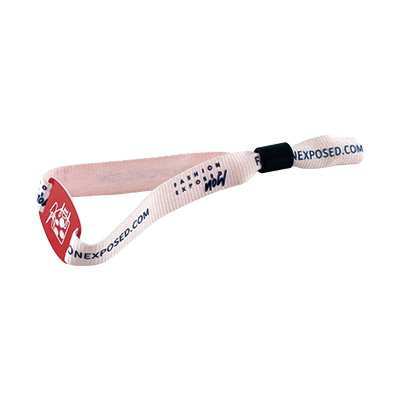
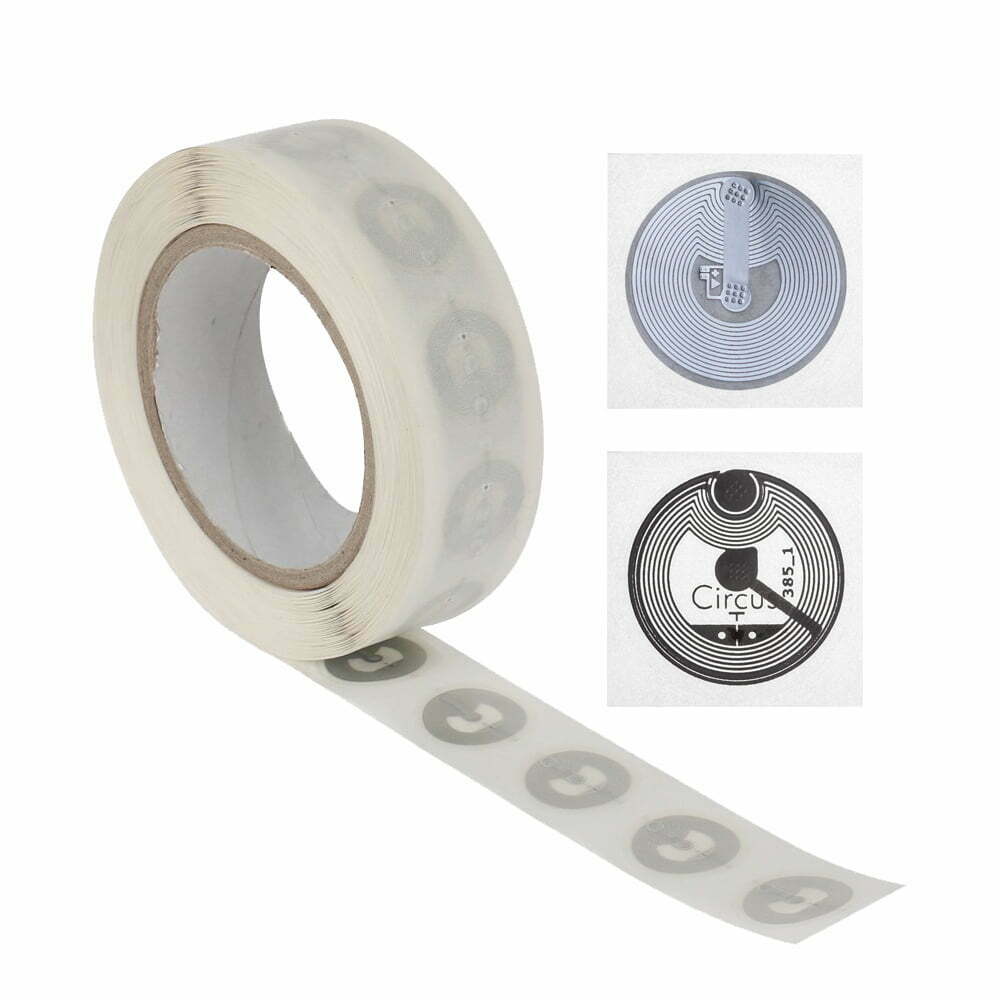
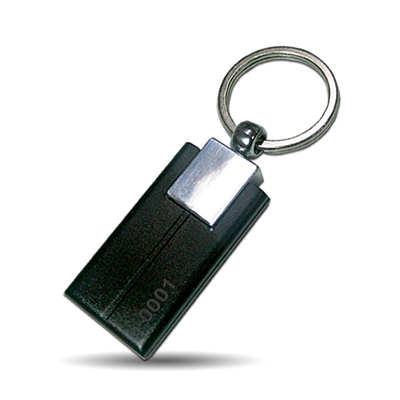
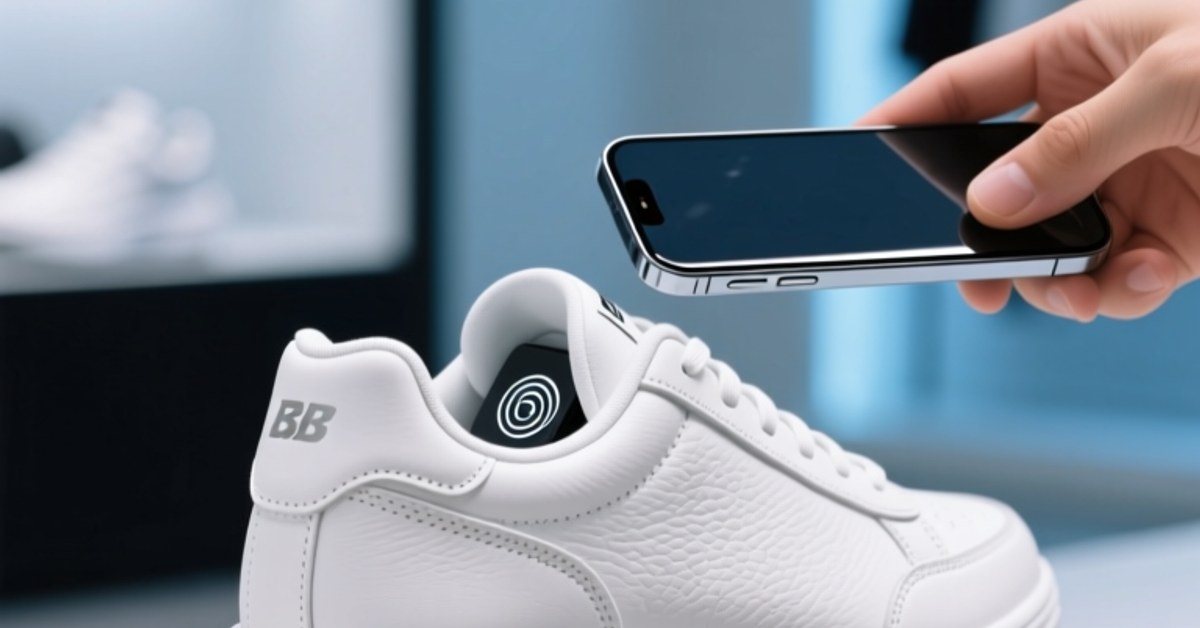
Tag NFC incorporato nella confezione farmaceutica può memorizzare un identificatore univoco collegato a un record digitale sicuro. Utilizzando Tag NFC O Adesivi NFC, ogni unità, fino al singolo cartone o fiala, diventa una smart, oggetto connesso.
Approccio alla serializzazione con NFC
Un tipico approccio di serializzazione NFC si integra con i sistemi aziendali esistenti:
- Codifica dei tag: Alla linea di confezionamento, Intarsi NFC vengono commissionati con un numero di serie univoco, dati batch, e un'identità basata su cloud.
- Associazione dei dati: IL CHIP NFCL'UID e i dati codificati di sono collegati all'ERP del produttore o al repository di serializzazione.
- Verifica in tempo reale: Un semplice tocco con un Smartphone abilitato NFC recupera la cronologia completa del prodotto: l'autenticità, stato della catena del freddo, e provenienza.
Perché NFC utilizza la comunicazione wireless a corto raggio, offre vantaggi intrinseci in termini di sicurezza: è necessario un tocco deliberato, riducendo le scansioni accidentali e consentendo la divulgazione selettiva delle informazioni.
Controlli anti-diversione e integrità della catena di fornitura
La diversione farmaceutica – il reindirizzamento dei farmaci dalle catene di approvvigionamento legittime – costa miliardi all’industria e mette in pericolo i pazienti. NFC aggiunge un potente livello di protezione anti-diversione.
Consapevolezza geografica e rilevamento di manomissioni
Quando le confezioni farmaceutiche contenenti tag NFC vengono scansionate durante il trasporto, i partner logistici possono registrare la posizione, tempo, e cambiamenti di custodia. Combinato con regole basate su cloud, movimenti non autorizzati o scansioni mancanti attivano avvisi. Inoltre, I tag NFC possono essere progettati con funzionalità anti-manomissione: la rottura di un sigillo o la rimozione di un'etichetta alterano la capacità del tag, segnalando potenziali interferenze.
Aggregazione e relazioni genitore-figlio
NFC aiuta a mantenere le gerarchie di aggregazione: i casi, pallet, e spedizioni. Associando Tag RFID (UHF) a livello del case con singole unità dotate di tag NFC, i responsabili della supply chain ottengono sia la scansione in blocco che la tracciabilità granulare. Questo approccio ibrido è particolarmente utile nei magazzini e nei centri di distribuzione farmaceutici.
Per le organizzazioni che modernizzano la propria logistica, lettori RFID portatili E lettori RFID fissi può integrare l'implementazione NFC, garantendo una verifica rapida senza aprire le scatole.
Verifica e coinvolgimento del paziente: Un tocco per la sicurezza
Uno degli aspetti più trasformativi della tracciabilità farmaceutica NFC è il coinvolgimento diretto del paziente. Con un semplice tocco, i pazienti possono:
- Verificare l’autenticità di un medicinale prima dell’uso.
- Controlla le date di scadenza e i numeri di lotto in tempo reale.
- Accedi ai volantini digitali, istruzioni sul dosaggio, o videoguide.
- Conferma che un prodotto non è stato richiamato o dirottato.
Questo canale di verifica di proprietà del marchio crea fiducia e supporta l'aderenza ai farmaci, il tutto generando dati di terze parti per i produttori, pienamente conforme alla normativa sulla privacy.
Considerazioni sulla catena del freddo: Rilevamento della temperatura NFC
Molti prodotti biologici, vaccini, e i farmaci speciali richiedono un rigoroso controllo della temperatura. I tag NFC attivi con sensori di temperatura integrati possono registrare le escursioni lungo tutta la catena di fornitura. Quando un farmacista o un paziente tocca la confezione, il dispositivo NFC rivela se il prodotto è stato esposto a temperature dannose.
Questa visibilità della catena del freddo è fondamentale per il rispetto delle buone pratiche di distribuzione (PIL) e per ridurre gli sprechi. Le aziende farmaceutiche possono integrare i registri della temperatura NFC nei dati di serializzazione esistenti, creando un completo passaporto del prodotto digitale per ogni articolo.
Integrazione NFC con i sistemi farmaceutici esistenti
Una preoccupazione comune è l’interoperabilità. NFC non interrompe i codici a barre conformi a GS1 esistenti; funziona al loro fianco. I dati possono essere strutturati per allinearsi con i servizi di informazione sui codici di prodotto elettronici GS1 (EPCIS) standard, garantendo una perfetta integrazione con le piattaforme track-and-trace.
I produttori possono iniziare in piccolo, magari aggiungendo tag NFC ai settori ad alto rischio, SKU di alto valore e scalabilità basata sul ritorno sull'investimento. Soluzioni di codifica NFC e i servizi cloud sono progettati per collegarsi al MES esistente e all'hardware di serializzazione con interruzioni minime.
Conformità farmaceutica globale: Una tabella di marcia pratica
>
| Regione | Regolamento | Requisiti chiave | Contributo NFC |
|---|---|---|---|
| U.S.A. | DSCSA | Serializzazione a livello di unità; tracciamento interoperabile | Tag a livello di unità con ID univoco; verifica del paziente |
| Unione Europea | Fmd | Identificatore univoco + ATD; dismissione all'erogazione | Etichette NFC antimanomissione; conferma della disattivazione in tempo reale |
| Cina | Normative sulla codifica della tracciabilità dei farmaci | Codici serializzati; reporting centrale | NFC codificato con il codice nazionale dei farmaci; verifica del cloud |
Indipendentemente dalla giurisdizione, NFC fornisce un flessibile, livello incentrato sul paziente che migliora i formati di serializzazione tradizionali.
Perché NFC rispetto ad altre tecnologie?
- A misura di consumatore: Quasi tutti moderni smartphone avere NFC; non è necessario uno scanner dedicato.
- Sicurezza: La comunicazione a corto raggio riduce al minimo i rischi di scrematura; i dati possono essere crittografati e generati dinamicamente.
- Multiuso: Lo stesso tag supporta la serializzazione, anticontraffazione, marketing, ed educazione del paziente.
- Durata: Tag RFID anti-metallo e i tag NFC resistono a condizioni difficili, compresi gli ambienti della catena del freddo.
Per le aziende farmaceutiche che cercano una strategia di serializzazione pronta per il futuro, NFC aggiunge una dimensione digitale che le etichette cartacee e i codici a barre passivi non possono eguagliare.
Implementazione della tracciabilità farmaceutica NFC con RFIDHY
Rfidhy fornisce una suite completa di componenti NFC e RFID per la serializzazione farmaceutica: da Tag e adesivi NFC A Lettori RFID UHF E indossabili per contesti clinici. Le nostre soluzioni sono progettate per integrarsi in strutture globali di tracciabilità e tracciabilità, offrendo allo stesso tempo miglioramenti tangibili nella sicurezza dei pazienti.
Se stai valutando gli aggiornamenti di conformità DSCSA, esplorare l’autenticazione diretta del paziente, o salvaguardare i prodotti biologici attraverso il monitoraggio della catena del freddo abilitato NFC, Tecnologia NFCWORK fornisce l'hardware, software, e competenza per rendere operativa la tua visione.
FAQ
Cos’è la tracciabilità farmaceutica NFC?
La tracciabilità farmaceutica NFC utilizza i tag Near Field Communication sulla confezione dei farmaci per archiviare o collegare un'identità digitale univoca. Ciò consente la verifica in tempo reale, conformità alla serializzazione (DSCSA/FMD), e l'autenticazione diretta del paziente tramite smartphone.
NFC sostituisce i codici a barre 2D per DSCSA o EU FMD?
NO. NFC funge da livello complementare. Le normative attuali richiedono supporti dati specifici (come la matrice dati GS1), e i tag NFC possono coesistere, offrire ulteriore sicurezza e interazione con i consumatori senza violare i requisiti di conformità.
In che modo l'NFC può aiutare a prevenire la diversione farmaceutica??
I tag NFC possono essere letti durante i trasferimenti fiscali, posizione di registrazione e timestamp. Combinato con regole basate su cloud, gli spostamenti non autorizzati vengono segnalati. Le funzionalità di rilevamento delle manomissioni impediscono ulteriormente lo scambio di etichette o l'adulterazione del prodotto.
L'NFC può funzionare in ambienti con catena del freddo??
SÌ. Tag NFC specializzati e Tag RFID sono progettati per resistere a temperature estreme. I tag NFC attivi con sensori di temperatura possono registrare le escursioni della catena del freddo, fornire conformità verificabile per prodotti biologici e vaccini.
I pazienti hanno bisogno di un'app speciale per scansionare i tag NFC farmaceutici?
Generalmente, NO. La maggior parte dei moderni smartphone abilitati NFC possono leggere i tag NFC in modo nativo. I marchi possono anche indirizzare i consumatori verso un'app Web leggera o un'app Web progressiva (PWA) per un'esperienza migliorata, evitando la necessità di scaricare software.
Rafforza la tua catena di fornitura farmaceutica con la tracciabilità NFC
A Tecnologia NFCWORK, forniamo soluzioni NFC e RFID end-to-end che aiutano le aziende farmaceutiche a raggiungere la conformità globale alla serializzazione, salvaguardare i pazienti, e costruire la fiducia nel marchio. Esplora la nostra gamma di Tag NFC, Lettori RFID, e piattaforme personalizzabili progettate per le catene di fornitura delle scienze della vita.
Contatta i nostri esperti per discutere del tuo progetto di tracciabilità →