Comprendere il regolamento UE sulle batterie
L’Unione Europea sta rimodellando l’industria delle batterie attraverso uno dei pacchetti legislativi di prodotto più ambiziosi degli ultimi decenni. Adottato a luglio 2023 ed esecutivo da febbraio 2024, il nuovo Regolamento UE sulle batterie (Unione Europea 2023/1542) sostituisce la vecchia Direttiva sulle batterie e introduce requisiti obbligatori per la sostenibilità, sicurezza, etichettatura, e tracciabilità. Produttori di batterie, Partecipanti alla catena di fornitura dei veicoli elettrici, e qualsiasi esportatore di batterie industriali o portatili verso l’Europa deve ora prepararsi per una nuova era di trasparenza.
Al centro di questo regolamento c'è il passaporto digitale della batteria – un’identità di prodotto unica che memorizza i dati critici durante l’intero ciclo di vita della batteria. Mentre il regolamento copre molti aspetti tecnici, il cambiamento più dirompente è l’obbligo di dichiarare e tracciare i file impronta di carbonio di ciascun modello di batteria, dall’estrazione delle materie prime al riciclo a fine vita.
Per le aziende che progettano sistemi di batterie di nuova generazione, NFC (Comunicazione vicino al campo) la tecnologia sta emergendo come una pratica, supporto dati standardizzato per questi passaporti digitali. In questo articolo, abbattiamo la tempistica normativa, spiegare quali dati devono essere inclusi nel passaporto della batteria, e mostrare come Tag NFC e gli inserti possono essere integrati nei pacchi batteria per ottenere la piena conformità.
Una cronologia delle tappe fondamentali
Il regolamento UE sulle batterie segue un programma di attuazione graduale. Comprendere queste date è il primo passo nella costruzione di una tabella di marcia per la conformità.
>
| Data | Pietra miliare | Impatto |
|---|---|---|
| 17 agosto 2023 | Il regolamento entra in vigore | Base giuridica stabilita; i gruppi industriali iniziano una preparazione dettagliata. |
| 18 Febbraio 2024 | Diventano applicabili gli obblighi generali | Disposizioni sulle sostanze, etichettatura, e la gestione dei rifiuti abbia effetto. |
| 18 agosto 2024 | Organismi di valutazione della conformità notificati | Inizia il controllo di terze parti per alcune categorie di batterie. |
| 18 Febbraio 2025 | Obiettivi di raccolta dei rifiuti per le batterie portatili | 45% tasso di raccolta richiesto; sale fino a 63% di 2027 E 73% di 2030. |
| 18 agosto 2025 | È richiesta la dichiarazione dell'impronta di carbonio | batterie per veicoli elettrici, batterie industriali (>2kWh), e le batterie dei mezzi di trasporto leggeri devono dichiarare l'impronta di carbonio (per modello per stabilimento di produzione). |
| 18 Febbraio 2026 | Introdotte le classi di prestazione dell'impronta di carbonio | Le batterie porteranno un'etichetta che mostra la loro classe di impronta di carbonio. |
| 18 Febbraio 2027 | Il passaporto digitale della batteria diventa obbligatorio | Batterie per veicoli elettrici e batterie industriali (>2kWh) deve avere un passaporto della batteria accessibile tramite codice QR, NFC, o simile; contiene identificatore univoco e dati sul ciclo di vita. |
| 18 agosto 2028 | Dichiarazione di contenuto riciclato obbligatoria | Le batterie industriali e per veicoli elettrici devono rivelare le percentuali di cobalto, Guida, litio, e nichel recuperato dai rifiuti. |
Di 2027, ogni veicolo elettrico e ogni batteria industriale di grandi dimensioni venduta nell’UE deve essere accompagnata da un passaporto digitale. Per OEM di batterie e integratori di sistemi, scegliere il supporto dati giusto ben prima di tale data è fondamentale per evitare riprogettazioni e interruzioni della catena di fornitura.
Il passaporto digitale della batteria: Quali dati sono richiesti?
Il passaporto della batteria non è solo un'etichetta; è un set di dati dinamico che viaggia con la batteria per tutta la sua vita. Secondo il regolamento, il passaporto deve includere un identificativo univoco e almeno le seguenti informazioni (accessibile tramite un collegamento elettronico):
- Informazioni generali sulla batteria e sul produttore: modello di batteria, identificazione del produttore, luogo di fabbricazione, e data di produzione.
- Documentazione di conformità: Dichiarazione di conformità UE, rapporti di prova, e certificazioni.
- Dichiarazione sull'impronta di carbonio: l’impronta di carbonio totale calcolata in kg CO2-eq per kWh di energia, riguardante l’acquisizione delle materie prime, produzione, e fasi di distribuzione.
- Contenuti riciclati: percentuali di cobalto, Guida, litio, o nichel recuperato da rifiuti post-consumo.
- Composizione dei materiali e sostanze pericolose: chimica elettrochimica e presenza di sostanze problematiche.
- Stato di salute della batteria: parametri che consentono di valutare la capacità prestazionale residua della batteria (soprattutto per le applicazioni di seconda vita).
- Informazioni sull’economia circolare: istruzioni per lo smontaggio, misure di sicurezza per il riutilizzo, e processi di riciclaggio.
Molti di questi dati sono statici (dettagli di produzione, composizione materiale), ma alcuni, come lo stato di salute, devono essere aggiornabili nel corso della vita della batteria. Questo rende senza contatto, robusti supporti dati come Tag NFC l'interfaccia hardware ideale per il passaporto.
Dichiarazione sull'impronta di carbonio
La dichiarazione sull’impronta di carbonio è la parte più ricca di dati del passaporto della batteria. Per ogni modello di batteria prodotto in un determinato stabilimento, i produttori devono calcolare e segnalare l’impronta di carbonio del ciclo di vita. Ciò include impatti a monte come l’estrazione mineraria, raffinazione, e trasporto dei componenti, nonché il consumo di energia nella produzione. La metodologia segue le norme di categoria relative all’impronta ambientale dei prodotti dell’UE (PEFCR) per batterie, che fornisce un modello di calcolo standardizzato.
Per raccogliere questi dati, le aziende devono tracciare le materie prime fino alla loro origine, raccogliere dati sul consumo energetico da ogni fase di produzione, e mantenere registrazioni verificabili. L'integrazione di un inserto NFC nella batteria durante l'assemblaggio può semplificare la raccolta dei dati fornendo un gateway digitale a un repository basato su cloud che memorizza l'inventario dettagliato del ciclo di vita. Durante audit o ispezioni alle frontiere, la scansione del tag NFC recupera immediatamente il rapporto completo sull'impronta di carbonio collegato a quella specifica batteria.
Contenuti riciclati e due diligence
Da 2028, Anche le batterie industriali e per veicoli elettrici devono riportare il loro contenuto riciclato. Ciò spinge la richiesta di un monitoraggio verificabile della “catena di custodia” dai riciclatori ai produttori di batterie. Un tag NFC che si collega ai record digitali che documentano la fonte e la lavorazione dei materiali riciclati può diventare l’anello di fiducia in questa catena. Supporta inoltre la due diligence obbligatoria sulle catene di approvvigionamento delle materie prime, garantendo quel cobalto, litio, e altri minerali provengono da fonti responsabili.
NFC come supporto dati per passaporti batteria
La normativa UE consente l'accesso al passaporto della batteria tramite un codice QR o altro supporto dati elettronico. Mentre i codici QR stampati sulle etichette sono comuni, pongono sfide negli ambienti automobilistici e industriali: le etichette possono deteriorarsi, diventano illeggibili in condizioni di scarsa illuminazione, o coprirsi durante l'installazione. NFC, d'altra parte, offre un contactless, durevole, e un'alternativa sicura che può essere incorporata direttamente nel pacco batteria.
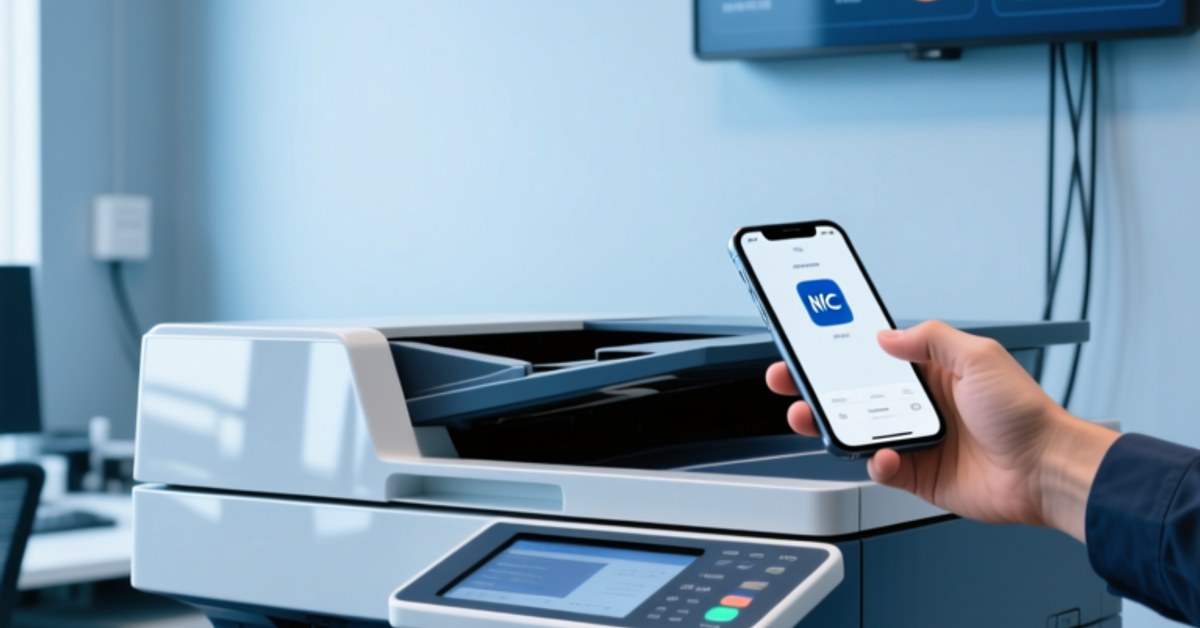
Un tag NFC funziona semplicemente appoggiandovi uno smartphone o un lettore industriale standard. Non richiede una propria fonte di energia (l'energia viene raccolta dal campo degli interrogatori) e può memorizzare un identificatore univoco insieme a dati statici o un URL che punta al passaporto completo ospitato in una piattaforma cloud sicura. Questa architettura mantiene la memoria dei tag piccola ed economica, pur consentendo l'accesso a informazioni complete sul ciclo di vita.
Perché NFC è ideale per ambienti con batterie difficili
- Fattori di forma robusti: Gli inlay NFC possono essere incapsulati in plastica, bicchiere, o costruzioni compatibili con i metalli. Sono disponibili tag NFC anti-metallo che funzionano in modo affidabile anche se montati su alloggiamenti di batterie in alluminio o acciaio.
- Ampio intervallo di temperature: I tag NFC di livello industriale possono resistere ai cicli termici tipici dei pacchi batteria dei veicoli elettrici senza perdita di dati.
- Non è richiesta alcuna linea di vista: La lettura di un tag NFC incorporato all'interno di un modulo batteria è possibile tramite coperture non metalliche, a differenza dei codici QR che richiedono visibilità.
- Interoperabilità globale: NFC funziona con miliardi di dispositivi abilitati NFC esistenti smartphone, garantendo che i funzionari doganali, riciclatori, e i centri servizi possono accedere ai dati senza attrezzature specializzate.
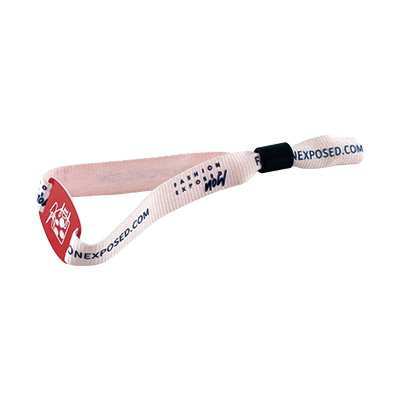
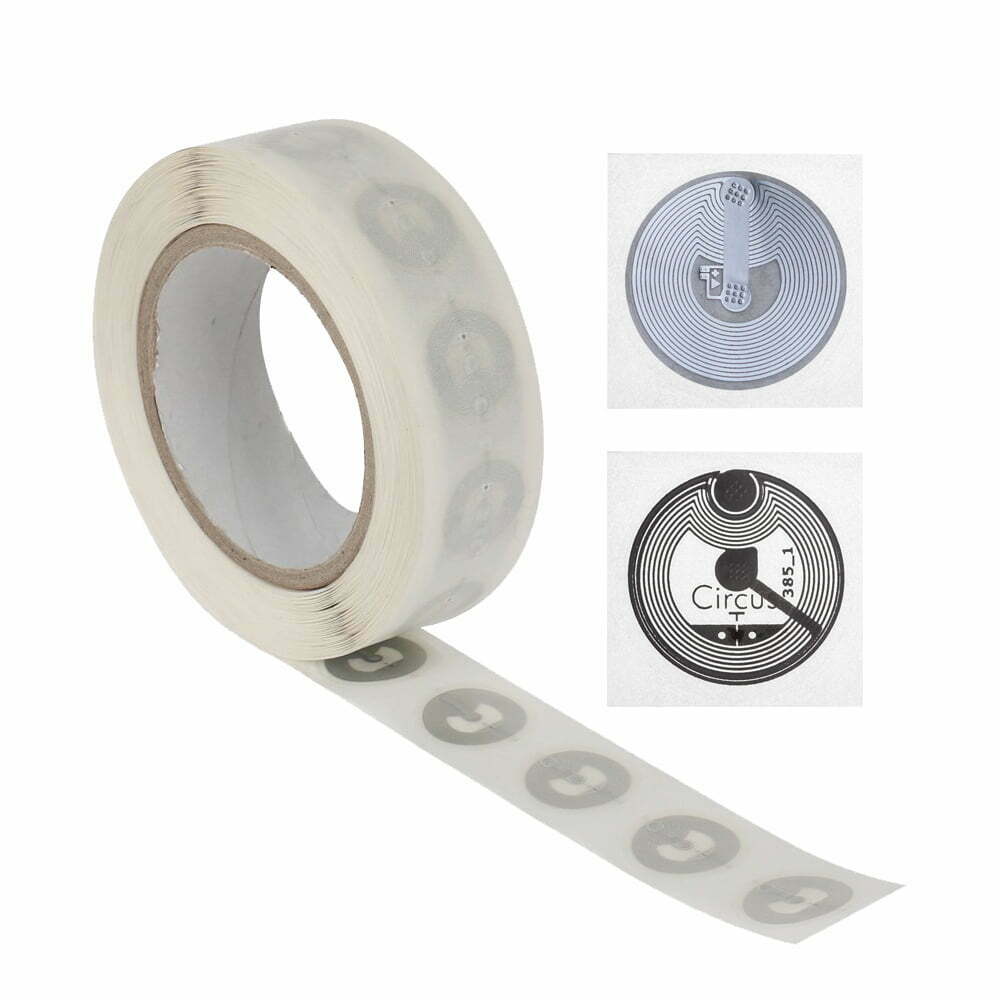
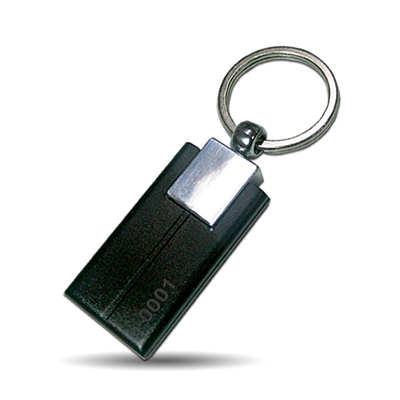
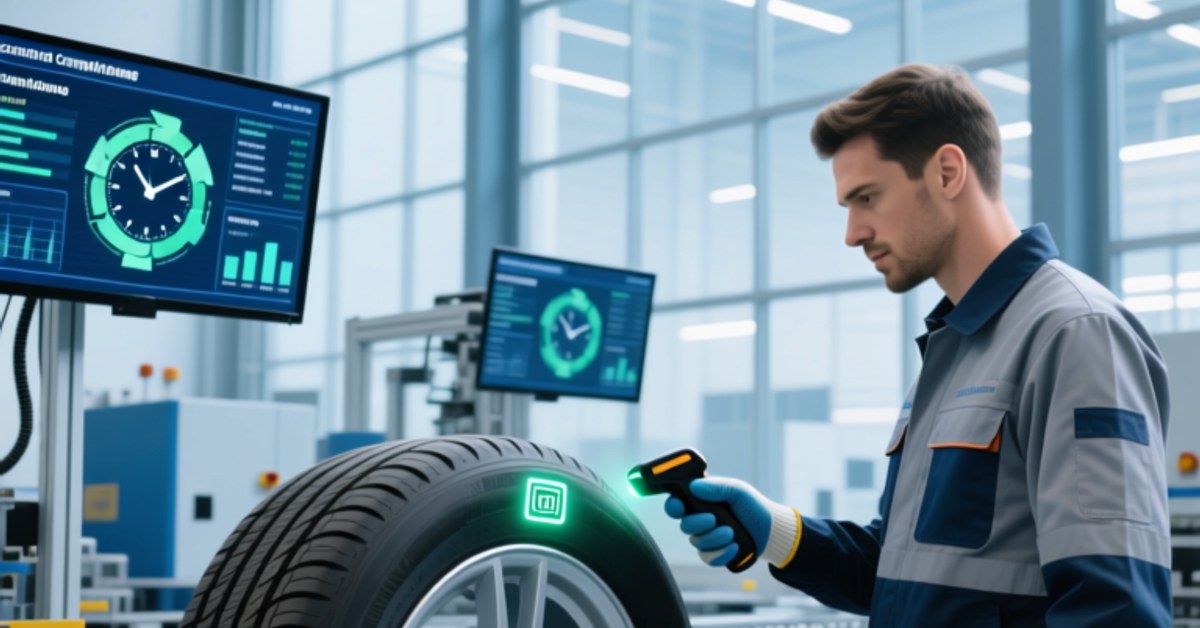
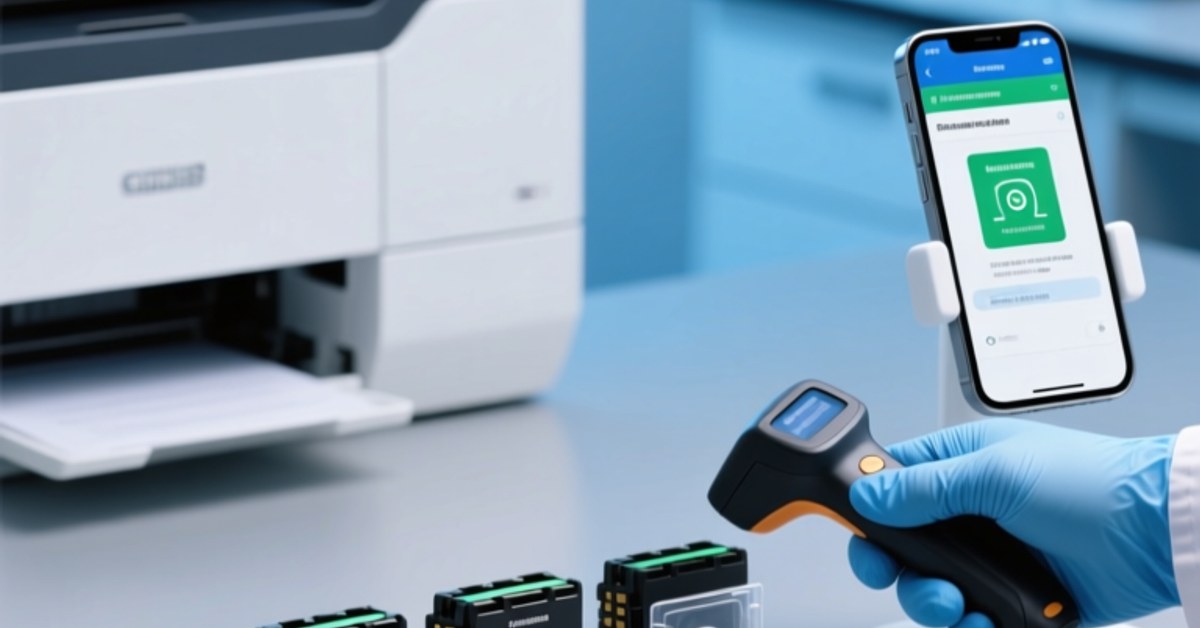
Per i produttori di batterie, Prodotti NFC come adesivi NFC, Intarsi NFC, e tag NFC possono essere acquistati in dimensioni e formati personalizzati per adattarsi a progetti di batterie specifici. La collaborazione con un fornitore NFC esperto garantisce che i tag soddisfino le specifiche di durata e memoria richieste. Inoltre, apparecchiature di lettura come lettori NFC portatili o scanner RFID UHF può essere implementato sulle linee di produzione e negli impianti di riciclaggio per automatizzare l'acquisizione e la verifica dei dati.
Abilitazione della tracciabilità e delle applicazioni di seconda vita
Oltre la conformità, i passaporti per batterie aprono nuove opportunità commerciali. Una volta che la batteria di un veicolo elettrico raggiunge la fine della sua vita all'interno del veicolo, può spesso essere riproposto per l'accumulo stazionario di energia. Tuttavia, un utilizzo sicuro e redditizio della seconda vita dipende dalla conoscenza accurata dei cicli di ricarica precedenti della batteria, stato di salute, e cronologia della manutenzione. Una batteria con tag NFC, quando connesso a un sistema di gestione della batteria basato su cloud, può fornire un registro completo di questi parametri durante la sua prima vita. Questa trasparenza aumenta il valore residuo della batteria e sostiene gli obiettivi di economia circolare del regolamento.
Allo stesso modo, gli impianti di riciclaggio beneficiano di un rapido accesso alla composizione del materiale e alle istruzioni di smantellamento. La scansione del tag NFC su una batteria esaurita può elencare immediatamente la posizione dei componenti pericolosi e la procedura consigliata per l'estrazione dei metalli preziosi. Ciò non solo migliora la sicurezza dei lavoratori, ma aumenta anche l’efficienza del riciclaggio e i tassi di recupero dei materiali.
Preparati alla conformità con le soluzioni RFIDHY e NFCWORK
Rispettare il regolamento UE sulle batterie richiede uno sforzo interfunzionale che coinvolga l’ingegneria, sostenibilità, gestione dei dati, e team IT. Il componente hardware – il supporto dati stesso – è un piccolo ma essenziale pezzo del puzzle. A Tecnologia NFCWORK, forniamo una gamma di componenti NFC e RFID di livello industriale su misura per applicazioni di passaporti per batterie:
- Intarsi NFC anti-metallo che funzionano in modo affidabile se collegati direttamente agli alloggiamenti delle batterie.
- Tag NFC personalizzati con configurazioni di memoria che memorizzano gli UID, URL, o dati di sicurezza statici.
- Tag RFID UHF per l'identificazione di prodotti sfusi e il monitoraggio logistico lungo tutta la catena di fornitura – ideale per i pallet- e visibilità a livello di contenitore.
- Lettori NFC/RFID portatili per l'autenticazione sul campo e il recupero dei dati durante la produzione, distribuzione, e riciclaggio.
Queste categorie di prodotti sono disponibili attraverso la nostra rete di partner di produzione e possono essere personalizzate in base alle vostre precise specifiche. Per maggiori dettagli su come funzionano i passaporti digitali basati su NFC nei diversi settori, leggi la nostra panoramica completa su Passaporti dei prodotti digitali e il nostro post precedente su Passaporti di prodotti digitali alimentati da NFC.
IL 2027 la scadenza può sembrare lontana, ma la prototipazione e la convalida di una soluzione di passaporto della batteria basata su NFC oggi ti dà un vantaggio competitivo. Collabora con il nostro team per esplorare come la tecnologia NFC incorporabile può diventare il filo conduttore affidabile che collega la tua batteria alla sua identità digitale, dalla materia prima alla rinascita.
FAQ
Cos’è esattamente il passaporto della batteria secondo il nuovo regolamento UE?
Un passaporto della batteria è un record digitale che contiene informazioni chiave su una batteria, come la sua impronta di carbonio, composizione materiale, e la storia del ciclo di vita. Deve essere accessibile elettronicamente tramite un supporto dati (PER ESEMPIO., Tag NFC) e si applica alle batterie per veicoli elettrici e alle batterie industriali di cui sopra 2 kWh immessi sul mercato dell'UE da 18 Febbraio 2027.
In che modo un tag NFC trasporta i dati del passaporto della batteria?
Il tag NFC in genere memorizza un identificatore univoco e un collegamento (URL) su una piattaforma cloud sicura dove risiedono tutti i dati del passaporto. Quando un utente tocca il tag con un dispositivo abilitato NFC, vengono indirizzati al record digitale corrispondente. Questo approccio mantiene il tag conveniente e consente di aggiornare il passaporto per tutta la durata della batteria senza toccare il tag stesso.
I tag NFC possono sopravvivere alle dure condizioni all'interno di una batteria per veicoli elettrici??
SÌ. Gli inserti NFC anti-metallo sono progettati specificamente per funzionare su o vicino a superfici metalliche e possono resistere ad ampi intervalli di temperatura, vibrazione, e umidità. Questi tag di livello industriale sono già utilizzati negli ambienti automobilistici e manifatturieri, rendendoli adatti per applicazioni di passaporto di batterie integrate.
Ho bisogno sia dell'NFC che dell'RFID UHF per la conformità della batteria?
Non necessariamente per il passaporto stesso, ma molti produttori combinano le tecnologie: NFC per l'accesso diretto del consumatore/tecnico al passaporto, e RFID UHF per la logistica ad alta velocità e il monitoraggio dell'inventario. Tag RFID UHF offrono un raggio di lettura più lungo e un'identificazione di massa, che può semplificare le operazioni della catena di approvvigionamento insieme al mandato del passaporto per le batterie.
Pronto per incorporare la tecnologia Battery Passport?
Non aspettare fino a quando 2027 per iniziare il tuo percorso verso la conformità. Alla tecnologia NFCWORK, aiutiamo i produttori di batterie, Fornitori di veicoli elettrici, e gli esportatori di elettronica specificano i giusti componenti NFC e RFID per i passaporti delle batterie. Dagli intarsi anti-metallo ai sistemi UHF a lettura massiva, offriamo elementi costitutivi del prodotto che si integrano nei progetti di batterie e nelle piattaforme dati esistenti.
Contattaci oggi per discutere del progetto del passaporto della batteria e richiedere campioni di prodotto. Costruiamo un sistema più intelligente, insieme una catena di fornitura delle batterie più trasparente.
Parla con i nostri specialisti | Esplora le soluzioni per il passaporto digitale dei prodotti