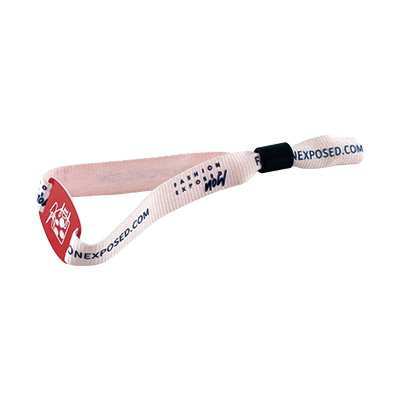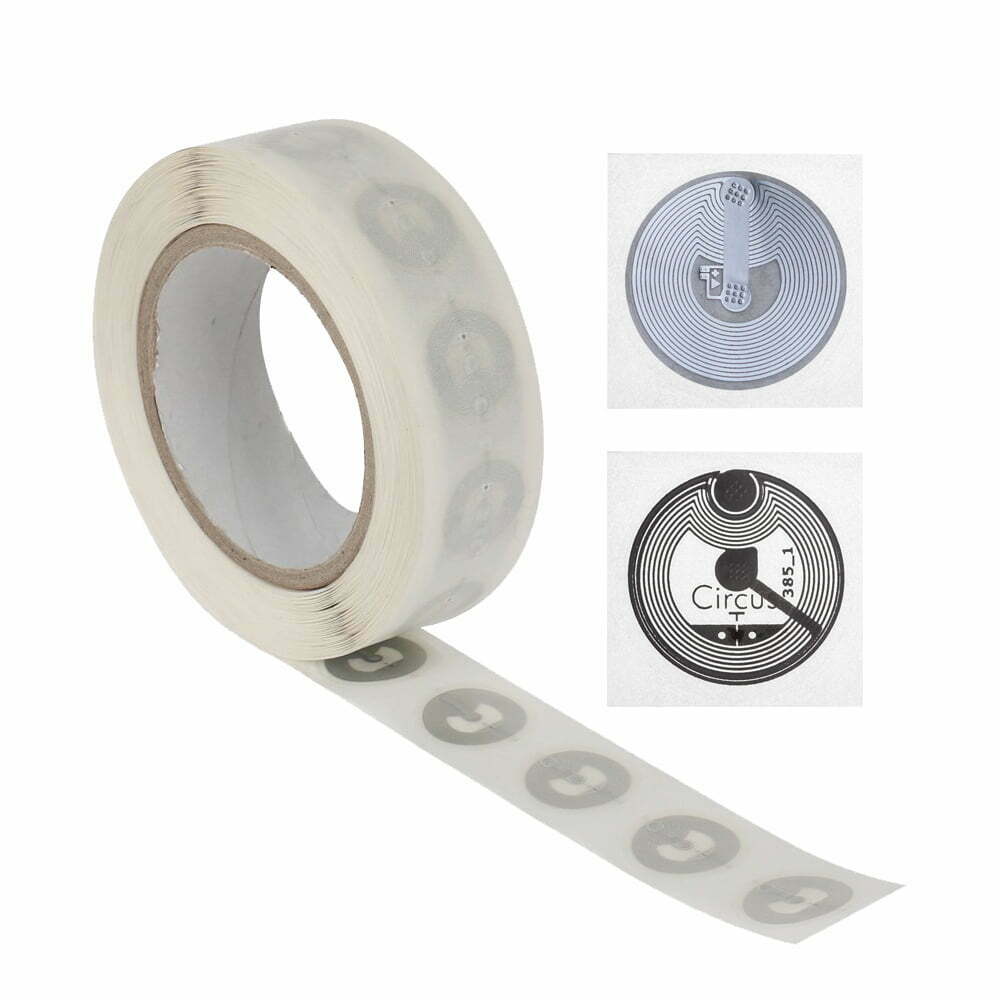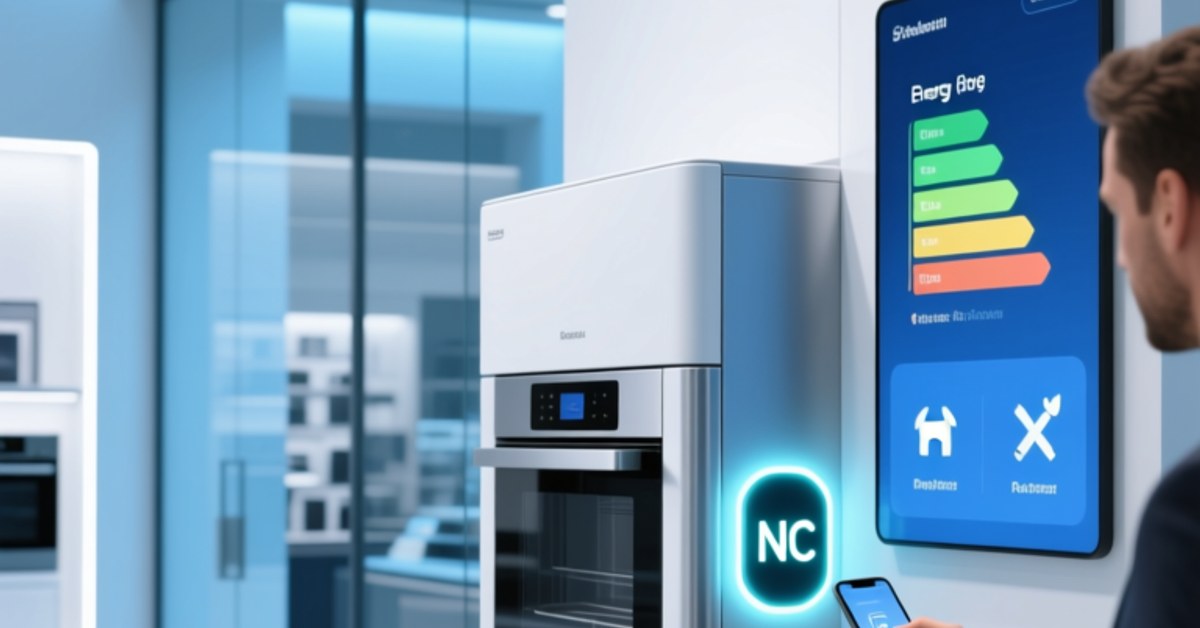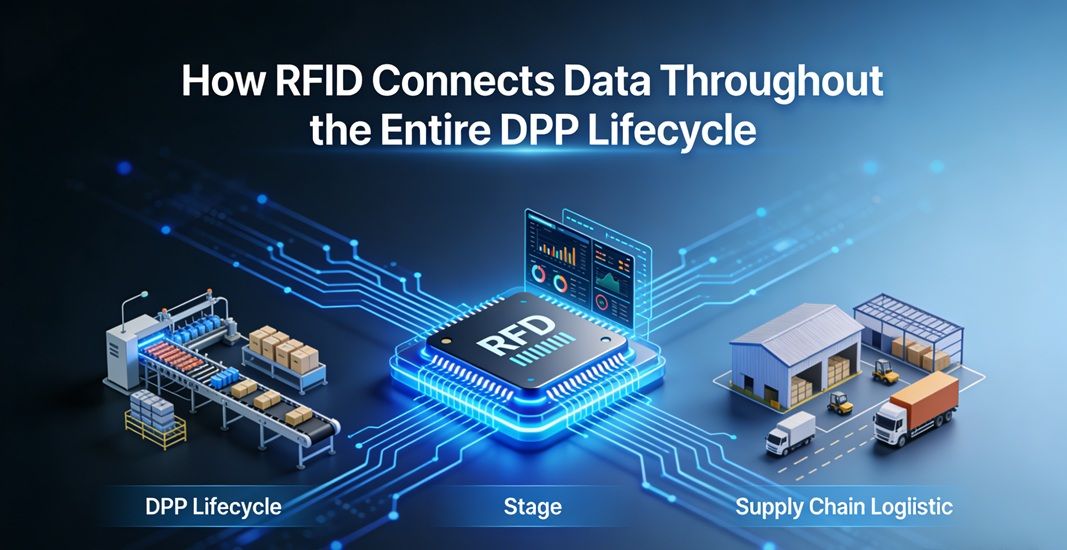
EU:n kestävien tuotteiden ekosuunnittelua koskevan asetuksen pakollisen täytäntöönpanon myötä (ESPR), the Digitaalinen tuotepassi (DPP) on tullut a “digitaalinen pääsylippu” Euroopan markkinoille tuleville maailmanlaajuisille tuotantoyrityksille. Läpinäkyvyyden saavuttamiseksi tuotteen koko elinkaaren ajan, raaka-aineiden louhinnasta jätteen kierrätykseen, taustalla olevan tietovälineen valinta on ratkaisevan tärkeää. Rfid, ainutlaatuisella tunnistellaan, kontaktiton lukeminen, ja korkea tiedonsiirtokapasiteetti, on tulossa kriittisin infrastruktuuri DPP-tietovirran yhdistämiseksi.
Tuotantovaihe
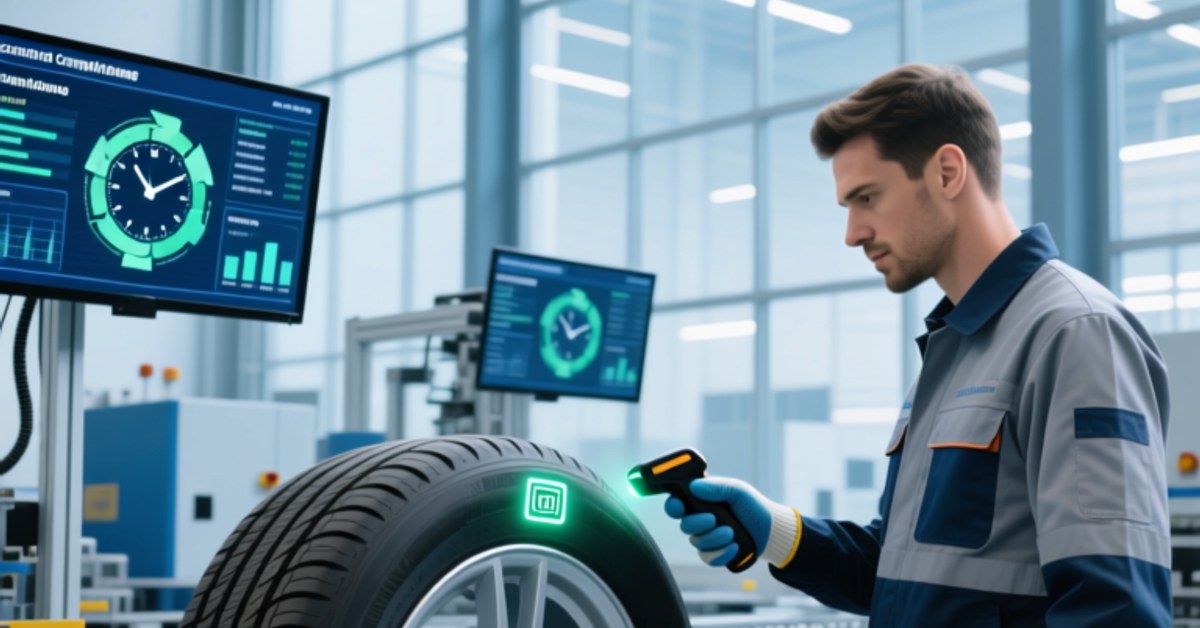
Valmistuksessa, ottamalla käyttöön RFID -tunnisteet, yritykset voivat määrittää jokaiselle fyysiselle tuotteelle maailmanlaajuisesti yksilöllisen tunnistekoodin. Toisin kuin perinteiset QR-koodit, RFID -tunnisteet voidaan kirjoittaa automaattisesti suurella nopeudella ja erissä tuotantolinjalla.
- Datatiedot: Gartnerin tutkimuksen mukaan, RFID-automaattisen tunnistamisen käyttöönotto valmistusprosessissa voi parantaa tiedonkeruun reaaliaikaisuutta 40%, DPP:n tärkeimpien tietojen oikeellisuuden varmistaminen, kuten raaka-aineen alkuperä ja alkuperäinen hiilijalanjälki.
- Laitteiston valinta: Ammattimaiset RFID-tunnisteiden valmistajat, kuten RFIDHY, voi tarjota upotettuja tunnisteita, jotka integroituvat saumattomasti tuotteeseen, estämään hävikin myöhemmän kierron aikana.
Jakelu- ja kulutusvaiheet
DPP:n perusvaatimus on, että tiedot liikkuvat tuotteen mukana ja päivittyvät reaaliajassa. Logistiikassa ja vähittäiskaupassa, RFID-tekniikan etu piilee siinä “läpäisykyky.”
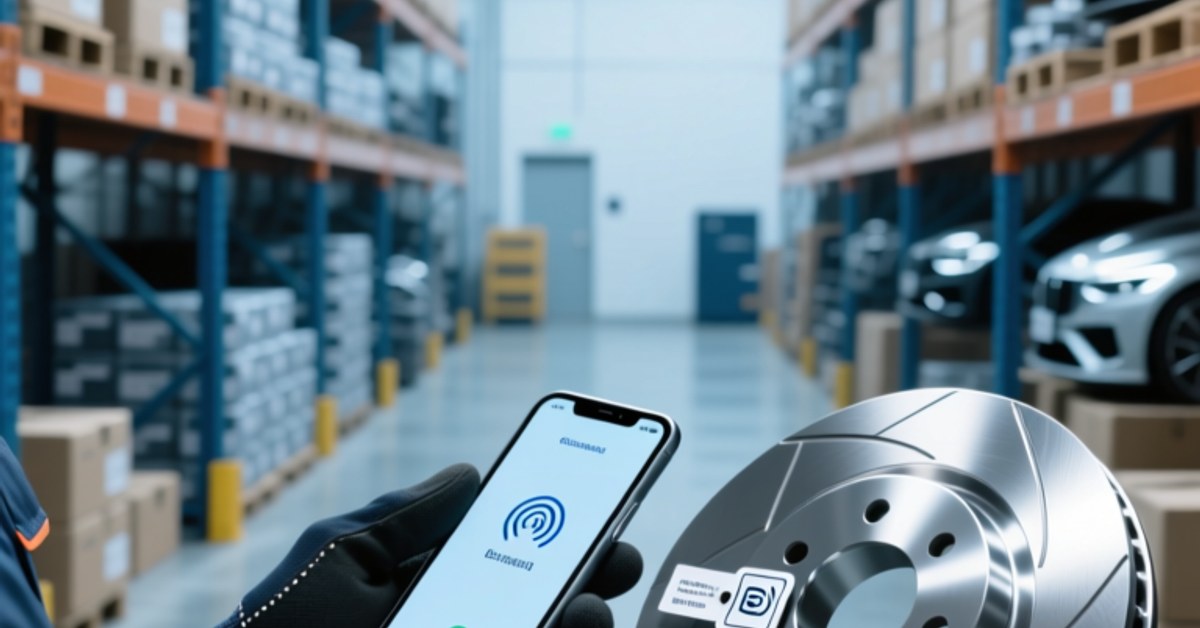
- Tehokkuuden parantaminen: Kädessä pidettävien RFID-lukijoiden/kiinteiden lukijoiden käyttö, logistiikan tarjoajat voivat suorittaa varastotarkastuksen avaamatta laatikoita. IDTechEx-tilastojen mukaan, RFID lisää toimitusketjun inventaarion tarkkuutta keskimäärin 65% yli 95%.
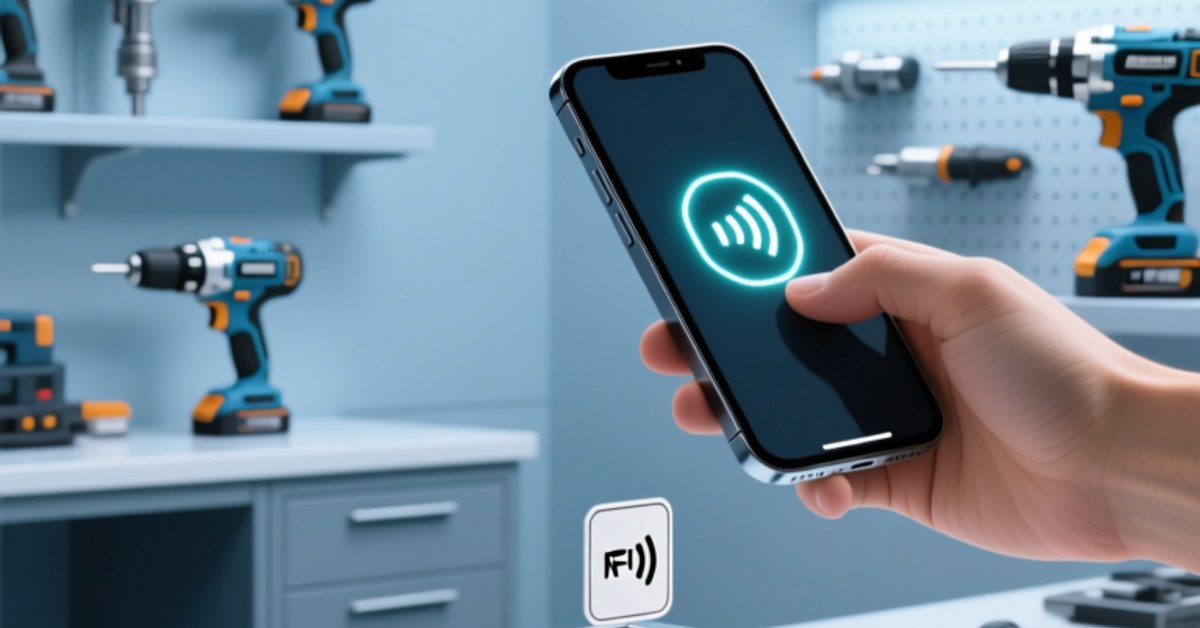
- Interaktiivinen innovaatio: NFC- ja UHF-kaksoistaajuustunnisteiden kautta, kuluttajat pääsevät tuotteeseen välittömästi käsiksi “digitaalinen passi” pitämällä älypuhelinta tuotteen lähellä, korjaushistorian tarkasteleminen tai aitouden tarkistaminen, parantaa huomattavasti tiedon avoimuutta.
Kierrätys ja uudelleenkäyttö
DPP:n perimmäisenä tavoitteena on edistää kiertotaloutta. Kun tuote saavuttaa käyttöikänsä lopun, kuinka nopeasti luokitella ja purkaa se on suurin haaste. Älykäs lajittelu: Kun RFID-tunnisteilla varustetut tuotteet poistetaan käytöstä, ne menevät kierrätyslinjaan, järjestelmä voi automaattisesti lukea niiden materiaalikoostumuksen (kuten muovilaatu ja harvinaisten metallien sisältö).
Ympäristöarvo: Ellen MacArthur Foundationin tutkimus osoittaa, että RFID-pohjaiset automaattiset tunnistusjärjestelmät voivat lisätä resurssien kierrätystä ja uudelleenkäyttöä noin 30%.
Yhä tiukentuvien maailmanlaajuisten vihreän kaupan esteiden yhteydessä, RFID-keskeisen digitaalisen infrastruktuurin perustamisesta on tullut kansainvälistä kauppaa harjoittaville yrityksille välttämättömyys. Ota yhteyttä saadaksesi räätälöidyn DPP-laitteistoratkaisun, joka on räätälöity toimialallesi.
Lisätietoja,Ole hyvä Ota yhteyttä.