繊維デジタル製品パスポートがオプションではなくなった理由
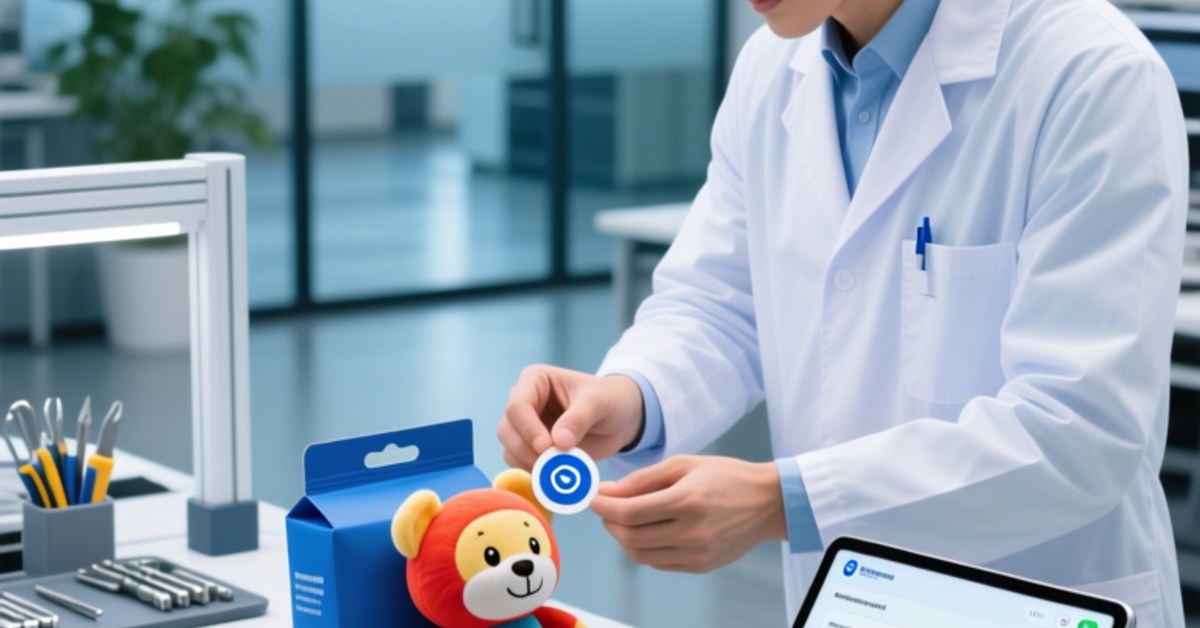
世界の繊維産業は透明性への地殻変動を迎えています. EUの持続可能な製品のためのエコデザイン規制などの規制 (ESPR) デジタル製品パスポートを作成しています (DPP) ヨーロッパ市場で販売される繊維およびアパレルには義務付けられています. ブランド向け, これはコンプライアンスの課題であると同時に、真の持続可能性の資格を証明する機会でもあります. NFCテクノロジーは堅牢性を提供します, アイテムレベルで DPP を提供する消費者に優しい方法 - それぞれの衣類をトレーサビリティのストーリーに変える, 責任, そしてブランド価値.
で RFIDHY, 私たちはエンジニアです NFCソリューション 繊維のライフサイクルを生き抜く, 繊維の選別から洗濯サイクルまで. このガイドでは、NFC ベースのエンドツーエンドの実装について説明します。 DPP アパレル用, カバータグの耐久性, データアーキテクチャ, そして実際の展開.
1. EU 繊維 DPP 要件の解読
ESPR では、アパレルや履物を含む特定の製品カテゴリーには、 デジタル製品パスポート. DPP には製品の構成に関する情報が含まれている必要があります, 環境フットプリント, サプライチェーンの関係者, 修理可能性またはリサイクル可能性. このデータはデータキャリア経由でアクセスできる必要があります, そして NFCタグ 承認された方法の 1 つです.
テキスタイル DPP に含める必要があるデータ?
- 製品の識別: 一意の製品ID, バッチ/ロット番号, 世界貿易品目番号 (GTIN).
- 材料構成: 繊維含有量, リサイクルまたはバイオベースの材料の割合.
- サプライチェーンの関係者: メーカー, 輸入者, EUの正式な代表者.
- 持続可能性の属性: 二酸化炭素排出量, 水の使用量, 有害物質の存在, 循環性インジケーター.
- 使用説明書, ケア, そして寿命の終わり: 洗濯のガイドライン, 修理サービス, 回収計画.
データは販売時点後もアクセス可能な状態でなければなりません。 NFCタグ 衣服に埋め込まれたものは、消費者が使用したり洗濯したりしても耐えられる必要があります. ここで、洗える NFC タグの設計が重要になります。.
2. 衣類および繊維用の洗える NFC タグの設計
標準の NFC インレイは繰り返しの洗濯を考慮して作られていません, スピンサイクル, または高温乾燥. 長持ちするテキスタイルDPPを作るために, タグ基板を設計する必要がある, ボンディング, 現実世界の洗濯条件に関するカプセル化.
基板と材料の選択
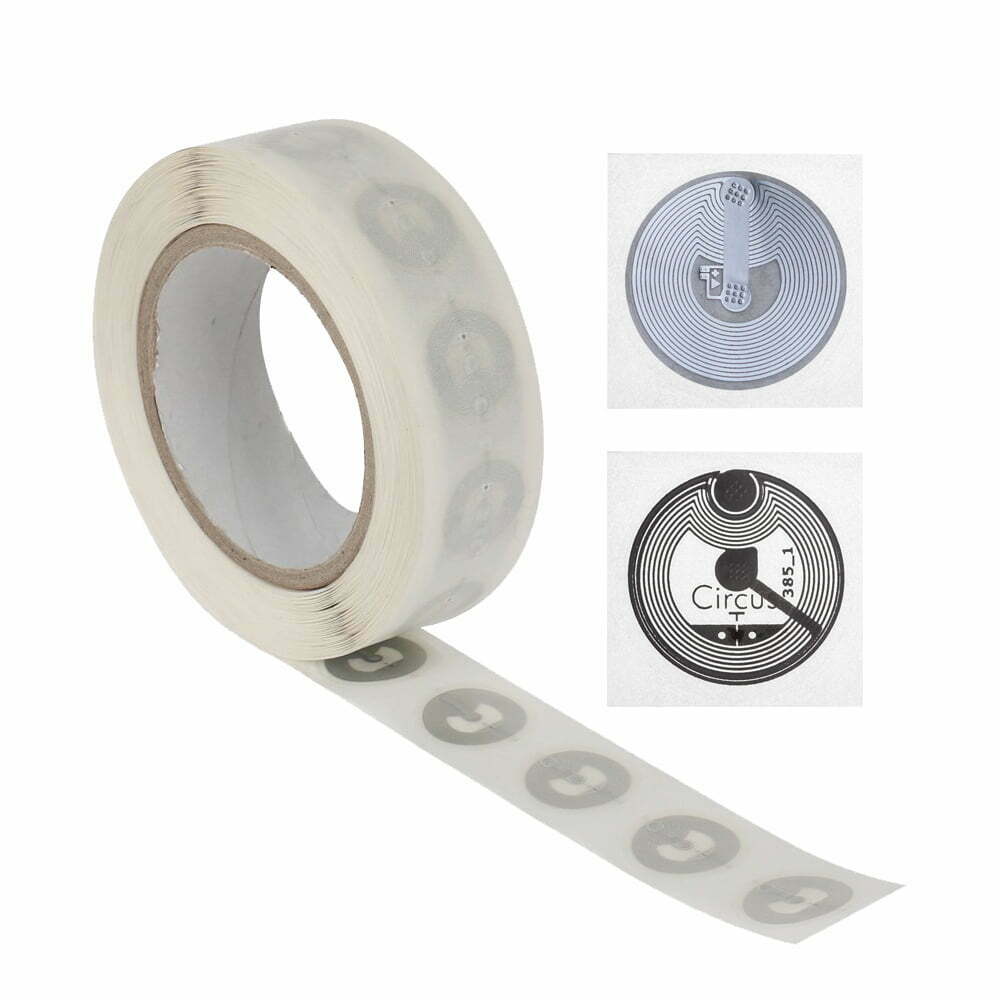
柔軟性と耐久性のある基材が鍵. ポリウレタンを使用した NFC インレイを探す (PU) または熱可塑性ポリウレタン (TPU) シース, 屈曲に耐えられるもの, 水分, 洗剤と. で RFIDHY, 私たちは提供します NFCタグ そしてランドリー特有の RFID洗濯タグ 高い耐久性を実現する設計. これらは縫い目に縫い付けることができます, ケアラベルに熱圧着, または織りパッチに統合.
耐久性試験プロトコル
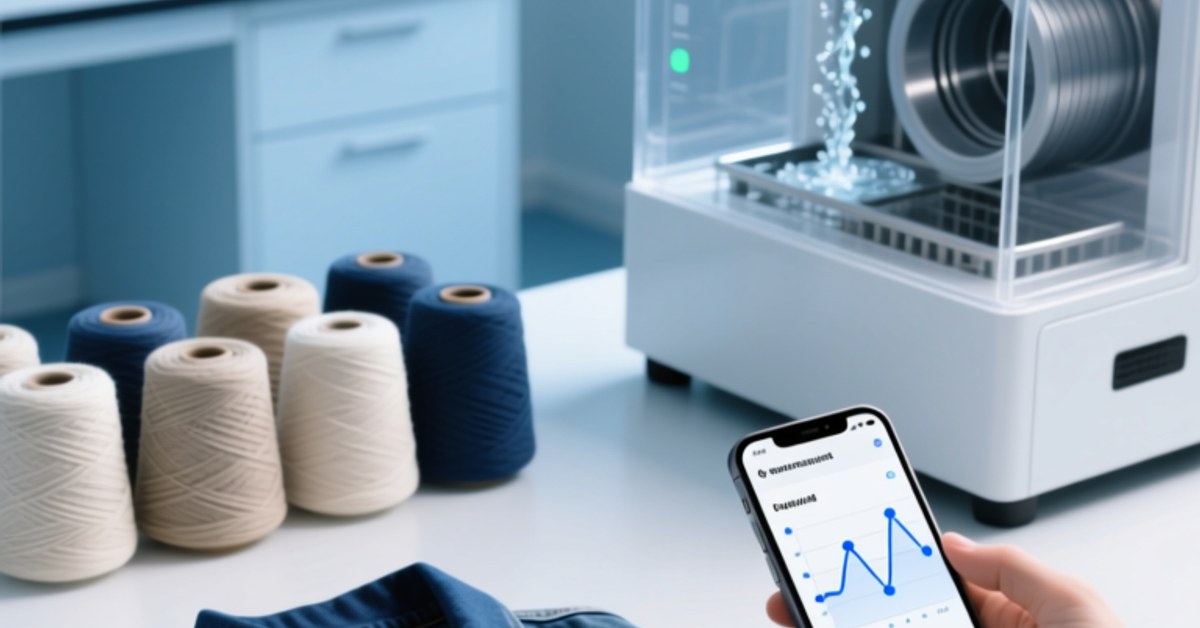
大量採用前, NFC タグを標準洗剤で少なくとも 30 ~ 50 回の工業用洗浄サイクルにさらします。. 読み取り範囲の一貫性をテストする, データの整合性, および目に見える劣化. タグは、洗濯を繰り返した後も、2 ~ 5 cm の距離で信頼性の高い近距離通信を維持する必要があります。. さらに, アイロンやドライクリーニングの化学薬品に対する耐性を検証する.
テキスタイルのタグフォームファクター
- 縫い付けられた織布 NFC ラベル: ブランドおよびケアラベルに直接統合.
- ヒートプレス TPU パッチ: 外側の生地または内側のポケットに適用されます。.
- シリコンケースに覆われたNFCボタン: ワークウェアやデニムなどの丈夫な衣類に.
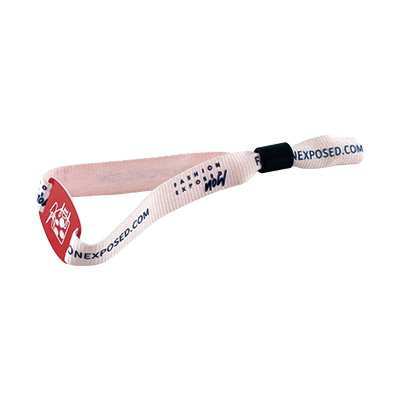
高級アパレルの場合, RFIDHYの NFCシリコンリストバンド テクノロジーは、控えめでありながら完全に機能するタグのデザインにインスピレーションを与えました, 織られたブランドラベルの後ろに隠れていることがよくあります.
3. 繊維から衣類までのデータフローの構築
NFC DPP の価値は、リンク先のデータによって決まります。. トレーサビリティの実装とは、繊維サプライチェーンのすべてのノードを単一のデジタル ID に接続することを意味します.
段階ごとのデータ収集
>
| サプライチェーン段階 | キャプチャされたデータポイント | NFC タグ付けアプローチ |
|---|---|---|
| 原繊維 (コットン/ウール/リサイクルポリエステル) | 起源, 認証, 有機的な状態, バッチID | ベールまたはロットコンテナに取り付けられたNFCタグ; 生成されたUID |
| 紡糸 & 糸 | 糸番手, ブレンド比率, 紡績法, 日付 | 糸コーンまたはパレット上のバッチレベルの NFC タグ |
| 織物・編み物 | 生地の構造, 重さ, 染料ロット, 仕上げ用化学薬品 | 生地ロールに取り付けられたNFCタグ |
| 切断 & 縫い | 工場所在地, 監査証明, 労働者福利厚生情報 | 個々の衣類に固有の tID を持つ予備的な NFC インレイを取得する |
| 仕上げ & 品質管理 | 洗濯試験結果, 最終検査, 梱包の詳細 | 完全な DPP URL でエンコードされた永続的な NFC タグ |
各移行はクラウドベースの DPP レジストリに書き込みます, 不変の監査証跡の作成. ブランドはRFIDHYを使用できます UHF RFIDリーダー 倉庫ゲートでの一括読み取り用のハンドヘルドスキャナー, 最終衣類の NFC タグは、ブランド認証ツールと消費者ゲートウェイの両方として機能します。.
ERPおよびPLMシステムとの統合
DPP データは既存のシステムから自動的に流れるはずです. 一意の識別子をマッピングする (UID) 各 NFC タグを製品ライフサイクル管理に反映 (PLM) ソフトウェア. 新しいバッチが生産に入ったとき, PLM が UID 範囲を割り当てる; これらのタグはエンコードされて付加されます. 原材料の認証から最終出荷までのデータ更新は、API 経由で DPP クラウドに同期されます, 消費者向けパスポートが常に正確であることを保証する.
4. 衣服自体に対する消費者の関与を捉える
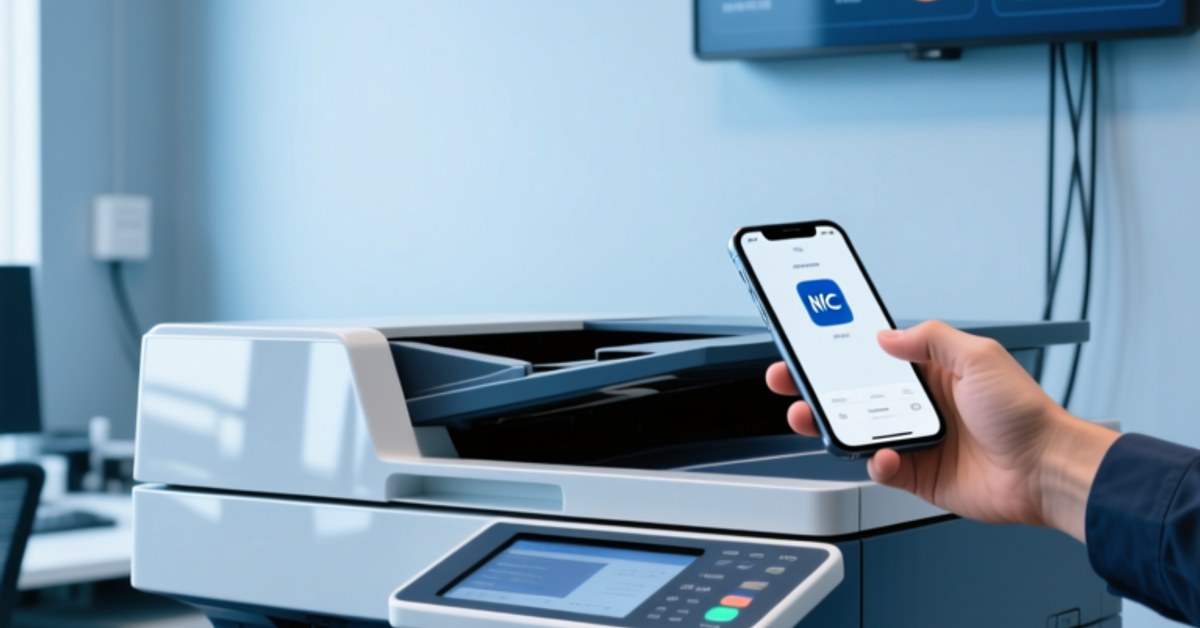
完成した衣類の NFC タグは、単にコンプライアンスを遵守するためのものではなく、着用者への直接的なチャネルとなります。. お客様がスマートフォンでタグをタップすると, 彼らは富裕層にアクセスできる, ロイヤルティを構築し、持続可能な行動を推進する、ブランドによって管理されたエクスペリエンス.
購入後の価値
- 真正性の検証: 製品が本物であることを即座に証明, 偽造品との戦い.
- お手入れと修理のガイド: 状況に応じた洗濯ビデオ, 最寄りの修理パートナーの場所.
- 再販促進: 所有者は中古市場向けにアイテムの出所を確認できる, 再販価値の向上.
- リサイクル奨励金: 回収プログラムへの直接リンク, 古着返品でポイント還元.
ブランドは DPP ランディング ページを時間の経過とともに更新できます, タグを変更せずに新しいコンテンツを追加する. この動的な機能により、ブランドのサステナビリティ ストーリーテリングとともに衣服のデジタル ツインが確実に進化します。. 詳細については、, のガイドをお読みください NFC を利用したデジタル製品パスポートがサプライ チェーンの透明性をどのように変えるか.
5. 繊維ブランド向けの実装チェックリスト
NFC ベースの DPP への移行には、部門横断的な計画が必要です. この実用的なチェックリストを使用して、プロジェクトを順調に進めましょう.
- 規制当局の審査: どの製品カテゴリが ESPR に該当するのか、またコンプライアンスがいつ開始されるのかを確認する.
- 材料サプライヤーとの関わり: 繊維生産者および織物工場とデータ共有契約を締結する.
- タグの選択とテスト: 実際の洗濯条件で少なくとも 3 つの洗える NFC タグ タイプを試験的にテストする. RFIDHYの RFID洗濯タグ 素晴らしい出発点です.
- データインフラストラクチャのセットアップ: DPP レジストリを確立するか、EU 準拠の DPP サービス プロバイダーと統合します。.
- エンコードプロセスの統合: 最終衣類ラインまたは梱包ポイントに NFC エンコード ステーションを設置する.
- 消費者向けUXデザイン: 有益かつブランドに沿った、モバイルに最適化された DPP ランディング ページを作成する.
- スタッフのトレーニング: 品質保証チームと倉庫チームにタグの取り扱いとスキャンについて教育する.
- パイロット打ち上げ: 1 つの製品ラインでパイロットを実行する, データを収集する, 完全な展開の前に改良を加えます.
デジタルパスポートをすべての衣類に埋め込むことは重要な仕事です, しかしコンプライアンスの見返りは, ブランドの完全性, 消費者からの信頼は厚い. NFCテクノロジー, 耐久性のあるタグ設計とインテリジェントなデータ管理を連携, 今日それを達成できるようにする. より広範なロードマップに向けて, 私たちの記事を参照してください NFC対応DPP: 製造業者向けの EU ESPR コンプライアンスへの実践的なロードマップ.
よくある質問
洗える NFC タグは何回の洗濯サイクルに耐えることができますか?
TPU またはシリコンのカプセル化で設計された高品質のテキスタイル NFC タグは、通常、耐久性に優れています。 50 重大なパフォーマンスの損失なしに、1回以上の工業用洗浄サイクルを実行しても. 実際の耐久性は水温などの要因によって異なります, 回転速度, そして使用した洗剤も. タグのサプライヤーに耐久性テストのレポートを必ず依頼してください.
NFC タグのコストは大衆向けアパレルにとって実現可能ですか?
大量にご注文の場合, テキスタイル用の耐久性のある NFC インレイのコストは 1 つあたりわずか数セントです. コンプライアンスの節約を考慮する, 偽造防止の利点, と消費者エンゲージメントの価値, ミッドレンジおよびプレミアムブランドの投資収益率は高い. 大量ライン向け, サプライチェーンにUHF RFIDを使用し、消費者タッチポイントにNFCを使用するハイブリッドモデルにより、コストを最適化できます。.
データプライバシーについてはどうですか? NFCタグは消費者を追跡しますか?
DPP データはクラウドに保存され、ユーザーがタグをアクティブにタップした場合にのみアクセスされます。. 消費者が自発的に提供しない限り、個人データは収集されません (例えば。, ロイヤルティプログラムの場合). タグ自体に URL が含まれています, 個人情報が埋め込まれていない. ブランドは、DPP ランディング エクスペリエンスを設計する際に、GDPR およびその他のプライバシー規制に準拠する必要があります.
NFC タグを既存のケアラベルに統合できますか?
はい. 縫い付け式 NFC ラベルは、かさばることなく標準のブランドおよびケアラベルのスタックに組み込めるように設計されています。. 既存の衣服の美学に合わせてカスタムサイズと生地仕上げで注文できます。.
デジタルパスポートを衣服に織り込む準備ができました?
RFIDHYにて, 私たちは堅牢な製品を提供します, 洗濯テスト済みの NFC タグと世界中のテキスタイル ブランドに対するエンドツーエンドの DPP 統合サポート. 耐久性のあるインレイからエンコーディング ソリューションまで, 私たちのチームは透明性の高い環境の構築をお手伝いします, 準拠, および消費者向け製品パスポート システム. 今すぐ当社の専門家に連絡してサンプル キットをリクエストし、テキスタイル DPP パイロットを開始してください.