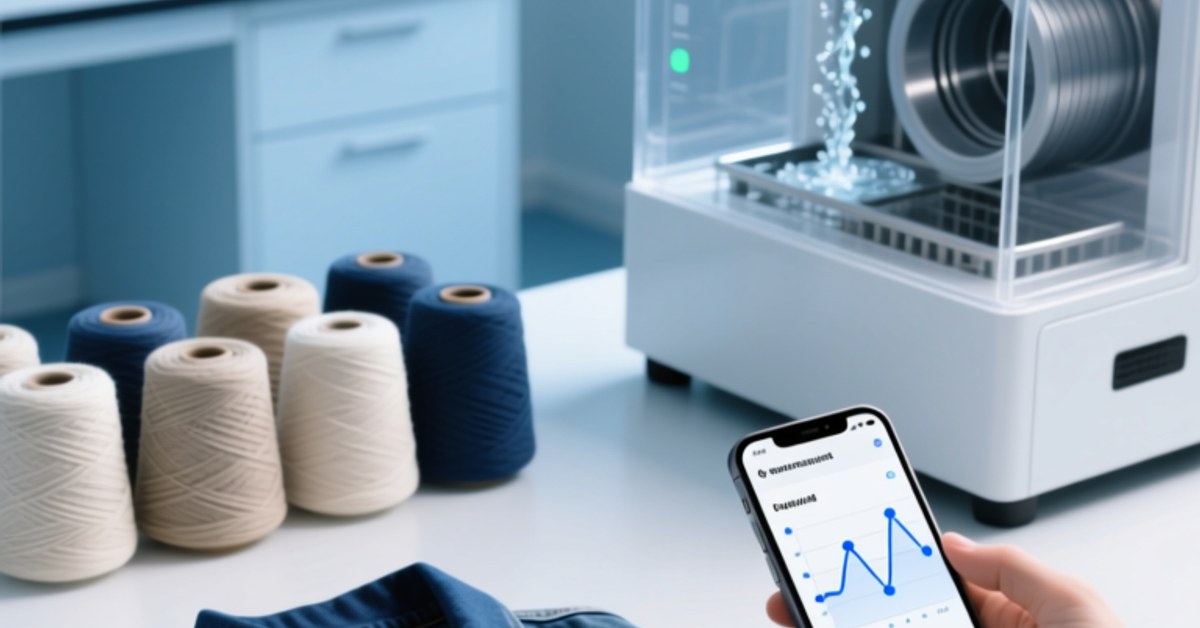
Miksi tekstiilien digitaalisten tuotteiden passit eivät ole enää valinnaisia?
Maailman tekstiiliteollisuudessa on käynnissä seisminen muutos kohti läpinäkyvyyttä. Asetukset, kuten EU:n kestävien tuotteiden ekosuunnittelua koskeva asetus (ESPR) tekevät digitaalisia tuotepasseja (DPP:t) pakollinen Euroopan markkinoilla myytäville tekstiileille ja vaatteille. Merkeille, Tämä on sekä vaatimustenmukaisuushaaste että mahdollisuus osoittaa aidot kestävän kehityksen tunnusmerkit. NFC-tekniikka tarjoaa vankan, kuluttajaystävällinen tapa toimittaa DPP:t tuotetasolla – jokaisesta vaatteesta tulee tarina jäljitettävyydestä, vastuuta, ja brändin arvo.
klo RFIDHY, me insinööri NFC -ratkaisut jotka selviävät tekstiilin elinkaaresta, kuidun lajittelusta pyykinpesuun. Tämä opas opastaa sinut NFC-pohjaisen toteutuksen päästä päähän DPP vaatteita varten, peittää etiketin kestävyyden, tietoarkkitehtuuri, ja käytännöllinen käyttöönotto.
1. EU:n tekstiili-DPP-vaatimusten purkaminen
ESPR määrää, että tietyissä tuoteluokissa – mukaan lukien vaatteet ja jalkineet – on oltava a digitaalinen tuotepassi. DPP:n tulee sisältää tiedot tuotteen koostumuksesta, ympäristöjalanjälki, toimitusketjun toimijat, ja korjattavuus tai kierrätettävyys. Näihin tietoihin on päästävä käsiksi tietovälineen kautta, ja NFC -tunnisteet ovat yksi hyväksytyistä menetelmistä.
Mitä tietoja tekstiili-DPP:n tulee sisältää?
- Tuotteen tunniste: Ainutlaatuinen tuotetunnus, erän/erän numero, maailmanlaajuinen kauppanimikkeen numero (GTIN).
- Materiaalin koostumus: Kuitupitoisuus, kierrätettyjen tai biopohjaisten materiaalien prosenttiosuus.
- Toimitusketjun toimijat: Valmistaja, maahantuoja, valtuutettu edustaja EU:ssa.
- Kestävän kehityksen ominaisuudet: Hiilijalanjälki, veden käyttö, vaarallisten aineiden läsnäolo, kiertoilmaisimet.
- Käyttöohjeet, hoito, ja elämän loppu: Pesuohjeet, korjauspalvelut, takaisinottojärjestelyt.
Tietojen on oltava saatavilla myös myyntipisteen jälkeen – eli NFC -tunniste Vaatteeseen upotetun on kestettävä kulutusta ja pesua. Tässä kohtaa pestävä NFC-tunnistesuunnittelu tulee kriittiseksi.
2. Pestävän NFC-tunnisteen suunnittelu vaatteille ja tekstiileille
Vakiomuotoisia NFC-upotuksia ei ole rakennettu toistuvaa pesua varten, spin syklit, tai kuivaus korkeassa lämpötilassa. Luoda tekstiili-DPP, joka kestää, sinun on suunniteltava tunnisteen substraatti, liimaus, ja kapselointi todellisten pesuolosuhteiden ympärille.
Alustan ja materiaalin valinta
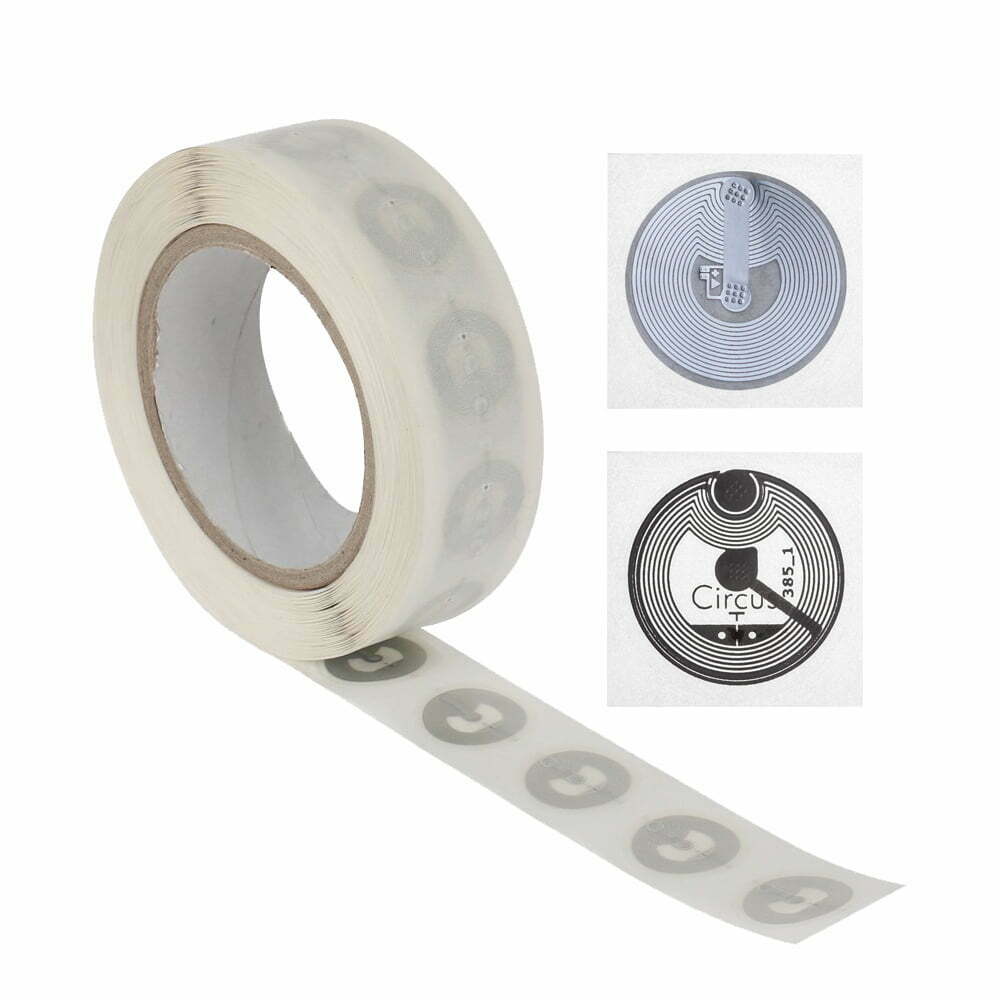
Joustavat ja kestävät alustat ovat tärkeitä. Etsi NFC-upotuksia polyuretaanilla (PU) tai termoplastinen polyuretaani (TPU) tuppi, joka kestää taipumista, kosteutta, ja pesuaineet. klo RFIDHY, tarjoamme NFC -tunnisteet ja pesulakohtainen RFID-pesutunnisteet suunniteltu korkeaan kestävyyteen. Nämä voidaan ommella saumoiksi, lämpöpuristettu hoitotarroille, tai integroituna kudottuihin tilkkuihin.
Kestävyystestausprotokollat
Ennen joukko adoptiota, kohdista NFC-tunnistesi vähintään 30–50 teolliseen pesuun tavallisilla pesuaineilla. Testaa lukualueen johdonmukaisuus, tietojen eheys, ja näkyvä huononeminen. Tunnisteen tulee ylläpitää luotettavaa lähikenttäviestintää 2–5 cm:n etäisyydellä toistuvan pesun jälkeen. Lisäksi, tarkista silitys- ja kuivapesukemikaalien kestävyys.
Muototekijät tekstiileille
- Ommeltavat kudotut NFC-etiketit: Integroituu suoraan merkki- ja hoitotarroihin.
- Lämpöpurista TPU-laastareita: Levitetään ulkokankaalle tai sisätaskuille.
- Silikonilla päällystetyt NFC-painikkeet: Raskaille vaatteille, kuten työvaatteille tai denimille.
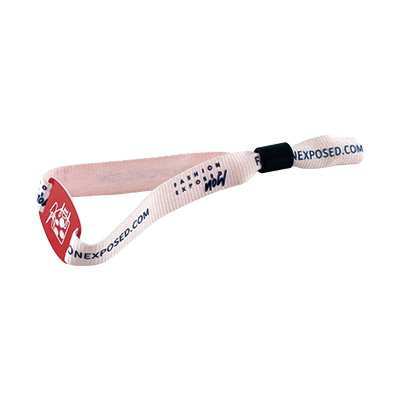
Luksusvaatteille, RFIDHY:t NFC silikonirannekkeet teknologia on inspiroinut tunnistekuvioita, jotka ovat huomaamattomia mutta täysin toimivia, usein piilossa kudottujen merkkietikettien taakse.
3. Tietovirran rakentaminen kuidusta vaatteisiin
NFC DPP on vain niin hyvä kuin data, johon se linkittää. Jäljitettävyyden toteuttaminen tarkoittaa tekstiilien toimitusketjun jokaisen solmun yhdistämistä yhteen digitaaliseen identiteettiin.
Vaiheittainen tiedonkeruu
>
| Toimitusketjun vaihe | Datapisteet kaapattu | NFC-merkintämenetelmä |
|---|---|---|
| Raakakuitu (puuvilla/villa/kierrätetty polyesteri) | Alkuperä, sertifiointi, orgaaninen tila, erän tunnus | NFC-tunniste kiinnitetty paali- tai eräsäiliöön; UID luotu |
| Kehruu & Lanka | Lankamäärä, sekoitussuhde, kehruumenetelmä, päivämäärä | Erätason NFC-tunnisteet lankakartioissa tai kuormalavoilla |
| Kudonta/neulonta | Kangasrakenne, paino, värjätä paljon, viimeistelykemikaalit | NFC-tunnisteet kiinnitetty kangasrulliin |
| Leikkaus & Ompelu | Tehdaspaikka, tilintarkastustodistus, tiedot työntekijöiden hyvinvoinnista | Yksittäinen vaate saa alustavan NFC-upotuksella ainutlaatuisen tID:n |
| Viimeistely & Laadunvalvonta | Pesutestin tulokset, lopputarkastus, pakkaustiedot | Pysyvä NFC-tunniste koodattu täydellisellä DPP-URL-osoitteella |
Jokainen siirtymä kirjoittaa pilvipohjaiseen DPP-rekisteriin, muuttumattoman kirjausketjun luominen. Brändit voivat käyttää RFIDHY:tä UHF RFID -lukijat ja kädessä pidettävät skannerit massalukemista varten varaston porteilla, Vaatteen viimeinen NFC-tunniste toimii sekä tuotemerkin todennustyökaluna että kuluttajayhdyskäytävänä.
Integrointi ERP- ja PLM-järjestelmiin
DPP-tietojesi pitäisi virrata automaattisesti olemassa olevista järjestelmistä. Kartoita yksilöllinen tunniste (UID) jokaisesta NFC-tunnisteesta tuotteesi elinkaaren hallintaan (PLM) ohjelmisto. Kun uusi erä tulee tuotantoon, PLM määrittää UID-alueen; nämä tunnisteet koodataan ja liitetään. Tietopäivitykset – raaka-aineiden sertifioinneista lopulliseen toimitukseen – synkronoidaan API:n kautta DPP-pilveen, varmistaa, että kuluttajapassi on aina oikea.
4. Taltioi kuluttajien sitoutuminen itse vaatteeseen
Valmiin vaatteen NFC-tunniste ei tarkoita vain vaatimustenmukaisuutta – se on suora kanava käyttäjälle. Kun asiakas napauttaa tunnistetta älypuhelimella, he voivat päästä rikkaisiin, brändiohjattu kokemus, joka rakentaa uskollisuutta ja edistää kestävää käyttäytymistä.
Oston jälkeinen arvo
- Aitouden varmistus: Välitön todiste tuotteen aitoudesta, väärennösten torjunta.
- Hoito- ja korjausoppaat: Tilanneherkät pesuvideot, lähimmät korjauskumppanit.
- Jälleenmyynnin helpottaminen: Omistajat voivat vahvistaa tuotteiden alkuperän käytettyjen tavaroiden markkinoille, jälleenmyyntiarvon kasvattaminen.
- Kierrätyskannustimet: Suora linkki takaisinottoohjelmiin, palkintopisteitä käytettyjen vaatteiden palauttamisesta.
Brändit voivat päivittää DPP-aloitussivun ajan myötä, lisäämällä uutta sisältöä muuttamatta tunnistetta. Tämä dynaaminen ominaisuus varmistaa, että vaatteen digitaalinen kaksoiskappale kehittyy brändin kestävän kehityksen tarinankerronnan kanssa. Lisätietoja tästä, lue oppaamme kuinka NFC-käyttöiset digitaaliset tuotepassit muuttavat toimitusketjun läpinäkyvyyttä.
5. Tekstiilimerkkien käyttöönoton tarkistuslista
Siirtyminen NFC-pohjaisiin DPP-laitteisiin vaatii monialaista suunnittelua. Käytä tätä käytännöllistä tarkistuslistaa pitääksesi projektisi ajan tasalla.
- Sääntelyn tarkistus: Varmista, mitkä tuoteluokat kuuluvat ESPR:n piiriin ja milloin vaatimustenmukaisuus astuu voimaan.
- Materiaalitoimittajien sitoutuminen: Tee tiedonjakosopimuksia kuiduntuottajien ja kangastehtaiden kanssa.
- Tunnisteen valinta ja testaus: Kokeile vähintään kolmea pestävää NFC-tunnistetyyppiä todellisissa pesuolosuhteissa. RFIDHY:t RFID-pesutunnisteet ovat erinomainen lähtökohta.
- Tietoinfrastruktuurin asetukset: Perusta DPP-rekisteri tai integroi EU-yhteensopivan DPP-palveluntarjoajan kanssa.
- Koodausprosessin integrointi: Asenna NFC-koodausasemat lopulliseen vaatelinjaan tai pakkauspisteeseen.
- Kuluttajakäyttöliittymän suunnittelu: Luo mobiililaitteille optimoitu DPP-aloitussivu, joka on sekä informatiivinen että tuotemerkkiin liittyvä.
- Henkilökunnan koulutus: Kouluta laadunvarmistus- ja varastotiimejä tunnisteiden käsittelyssä ja skannauksessa.
- Pilotin laukaisu: Suorita pilotti yhdellä tuotelinjalla, kerätä tietoja, ja tarkentaa ennen täyttä käyttöönottoa.
Digitaalisen passin upottaminen jokaiseen asuun on merkittävä hanke, mutta palkkio noudattaa, tuotemerkin eheys, ja kuluttajien luottamus on merkittävää. NFC -tekniikka, yhteistyössä kestävän tunnistesuunnittelun ja älykkään tiedonhallinnan kanssa, tekee sen saavutettavissa tänään. Laajempaan tiekarttaan, katso artikkelimme NFC-yhteensopiva DPP: Käytännön etenemissuunnitelma EU:n ESPR-yhteensopivuuteen valmistajille.
Faq
Kuinka monta pesujaksoa pestävä NFC-tunniste kestää?
Laadukkaat tekstiili-NFC-tunnisteet, jotka on suunniteltu TPU- tai silikonikotelolla, kestävät yleensä 50 tai useampi teollinen pesukerta ilman merkittävää suorituskyvyn heikkenemistä. Todellinen kestävyys riippuu tekijöistä, kuten veden lämpötilasta, pyörimisnopeus, ja käytetty pesuaine. Pyydä aina kestävyystestiraportit tarratoimittajaltasi.
Onko NFC-tunnisteiden hinta mahdollista massamarkkinoiden vaatteille??
Tilauksesta tilattaessa, kestävät NFC-inlayt tekstiileille voivat maksaa vain muutaman sentin. Ottaen huomioon vaatimustenmukaisuuden säästöt, väärennösten vastaiset edut, ja kuluttajien sitoutumisen arvo, sijoitetun pääoman tuotto on vahva keski- ja premium-brändeillä. Suuren volyymin linjoille, UHF RFID:tä toimitusketjussa ja NFC:tä kuluttajien kosketuspisteissä käyttävät hybridimallit voivat optimoida kustannukset.
Entä tietosuoja? Seuraavatko NFC-tunnisteet kuluttajia?
DPP-tiedot tallennetaan pilveen ja niitä käytetään vain, kun käyttäjä napauttaa tunnistetta aktiivisesti. Henkilötietoja ei kerätä, ellei kuluttaja anna niitä vapaaehtoisesti (ESIM., kanta-asiakasohjelmalle). Tunniste itsessään sisältää URL-osoitteen, ei upotettuja henkilökohtaisia tietoja. Brändien on noudatettava GDPR:ää ja muita tietosuojamääräyksiä suunniteltaessa DPP:n laskeutumiskokemusta.
Voidaanko NFC-tunnisteita integroida olemassa oleviin hoitotarroihin?
Kyllä. Ommeltavat NFC-tarrat on suunniteltu liitettäväksi vakiomerkki- ja hoitotarrapinoon lisäämättä massaa. Niitä voidaan tilata mukautettuja kokoja ja kangasviimeistelyjä vastaamaan olemassa olevaa vaatteiden estetiikkaa.
Valmiina kutomaan digitaaliset passit vaatteisiisi?
RFIDHYssä, tarjoamme vankka, pesutestatut NFC-tunnisteet ja päästä päähän -DPP-integraatiotuki tekstiilimerkeille maailmanlaajuisesti. Kestävistä upotuksista koodausratkaisuihin, tiimimme auttaa sinua rakentamaan läpinäkyvän, yhteensopiva, ja kuluttajia kiinnostava tuotepassijärjestelmä. Ota yhteyttä asiantuntijoihimme tänään pyytääksesi näytesarjaa ja aloittaaksesi tekstiili-DPP-pilotti.