Reguligo pri Ekodezajno de EU por Daŭripovaj Produktoj (ESPR) moviĝas preter kadra lingvo kaj en produktspecifajn delegitajn agojn. Por konsumantaj elektronikaj produktantoj kaj eksportantoj, tiu movo turnas la konsumelektroniko DPP de politika temo en operacian planan objekton. Smartphones, tabuletoj, hejmaj aparatoj, porteblaj, kaj aliaj konektitaj aparatoj estas altprioritataj kandidatoj ĉar ili kombinas rimed-intensan fabrikadon, kritikaj krudaĵoj, kaj mallongaj novigaj cikloj kiuj generas grandan e-rubon.
Ĉi tiu artikolo klarigas la atendatan EU-ekodezajnan elektronikan templinion, la datumkampoj verŝajne aperos en a saĝtelefona produktopasporto aŭ datumoj pri daŭrigebleco de aparatoj rekordon, kaj kiel NFC-bazita identigo povas iĝi la konsumant-alfronta tavolo por observo. Ĝi ankaŭ prezentas praktikan 2030 preta vojmapo por teamoj kiuj devas agi antaŭ ol formalaj delegitaj agoj estas publikigitaj.
Por fono, vidu nian Ciferecaj Produktaj Pasportaj solvoj kaj la rilataj kuirilaro pasporta gvido.
Kial konsumelektroniko estas la sekva DPP-limo
ESPR anstataŭigas la malnovan Ekodezajnan Direktivon kaj vastigas la fokuson preter energia efikeco al fortikeco, riparebleco, recikleblo, kaj cifereca spurebleco. Elektroniko konvenas tiun tagordon rekte. Ununura aparato povas enhavi dekojn da materialoj, multoblaj enigita baterioj komponantoj, kaj kompleksa servoĉeno. Sen komuna cifereca registro, riparistoj, reciklintoj, kaj aŭtoritatoj ne povas facile kontroli ĉu produkto plenumas novajn cirkulecdevojn.
EU jam enkondukis apartajn postulojn pri bateria pasporto, kaj tekstila DPP laboro estas survoja. Por elektroniko, la atendo estas ke estontaj delegitaj agoj difinos kategori-specifajn DPP-postulojn sub ESPR. Markoj, kiuj prepariĝas nun, povos reuzi datummodelojn, deklaroj de provizanto, kaj NFC-datumportumaj elektoj anstataŭ komenci de nulo.
Legu la tekstilaj kaj vestaĵoj DPP-efektivgvidilo por paraleloj en datumkolektado kaj NFC-lokigo.
La EU ESPR templinio kaj elektronika etendaĵo
La ESPR ekvalidis je 18 julio 2024. Ĝia produkto-post-produkta realigo dependas de delegitaj agoj adoptitaj de la Eŭropa Komisiono. La unua ESPR laborplano identigas prioritatajn produktgrupojn, kaj elektroniko estas vaste atendita esti traktita tra postaj laborcikloj. Dum formalaj datoj povas ŝanĝiĝi, la direkto estas sufiĉe klara por plenuma planhorizonto al 2030.
>
| Indika periodo | Atendita evoluo | Kion devus fari elektronikaj markoj |
|---|---|---|
| 2024–2025 | ESPR kadro valida; laborplano kaj konsulta agado | Mapo de produktkategorioj, kolekti bazliniajn materialojn kaj ripareblajn datumojn |
| 2026–2027 | Delegitaj agoj por komencaj elektronikaj produktgrupoj atenditaj | Pilotu DPP-datumstrukturojn kaj provu NFC-kompanian integriĝon |
| 2028–2029 | Unuaj DPP-devontigoj komenciĝas por elektita elektroniko | Konektu vivajn produktajn datumojn kaj validigu ĉe EU-vendejoj |
| 2030 | Pli larĝa elektronika amplekso atendita | Skalu trans produktseriojn kaj ĝisdatigu servajn/reciklajn laborfluojn |
Ĉi tiu tablo estas plana vido, ne laŭleĝa horaro. La decida punkto estas, ke elektronika konformeco NFC-laborfluoj kaj produktaj datumsistemoj devus esti dezajnitaj por ŝanĝo, ĉar ĉiu delegita ago povas aldoni aŭ rafini datumkampojn.
Kiajn datumkampojn postulos elektronika DPP?
La finaj delegitaj aktoj determinos precizajn kampojn, sed la direkto de vojaĝado montras al strukturita rekordo kiu kovras produktoidentecon, agado de cirkleco, danĝeraj substancoj, informoj pri baterioj, kaj fin-de-viva uzado. La sekva domajna vido helpas teamojn komenci datumkolektadon hodiaŭ.
- Produkta identeco: unika produkta identigilo, modelo, aro aŭ seria numero, dato de fabrikado, kaj detaloj de fabrikanto aŭ rajtigita reprezentanto.
- Ripareblo kaj rezervaj partoj: ripareblopoentaro aŭ takso, periodo de havebleco de rezervaj partoj, riparmanlibroj, kaj rajtigitaj riparopcioj.
- Bateria datumoj: bateria kemio, kapacito, karbonpiedsigno, reciklita enhavo, kaj instrukcioj pri forigo/anstataŭigo, referencante la apartan EU-bateriopasporto.
- Materiala malkaŝo: reciklita enhavo, kritikaj krudaĵoj kiel kobalto, litio, tantalo, kaj raraj teroj, plus deklaroj pri danĝeraj substancoj.
- Konformeco kaj dokumentado: EU-Deklaro de Konformeco, ekodezajna agadoklaso, energia efikeco, kaj programaro/firmware subtenengaĝiĝoj.
- Gvidado de fino de vivo: malmuntado, kolekto, reciklado, kaj repreni informojn.
Datenoj pri riparebleco kaj rezervaj partoj en praktiko
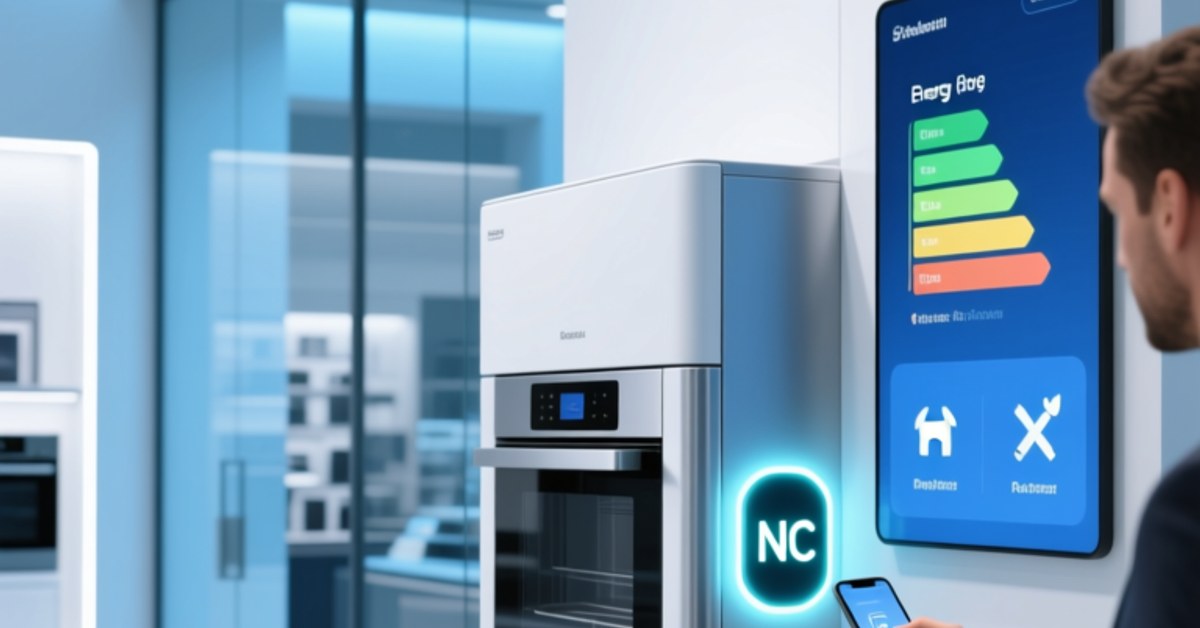
A saĝtelefona produktopasporto verŝajne inkluzivas pli ol senmovan etikedon. Por riparteknikisto, la DPP devus montri kiom longe rezervaj partoj estos disponeblaj, kiajn ilojn necesas, ĉu programaj ĝisdatigoj restas aktivaj, kaj kiuj riparaj paŝoj estas permesitaj sen nuligi garantion. Por hejmaj aparatoj, datumoj pri daŭrigebleco de aparatoj povas inkluzivi dratagramojn, motorspecifoj, kaj energi-rilataj servobultenoj.
Ĉar ĉi tiuj informoj ŝanĝiĝas dum la produktovivo, la DPP ne povas vivi sole en presita dokumentaro. Fiziko NFC-etikedo aŭ NFC-inkrustaĵo sur la produkto povas porti unikan identigilon kaj ligi al nubo-gastigita rekordo, kiun fabrikantoj ĝisdatigas kiel riparpolitikoj., havebleco de rezervaj partoj, kaj reciklaj instrukcioj evoluas.
Baterio kaj materiala malkaŝo
Elektronikaj DPP-oj intersekcos kun la EU-Bateria Regularo. Saĝtelefono aŭ aparatopasporto povas referenci la bateriopasporton prefere ol duplikati ĉiun baterian datumkampon. Tamen, la elektronika rekordo ankoraŭ devus ekaperi ŝlosilajn detalojn ĉe konsumanto aŭ ripara nivelo: forigo instrukcioj, bateria kemio, kaj ĉu anstataŭaĵoj haveblas.
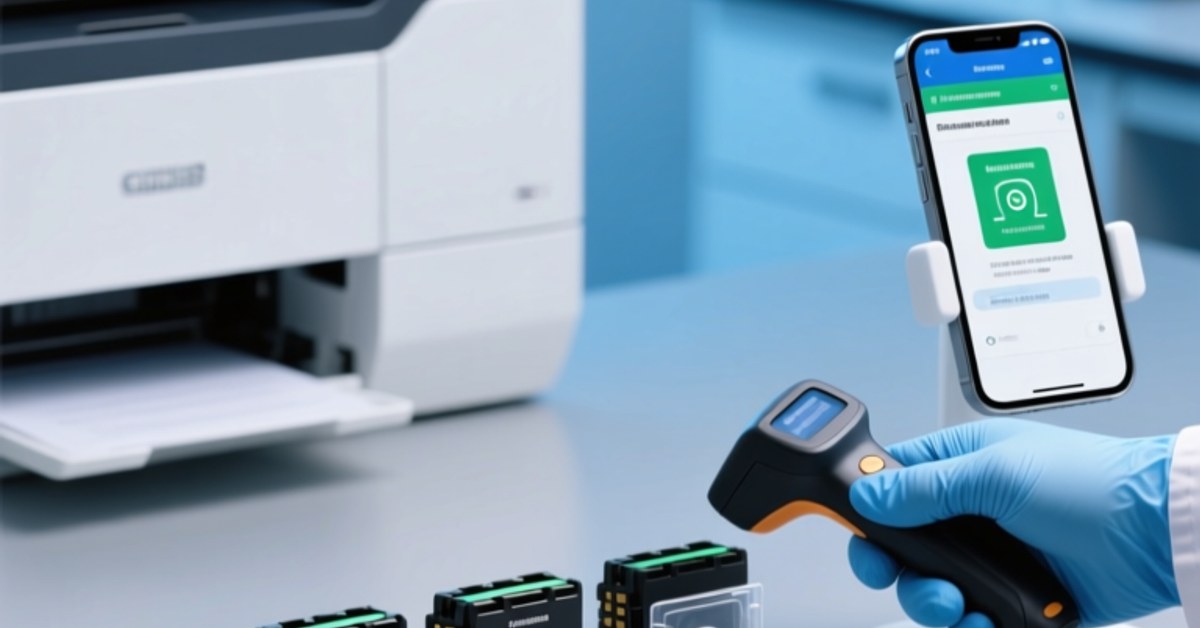
Materiala malkaŝo subtenas reciklantojn kaj helpas pruvi konformecon al cirkulecceloj. La DPP-datumstrukturo povas stoki deklarojn por reciklita enhavo kaj kritikaj krudaĵoj. Por komponent-nivela spurebleco, NFC-etikedoj kaj UHF RFID-etikedoj povas esti uzata ĉe malsamaj niveloj: UHF RFID por loĝistiko kaj magazena spurado, NFC por post-venda konsumanta interago kaj konforma aliro. Manteneblaj RFID-legantoj povas kapti komponent-nivelajn eventojn dum fabrikado kaj riparo, dum la fina konsuma produkto portas NFC-datumportilon.
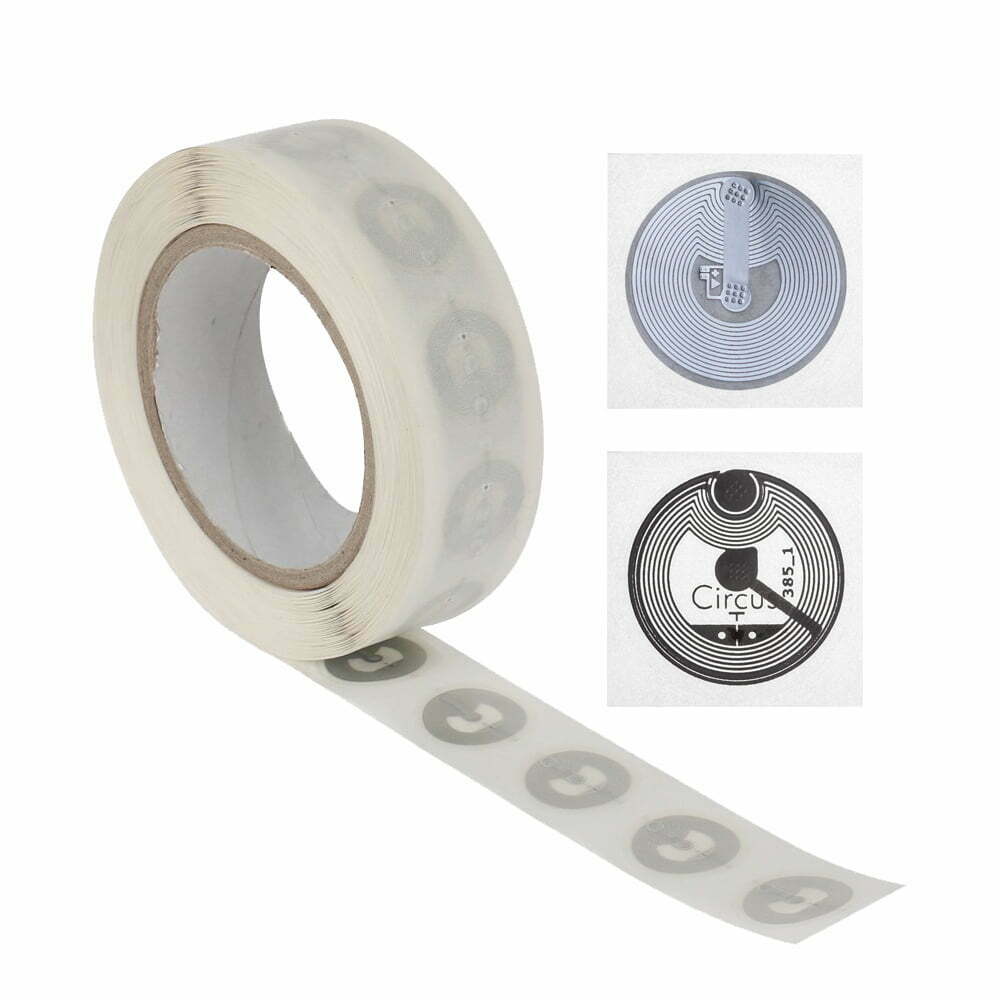
RFIDHY proponoj UHF RFID-etikedoj kaj porteblaj RFID-legiloj por provizoĉena spurebleco, kaj NFC-etikedoj, NFC -Glumarkoj, kaj NFC-inkrustaĵoj por produkt-nivela DPP-aliro.
Kial elektronika konformeco NFC funkcias kiel la DPP-datumportilo
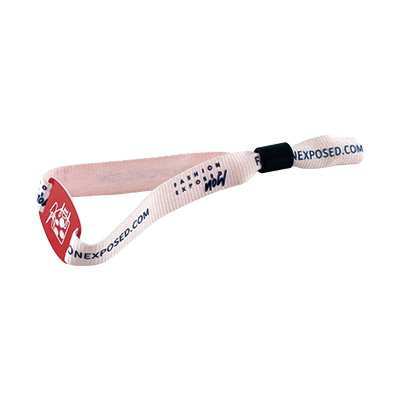
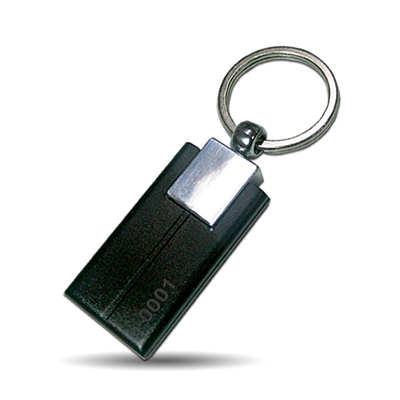
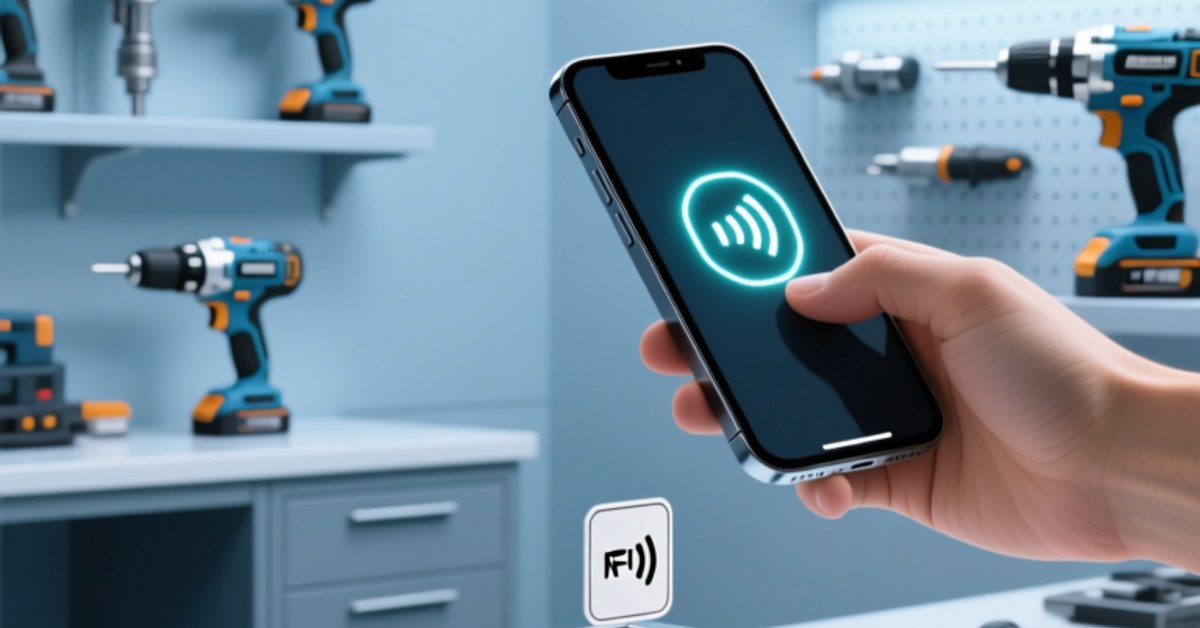
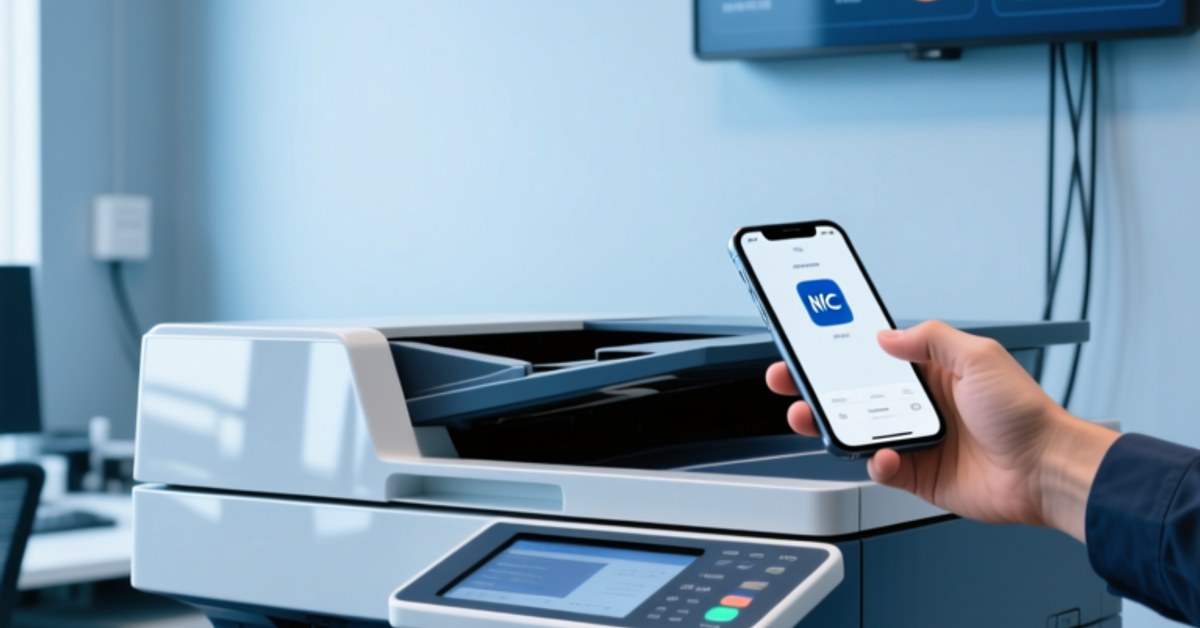
ESPR permesas malsamajn datumportojn, inkluzive de QR-kodoj kaj NFC. NFC havas praktikajn avantaĝojn por konsumelektroniko ĉar la etikedo restas legebla eĉ se presita QR-kodo portas., estas kovrita, aŭ estas tro malgranda. NFC-etikedo aŭ NFC inkrustaĵo povas esti enigita en la produkta loĝejo, sub etikedo, aŭ ene pakado. Kiam vi frapetas per NFC-ebligita inteligenta telefono, ĝi povas malfermi la plej novan DPP-rekordon sen postuli proprietan apon.
NFC-etikedoj ankaŭ subtenas unikajn identigilojn kaj kriptografan aŭtentikigon. Por altkvalita elektroniko, ĉi tio helpas markojn distingi aŭtentajn DPP-ligojn de falsaj etikedoj. La sama etikedo povas subteni postvendajn servojn kiel garantia konfirmo, mendo de riparo, kaj spurado de renovigo.
Efektiviga vojmapo: 2025–2030
Praktika preteca sekvenco helpas elektronikajn teamojn eviti lastminutan datuman tumulton. La vojmapo malsupre temigas datumojn, portanto, kaj procezpreteco prefere ol atendi finan juran tekston.
Paŝo 1: Konstruu produktan datuman bazon
Kontrolu la materialon, kuirilaro, ripari, kaj konformaj informoj jam haveblaj en ERP, PLM, kaj provizantaj deklaroj. Identigu breĉojn en riparebleco kaj vivfinaj datumoj. Nomu posedanton por konsumelektroniko DPP kvalito de datumoj.
Paŝo 2: Difinu la strategion pri datumportilo de DPP
Taksi ĉu NFC-etikedoj, NFC -Glumarkoj, aŭ NFC-inkrustaĵoj plej bone taŭgas por ĉiu produktserio. Konsideru nur pakaĵajn etikedojn por malmultekostaj akcesoraĵoj kaj enigitajn etikedojn por altvaloraj saĝtelefonoj, aparatoj, kaj porteblaj. Por loĝistikaj operacioj, parigi NFC-produktajn etikedojn kun UHF RFID-etikedoj kaj porteblaj UHF RFID-legiloj kie paleto- aŭ kartono-nivela videbleco estas postulata.
Paŝo 3: Pilotu unu produktan familion
Elektu produkton kun regebla datuma komplekseco kaj klara EU-merkata ĉeesto. Kreu minimuman realigeblan DPP-datumaron, asigni NFC-etikedojn al pilota aro, kaj prova skanado ĉe vendejo, ripari, kaj vivfinaj scenaroj.
Paŝo 4: Integri kun sistemoj de registro
Konektu la DPP-rekordon al ERP, PLM, garantio, kaj servosistemoj. Uzu unikajn etikedojn por ligi fizikajn seriajn numerojn al nubo-gastigitaj rekordoj. Aŭtomatigi ĝisdatigojn kiam bateriaj datumoj, riparmanlibroj, aŭ konformaj dokumentoj ŝanĝiĝas.
Paŝo 5: Valigi kaj skalo por 2030
Efektivigu takson pri konformeco kontraŭ konataj ESPR-postuloj kaj venontaj delegitaj agoj. Vastigu la piloton tra produktaj familioj, trejni EU-servpartnerojn, kaj inkluzivi DPP-kontrolojn en eksportaj kvalitprocezoj.
De politika signalo ĝis operacia preteco
La sekva ondo de EU-ekodezajna elektronika reguloj rekompencos fabrikistojn, kiuj traktas DPP kiel informsistemon, ne etikedo. Preparante konsumelektronikan DPP-datumkampojn, riparebla dokumentado, bateriaj krucreferencoj, kaj NFC-bazita produktidentigo nun, markoj povas redukti konforman riskon kaj krei pli bonan postvendan sperton.
Por pli pri la ebliga teknologio, vizitu nian Cifereca Produkta Pasporto superrigardo aŭ NFC-produkta paĝo.
Oftaj Demandoj
Kio estas la EU-Cifereca Produkta Pasporto por konsuma elektroniko?
Ĝi estas strukturita cifereca rekordo, kiu akompanos multajn konsumelektronigajn produktojn sub la EU-Ekodezajno por Daŭrigeblaj Produktoj.. Ĝi provizas informojn pri produkta identeco, riparebleco, rezervaj partoj, bateriaj datumoj, materialoj, plenumaj dokumentoj, kaj fin-de-viva uzado, alirebla per datumportilo kiel NFC-etikedo aŭ QR-kodo.
Ĉu elektronikaj DPP-reguloj aplikiĝos al saĝtelefonoj kaj hejmaj aparatoj?
Jes, saĝtelefonoj, tabuletoj, hejmaj aparatoj, kaj similaj elektronikaj produktoj estas atenditaj esti kovritaj per estontaj delegitaj agoj sub ESPR. La ĝusta tempo dependos de la laborplano de la Eŭropa Komisiono, sed markoj devus prepariĝi por etapaj devoj antaŭe 2030.
Ĉu EU postulas NFC por DPP-konformo?
ESPR ne devigas unu specifan portanton. QR-kodoj kaj aliaj maŝinlegeblaj portantoj estas eblaj. Tamen, NFC-etikedoj kaj NFC-inkrustaĵoj ofertas fortikecon, unikaj identigiloj, kaj rekta kran-al-malferma sperto, igante ilin praktikaj por elektroniko, kiuj bezonas longdaŭran aliron al ĝisdatigitaj konformaj datumoj.
Kio estas la diferenco inter la bateria pasporto kaj la elektronika DPP?
La bateria pasporto estas aparta postulo laŭ la EU-Bateria Regularo. Elektronika DPP povas referenci la baterian pasporton kaj inkluzivi ŝlosilan konsumanton- aŭ ripar-nivelaj bateriaj detaloj kiel forigo instrukcioj, kemio, kaj anstataŭiga havebleco, prefere ol duobligi la plenan baterian datumaron.
Kiel NFC-etikedoj povas subteni datumojn pri daŭripovaj aparatoj, kiuj ŝanĝiĝas laŭlonge de la tempo?
NFC-etikedo portas unikan produktan identigilon kaj ligas al nubo-gastigita DPP-rekordo. Kiam riparaj manlibroj, havebleco de rezervaj partoj, programara subteno, aŭ reciklado instrukcioj ŝanĝiĝas, la fabrikanto ĝisdatigas la nuban rekordon. La fizika NFC-etikedo restas la sama, do konsumantoj kaj riparteknikistoj ĉiam aliras la lastan version.
Preparu Vian Elektronika Portfolion por la Sekva EU DPP-Ondo
RFIDHY kaj NFCWORK subtenas konsumelektronikomarkojn kun NFC-etikedoj, NFC-inkrustaĵoj, UHF RFID-etikedoj, kaj legantoj laborfluoj por produktspureco kaj konformeco. Nia teamo povas helpi vin elekti la ĝustan datumportilon, desegni piloton, kaj konekti vian DPP al ekzistantaj sistemoj antaŭ la 2030 limdato.
Esploru solvojn pri Cifereca Produkta Pasporto · Rigardu NFC-produktojn · Foliumi UHF RFID-etikedojn kaj legantojn · Kontaktu nian teamon