Why Photography Consumables Need Authentication and Provenance
Photography consumables are essential to image quality, yet they are increasingly targeted by counterfeiters. Film rolls, camera filters, and sensor cleaning supplies are small, high-value items that are easy to copy, repackage, or mislabel. For film and photography brands, camera accessory makers, photo retailers and labs, and film revival communities, the consequences go beyond lost revenue. Counterfeits undermine brand trust, create unpredictable results, and can even damage cameras.
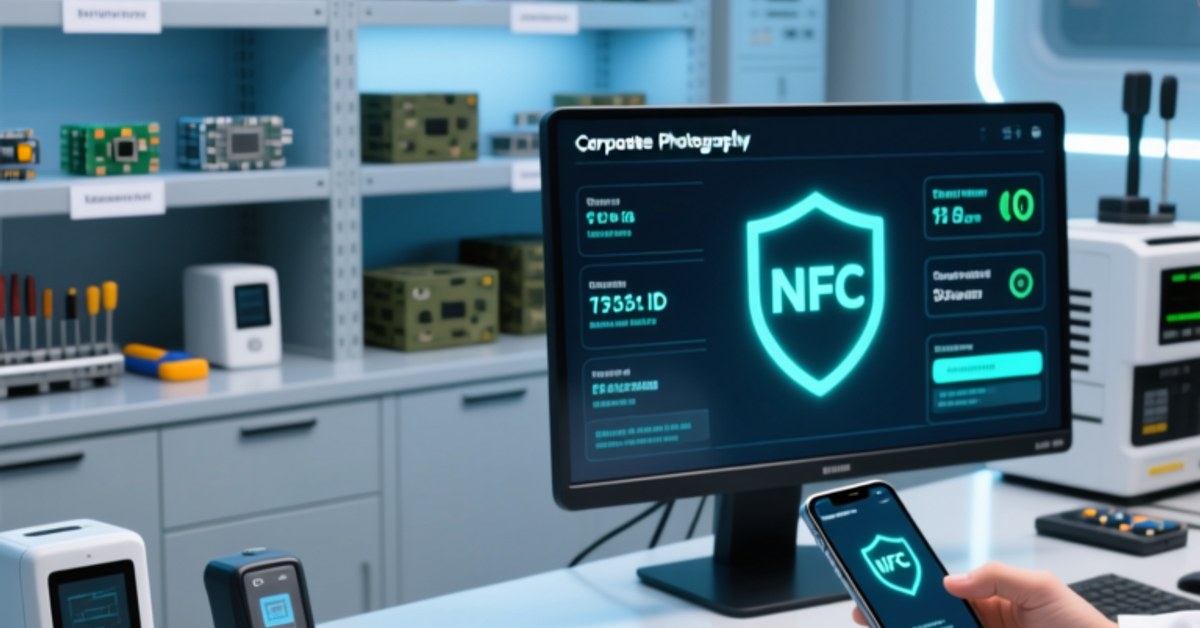
NFC technology offers a practical solution. By embedding NFC tags or RFID labels into packaging and products, brands can enable film roll authentication, camera filter NFC verification, sensor cleaning consumables traceability, and expired film verification. This guide explains how NFC and RFID work for photography consumables and why they matter for photography brand protection.
The Counterfeit and Re-Rolled Film Problem
Counterfeit film is a persistent issue. Re-rolled film—used or expired film respooled into counterfeit canisters—is particularly damaging. It may look identical to genuine film, but its performance is unpredictable. A photographer may blame themselves for poor results, when the real culprit is a counterfeit roll. Retailers and labs that unknowingly sell or process re-rolled film also suffer reputational damage.
How Re-Rolled Film Enters the Market
- Online marketplaces and social media sellers offering “bulk” or “discounted” film.
- Grey market imports with unclear supply chains.
- Refilled single-use cameras sold as new.
- Mislabeled bulk rolls repackaged as premium brands.
These channels make it difficult for buyers to verify authenticity. Even experienced photographers can be fooled by convincing packaging and copied batch codes.
Risks to Brands, Retailers, and Shooters
- Unpredictable image quality: Unknown film age and storage conditions lead to inconsistent results.
- Lab processing issues: Re-rolled film may have non-standard emulsion, causing development problems.
- Loss of trust: Customers who receive counterfeit products may blame the brand, not the counterfeiter.
- Revenue loss: Every counterfeit sale displaces a genuine sale and damages long-term brand equity.
To combat this, brands need a way to make each genuine film roll verifiable. NFC tags provide that capability.
How NFC Tags Create a Verifiable Film Roll Identity
NFC tags are small, inexpensive, and can be read by most modern smartphones. When applied to a film canister, box, or foil wrapper, an NFC tag can store a unique identifier that links to a secure digital record. This record can include batch number, emulsion type, expiry date, and storage history. Film roll authentication becomes a simple tap.
Tamper-Evident NFC Labels on Film Canisters
Tamper-evident NFC labels are designed to break when removed. If a counterfeiter tries to transfer a genuine tag to a counterfeit roll, the tag is damaged and becomes unreadable. RFIDHY offers NFC tags and NFC stickers that can be customized for small-diameter surfaces like film canisters. These tags can be encoded with unique IDs and secured with digital signatures.
Batch, Expiry, and Storage Provenance
Beyond authentication, NFC tags can carry batch-level data. A film roll’s expiry date and recommended storage conditions can be written to the tag. When a lab or retailer scans the roll, they can automatically check whether the film is within its usable window. This supports expired film verification: users can see if the film is expired, how it was stored, and whether it was kept refrigerated.
Consumer Scanning Experience
Consumers can scan the tag with an NFC-enabled smartphone. A verification page opens, showing a green checkmark for genuine products or a warning for suspicious tags. The page can also display usage tips, development recommendations, and links to brand support. This transforms a simple film roll into a connected product.
Expired Film Verification and Storage Provenance
Expired film is a popular choice for creative photographers. Many intentionally shoot expired film for its unique color shifts and grain. However, the market for expired film is opaque. Sellers may claim cold storage without evidence. Buyers may overpay for film that was stored in a hot garage. NFC tags can introduce much-needed transparency.
Cold Chain and Storage Logs
For brands and distributors that store film in temperature-controlled environments, NFC tags can be updated with storage logs. If the storage environment uses NFC or RFID sensors, temperature and humidity data can be written to the tag or linked record. Even without sensors, authorized supply chain partners can log storage conditions at key points. This creates a digital provenance trail.
Exposure Compensation Guidance
Expired film verification can also include practical guidance. When a user scans a tag, the digital record can suggest exposure compensation based on the film’s age and storage history. This adds value for photographers and encourages them to engage with the brand’s digital ecosystem. It also helps reduce disappointing results, which in turn protects brand reputation.
For collector and vintage markets, expired film verification is especially valuable. Rare expired film stocks can command high prices. A verifiable storage history can justify a premium and reduce disputes.
Camera Filter Authentication and Coating Claims
Camera filters are another category vulnerable to counterfeiting. Premium filters feature multi-coatings, anti-reflective layers, and precision optical glass. Counterfeit filters may use inferior glass, skip coatings, or misrepresent ND and CPL characteristics. Camera filter NFC can help.
Verifying Multi-Coating and ND/CPL Claims
An NFC tag on the filter frame or retail box can link to a digital certificate that details model and size, coating type and number of layers, optical transmission data, compatibility, and warranty. For ND filters, the actual light reduction can be tested. For CPL filters, polarization efficiency matters. NFC tags cannot measure optical performance, but they can link to independent test reports or brand-verified specifications.
NFC Tags on Filter Frames and Retail Packaging
NFC tags can be small enough to fit on filter frames without affecting handling. NFC stickers or NFC inlays can be embedded in packaging. For high-end filters, a tamper-evident NFC label on the box provides a clear authenticity check. RFIDHY’s NFC tags and NFC inlays are suitable for both frame and packaging applications. Retailers can scan the tag at point of sale to confirm authenticity. Consumers can scan after purchase to verify coating claims.
If a counterfeit filter tries to use a copied NFC tag, the digital certificate will show as already claimed or the tag’s unique ID will not match the brand’s database. This deters counterfeiting and protects photography brand protection efforts.
Sensor Cleaning Consumables: Sealed Swabs, Solutions, and Kits
Sensor cleaning consumables include swabs, cleaning solutions, and complete kits. Counterfeit or repackaged sensor cleaning products can damage sensors. For example, diluted cleaning solution may leave streaks or residue; used swabs repackaged as new may carry dust or particles. Photography brand protection requires traceability from manufacturing to retail.
Preventing Dilution and Repackaging Fraud
NFC tags can be applied to sealed swab packages, solution bottles, and kit boxes. Each tag can carry a lot number, expiration date, and tamper-evident seal status. Labs and retailers can scan the tag to verify that the product is genuine and has not been opened. If the label is broken, the scan can show a warning. This deters both dilution and repackaging.
Lot-Level Traceability
Lot-level traceability allows brands to recall specific batches if needed. It also helps labs manage inventory. With NFC tags, a lab can scan incoming sensor cleaning supplies and automatically log lot numbers, expiration dates, and quantities. This reduces manual data entry and improves accuracy. For high-volume operations, handheld RFID readers and fixed RFID readers can automate the process further.
Lab and Retailer Verification Workflows
Labs and retailers need simple, fast verification. NFC-enabled smartphones and desktop RFID readers can be used. Here is a typical workflow:
>
| Step | Action | Technology |
|---|---|---|
| 1 | Receive shipment | Handheld RFID reader scans case labels |
| 2 | Verify individual items | NFC-enabled smartphone taps each NFC tag |
| 3 | Check expiry and storage | Digital record displays date and storage history |
| 4 | Record verification | POS or lab management system logs the scan |
| 5 | Alert on failure | System flags invalid or tampered tags |
For high-volume retail, a desktop RFID reader can read multiple NFC tags quickly. For labs, a smartphone app is often sufficient. RFIDHY provides NFC tags, NFC stickers, and NFC inlays that work with standard NFC smartphones. For larger operations, handheld RFID readers and fixed RFID readers are available from RFIDHY.
Integrating verification into existing POS or lab management systems reduces friction. Staff can scan tags as part of their normal intake process. Alerts can be triggered automatically when a tag fails validation. This makes authentication a seamless part of daily operations rather than an extra burden.
Collector and Vintage Market Trust
The collector and vintage market thrives on trust. Rare film stocks, limited-edition filters, and vintage camera accessories are bought and sold in online communities. Provenance is difficult to verify. NFC tags can provide a digital provenance record that travels with the item.
For film rolls, collectors can verify expiration dates and storage history. For filters, they can verify model and coating. For sensor cleaning kits, they can verify sealed condition. This creates a more transparent market. Sellers can demonstrate authenticity; buyers can bid with confidence.
Auction houses and online platforms can also benefit. They can scan NFC tags to verify items before listing, reducing the risk of disputes and returns. NFC product authentication, similar to what is used for luxury items authentication, can be adapted for photography consumables. The same principles of unique digital identity and tamper evidence apply.
Implementing NFC for Photography Consumables
Implementing NFC for camera consumables requires choosing the right tags, encoding data, and integrating with digital systems.
Tag Selection
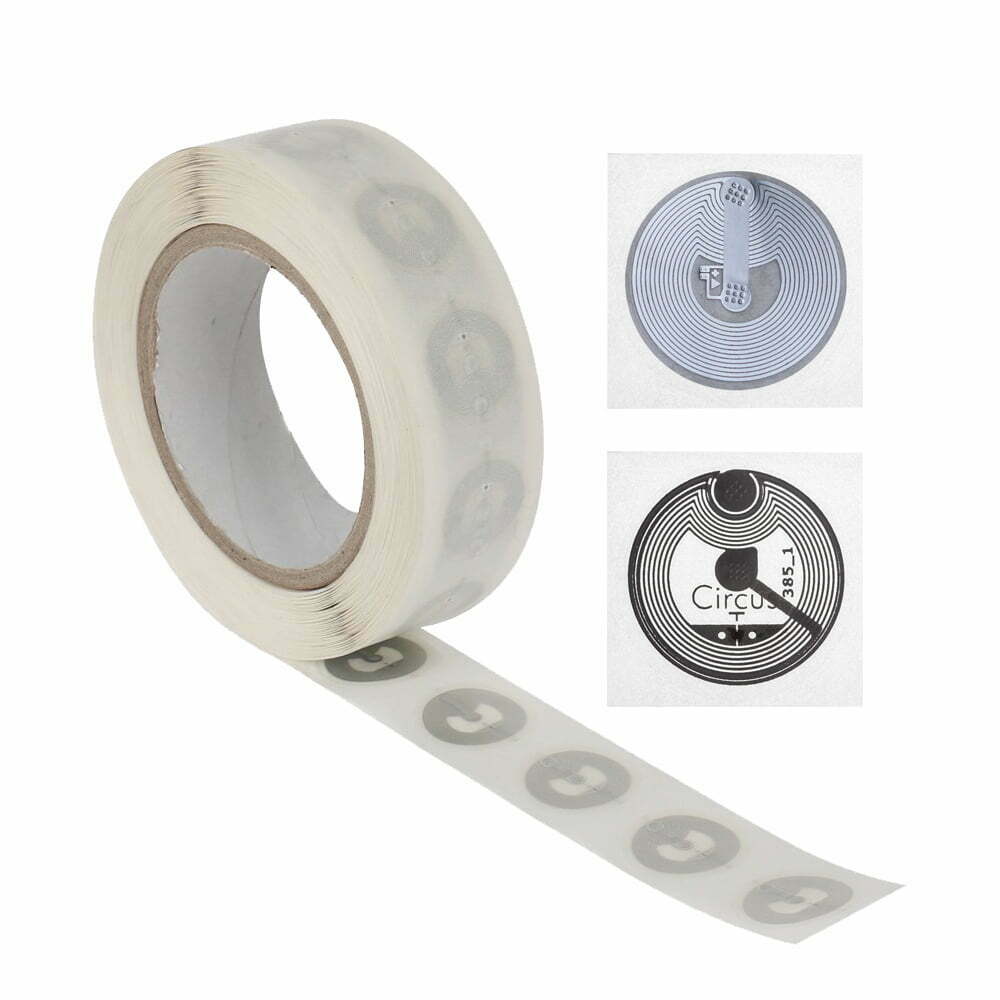
- NFC tags: For tap-to-verify with smartphones.
- NFC stickers: For film canisters, filter boxes, and small packages.
- NFC inlays: For embedding in packaging or labels.
- HF RFID tags: For applications requiring higher security or longer read range.
- UHF RFID tags: For inventory management in warehouses and retail.
RFIDHY offers a range of NFC tags, NFC stickers, NFC inlays, and RFID labels suitable for photography consumables. Tag placement should consider surface material, curvature, and exposure to moisture or chemicals.
Reader and Scanning Options
- NFC-enabled smartphones: For consumers, retailers, and labs.
- Handheld RFID reader: For warehouse and retail inventory.
- Desktop RFID reader: For point-of-sale and lab verification.
- Fixed RFID reader: For automated tracking in production or storage.
Digital Product Passport Alignment
The European Union’s Digital Product Passport (DPP) initiative will require digital records for many products. Photography consumables can benefit from DPP-aligned NFC tags. A DPP provides a standardized way to store and share product data, including origin, materials, and end-of-life instructions. For film and filters, a DPP could include expiry dates, storage conditions, and recycling information. NFC tags are a natural access point for DPPs. Learn more about our Digital Product Passport solutions.
Conclusion
Counterfeit and re-rolled film, fake filters, and repackaged sensor cleaning supplies pose real risks to photography brands, retailers, labs, and shooters. NFC technology offers a practical, scalable solution. By using NFC tags and RFID labels, brands can enable film roll authentication, camera filter NFC verification, sensor cleaning consumables traceability, and expired film verification. Labs and retailers can streamline verification workflows. Collectors and vintage markets can build trust through digital provenance.
As the photography consumables market continues to grow, NFC-based authentication and provenance will become a standard expectation. Brands that adopt NFC early will differentiate themselves, protect their customers, and build lasting trust. Explore our PRODUCTS or CONTACT US to start your NFC implementation.
FAQ
How does NFC help with film roll authentication?
NFC tags on film canisters or packaging contain a unique identifier linked to a secure digital record. When scanned, users can verify batch number, expiry date, and authenticity. Counterfeit or re-rolled film typically lacks a valid NFC tag or shows a failed verification.
Can NFC tags survive film storage conditions?
Yes. NFC tags can be designed to withstand refrigeration and normal handling. For cold storage, specific NFC tags with appropriate adhesives are available. RFIDHY offers NFC stickers and NFC inlays suitable for various environments.
What is expired film verification?
Expired film verification uses NFC scans to confirm a film’s expiry date and storage history. This helps buyers and sellers in the expired film market make informed decisions and reduces disputes.
How do camera filter NFC tags work?
An NFC tag on the filter frame or box links to a digital certificate showing model, coating type, and specifications. Retailers and consumers can scan to verify authenticity and coating claims.
Can NFC tags prevent sensor cleaning solution dilution?
Tamper-evident NFC labels on bottle caps or seals can indicate if a package has been opened. If the seal is broken, the scan shows a warning, helping prevent dilution and repackaging fraud.
What products from RFIDHY are suitable for photography consumables?
RFIDHY offers NFC tags, NFC stickers, NFC inlays, HF RFID tags, UHF RFID tags, handheld RFID readers, desktop RFID readers, and fixed RFID readers. These can be used for authentication, traceability, and inventory management.
How does NFC support collector and vintage market trust?
NFC tags provide a digital provenance record that travels with the item. Collectors can verify expiry dates, storage history, and coating specifications, reducing fraud and building confidence in online and auction sales.
Protect Your Photography Consumables with NFC
Ready to secure your film rolls, camera filters, and sensor cleaning supplies? NFCWORK Technology provides NFC tags, NFC stickers, NFC inlays, and RFID solutions for photography brands, retailers, and labs.
Contact us to discuss your authentication and traceability requirements, or explore our NFC products and solutions to see how NFC can work for your brand.