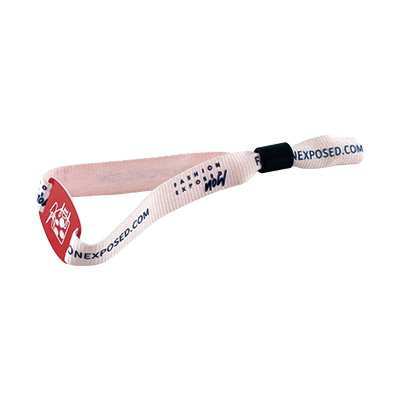
Assisted living operators face a delicate balancing act: they must keep residents safe while preserving independence, dignity, and a homelike atmosphere. NFC wearables for senior care are quietly solving this puzzle by turning a wristband into a secure digital identity that works at the point of contact. An elderly NFC wristband is not a tracking device in the traditional sense. It is a key that unlocks the right information at the right time for caregivers, residents, and family members.
Why Assisted Living Technology Needs NFC Wearables
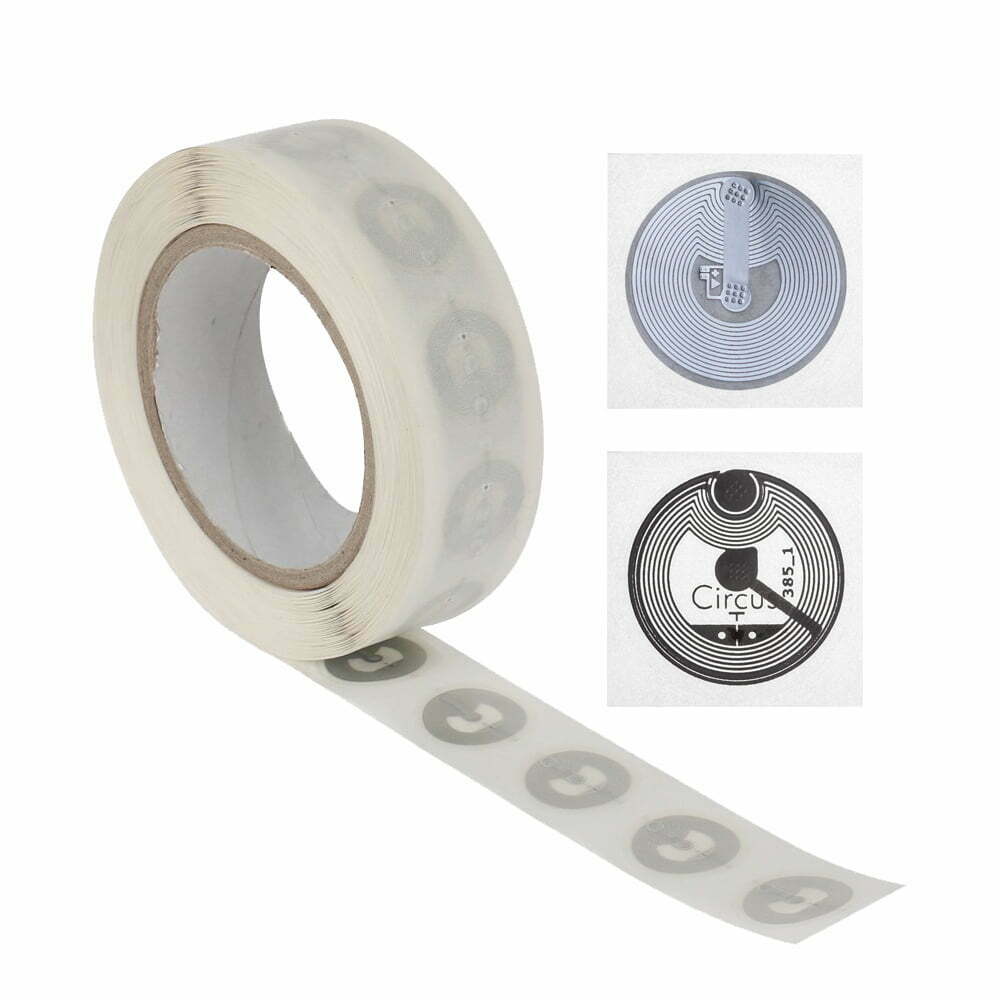
NFC technology has matured into one of the most reliable short-range identification methods for care environments. A passive NFC tag inside a wristband is read when a smartphone or reader is within a few centimeters, which makes it natural for intentional workflows such as medication rounds, room checks, and emergency responses. Because the tag draws power from the reader, there is no battery to charge and no daily maintenance from residents.
For care facilities, the real value is in reducing friction. A nurse should not have to search through a binder to find a resident’s medication plan. Caregivers should not need to remember a different login for every room. With an NFC/RFID wristband, the resident’s identity is embedded in the wearable, allowing staff to spend more time on personal care and less time on paperwork.
How an Elderly NFC Wristband Fits Into Daily Care
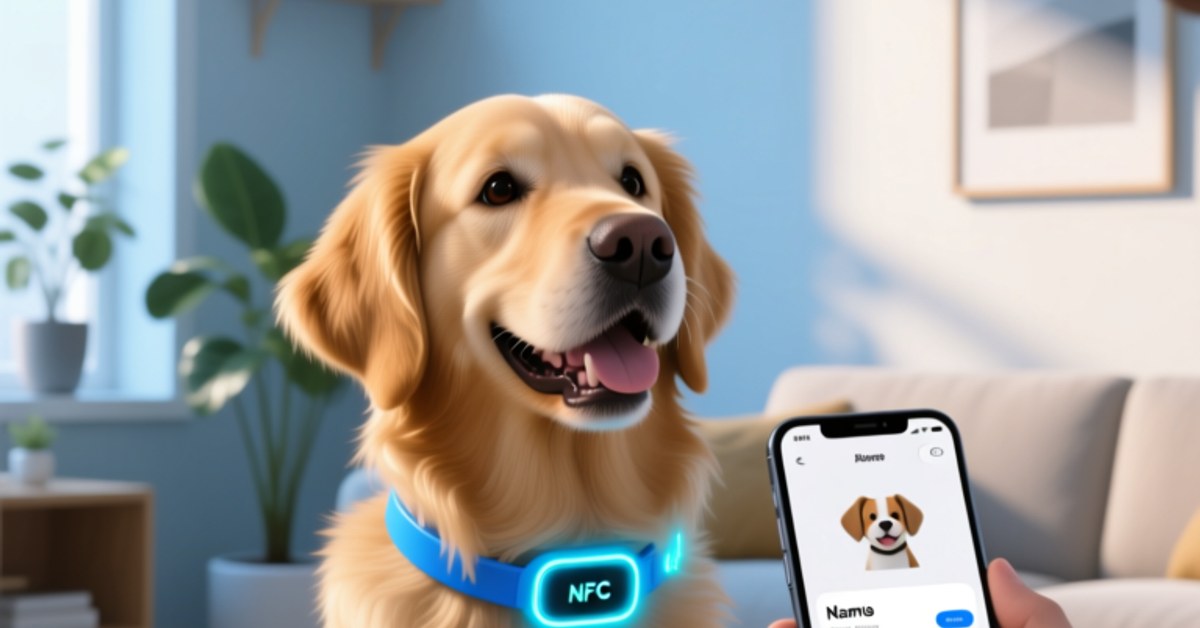
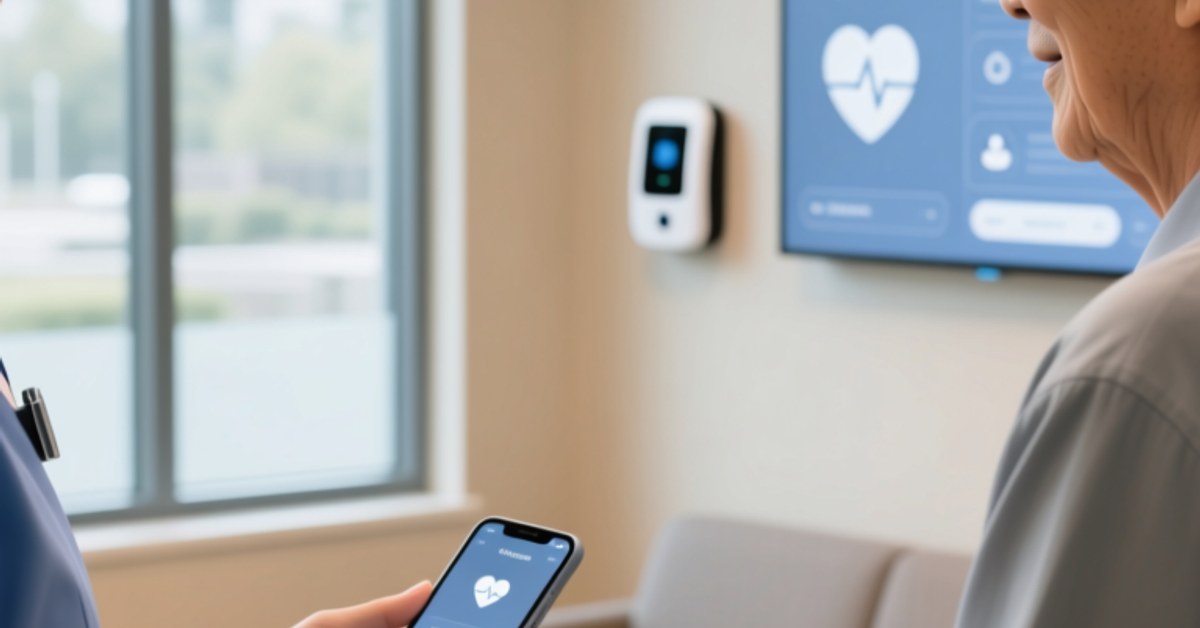
In practice, the elderly NFC wristband stores a unique URL or ID that points to a resident profile in your care system. When a staff member taps it with an NFC-enabled smartphone, the app opens a profile that can show allergies, current medications, mobility level, meal preferences, and next scheduled check. The same wristband can be read by fixed readers or desktop readers at nursing stations, giving care teams a consistent way to identify residents without asking questions that can be stressful in memory care.
This model can be implemented with products available from RFIDHY and WristbandHY, including soft silicone wristbands that are comfortable enough for continuous wear. Complex sensors are not required for basic senior safety. Instead, the intelligence lives in the reader and the care software, where decisions are made and documented.
Wandering Prevention and Alerts: Aiding Response Without Restricting Freedom
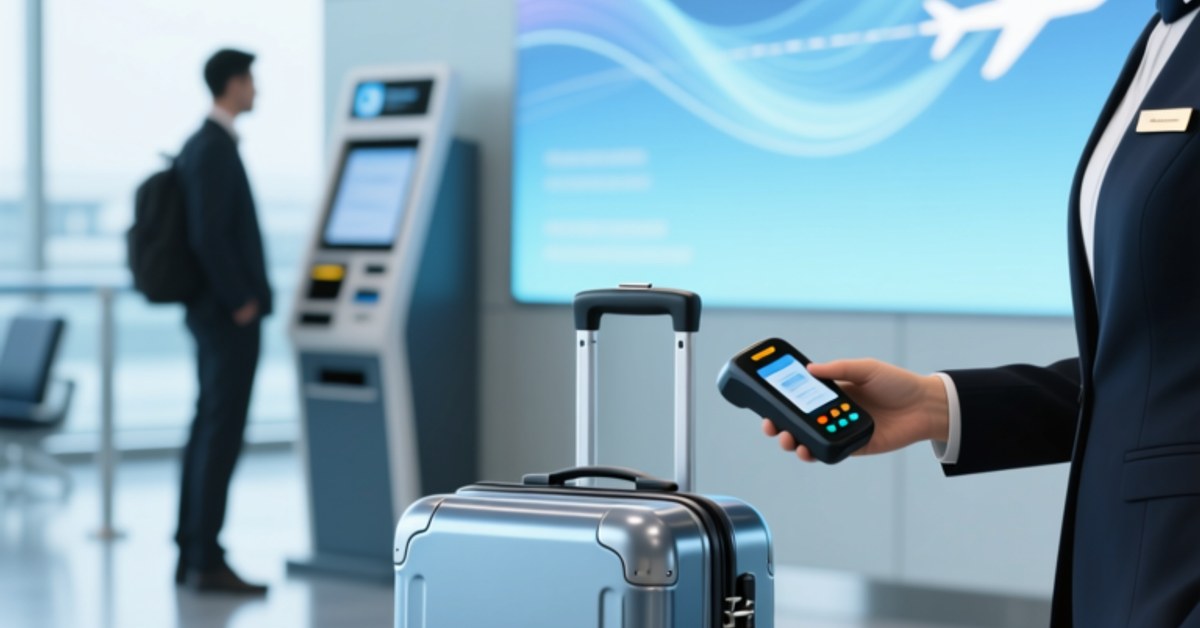
Wandering prevention is about detecting an unsafe movement pattern before it turns into a crisis. In an assisted living safety NFC program, exit doors are fitted with RFID readers that recognize a resident wristband when the person approaches the threshold. The reader sends a silent, real-time alert to staff phones with the resident’s identity, approximate location, and the zone where the last activity was registered.
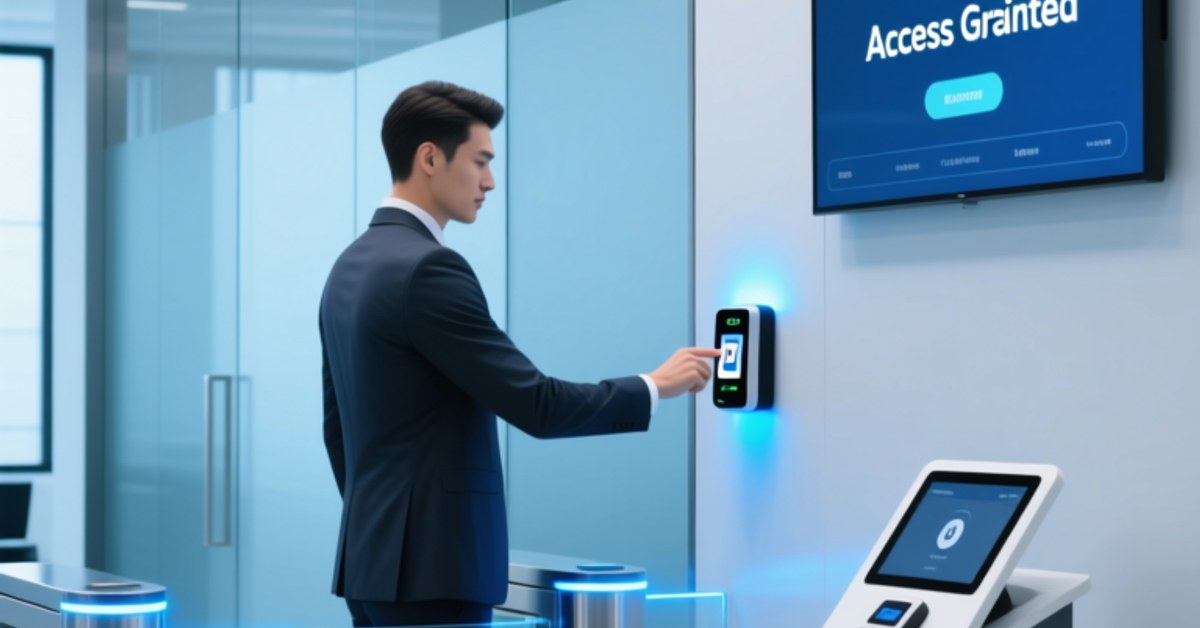
For facilities that need a longer read range at doorways or common exits, a UHF RFID wristband is often the best option because it can be detected without requiring the resident to tap a reader. For interior doors, residential wings, or staff-controlled gates, an NFC wristband and a fixed reader offer an affordable and simple checkpoint. The point is to pair the wristband with the appropriate reader type for each potential exit.
Operational Tips for Wandering Alerts
- Identify all potential exit routes, including service doors and elevators.
- Choose a reader format that matches the architectural and movement patterns of each exit.
- Set escalation rules so the first responder is always the closest available caregiver.
- Display alerts on existing communication devices instead of forcing staff to monitor another screen.
- Conduct regular drills to ensure response times match your facility’s care plan.
Medication Reminder Wearables: Going Beyond Alarms
Medication errors in senior care are rarely intentional. They are often the result of rushed schedules, similar packaging, or incomplete communication between shifts. A medication reminder wearable for senior care supports the process by adding a simple verification step before any drug is administered. When a nurse approaches a resident, they scan the resident’s NFC wristband. The app displays the scheduled medication, dose, form, and any relevant allergy flag. After confirming, the nurse marks the dose as administered and the software generates a clear audit record.
For residents who self-administer, an NFC wristband can be tapped at a medication cabinet or bedside reader, prompting the system to show a friendly reminder on a screen or voice assistant in the resident’s room. The system can also notify a staff member if a resident misses the expected self-administration window.
Designing a Reliable Medication Workflow
- Ensure every resident profile is updated after each prescriber change.
- Use a wristband reader that works reliably even when the care app is offline.
- Make the last-administered time visible to all staff at shift handover.
- Involve pharmacists early to confirm the required data fields and audit requirements.
Staff Check-In Workflows: Building a Complete Care Trail
Daily rounds are necessary, but they are difficult to document consistently. NFC wristbands make check-ins nearly automatic. A caregiver touches the resident’s wristband with a phone or reader, selects the completed task from a short list, and moves on. The facility obtains an accurate, timestamped timeline of care without interrupting the flow of resident interaction.
Check-in workflows also support family communication. Instead of a generic note saying “evening care provided,” the family portal can show that the care team completed a scheduled repositioning, assisted with meals, or offered fluids. This type of experience builds trust and eases the worries that many families face when they compare care home technology options.
What to Track During NFC Check-Ins
- Wellness visits and visual checks
- Meal and fluid consumption
- Toileting assistance
- Repositioning and pressure care
- Walking or mobility support
Emergency Call Scenarios: Turning an Alert Into an Actionable Response
In an emergency, identity matters. A resident may not be able to state their name, medical condition, or emergency contact. An NFC wristband can support a resident in distress by giving responders immediate access to critical information when the wristband is tapped by a responder or when an alert is generated from an NFC-enabled call point.
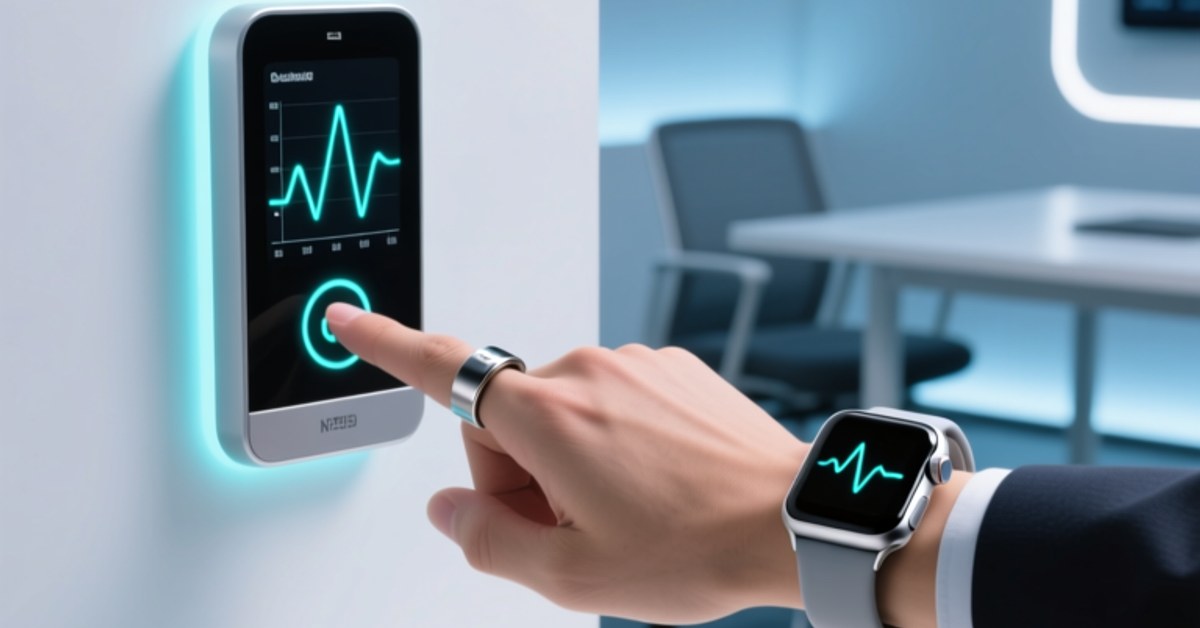
For example, a bathroom is a high-risk location. A resident who feels unwell can tap their wristband on a wall-mounted NFC pad, triggering a priority call with their room number and care profile. In a common room, a caregiver can tap the wristband with their mobile phone to open an emergency profile while another colleague assists the resident. This changes an emergency from a vague notification into a guided response.
Privacy and Consent in Assisted Living Safety NFC Programs
The most responsible technology programs are designed with the resident at the center. Assisted living safety NFC programs should be introduced in a way that respects individual autonomy and follows relevant healthcare privacy regulations. Residents and their family representatives should receive a short, plain-language explanation of what the wristband does, where readers are located, and what series of events are recorded.
For residents with cognitive impairment, consent may be obtained through family members or legal guardians, but their preferences should still be considered. If a resident repeatedly removes the wristband, the care team should investigate the underlying cause, such as skin irritation or discomfort, and consider a different form factor.
Key privacy controls include:
- Access restricted to authorized caregivers; no public display of resident location.
- Encryption of all resident identifiers at rest and in transit.
- Clear retention policy for event logs.
- Ability to annotate a data record with the resident’s care context.
- Option to pause monitoring in areas where resident privacy takes priority, if supported by safety risk assessment.
Implementation Checklist for NFC Wristband Deployments
A concise deployment plan helps avoid the biggest failure mode: buying hardware before defining process. The checklist below maps your resident safety goals to the right NFC/RFID product categories.
>
| Use Case | Recommended NFC/RFID Product Type | Outcome |
|---|---|---|
| Daily resident identification | NFC wristband or NFC silicone wristband | Staff confirm identity digitally during each interaction |
| Wandering exit alerts | UHF RFID wristband with doorway reader | Care team receives an alert before resident leaves the building |
| Medication rounds | NFC wristband + smartphone or desktop RFID reader | Medication record is linked to the correct resident |
| Staff room checks | NFC wristband + mobile app | Checks are logged at the point of care |
| Emergency identification | NFC wristband + stationary reader pad | Emergency call carries the resident’s care profile |
Selecting the Right Hardware for Your Care Home
The wristband is one part of a larger system. Consider a silicone wristband for durability and easy disinfection, especially in memory care units where residents may be near water or where spillages are common. For residents with smaller wrists, select an adjustable size or a bracelet form factor. Readers can include NFC-enabled smartphones, desktop RFID readers on nursing carts, handheld RFID readers for spot checks, and fixed UHF RFID readers for doors.
At the system level, you need a registration workflow that connects each wristband with a resident profile and then with the electronic care record. At RFIDHY and NFCWORK, we supply the components and guide technology decisions, but a successful deployment depends on the facility’s commitment to staff training and resident onboarding.
Start Small, Measure, Then Expand
Begin with a pilot in one residential unit. Choose a group of residents who will benefit the most, such as those with known wandering risk or complex medication schedules. Train staff on how to use the wristbands, and collect feedback for two weeks. Look at the number of missed check-ins before and after, medication administration confirmations, and time needed to respond to alerts.
Involve residents who can participate in the decision, explaining that the wristband helps staff help them faster. Once the pilot shows reliable outcomes, you can expand to other units with greater confidence.
Peace of Mind Is Built on Consistent Actions
NFC wearables for senior care may look simple, but the peace of mind they provide is profound. Families feel reassured when they know that a loved one can be identified and helped quickly. Caregivers feel more competent when their daily workflows are supported by reliable data. Facility operators gain visibility that helps them improve care quality and auditability.
If you are evaluating assisted living safety NFC options, take a practical first step. Speak with your care team, map your highest risk moments, and ask how an NFC or RFID wristband could bring you a clearer view. The right deployment should make life calmer for everyone in the building—not more complicated.
FAQ
What is an NFC wristband used for in an assisted living facility?
An NFC wristband identifies a resident when it is tapped by an NFC-enabled reader or smartphone. It gives caregivers fast access to a resident’s care profile, supports medication administration, and can be used in staff check-in and emergency workflows.
Will an NFC wristband be read without the resident pressing a button?
Passive NFC tags are read when they are placed within a few centimeters of a reader. For hands-free wandering prevention, a UHF RFID wristband is more suitable, since fixed readers can detect it at a longer distance.
Can NFC wristbands replace nurse call buttons?
No. They are an identification layer that makes alerts more accurate. Facilities should continue to use pull cords, call buttons, or bed sensors for immediate emergency requests and should integrate the NFC wristband with those systems where possible.
How are medication reminders triggered?
When a caregiver taps the wristband before medication administration, the software lists what is due for that resident. For self-managing residents, a bedside reader can activate a visual or audio reminder when the resident taps the wristband at the scheduled time.
What materials are comfortable for long-term wear?
NFC silicone wristbands are often selected because they are flexible and easy to clean. RFIDHY and WristbandHY offer a range of wristband styles that can be adjusted to different resident wrist sizes.
Ready to Strengthen Care with NFC Wearables?
NFCWORK Technology has helped organizations design NFC/RFID solutions for access, identification, and care environments. You can explore the latest RFID/NFC wristband options at RFIDHY and WristbandHY, or start with a conversation about your use case.
Contact the NFCWORK team for help selecting the right senior care technology. For an overview of current applications, visit our smart wearable identification page.