The Growing Need for Reliable Pet Identification in the US and EU Markets
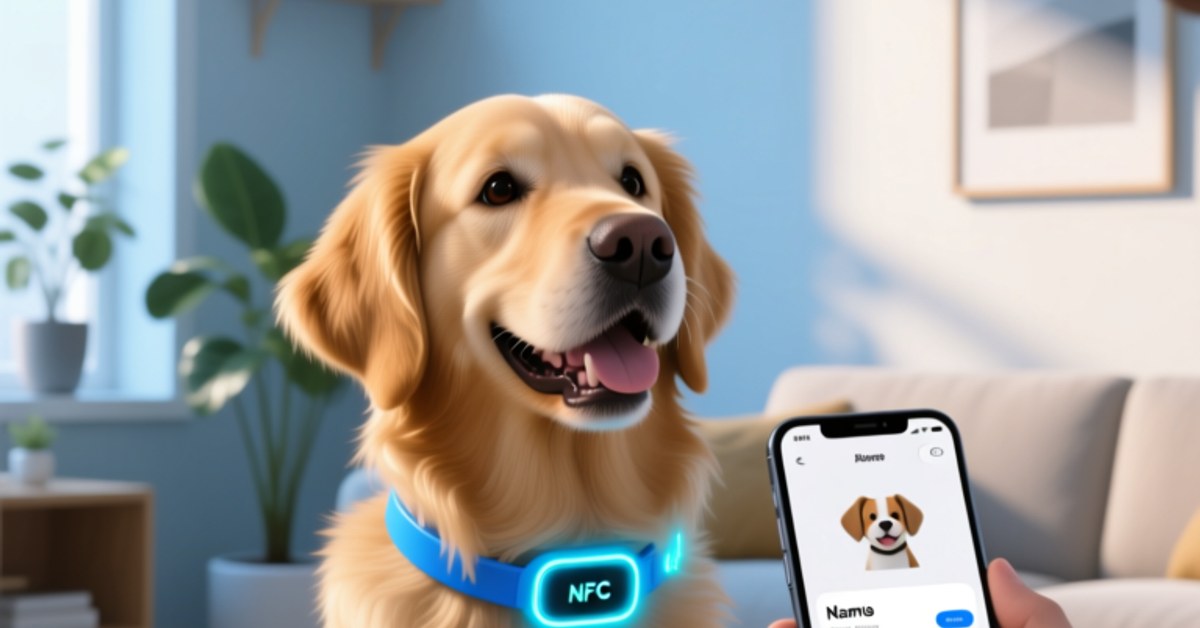
Pet ownership continues to surge across the globe. In the United States alone, approximately 90 million households own a dog, and nearly 94 million own a cat, according to the American Pet Products Association. Across the European Union, the pet population exceeds 300 million, with dogs and cats present in 46% and 26% of households respectively. Yet, behind these heartwarming numbers lies a distressing reality: an estimated one in three pets will go missing at some point in their lifetime. Traditional identification methods—collar tags, tattoos, and even microchips—have not eliminated the anguish of a missing companion. That is precisely where NFC pet wearables step into the spotlight, offering a new benchmark for instant, smartphone-based digital identity and lost pet recovery.
The Emotional and Economic Toll of Lost Pets
Every lost pet story is a wrenching experience. Shelters receive millions of stray animals each year, but without reliable identification, the return-to-owner rate remains dismally low—often below 20% for dogs and under 5% for cats in many regions. The financial burden is equally stark: from veterinary boarding fees and search costs to the productivity loss for distraught families. NFC technology addresses this gap by transforming a simple collar attachment into a dynamic digital profile that can be accessed in seconds by anyone with a smartphone.
NFC Pet Tag vs. Microchip: Why Instant Accessibility Matters
Microchips have been the veterinary standard for decades, but their limitations are becoming increasingly apparent. An NFC pet tag, embedded in a collar-worn NFC silicone wristband or a custom-encoded NFC tag, works fundamentally differently. The table below highlights the critical distinctions.
>
| Feature | Microchip | NFC Pet Tag |
|---|---|---|
| Reading Device Required | Specialized veterinary scanner | Any NFC-enabled smartphone (over 2 billion devices globally) |
| Information Retrieved | Unique ID number only; requires database lookup | Pet’s name, owner contact, medical alerts, and even a live “found” notification |
| Visibility | Invisible; finder may not know to scan | Clearly visible tag encourages immediate tap-to-scan |
| Data Update | Requires owner to contact registry | Owner can update via web/app in real time; tag rewritable |
| Health Record Integration | None or extremely limited | Vaccination history, allergies, chronic conditions directly on tag |
| Lost Pet Recovery Workflow | Find a clinic/shelter → scan → call registry → contact owner | Anyone on the street taps with phone → profile opens instantly → owner notified via call/SMS |
This immediacy is transformative. A finder can reunite a pet within minutes, bypassing shelters entirely. For pet product brands, integrating a programmable NFC inlay or RFID tag into collars and harnesses creates high-value differentiation in a competitive market.
The Lost Pet Recovery Workflow: A Step-by-Step Digital Chain
Understanding the full recovery journey helps product teams design intuitive experiences. Here is the typical NFC-powered workflow:
- Pre-enrollment: Pet owner registers the NFC tag by tapping it with a smartphone and linking a digital profile. The profile can be hosted on a brand-provided platform or a third-party service. Key data includes owner name, phone number, emergency contact, and optional medical information.
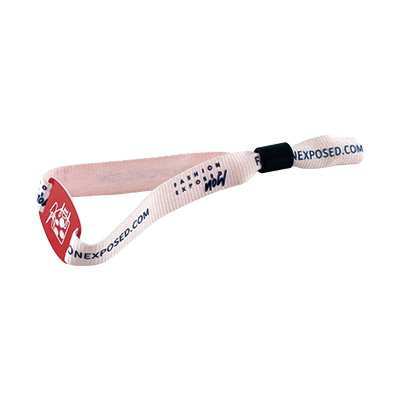
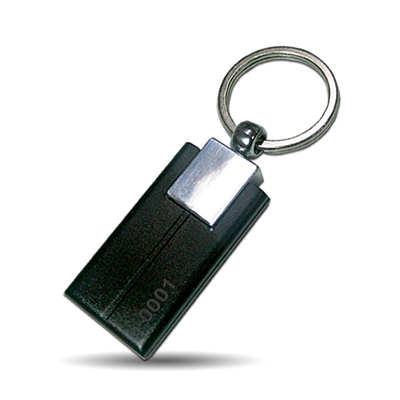
- Tag attachment: The tag is affixed to a collar, often housed in a durable waterproof NFC wristband loop or molded into a metal ID badge.
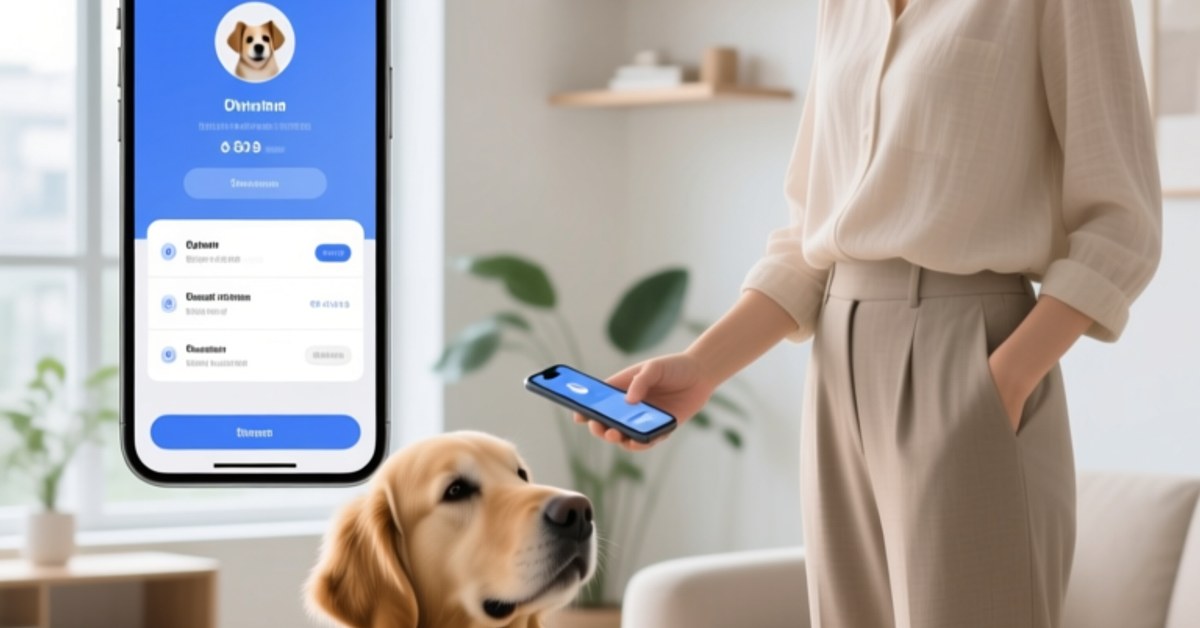
- When found: A Good Samaritan notices the tag with a recognizable NFC icon and taps it with their phone. No app is required; modern iOS and Android devices open a URL or contact card automatically.
- Real-time alert: The tap triggers an immediate SMS or email to the owner, often including the GPS location of the phone that scanned the tag (with consent). A direct call button can be displayed on the finder’s screen.
- Reunion: Owner and finder connect instantly, often within the same neighborhood, drastically reducing the time the pet is in distress.
For veterinary clinics, this same tag can serve as a portable health record, displaying vaccination status and critical alerts without requiring a full clinic system login.
Integrating Pet Healthcare Data into Wearables
Beyond recovery, NFC pet wearables unlock a new frontier in animal healthcare management. A NTAG series NFC tag can securely store a pet’s condensed health profile, including:
- Core vaccination records (rabies, DHPP, FVRCP)
- Microchip number (if already implanted) and primary vet contact
- Known allergies and chronic conditions (diabetes, epilepsy)
- Ongoing medication schedules
- Emergency instructions (e.g., “Do not feed on empty stomach”)
Data can be protected with password authentication or encryption, ensuring only authorized individuals—such as veterinary staff—access full medical details, while a public profile shows only essential identification. As the EU’s General Data Protection Regulation (GDPR) and similar privacy frameworks evolve, NFC’s ability to keep data locally on the tag rather than in a centralized cloud becomes a significant compliance advantage.
Product Design Considerations for NFC Pet Wearables
Brands developing smart pet collars or tags must address real-world usage conditions. Below are the key technical and design factors for a successful NFC pet wearable.
Durability and Environmental Resistance
Pets are active, often wet, and occasionally muddy. The NFC antenna and chip must be housed in a waterproof, shock-resistant casing. Using a RFID laundry tag type construction—though typically for textiles—can inspire encapsulation techniques. Silicone-molded NFC wristbands rated IP67 or higher are already proven in human event wearables and can be adapted to pet collars. A nylon collar with an embedded HF RFID tag is another viable path, especially for larger dogs.
Tag Size and Read Range
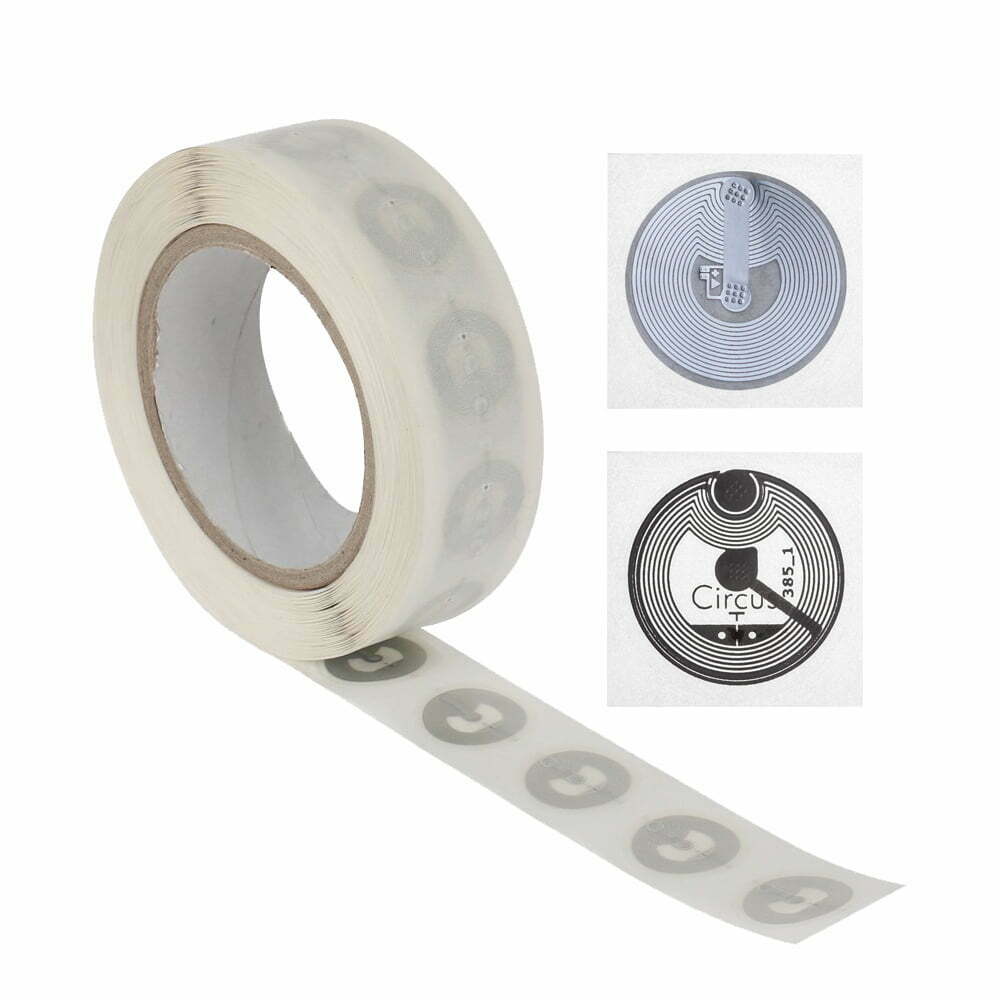
The sweet spot for pet tags is a diameter of 25-30 mm, providing a read range of 2-4 cm with standard NFC chips (NTAG213, NTAG216). Smaller pets require lighter, thinner inlays without sacrificing scan reliability. Our NFC inlays can be die-cut into custom shapes to fit any collar design.
Smartphone Compatibility and User Interaction
Because the entire value proposition hinges on universal access, the tag must comply with NFC Forum Type 2 or Type 5 standards and be optimized for all major smartphone operating systems. The tap experience should require no pre-installed app; a simple URL redirection to a mobile-optimized page works best. You may also refer to our guide on NFC-enabled smartphones for a current list of compatible devices.
Security and Anti-Tampering
Cloned tags could lead to fraud or pet theft. Using tags with originality signatures (e.g., NXP NTAG 424 DNA) ensures that each scan verifies the tag’s authenticity. Password protection for writable sectors prevents unauthorized alteration of medical data.
Market Adoption and Future Trends
In the EU, the rise of smart pet regulation and the mandatory identification of dogs in most member states create a natural demand for enhanced digital IDs. Meanwhile, US pet owners—already spending over $130 billion annually on their pets—are gravitating toward tech-enabled accessories that promise both safety and convenience. NFC pet wearables sit at the intersection of these trends. As adoption grows, we expect to see deeper integrations with telemedicine platforms, automatic feeder systems triggered by tag presence, and even integration with public lost-and-found networks.
NFCWORK Technology has long been at the forefront of smart wearable identification, providing the core components that power innovative pet products. With fully customizable NFC tags, durable wristband housings, and encoding services, we help pet brands bring reliable, intuitive digital identity solutions to market quickly.
FAQ
How does an NFC pet tag work without a battery?
NFC is a passive technology. The tag draws power from the smartphone’s electromagnetic field during the tap, so it never needs a battery and can last for years with no maintenance.
Can I update my contact information on the tag myself?
Yes. Most NFC pet tags come with a writable memory that can be updated via your smartphone using a compatible app. You can change phone numbers, addresses, or medical alerts instantly without ordering a new tag.
Is an NFC tag a replacement for a microchip?
They are complementary, not exclusive. While a microchip remains essential for permanent, implantable identification, NFC tags provide immediate, accessible information that any person can read on the spot. For best protection, we recommend using both.
Are NFC pet tags waterproof?
Quality NFC tags are encased in waterproof materials such as epoxy resin or silicone. At NFCWORK, our NFC silicone wristbands and encapsulated inlays are designed to withstand swimming, bathing, and rough outdoor play.
What do I need to scan an NFC pet tag?
You only need a smartphone with NFC capability, which is standard on most iPhones (7 and later with iOS 14+) and nearly all Android devices. There is no app download required for basic reading—just tap the back of the phone to the tag.
Ready to Bring NFC Smart Pet Wearables to Market?
Whether you’re launching a new line of smart collars, integrating digital ID into existing pet accessories, or exploring pet healthcare data solutions, NFCWORK Technology provides the building blocks you need. Explore our range of NFC products, customizable NFC wristbands, and specialty RFID tags to find the perfect fit for your design.
Contact our team at NFCWORK Contact to discuss custom encoding, prototyping, and scalable production. Together, we can give every pet a voice and every owner peace of mind.