The Global Counterfeit Crisis in Fine Wine and Spirits
The fine wine and rare spirits market has long been plagued by sophisticated counterfeiting. From refilled empty bottles of top Bordeaux vintages to completely fabricated single malt whiskies, the economic damage is staggering. A single high-end counterfeit lot can erode decades of trust built by a prestigious château or distillery. Traditional anti‑counterfeit measures—holograms, paper certificates, or embossed capsules—are easily replicated and offer no real‑time verification. In response, forward‑thinking producers are turning to NFC (Near Field Communication) authentication as a robust, consumer‑friendly digital shield.
Why NFC Outperforms Conventional Anti‑Counterfeit Methods
Unlike visual security features, NFC tags carry encrypted, non‑cloneable data that a smartphone can read instantly. Each tag’s unique ID (UID) is permanently locked during manufacturing and can be combined with a digital signature or blockchain anchor. When integrated into NFC bottle seals or NFC wine authentication labels, the intact tag confirms the bottle hasn’t been tampered with. Even if a counterfeiter manages to open and refill the bottle, the physical breaking of the seal destroys the NFC antenna, making the tag unreadable. For brands, this means every genuine bottle tells its own story—from grape or grain to glass.
Bottle and Seal Integration: Hardware That Protects
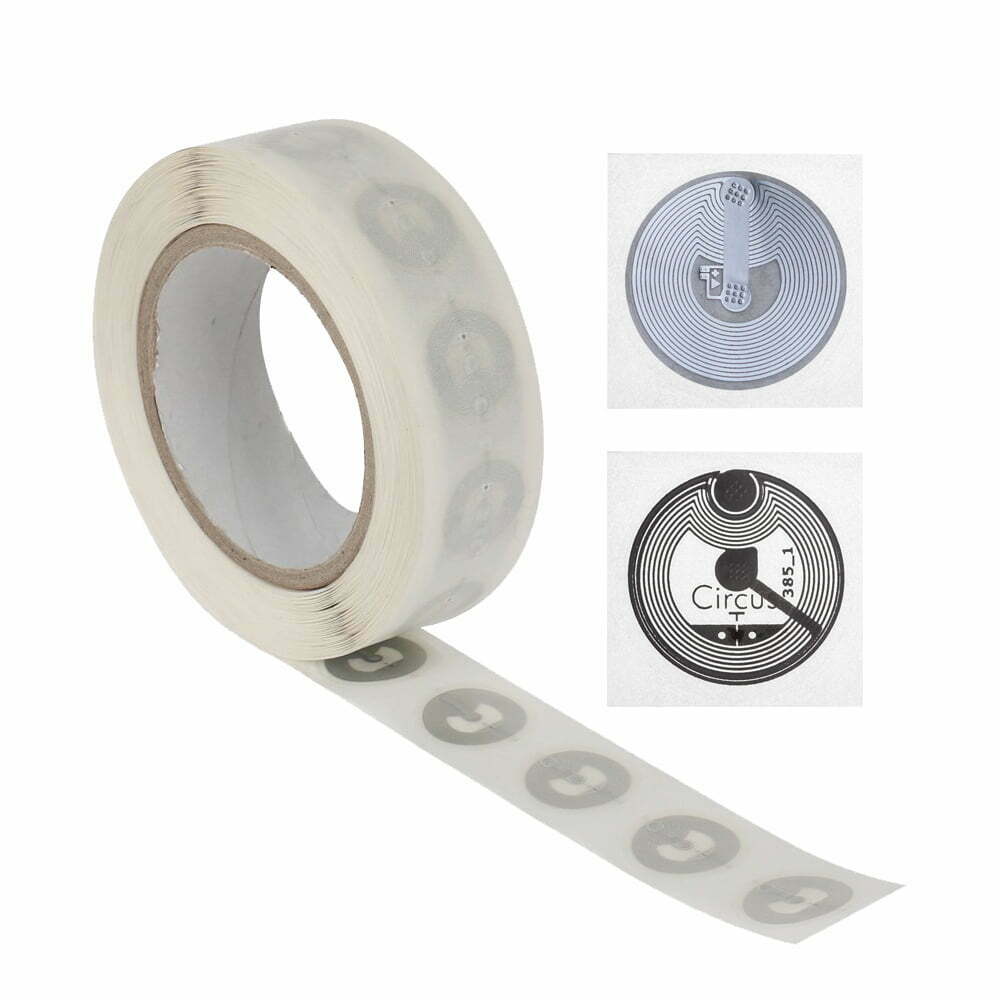
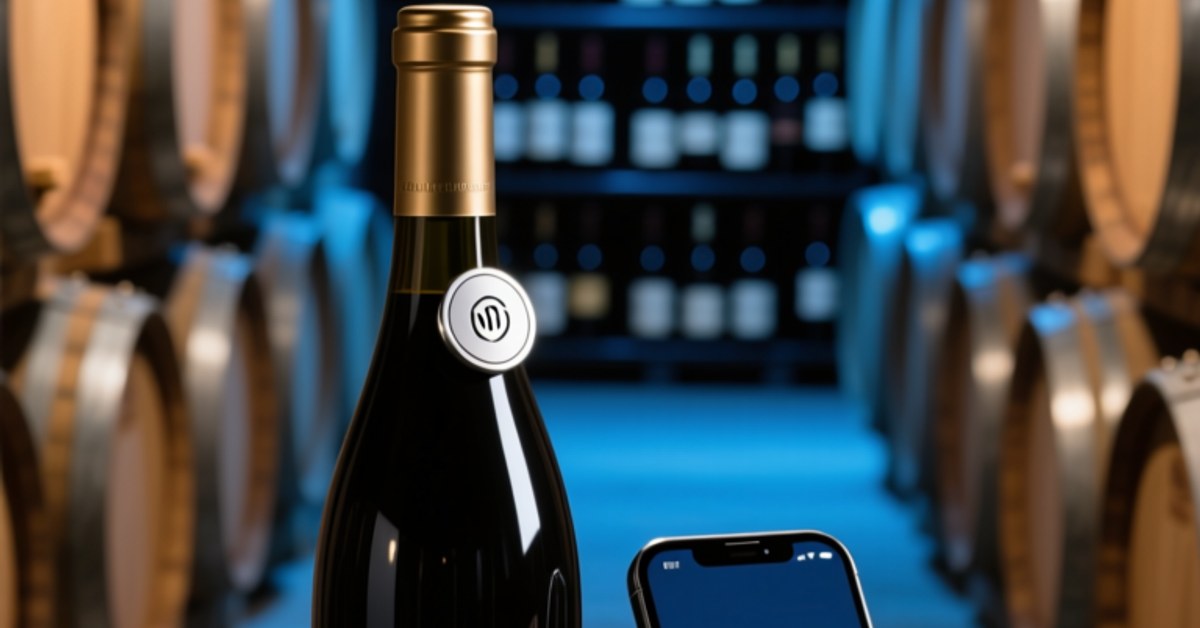
Effective spirits anti‑counterfeit protection starts with seamless physical integration. RFIDHY’s range of NFC tags and NFC stickers can be engineered into capsule closures, cork branding plaques, or flexible under‑capsule labels. For ultra‑premium releases, NFC inlays embedded directly into the glass or ceramic bottle are increasingly popular. The key is making the tag invisible or aesthetically integrated so it doesn’t detract from the luxury packaging, yet remains scannable. Once a bottle is sealed at the production line, the NFC tag can be commissioned with a unique identifier and a secure hash that links the physical bottle to its digital twin in the cloud.
>
| Integration Point | Recommended Tag Type | Consumer Experience |
|---|---|---|
| Capsule / Oversleeve | Tamper‑loop NFC tag or NFC sticker | Tap the capsule top to verify |
| Cork branding plate | Coin‑shaped NFC inlay | Tap the cork (after uncorking) for heritage data |
| Back label or neck collar | Printable NFC label | Anywhere on the bottle, instant verification |
| Under‑glass integration | On‑metal NFC inlay | Tap designated area marked on bottle |
Capturing Cellar and Vintage Data for Full Traceability
Beyond authentication, NFC technology enables wine traceability that turns a static bottle into an interactive archive. At each stage—grape harvest, fermentation, barrel aging, blending, bottling—data can be committed to the product’s digital passport. When a consumer or trade buyer taps the NFC tag, they can access a rich narrative: geographic provenance, harvest conditions, winemaker’s notes, barrel types, bottling date, and even storage recommendations. This not only builds trust but also elevates brand storytelling. For spirits, data might include cask numbers, distillation dates, and maturation history.
Using RFIDHY’s cloud platform for NFC product authentication, brands can manage this lifecycle data without heavy IT investment. The solution supports both pre‑recorded static content and dynamically updated fields—such as ownership transfer or auction history—making it ideal for long‑term premium liquor verification.
The Consumer Verification Journey: One Tap, Complete Confidence
A well‑designed consumer journey is as important as the technology itself. Here’s how it typically works for an authenticated bottle:
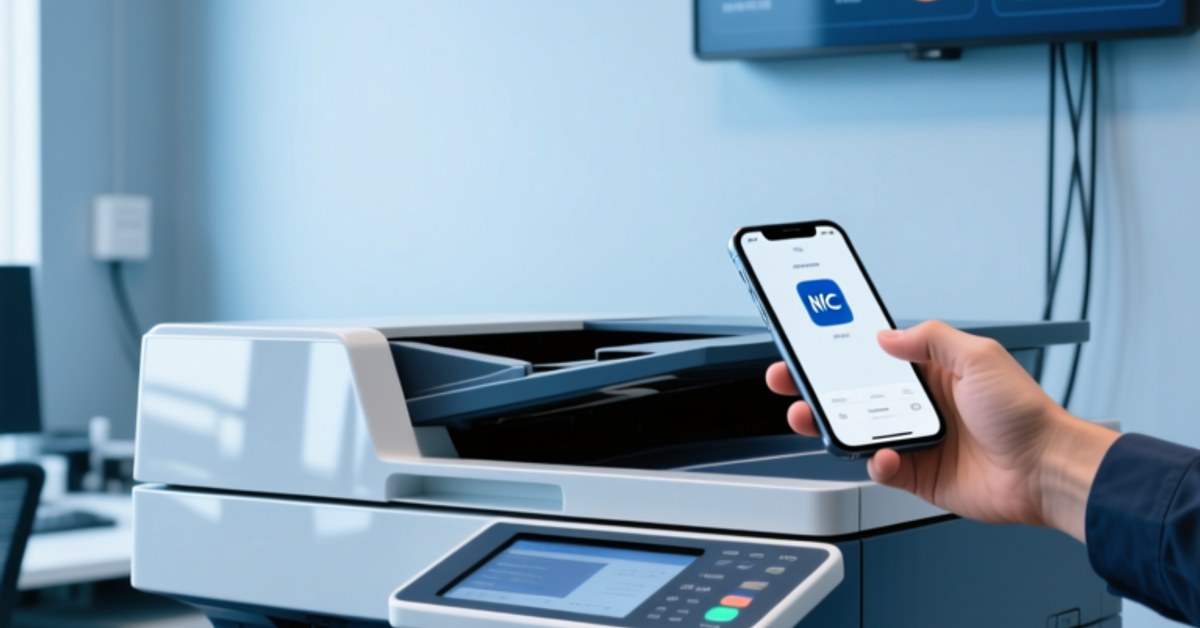
- Tap: A buyer taps the bottle’s NFC tag with an NFC‑enabled smartphone (most modern phones are compatible; see NFC enabled smartphone).
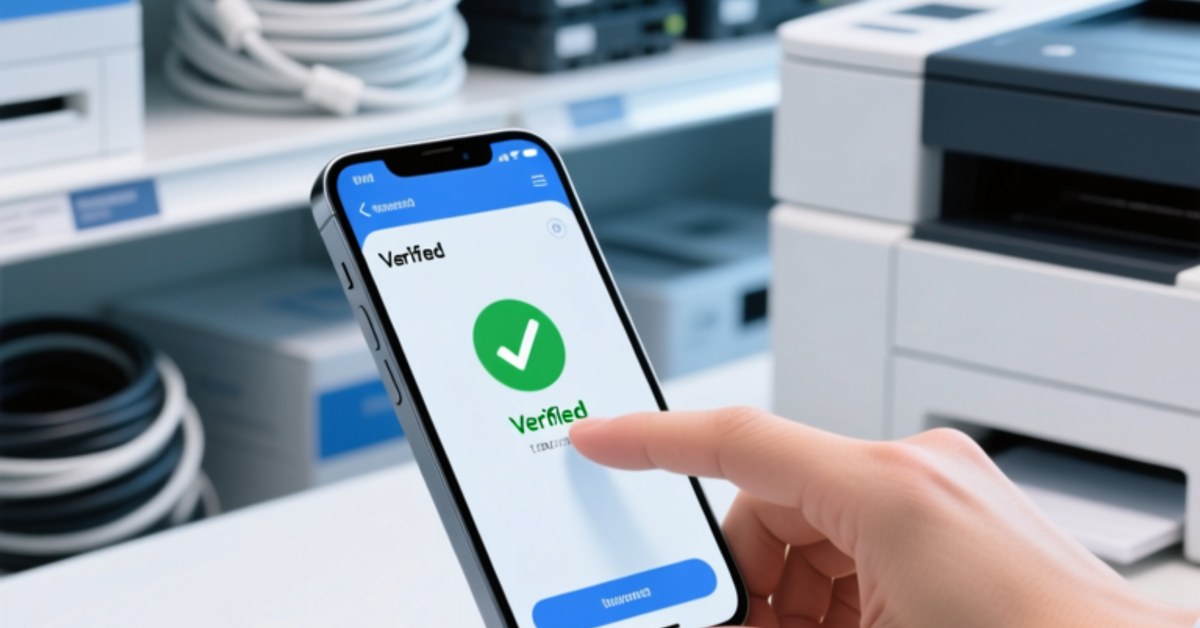
- Verify: The phone opens a secure web app or progressive web app (no download required) that checks the tag’s authenticity and reads the bottle’s unique information.
- Explore: The user sees provenance, production details, and brand story. A tamper indicator can confirm the seal is unbroken.
- Engage: The experience can link to cocktail recipes, food pairing suggestions, or exclusive brand content. Some brands even offer loyalty rewards for scanning.
This frictionless process instantly reassures the buyer and deepens their connection with the brand. For importers and e‑commerce platforms, it reduces returns and disputes over authenticity.
Secondary Market Protection: Securing Collectible Bottles
The secondary market for rare wines and spirits—auctions, private sales, and online marketplaces—is particularly vulnerable to fraud. An NFC‑authenticated bottle provides a permanent, transferable proof of authenticity. When a bottle changes hands, the seller can transfer the digital ownership record, updating the tag’s history with the transaction. Future owners can see the complete chain of custody, exactly like a digital provenance ledger. This dramatically increases buyer confidence and the resale value of authenticated bottles. Auction houses can scan entire lots with UHF RFID readers or handheld RFID readers for bulk verification during intake, combining NFC individual authenticity with RFID inventory management for efficiency.
For brands looking to implement such a system, RFIDHY offers end‑to‑end solutions that link physical NFC tags to a cloud‑based traceability platform. To learn how other luxury sectors are using similar technology, read our article on NFC‑Based Anti‑Counterfeiting.
Choosing the Right NFC Components for Your Bottle
Not all NFC tags are created equal. The substrate, adhesive, and form factor must survive cold storage, humidity, and handling throughout the supply chain. Common specifications include:
- NTAG® series chips with tamper‑detection loops for clear evidence of opening.
- On‑metal compatible NFC inlays for tags placed directly on aluminum capsules or foil.
- High‑temperature resistance for hot fill or pasteurization processes.
- Food‑safe adhesives compliant with FDA or EU regulations.
RFIDHY provides a broad portfolio of NFC stickers, NFC inlays, and customized NFC tags tailored to specific bottle geometries and production environments. From small‑batch distillers to large‑scale châteaux, the technology scales.
Integrating with Existing Systems: A Roadmap
Deploying NFC wine authentication doesn’t require a complete overhaul. A typical phased approach includes:
- Pilot program: Start with a limited release or reserve tier using pre‑encoded NFC tags and a basic digital experience.
- Integration: Connect the NFC cloud service to your ERP or product serialization database to automate tag commissioning.
- Consumer launch: Activate the verification landing page and promote the tap‑to‑verify feature through marketing channels.
- Advanced analytics: Use scan data to understand geographic demand, detect gray market diversion, and measure consumer engagement.
For importers and e‑commerce platforms, NFC product authentication can be integrated into warehousing and order fulfillment, ensuring every shipped bottle is verified before it leaves the facility. Paired with RFID warehouse management tools like handheld RFID readers or fixed RFID readers, inventory accuracy and counterfeit detection reach new levels.
FAQ
How does NFC prevent refilling fraud?
NFC tags can be designed with a tamper loop that physically breaks when the seal or capsule is opened. A broken loop renders the tag unreadable, so any subsequent scan will fail, alerting the user to potential tampering.
Can consumers use any smartphone to verify a bottle?
Most modern Android and iOS devices support NFC reading. For older phones, a QR code can serve as a supplementary link. We recommend checking our NFC enabled smartphone page for compatibility details.
Is the NFC experience limited to a simple URL?
No. The tag can launch a richly designed progressive web app that includes video, interactive vintage charts, ownership tracking, and direct brand communication. The experience is entirely under brand control.
How does bottle authentication help with secondary sales?
Because each tag has a unique identity and a history log, buyers on secondary markets can verify the bottle’s full provenance and ownership chain. This increases trust and can boost resale value.
What kind of NFC tag works best for champagne or sparkling wine?
We recommend a flexible NFC sticker or label that can accommodate the unique shape and pressure of a sparkling wine closure. On‑metal versions may be necessary for foil capsules.
Ready to Protect Your Brand and Delight Consumers?
NFCWORK Technology and RFIDHY empower wineries, distilleries, and importers with end‑to‑end NFC wine authentication and traceability solutions. From custom NFC tags to cloud management platforms, we help you defeat counterfeiters and build deeper customer relationships.
Contact Our Team to discuss a tailored solution for your premium bottles, or explore our Luxury Items Authentication page for more insights.