The Global Threat of Counterfeit Pharmaceuticals
According to the World Health Organization (WHO), approximately 1 in 10 medical products in low- and middle-income countries is substandard or falsified. The global counterfeit drug market exceeds $200 billion annually, contributing to over 100,000 preventable deaths each year — particularly from fake antimalarials and antibiotics. Unlike other industries, pharmaceuticals face unique vulnerabilities: complex multi-tiered supply chains, temperature-sensitive logistics (e.g., vaccines requiring strict cold chain adherence), and high-value biologics that attract sophisticated counterfeiters.
Why NFC Is the Trusted Technology for Pharma Integrity
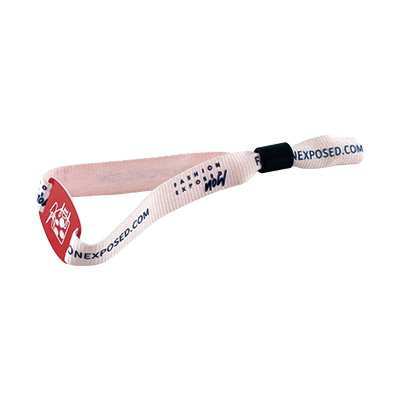
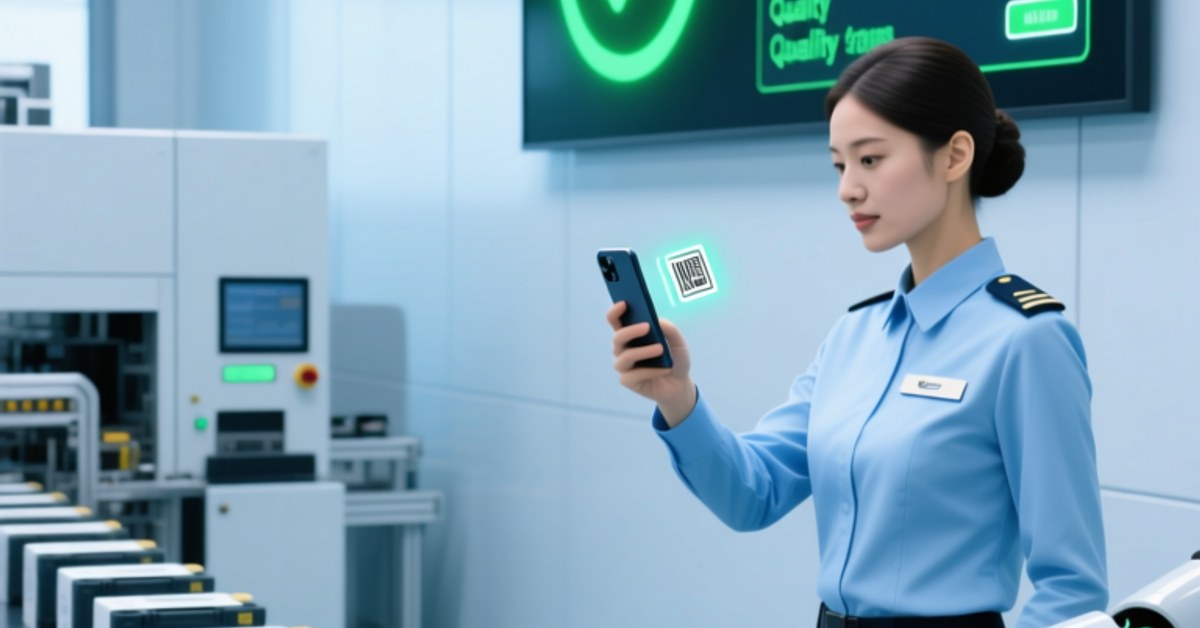
NFC provides a secure, smartphone-accessible layer of trust without requiring specialized hardware at the point of verification. At its core, NFC pharmaceutical solutions leverage tamper-evident NFC tags applied directly to primary packaging — including bottle seals, blister packs, vial caps, and carton security seals. These are not generic labels; they are purpose-built for pharma-grade assurance.
Secure Authentication with Encrypted NFC Tags
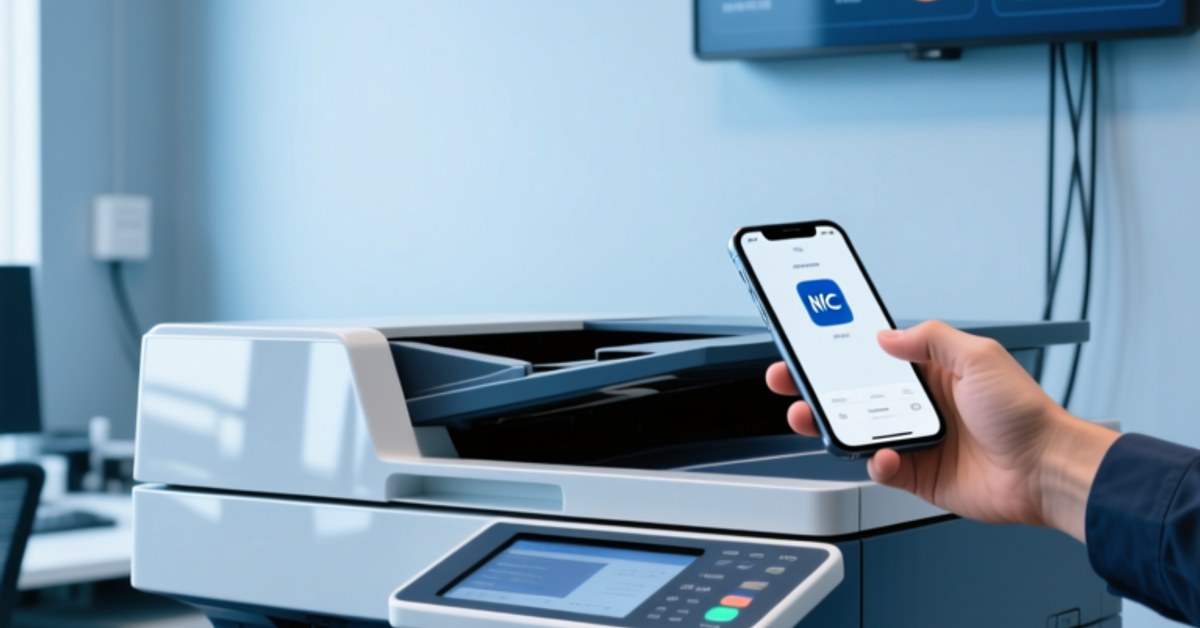
For high-stakes authentication, NTAG 424 DNA chips offer AES-128 encryption and built-in NFC counter functionality to detect cloning attempts. When a pharmacist or patient taps the package with any NFC-enabled smartphone, the device verifies cryptographic signatures in real time — instantly confirming authenticity and revealing batch number, expiry date, and manufacturing origin.
Cold Chain Monitoring with Integrated Sensors
Temperature excursions during transport can render life-saving vaccines ineffective. The NTAG 5 series integrates an embedded temperature sensor capable of logging thermal history. Each tap reveals whether a vial exceeded its safe storage range — critical for regulatory audits and clinical trial integrity.
Real-World Implementation Across the Pharma Ecosystem
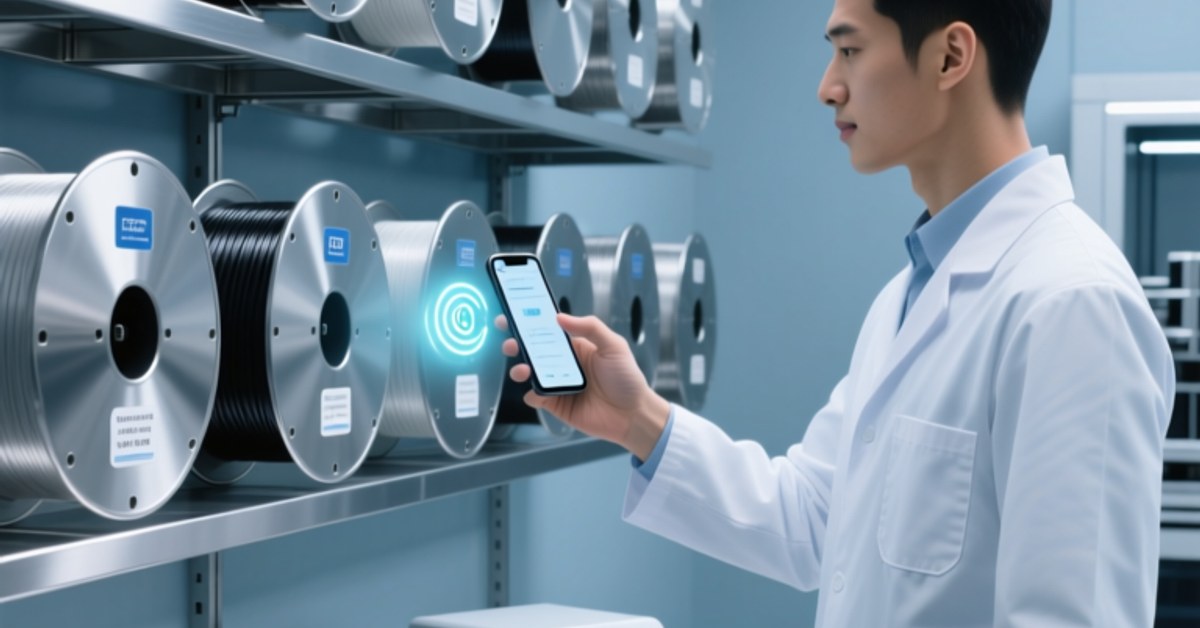
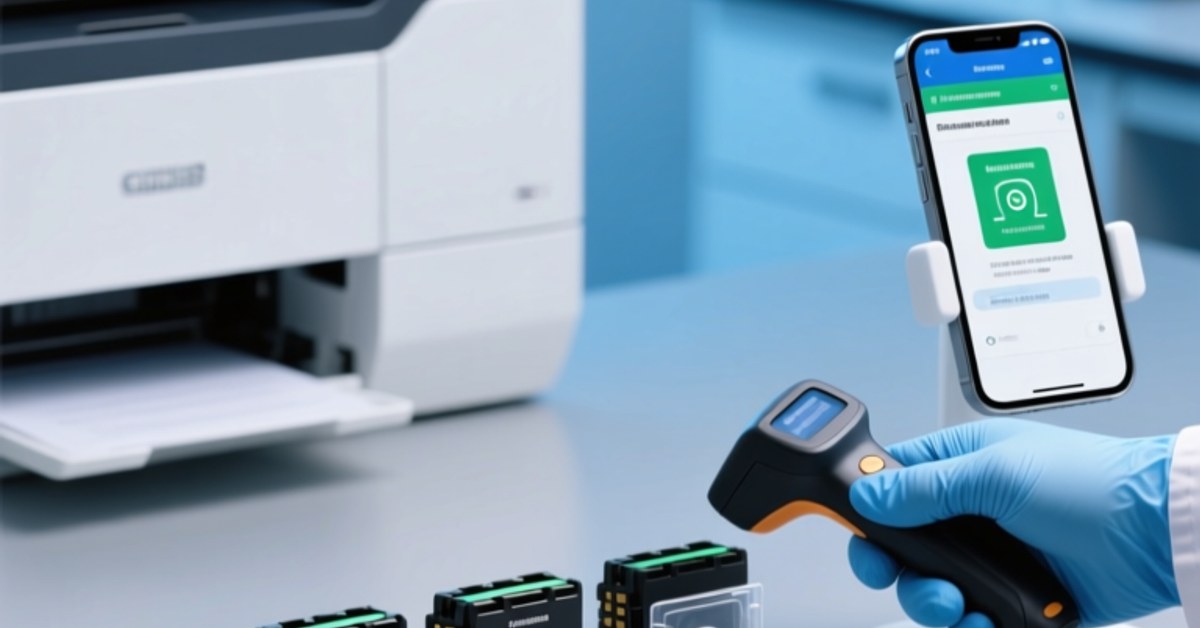
Global innovators like Pfizer, Bayer, and Novartis are piloting NFC-based tracking for clinical trial medications — ensuring accountability from manufacturing to bedside. In hospitals, NFC-enabled smart cabinets automate inventory reconciliation, reducing manual errors and enabling just-in-time restocking. Retail pharmacies use NFC tags to verify incoming shipments against serialized DSCSA-compliant data, preventing counterfeit stock from entering dispensing workflows.
Regulatory Alignment and Enterprise Readiness
NFC supports key regulatory mandates without infrastructure overhaul:
- EU Falsified Medicines Directive (FMD): Enables 2D barcode + NFC dual verification for prescription medicines
- US Drug Supply Chain Security Act (DSCSA): Provides serialization, aggregation, and verification layers compatible with existing GS1 standards
- WHO Global Surveillance Framework: Delivers interoperable, low-cost traceability for LMIC health systems
Benefits Beyond Compliance
>
| Benefit | Impact |
|---|---|
| End-to-end traceability | From manufacturer to patient — visible across ERP, WMS, and pharmacy management systems |
| Instant authentication | No dedicated scanners required — leverages ubiquitous NFC smartphones |
| Anti-diversion protection | Geo-locked cryptographic keys prevent resale into unauthorized markets |
| Brand trust & patient engagement | Tap-to-verify builds confidence; access dosage instructions, multilingual leaflets, and recall alerts |
RFIDHY and NFCWORK: Enabling Secure Pharma Solutions
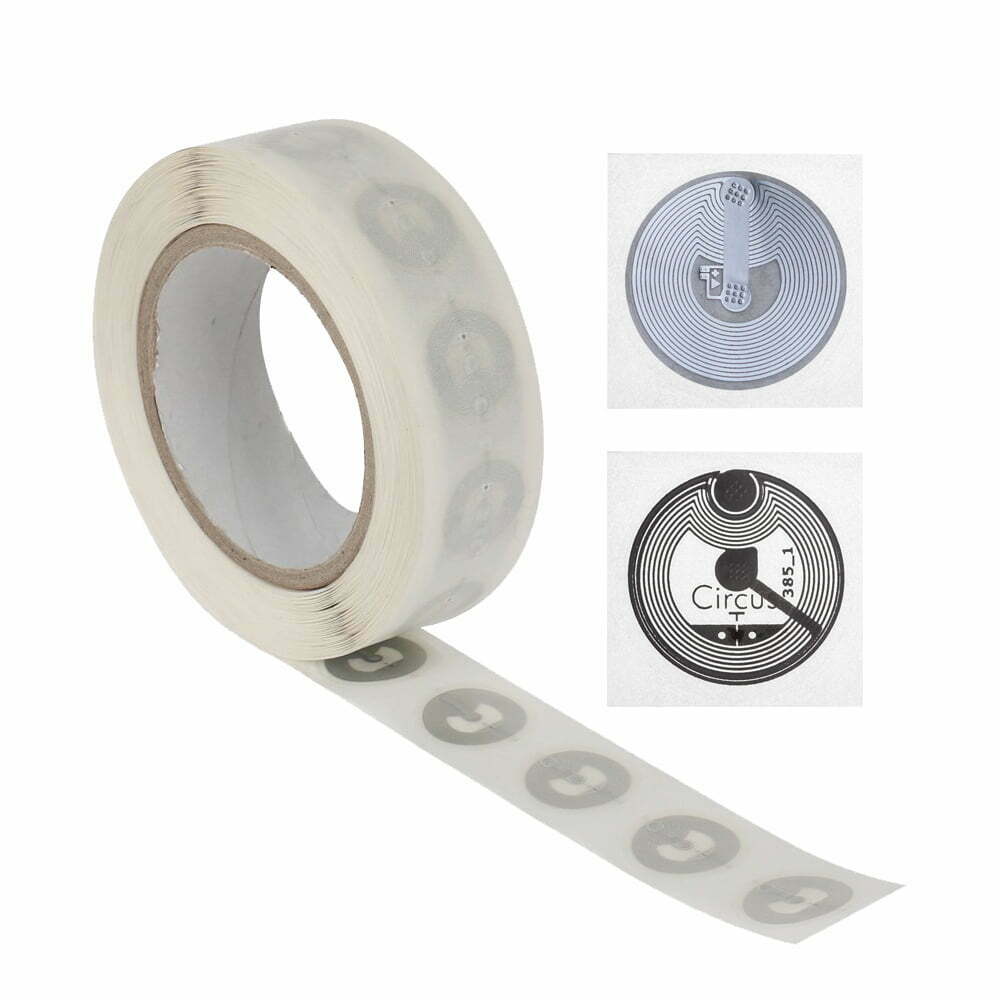
As part of the NFCWORK ecosystem, our certified NFC tags, NFC inlays, and NFC stickers are engineered for pharmaceutical environments — resistant to moisture, sterilization cycles, and label adhesion challenges. All products meet ISO/IEC 14443-A standards and support seamless integration with enterprise serialization platforms and cloud-based traceability dashboards.
FAQ
- Do NFC pharmaceutical tags require special readers?
No — they work with any NFC-enabled smartphone (iOS 13+/Android). No proprietary hardware or app installation is needed for basic verification. - Can NFC tags be cloned or tampered with?
High-security chips like NTAG 424 DNA include cryptographic authentication and clone-detection counters — making replication practically impossible without breaking physical seals. - How do NFC tags integrate with existing serialization systems?
They support GS1 Digital Link URIs and can be mapped to EPCIS event records, enabling plug-and-play compatibility with DSCSA and FMD-compliant software. - Are NFC tags suitable for cold-chain monitoring?
Yes — NTAG 5 series NFC inlays feature integrated temperature sensors and non-volatile memory for full thermal history logging. - Where can I source compliant NFC pharmaceutical tags?
Explore our certified NFC tags and RFIDHY industrial NFC inlays, designed for pharma-grade durability and regulatory readiness.
Ready to Strengthen Your Pharmaceutical Supply Chain?
Download our NFC for Pharma Compliance Playbook — including implementation checklists, regulatory mapping, and integration guidance for DSCSA, FMD, and WHO frameworks.