The Scale of the Global Counterfeit Luxury Goods Crisis
According to the OECD and EU Intellectual Property Office, counterfeit and pirated goods represent 3.3% of global trade—a staggering $509 billion annually. Luxury items constitute the largest single segment within this illicit economy, with handbags, watches, apparel, and accessories disproportionately targeted. In Europe alone, customs authorities seized over 31 million counterfeit luxury items in 2023—a 17% year-on-year increase.
Why Traditional Anti-Counterfeiting Methods Fall Short
Holograms, QR codes, and serial numbers have long been industry standards—but they are increasingly ineffective:
- Holograms can be reverse-engineered and mass-replicated using off-the-shelf printing tools.
- QR codes lack cryptographic integrity; they’re static URLs easily cloned onto fake packaging.
- Serial numbers offer no proof of origin—no verification mechanism, no encryption, no tamper detection.
These approaches provide appearance of security—not actual, auditable assurance.
How NFC Authentication Delivers Real Protection
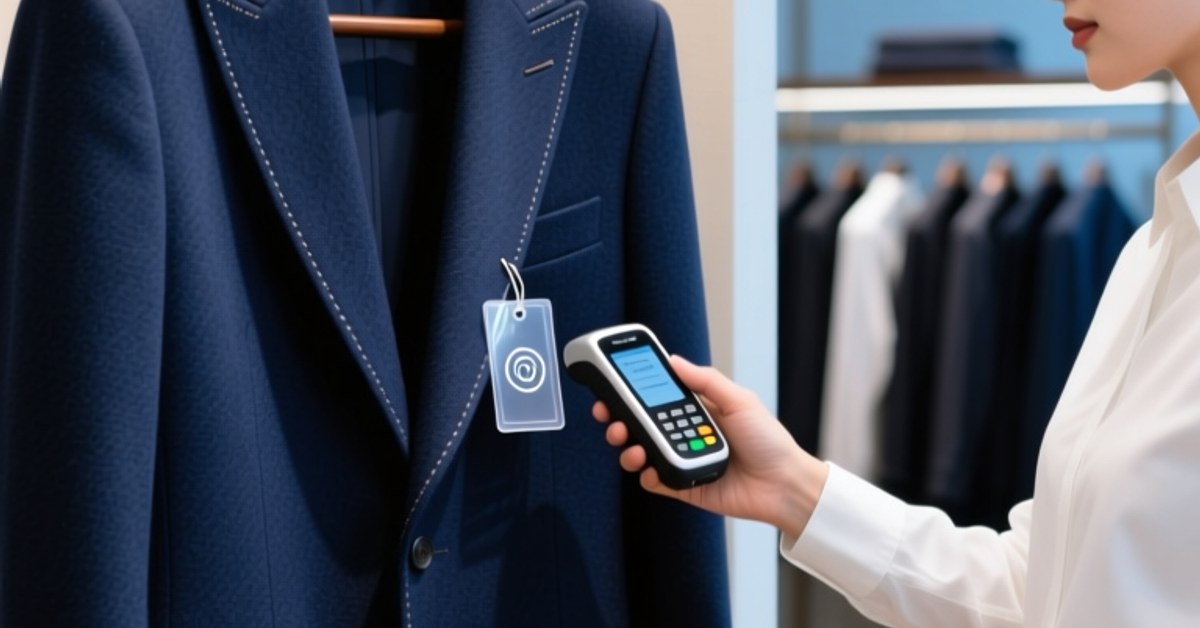
NFC-based anti-counterfeiting leverages hardware-rooted security embedded directly into the product or its packaging. Unlike optical methods, NFC requires physical proximity (<3 cm) and authenticates via cryptographic challenge-response protocols. Key technical advantages include:
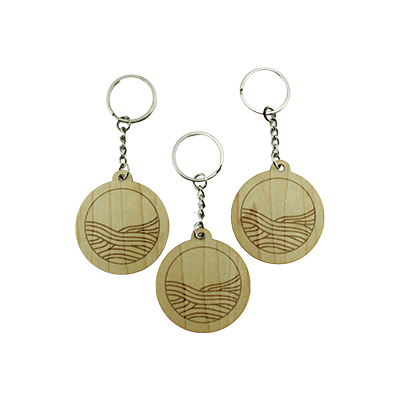
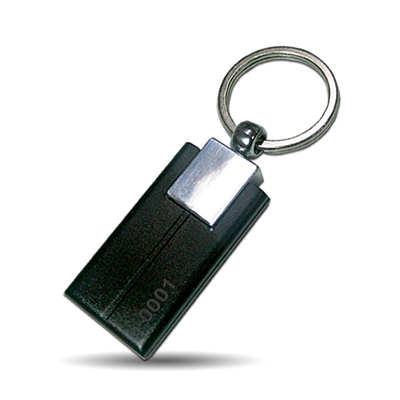
- Unique encrypted chip IDs: Each NFC tag (e.g., NFC tags from RFIDHY) features a factory-programmed UID impossible to duplicate.
- NTAG 424 DNA compatibility: Enables secure counters, AES-128 encryption, and dynamic signature generation—preventing replay and cloning attacks.
- Tamper-evident NFC labels: Designed to break upon removal—visually and functionally invalidating authentication attempts on repackaged goods.
Consumer-Facing Verification: Tap-and-Verify at Scale
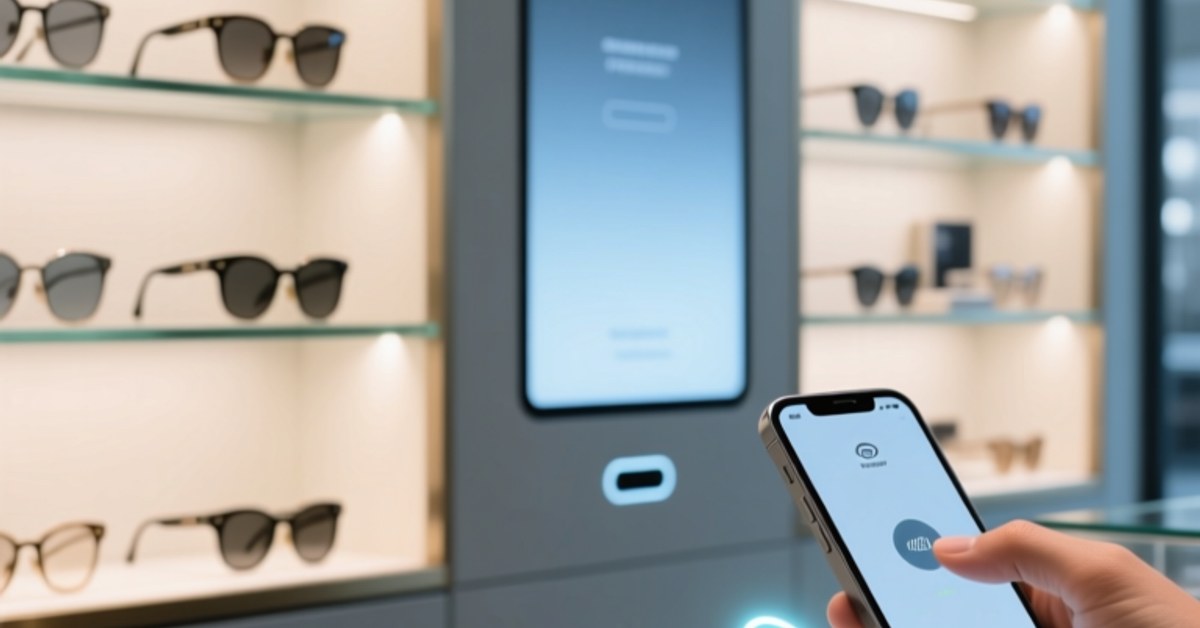
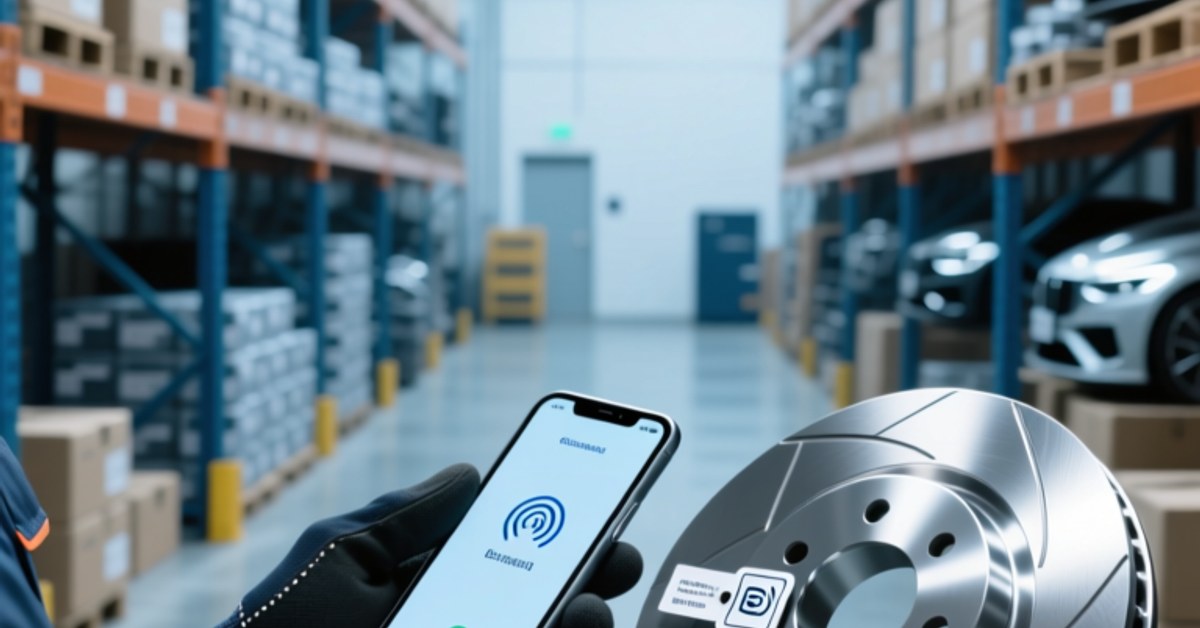
With over 2.2 billion NFC-enabled smartphones in active use globally, consumers need no app download or registration. A simple tap launches a branded verification interface—displaying authenticity status, production batch, country of origin, and care instructions. This seamless UX builds trust while collecting first-party engagement data.
Enterprise Adoption: From Consortiums to Implementation
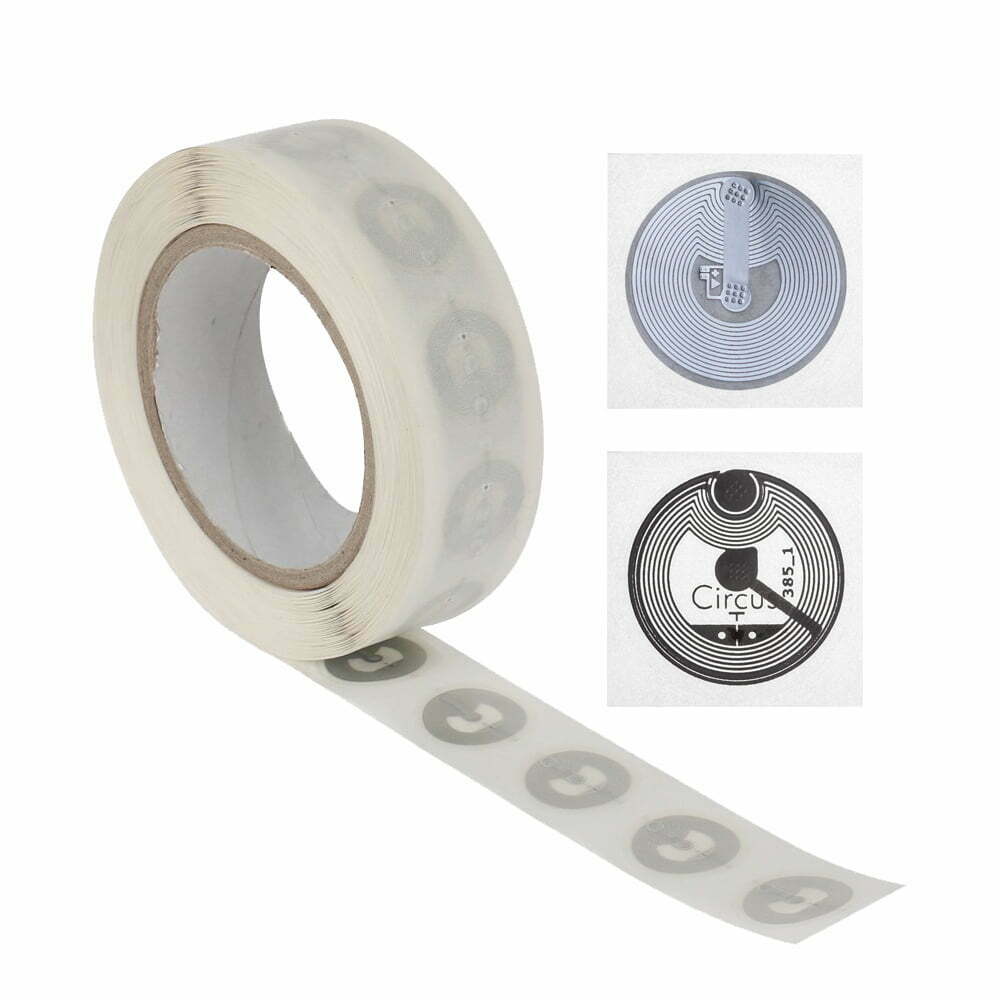
LVMH, Richemont, and Kering co-founded the Aura Blockchain Consortium, integrating NFC hardware with distributed ledger infrastructure to anchor product provenance. Their approach relies on certified NFC inlays—such as those available through NFCWORK’s portfolio of NFC inlays and NFC stickers—to ensure interoperability across supply chain tiers and resale platforms.
The Business Case for NFC Authentication
>
| Business Objective | How NFC Delivers Value |
|---|---|
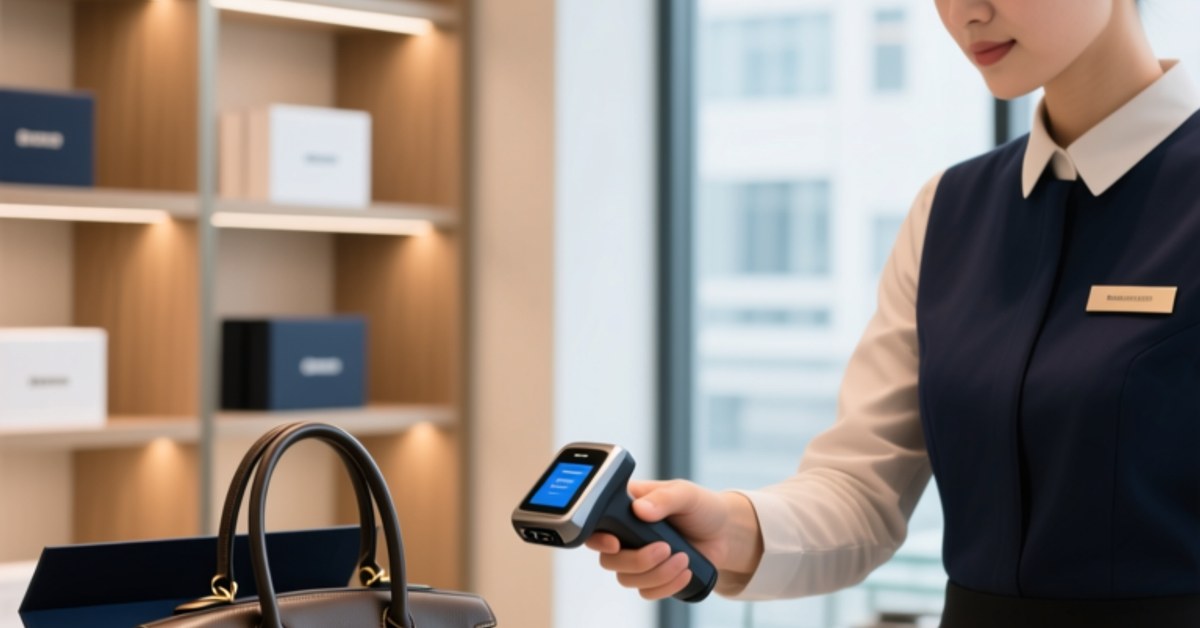
| Brand Protection | Reduces dilution risk and legal exposure; enables proactive takedown of counterfeit listings using verified tag data. |
| Resale Market Enablement | Authenticates pre-owned items instantly—critical for platforms like Vestiaire Collective and Mytheresa. |
| Consumer Trust & Loyalty | 86% of luxury shoppers say authenticity verification increases purchase confidence (McKinsey, 2023). |
| Second-Hand Verification | Enables certified refurbishment programs and warranty validation—even after primary ownership ends. |
Future Trends: NFC + DPP and Blockchain Integration
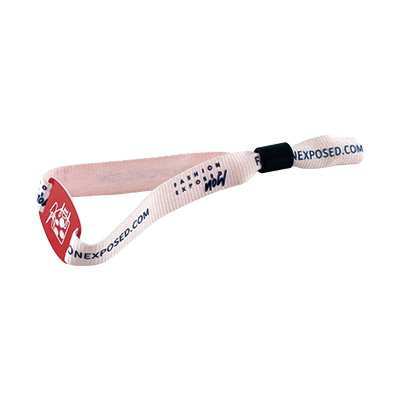
The EU Digital Product Passport (DPP) regulation—effective 2026—mandates digital identity for high-impact products, including luxury goods. NFC serves as the ideal physical carrier: low-cost, globally supported, privacy-preserving, and offline-capable. RFIDHY’s NFC tags and NFC wristbands are engineered for DPP-compliant deployments, supporting EPCIS data models and GS1 Digital Link encoding. Forward-looking implementations combine NFC with blockchain anchors—ensuring immutable verification logs without compromising user privacy.
FAQ
- How does NFC authentication differ from QR code scanning?
NFC uses encrypted, short-range radio communication with unique chip identifiers—making cloning virtually impossible. QR codes are static images that anyone can replicate. - Do I need a special app to verify NFC tags?
No. Modern iOS and Android devices support Web NFC natively—tapping opens a secure, brand-controlled web page without app installation. - Are RFIDHY’s NFC tags compliant with EU DPP requirements?
Yes. Our NFC tags support GS1 Digital Link, EPCIS-compatible payloads, and tamper-evident form factors required for DPP-compliant luxury item authentication. - Can NFC authentication work for high-volume luxury production lines?
Absolutely. RFIDHY offers industrial-grade NFC inlays and desktop NFC encoders optimized for integration with labeling machines and ERP systems.
Secure Your Luxury Supply Chain Today
RFIDHY provides enterprise-grade NFC authentication solutions—certified, scalable, and built for compliance with EU DPP, GDPR, and ISO/IEC 14443 standards.