Top NFC Innovations to Watch in 2026 and Beyond
As enterprises accelerate digital transformation, Near Field Communication (NFC) is evolving far beyond contactless payments and access control. In 2026 and beyond, NFC innovations are converging with AI, blockchain, and IoT ecosystems to deliver unprecedented levels of traceability, automation, and trust. For forward-looking organizations, understanding these developments isn’t optional—it’s strategic.
NFC in Healthcare: Precision Identification & Real-Time Asset Tracking
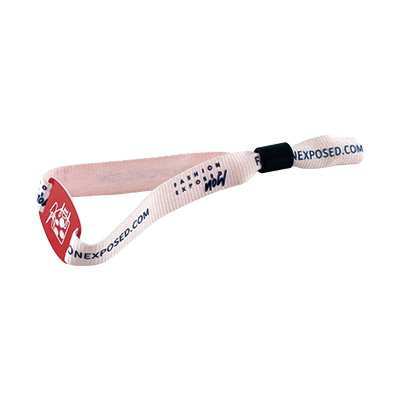
Healthcare institutions are deploying RFIDHY UHF RFID readers and HF NFC tags to automate patient wristband identification and track high-value medical equipment. Unlike legacy barcodes, NFC-enabled wristbands support encrypted data exchange and tamper detection—critical for HIPAA-compliant workflows. Integrated with hospital IoT platforms, these systems reduce equipment loss by up to 35% and cut patient check-in time by 40%.
Smart Packaging: From Shelf to Blockchain
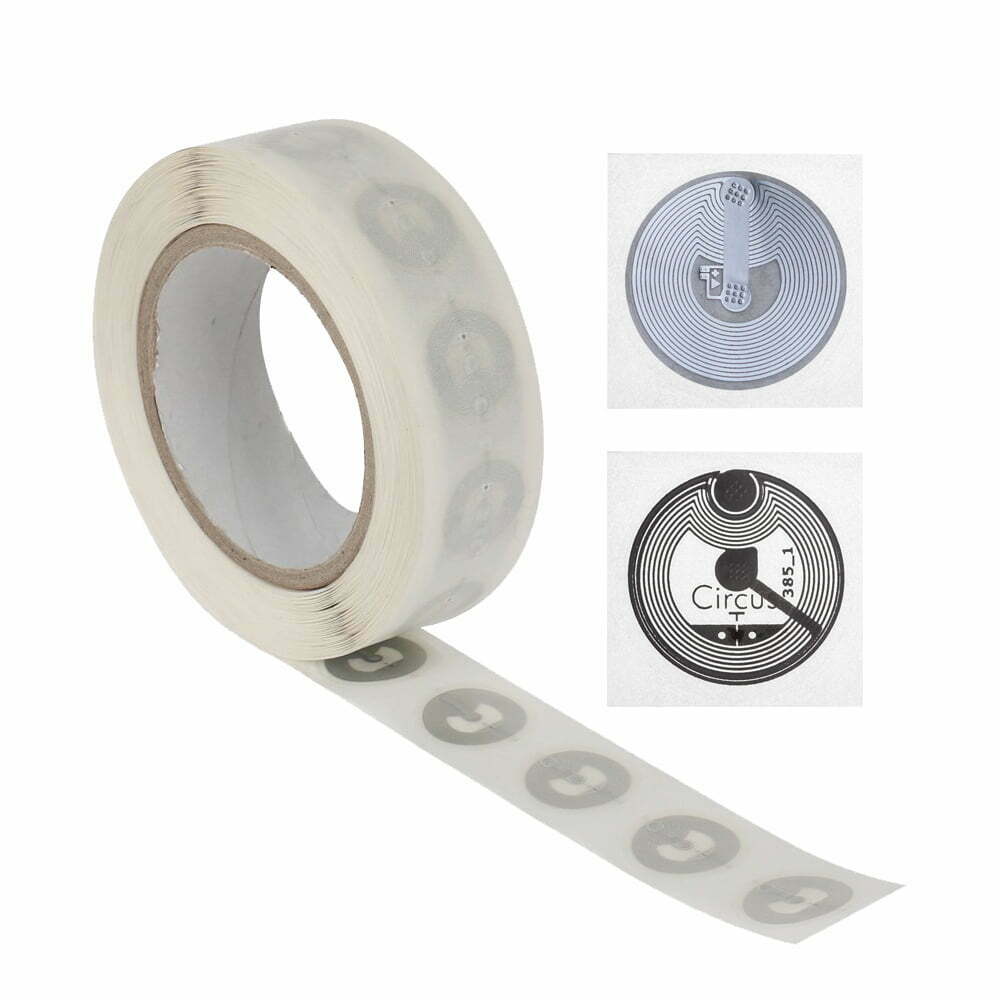
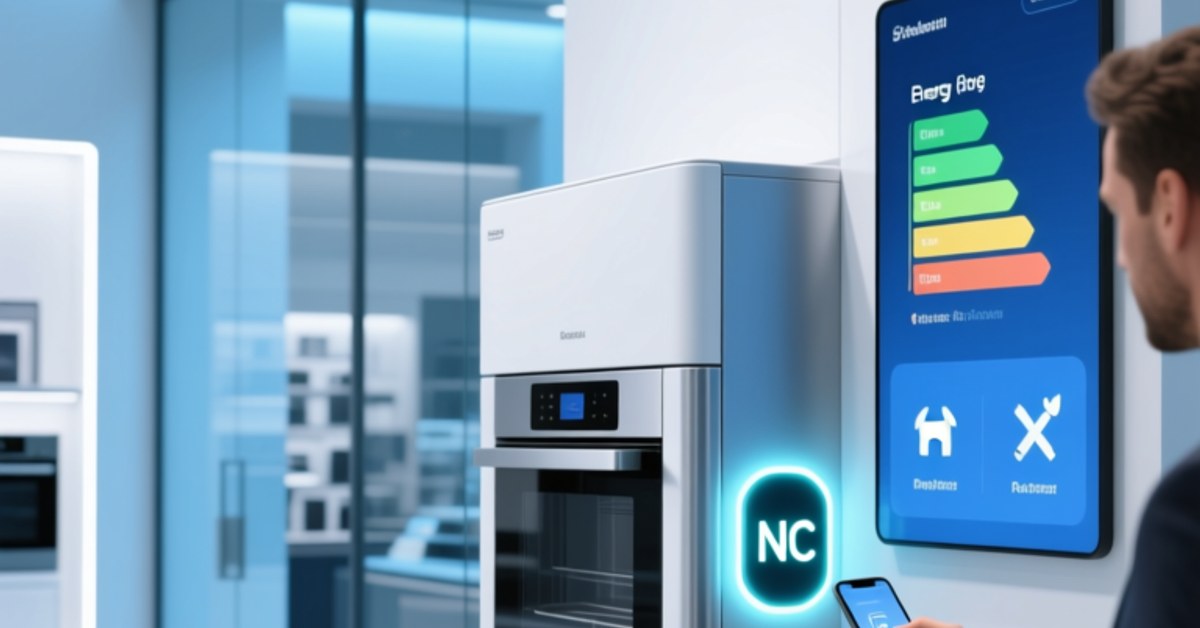
Leading consumer brands now embed NFC stickers and NFC inlays into premium packaging—enabling instant product verification, dynamic content delivery, and real-time supply chain visibility. When paired with Digital Product Passport frameworks, each tag becomes a secure, updatable ledger entry anchored on permissioned blockchain networks.
Blockchain Integration: Immutable Authentication at the Edge
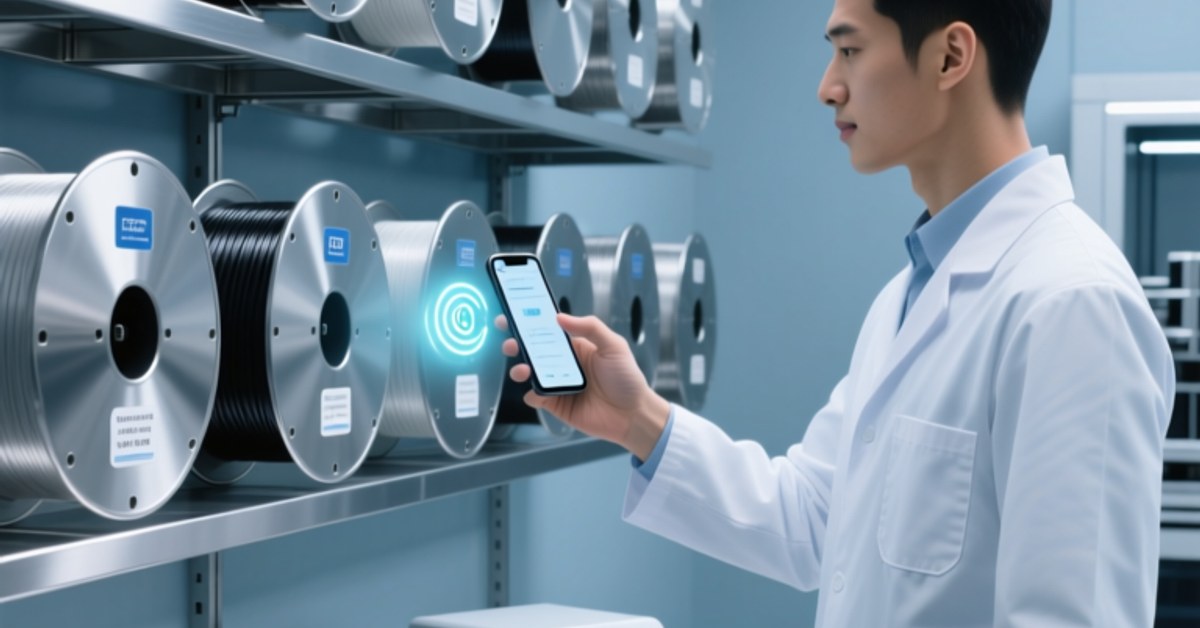
NFC tags serve as trusted physical anchors for decentralized identity and provenance. By combining anti-metal NFC tags with cryptographic signing modules from RFIDHY, enterprises issue verifiable credentials that resist cloning and offline tampering. This architecture powers luxury goods authentication, pharmaceutical serialization, and industrial component traceability—all without requiring constant cloud connectivity.
IoT Device Pairing: Zero-Touch Onboarding at Scale
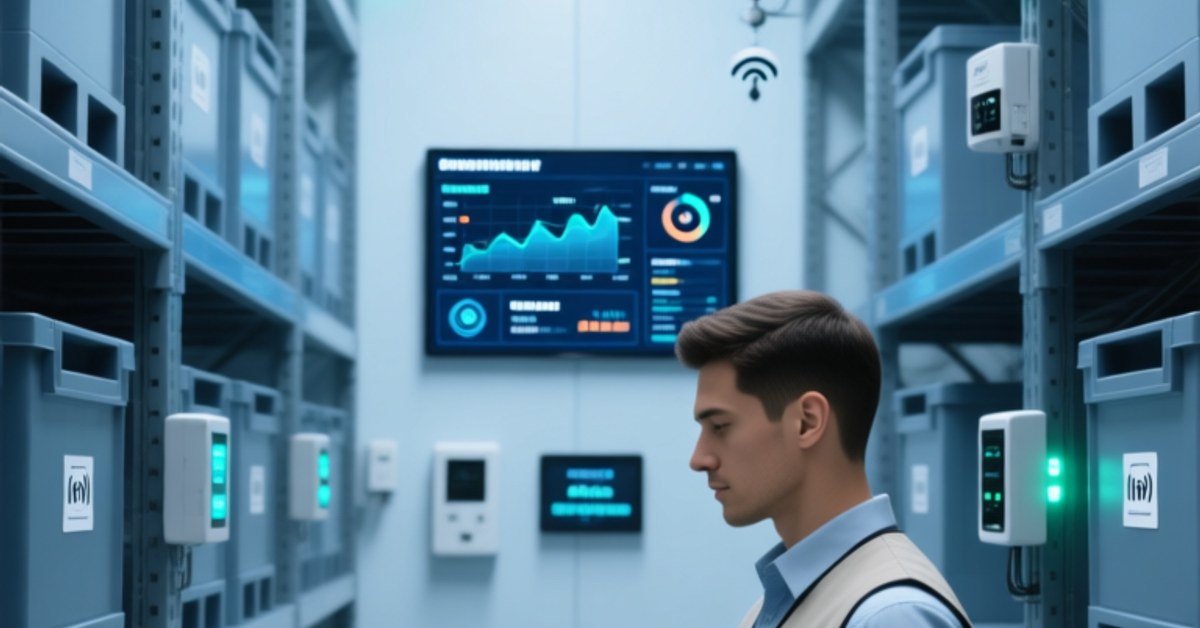
Manufacturers and facility managers are eliminating manual configuration using NFC-based provisioning. A single tap between an UHF RFID module and an IoT sensor initiates secure key exchange, network enrollment, and firmware validation. This approach reduces deployment time per node by over 90%, especially in large-scale deployments like smart warehouses or HVAC monitoring systems.
Comparative Outlook: NFC vs. Legacy Technologies
>
| Innovation Area | Legacy Approach | NFC-Enabled 2026 Standard |
|---|---|---|
| Product Authentication | QR code + static web page | Encrypted NFC tag + blockchain-verified Digital Product Passport |
| Medical Asset Tracking | Barcode scanning + manual logs | NFC wristband + handheld RFID scanner + real-time dashboard |
| IoT Provisioning | Wi-Fi SSID/password entry | NFC tap-to-pair with ECDH key negotiation |
Frequently Asked Questions
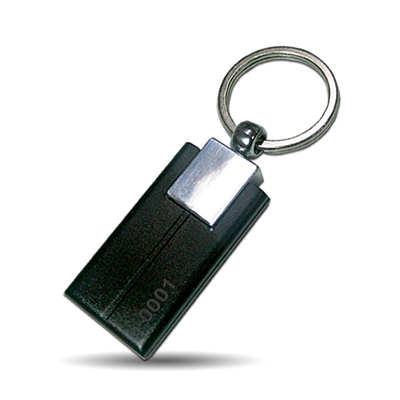
- What makes NFC more secure than QR codes in 2026? Modern NFC tags support hardware-based encryption, mutual authentication, and write-protection—features absent in static QR codes. Solutions from RFIDHY include NDEF-compliant tags with AES-128 and secure element options.
- Can existing infrastructure support these NFC innovations? Yes. RFIDHY’s desktop RFID readers and UHF RFID modules integrate seamlessly with existing ERP, MES, and cloud platforms via RESTful APIs and MQTT protocols.
- Which industries benefit most from NFC + blockchain integration? Luxury goods, pharmaceuticals, aerospace, and industrial manufacturing—where regulatory compliance, anti-counterfeiting, and full lifecycle traceability are mission-critical.
Our engineering team will evaluate your operational goals and recommend validated RFIDHY and NFCWORK solutions—including NFC inlays, handheld RFID scanners, and NFC wristbands—tailored for scalability and ROI.