The Shift to a Fully Cashless Festival Experience
Music festivals and large concerts face an operational challenge that grows with every edition: how to move tens of thousands of people through gates, concession lines, and special zones quickly and safely. Physical tickets can be forged, cash handling slows down transactions, and paper-based VIP check-ins create friction that erodes the premium experience. The solution that has proven itself globally is the cashless festival model, driven by NFC wristbands and smart event management infrastructure.
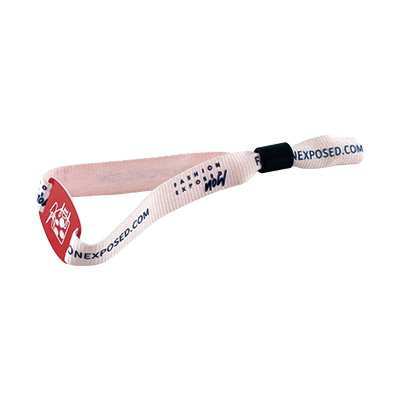
When every attendee wears an NFC concert wristband, the entire festival ecosystem becomes interconnected. An organizer can tie identity, tickets, payment method, and access privileges to a single wearable token. This article provides an operational playbook for event producers, covering the core components from anti-counterfeit entry to post-event analytics.
1. Ticket Anti-Counterfeit and Fast-Track Festival Access Control
Counterfeit tickets drain revenue and create crowd-control hazards when unauthorized guests show up at gates. NFC technology eliminates both problems by embedding a unique, cryptographically secure identifier within each wristband. At the point of purchase, the ticket is linked to a specific NFC chip ID stored in the organizer’s cloud or on-premise access control server.
How It Works at the Gate
- Attendees receive a pre-encoded NFC silicone wristband by mail or at a box office pickup point.
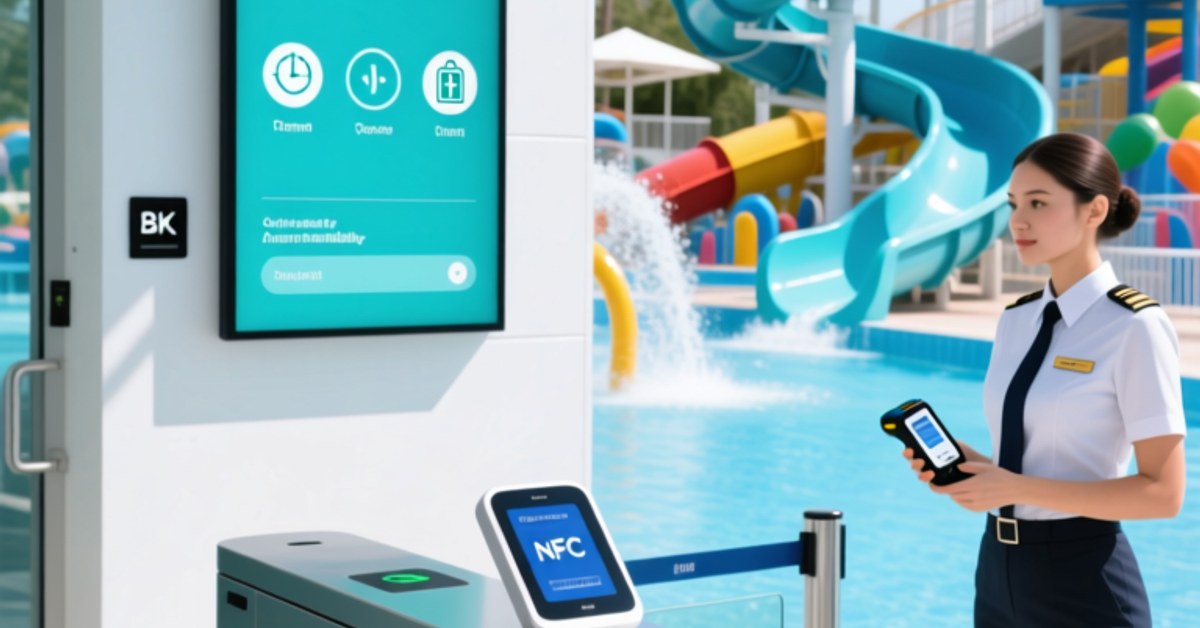
- Gate staff use handheld NFC readers or fixed scanning pedestals to tap wristbands.
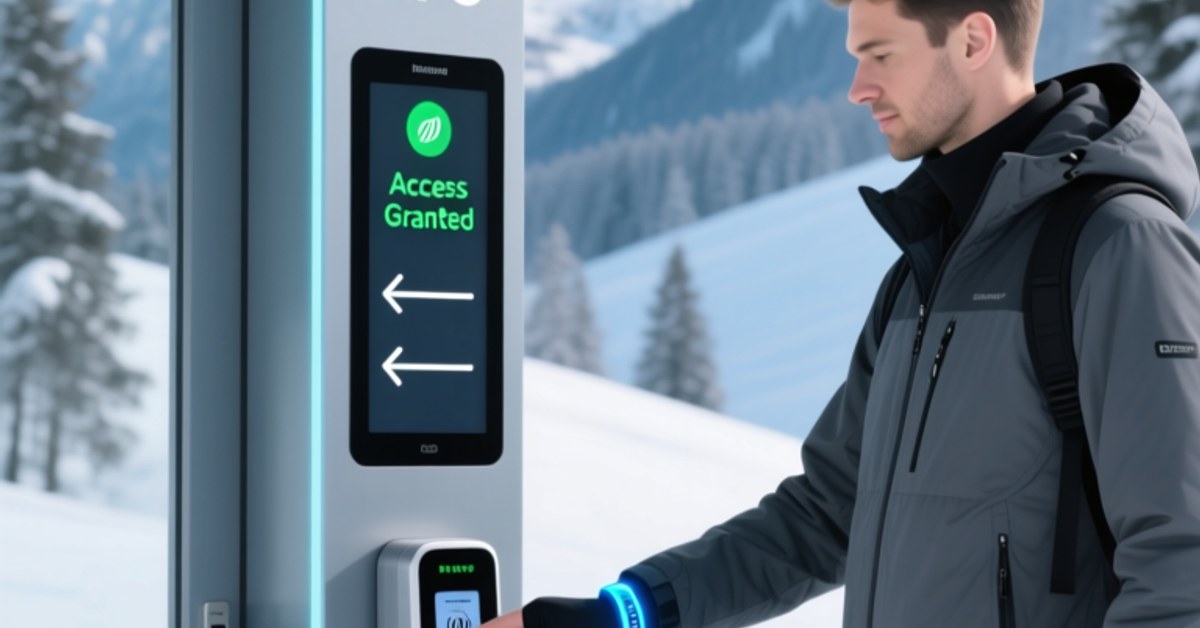
- The system verifies the chip ID against the live ticket database in milliseconds and flashes a green or red indicator.
- Tickets cannot be duplicated because each NFC chip carries a cryptographically signed serial number that cannot be cloned.
This festival access control model reduces queue times by more than 60% compared to visual ticket checks or barcode scans. For events with multiple entrance points, the system syncs validation across all gates, preventing a single ticket from being used more than once.
2. The End-to-End Cashless Payment Flow
The core of any cashless festival is the payment loop. Instead of fumbling for cash or phones, attendees tap their wristband at POS terminals operated by food vendors, merchandise stands, and bars. Behind the scenes, a robust event cashless payment engine settles transactions securely and in real time.
Top-Up and Spend Architecture
A typical flow looks like this:
- Attendees top up their wristband balance online before the event, via a mobile app, or at physical top-up stations on site.
- The balance is stored in the central system, not on the wristband itself, allowing for instant recovery if a wristband is lost or stolen.
- At point of sale, the NFC wristband is tapped on a desktop RFID/NFC reader connected to a tablet. The transaction amount is deducted from the account balance.
- All purchases are logged with time, location, and product category, enabling deep spending analysis.
Festivals using this approach routinely see 20–30% higher per-capita spending because the psychological friction of parting with cash is reduced. Moreover, cashless environments cut on-site theft and cash handling errors to nearly zero.
3. VIP and Premium Upgrade Management
Festivals generate disproportionate revenue from VIP packages, exclusive lounges, and premium upgrades. NFC wristbands make it easy to manage tiered access without requiring separate physical credentials.
Upgrade at Any Touchpoint
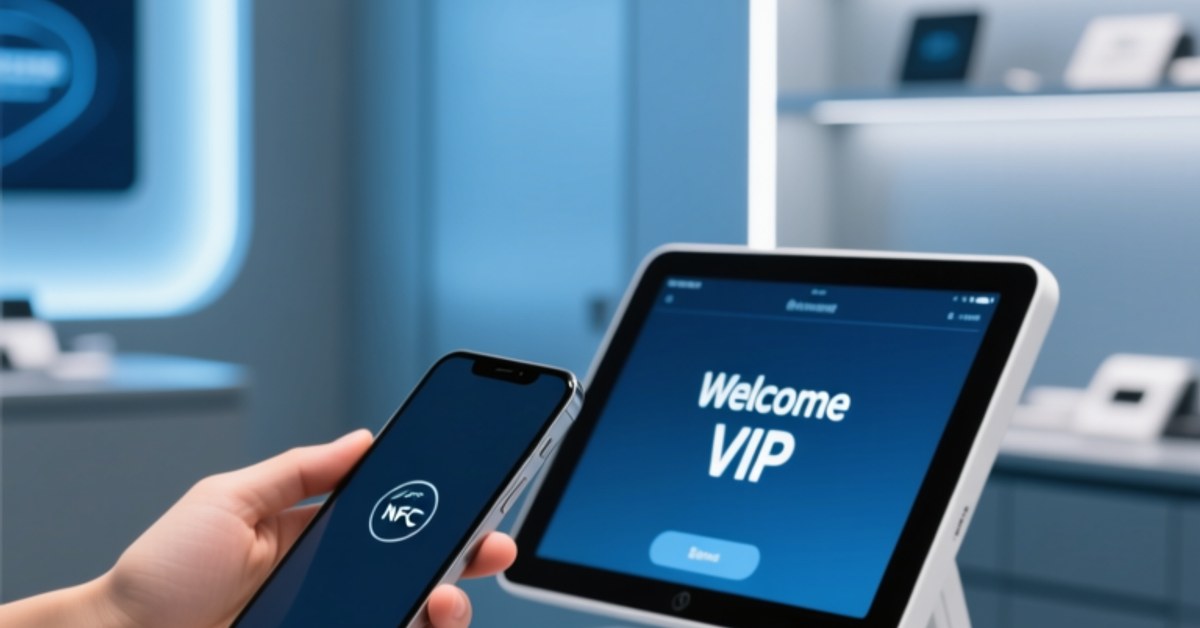
- An attendee with a general admission wristband can upgrade to VIP via the festival app. The system instantly pushes an access-rights update to the cloud.
- The same wristband now grants entry to VIP areas, backstage zones, or premium bars, all triggered by a simple tap at the zone’s reader.
- Staff no longer need to check paper bands or issue new wristbands. This real-time flexibility encourages impulse upgrades that lift revenue.
- For multi-day festivals, wristband privileges can be dynamically adjusted per day, enabling single-day VIP passes within a longer festival.
By integrating NFC event check-in and access control with the same wristband used for payment, you create a unified identity layer that eliminates confusion and enhances the premium feel.
4. Fan Data Collection and Operational Metrics
A cashless NFC ecosystem generates a wealth of anonymized and consent-based data that transforms how festivals plan and operate.
>
| Data Category | What Gets Captured | Operational Use |
|---|---|---|
| Entry Flow | Tap timestamps at each gate | Optimize entrance staffing and peak-hour load balancing |
| Spending Behavior | Purchase amount, frequency, product type | Adjust menu prices, stock popular items, negotiate better vendor deals |
| Crowd Density | Wristband reads at zone scanners (opt-in) | Avoid overcrowding, improve emergency evacuation planning |
| Session Attendance | Check-ins at specific stages or panels | Book artists and plan stage capacities for future editions |
| Loyalty Programs | Return visitor patterns across events | Reward repeat attendees with early-bird pricing and loyalty offers |
Such metrics align perfectly with the growing emphasis on Smart Entertainment, where data-driven decisions replace guesswork. Importantly, all data collection must follow GDPR and local privacy regulations. The system can be designed to associate data with a revocable token rather than personally identifiable information, protecting attendee privacy while still unlocking actionable insights.
5. Operational Metrics That Matter
When implementing an NFC wristband program, festival operators should track concrete performance indicators to measure success. Here are the key metrics that improve year over year:
- Reduction in ticketing fraud: Compare the number of rejected taps at gates to previous years’ forgeries. Fully NFC-secured entries should approach zero counterfeit attempts.
- Transaction throughput: Average seconds per transaction. NFC tap-to-pay transactions typically complete under 2 seconds, versus 8–12 seconds for cash or card.
- Average spend per head: Track total cashless revenue divided by daily active wristbands. Aim for a steady increase by analyzing item popularity and top-up patterns.
- VIP upsell conversion: Percentage of general admission wristbands that are voluntarily upgraded during the event. Real-time upgrade offers often see 5–15% conversion rates.
- Onsite top-up volume: Monitor when and where attendees top up their balances. This helps position top-up kiosks optimally and anticipate staffing needs.
- Post-event refunds: Speed of refund processing for unused balances. A well-designed system can process refunds within 72 hours, boosting trust.
By benchmarking these metrics, festival operators can build a business case for NFC investment that pays for itself through reduced costs and increased revenue within a single season.
6. Integrating NFC Wristbands with Your Existing Infrastructure
Many event organizers worry about the technical complexity of deploying a cashless system. However, modern platforms provide APIs and modular hardware options that work alongside existing ticketing and POS systems.
- Payment gateways: Integrate with major processors like Stripe, Adyen, or regional banks to handle top-ups and settlements.
- Access control: Connect NFC readers to the festival’s ticketing API via standard REST interfaces. This enables real-time validation without replacing the core ticketing system.
- Onsite hardware: Choose from ruggedized NFC readers and tablets that can withstand outdoor festival conditions. Hardware-as-a-service models are available to reduce upfront capital expense.
- Offline mode: In case of network outages, NFC readers should cache transactions locally and sync once connectivity is restored, ensuring transactions never halt.
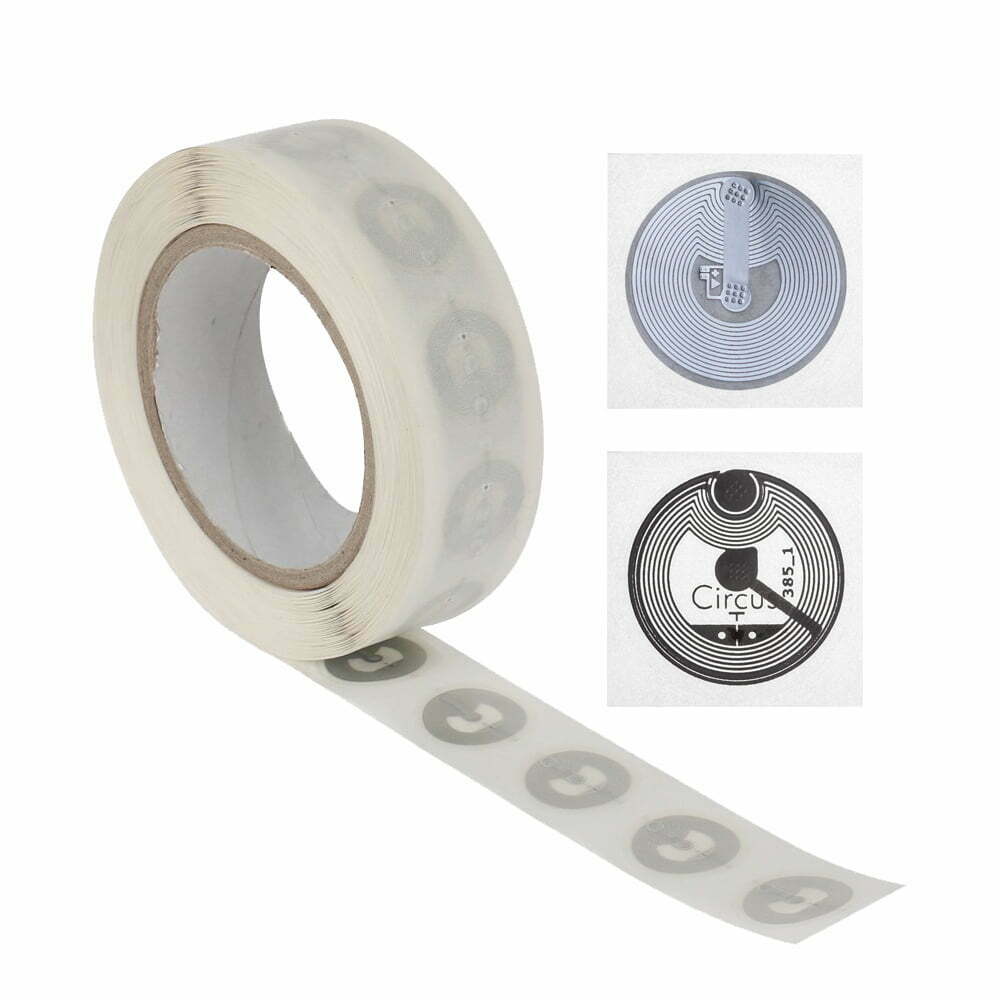
When evaluating vendors, ensure the proposed solution offers the right mix of HF RFID/NFC tags and readers that match your event’s scale and environment. Outdoor festivals with large crowds benefit from readers with wide read-range antennas and anti-collision algorithms that prevent misreads even in dense queues.
7. The Road Ahead: A Connected Festival Ecosystem
Beyond the basics of entry and payment, NFC wristbands are becoming the hub for immersive festival experiences. Imagine tapping your wristband to post a photo to the big screen, voting for an encore, or entering a lucky draw for artist meet-and-greets. These micro-interactions deepen engagement and generate valuable social media content.
As the Digital Product Passport concept expands into events, some festivals even link wristbands to merchandise with NFC tags, allowing attendees to authenticate limited-edition items and access exclusive digital content. For operations teams, the unified data platform that supports all these touchpoints becomes the central nervous system for future edition planning.
Conclusion: From Operational Burden to Strategic Asset
Moving to a NFC event management model is no longer a luxury reserved for the largest festivals. It is a practical, scalable strategy that addresses the most persistent pain points in live event production: fraud, speed, spend, and data. By deploying NFC concert wristbands across gates and points of sale, organizers create a seamless, cashless festival experience that drives revenue and builds a foundation for long-term fan loyalty.
FAQ
What exactly is an NFC festival wristband?
An NFC festival wristband is a wearable device embedded with an NFC (Near Field Communication) chip. It stores a unique identifier that links to an attendee’s ticket, cashless balance, and access privileges. Tapping it against an NFC reader performs actions such as entry validation, payment, or zone access.
How secure is cashless payment with an NFC wristband?
Extremely secure. The wristband itself does not hold any monetary value; your balance is stored on a remote server protected by encryption. Transactions use tokenization and the chip’s unique ID cannot be cloned. If a wristband is lost, the account can be immediately frozen, and the funds transferred to a replacement wristband.
Can attendees get a refund for leftover balance after the festival?
Yes. Most cashless festival systems allow attendees to claim a refund of unused credit through a web portal after the event. Refunds are typically processed back to the original payment method within a few business days. The process is automated to reduce administrative work for organizers.
Do attendees need a special app to use the wristband?
Not necessarily. The wristband works offline at gates and point-of-sale terminals with no phone required. However, a companion app enhances the experience by allowing easy top-ups, checking balance, discovering schedule line-ups, and upgrading passes. It is recommended but not mandatory.
How do NFC wristbands handle multi-day festivals?
Multi-day events can assign different access rights for each day on the same wristband. For example, a three-day wristband with a single-day VIP upgrade will only grant VIP entry on the specific day the upgrade was purchased. This is managed entirely through the cloud-based access control system.
What hardware is needed to deploy an NFC cashless system?
You’ll need NFC wristbands (available in silicone, fabric, or one-use materials), NFC readers at entry gates and payment terminals, and optionally top-up kiosks. The readers can be handheld terminals or fixed desktop devices. Many vendors offer complete rental packages specifically designed for festivals and events.
Ready to Take Your Festival Cashless?
From anti-counterfeit wristbands to real-time payment analytics, NFCWORK Technology provides the hardware and expertise to transform your music event into a seamless cashless experience. Explore our range of NFC festival wristbands, rugged NFC readers, and NFC event management solutions. Contact our event tech specialists today to discuss a custom deployment for your next concert or festival.