Have you ever tried attaching a regular NFC sticker to the back of your phone, a metal shelf, or a computer case, only to find it completely loses its sensing capability? This is because metal surfaces absorb NFC signals and generate eddy current interference.
To overcome this physical limitation, on-metal/anti-metal tags were developed. They are the only professional choice for achieving industrial automation, asset tracking, and phone-back sticker interaction.
1.Why can’t regular NFC tags be attached to metal?
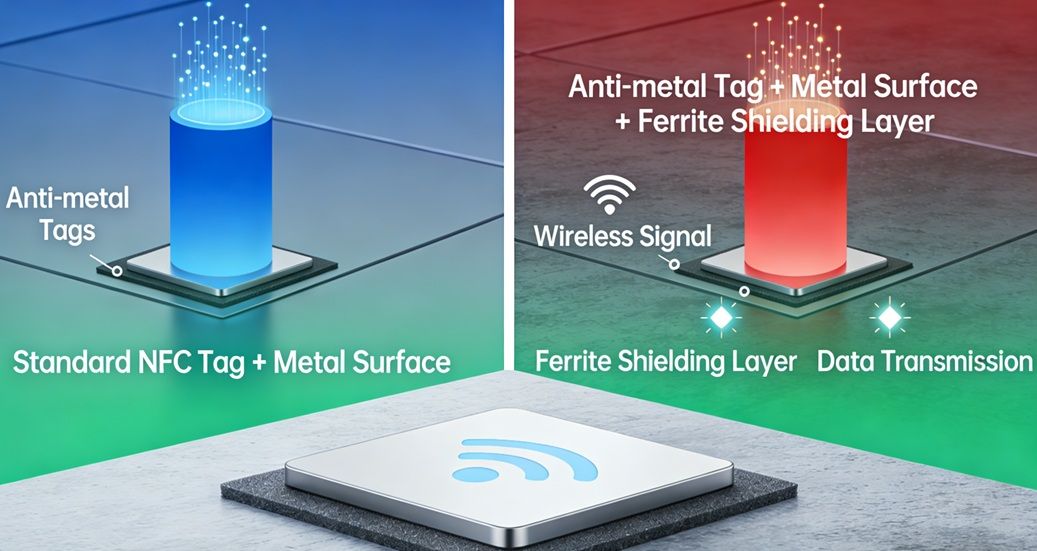
NFC technology operates at a high frequency of 13.56 MHz. When a regular tag is near metal:
- Signal Interference: The metal generates induced currents (eddy currents), thus canceling out the electromagnetic field emitted by the tag.
- Inductance Failure: The metal changes the inductance of the tag antenna, causing a frequency shift, making it impossible for the reader (phone) to recognize the chip.
2.How Anti-Metal Tags Work: The Mysterious “Ferrite Layer”
The biggest difference between anti-metal tags and ordinary tags lies in the special ferrite magnetic shielding material embedded within them.
- Magnetic Field Guidance: This material acts like a “wall,” blocking the interference of metal with electromagnetic waves.
- Signal Reflection: It redirects magnetic field lines back to the antenna area, ensuring the chip receives sufficient power even when in close contact with metal.
3.Core Application Scenarios of Anti-Metal NFC Tags
- Asset Management and Inspection: Tags are installed on power transformers, elevators, metal cabinets, or machine tools to record maintenance logs.
- Smart Retail: Tags are affixed to metal shelves or products with aluminum foil packaging to enable information retrieval via barcode scanning.
- Mobile Phone Back Adhesive Marketing: Many merchants use NFC stickers as “electronic business cards” on the back of mobile phones; only the anti-metal version can function properly despite interference from the phone’s battery/metal frame.
- IT Equipment Tracking: Enables rapid inventory checks of high-value metal assets such as laptops, servers, and switches.
4.Common Types of Anti-Metal Tags
Depending on durability requirements, anti-metal tags come in various encapsulation forms:
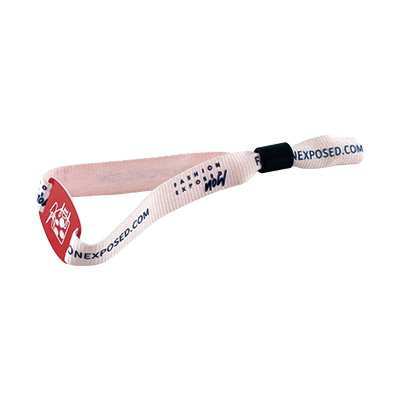
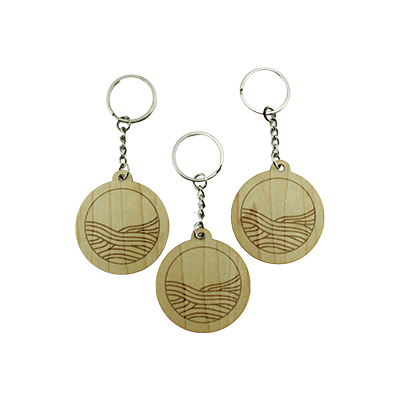
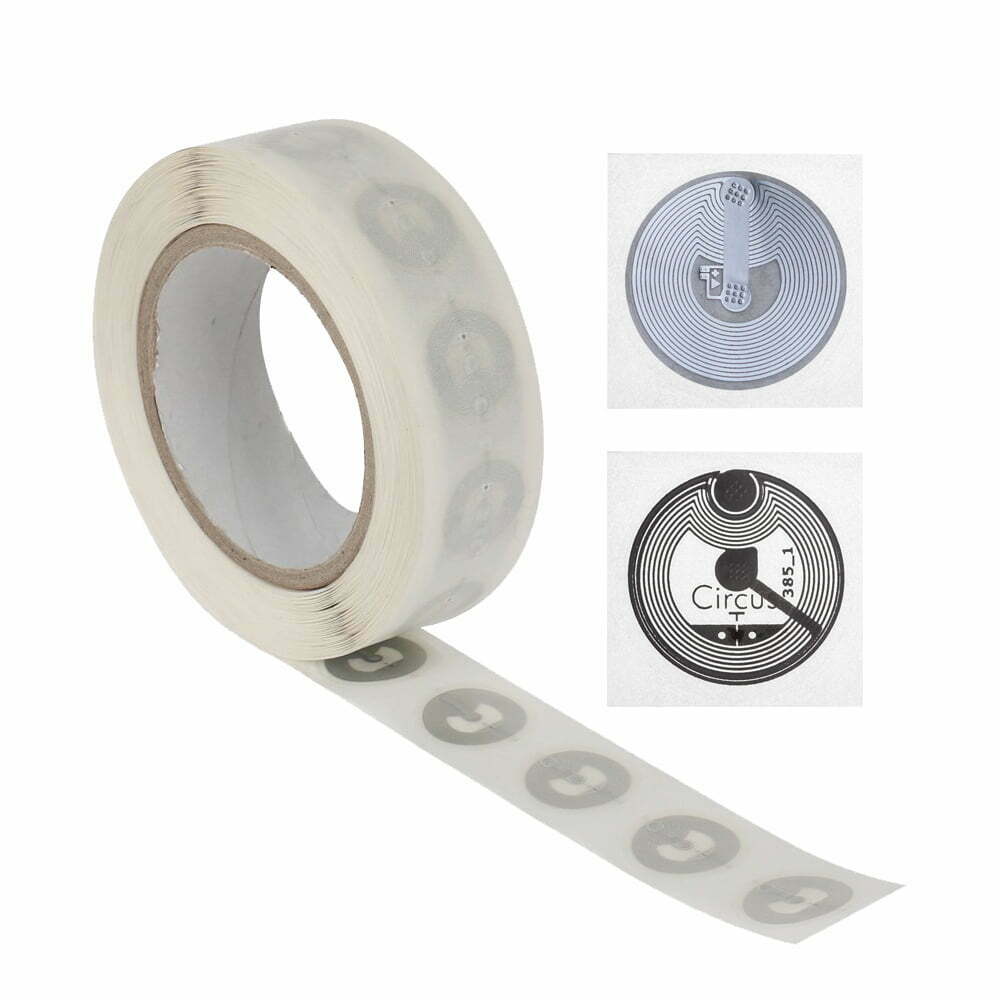
- Self-adhesive Stickers: The most common type, with a strong adhesive and ferrite layer on the back, suitable for flat metal surfaces.
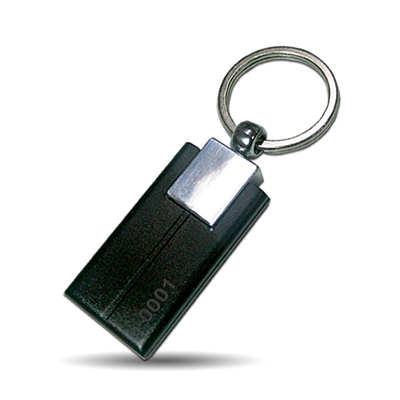
- Rigid PCB Tags: Encapsulated in a rigid circuit board, pressure-resistant and impact-resistant, suitable for long-term industrial environments.
- ABS/PPS Encapsulated Tags: With an IP68 protection rating, waterproof and corrosion-resistant, suitable for outdoor metal pipes or containers.
5.Technical Specs Selection Table
| Specification Dimensions | Typical Parameters / Recommendations |
| Chip Selection | NTAG213 (General) / NTAG216 (Large Data Volume) / ICODE SLIX (Long Distance) |
| Ferrite Thickness | 0.1mm – 0.5mm (Thicker thickness generally provides stronger anti-interference capabilities) |
| Sensing Distance | 1.0cm – 2.5cm (Affected by phone power and metal material) |
| Installation Methods | 3M adhesive, screw fixing, cable tie fixing |
6.Three Key Recommendations for Purchasing Anti-Metal Tags
- Test Actual Distance: Due to the varying degrees of signal impact from different metals (aluminum, stainless steel, iron), on-site testing is essential before large-scale procurement.
- Pay Attention to Adhesive Strength: In industrial environments, it is recommended to choose high-strength adhesives such as 3M 300LSE to prevent tag detachment due to temperature differences.
- Shape and Size: A larger antenna area usually results in a longer sensing distance. If space permits, prioritize sizes with a diameter of 25mm or larger.
In summary, on-metal NFC tags are key to breaking down physical barriers and enabling ubiquitous IoT. They give previously “silent” metal devices a digital voice.
Looking for an NFC solution for your metal devices? Browse our [On-metal NFC Tag]. We offer a wide range of sizes, from ultra-thin stickers to rugged industrial labels, and support customized UID printing and content pre-writing services.
Download now a comparison table of NFC signal interference levels for different metal materials.
For more information,please contact us.