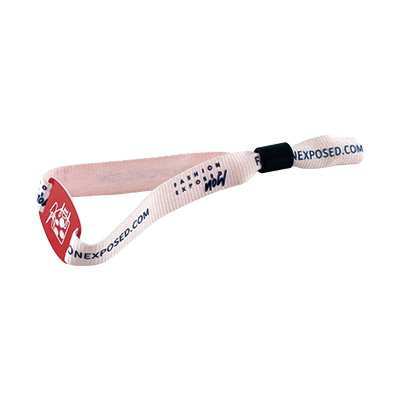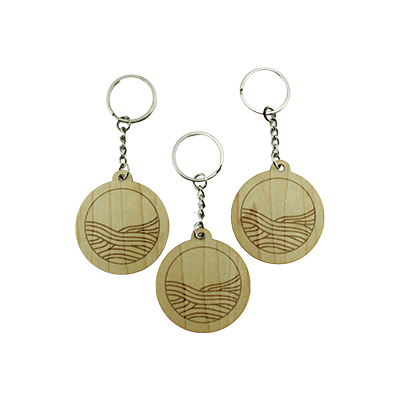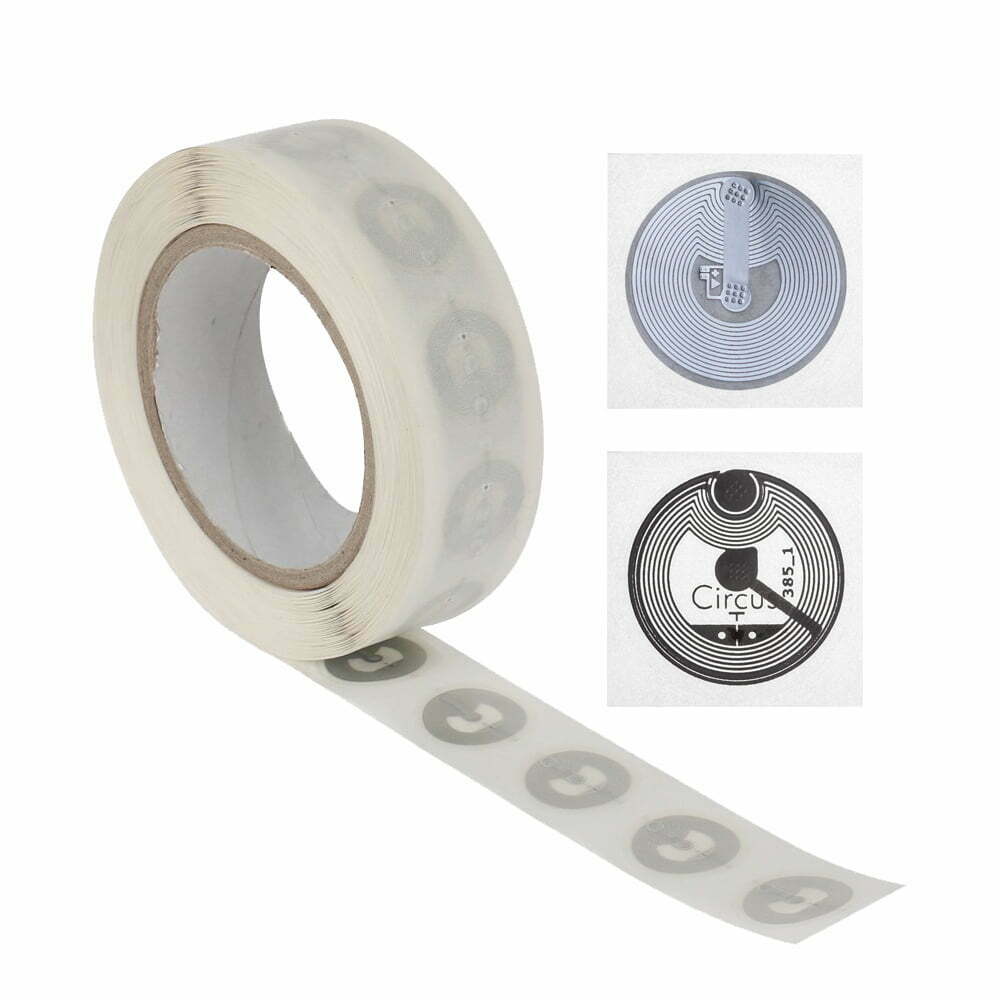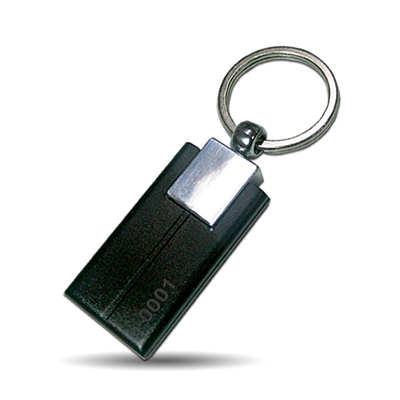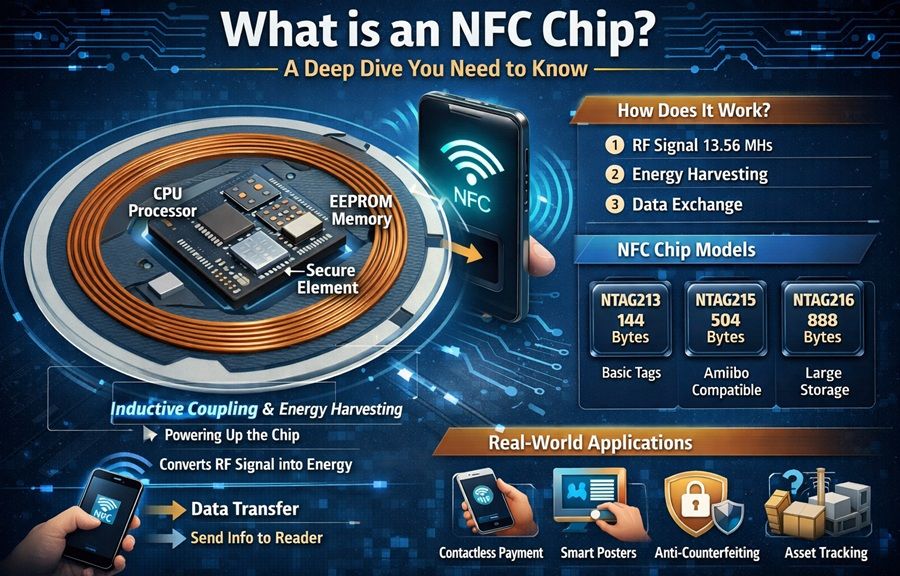
The NFC chip is the core of all NFC tags, cards, and devices. If an NFC tag is a smart component, then the NFC chip is its “brain.” It’s responsible for storing data, handling encryption, and directing wireless communication with smartphones or card readers.
1.How Does It Work?
(The Secret of Energy Harvesting) Unlike the battery-powered NFC chips inside a phone, the NFC chips in tags or cards are passive.
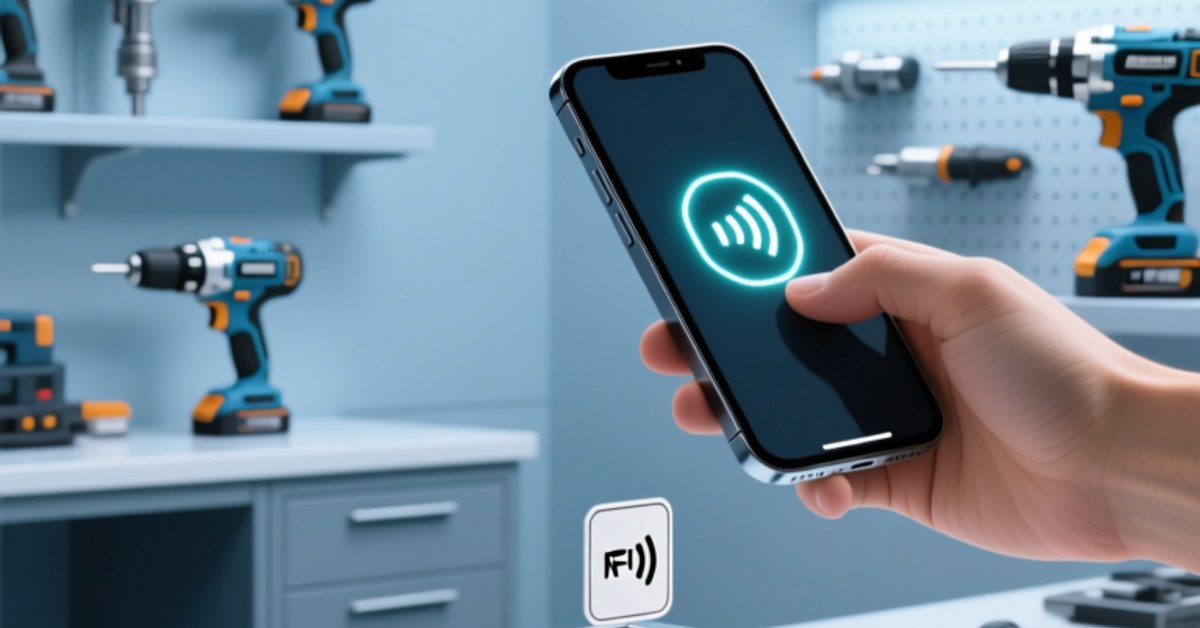
- Inductive Coupling: When an NFC reader (like a phone) approaches, it emits a 13.56 MHz radio frequency magnetic field.
- Energy Harvesting: The antenna connected to the chip captures this electromagnetic field and converts it into a weak current, instantly “activating” the chip.
- Data Exchange: Once powered, the chip, according to preset instructions, sends the information stored internally (such as URLs or encryption protocols) back to the reader via radio waves.
2.Internal Structure of an NFC Chip
A typical NFC chip, though only the size of a grain of sand, contains three key components:
- Processor (CPU): Responsible for logic control and protocol processing, ensuring accurate data transmission.
- Memory (EEPROM): Used to store static information (such as website links, product numbers). Its data can be retained for over ten years even without power.
- Secure Element: Some advanced chips are equipped with hardware encryption to prevent data from being illegally cloned or tampered with.
3.Mainstream NFC Chip Models: NTAG213 vs. NTAG215 vs. NTAG216
Choosing the right chip model is crucial when purchasing or developing an NFC solution. Currently, the industry standard is mainly dominated by NXP’s NTAG series:
| Chip Model | Memory Capacity | Core Features and Best Uses |
| NTAG213 | 144 Bytes | Industry Benchmark. Low cost, fast read speed. Best suited for: Marketing tags, product anti-counterfeiting, short URLs. |
| NTAG215 | 504 Bytes | Ideal for gamers. The only Amiibo-compatible chip. Best suited for: Nintendo backups, slightly complex instruction sets. |
| NTAG216 | 888 Bytes | Large storage capacity. Best suited for: complete digital business cards (vCard), long text messages, or offline authentication. |
4.Real-world Applications
- Consumer Electronics: Embedded in mobile phones or wearable devices for contactless payments (such as Apple Pay).
- Industrial Anti-counterfeiting: Hidden in luxury goods or industrial parts, the chip contains a globally unique UID serial number, making it impossible to counterfeit.
- Brand Marketing: The driving force behind “smart posters” or “interactive packaging,” allowing users to obtain promotional information with a simple tap.
- Asset Management: Industrial-grade NFC chips, combined with high-temperature resistant materials, can be used to track assets in harsh environments (such as industrial washing or chemical plants).
5.How to Choose the Right NFC Chip?
When choosing a chip, consider not only memory but also the following factors:
Reading distance: The antenna design and chip sensitivity determine whether it needs to be triggered at 1 cm or 5 cm.
Security requirements: Is it simply displaying a URL, or is financial-grade two-way authentication required?
Physical environment: If it’s to be attached to a metal surface, a special chip package with an anti-metal layer must be selected.
Summary
NFC chips are miniature bridges connecting the physical and digital worlds. Whether you want to add interactivity to your brand or find a smarter tracking method for industrial products, understanding the differences between chips is key to success.
FAQ
Q1: What are the core differences between NTAG213 and NTAG215?
A: The core difference lies in memory capacity and application scenarios.
NTAG213 has 144 bytes of available memory, which is currently the industry standard in the global NFC tag market. It is ideal for storing short URLs, simple product information, or social media links, and offers excellent value for money.
The NTAG215 has 504 bytes of available memory, more than three times the capacity of the NTAG213. Its unique memory architecture makes it the sole standard protocol for Nintendo Amiibo figures. If you need to store slightly more complex data, digital business cards (vCards), or require more space to trigger complex mobile automation commands, the NTAG215 is a better choice.
Q2: Should I choose the NTAG213 or NTAG215 for my project?
A: It depends on your budget and data needs:
If you are doing marketing campaigns, product anti-counterfeiting, or simple link redirects: Choose the NTAG213; it’s cheaper and perfectly adequate.
If you are involved in game data backup (Amiibo) or need to store long contact information: Choose the NTAG215.
If the data volume is very large (such as a complete electronic business card): We recommend considering the NTAG216 (888 bytes).
Q3: Can these chips be rewritten?
A: Yes, NTAG series chips support re-writable operation. You can change the data stored inside the chip at any time until you set the tag to “read-only/lock” status via software. Once locked, the data will be permanently unchangeable, which is a very important security feature for anti-counterfeiting tags.
For more information,please contact us.