With the implementation of the EU’s New Battery Regulation (EU 2023/1542), battery companies face unprecedented compliance challenges: by February 2027, every battery entering the European market must have a Digital Product Passport (DPP). How to efficiently and reliably collect lifecycle data spanning over a decade? A complete process architecture based on RFID tags is central to solving this problem.
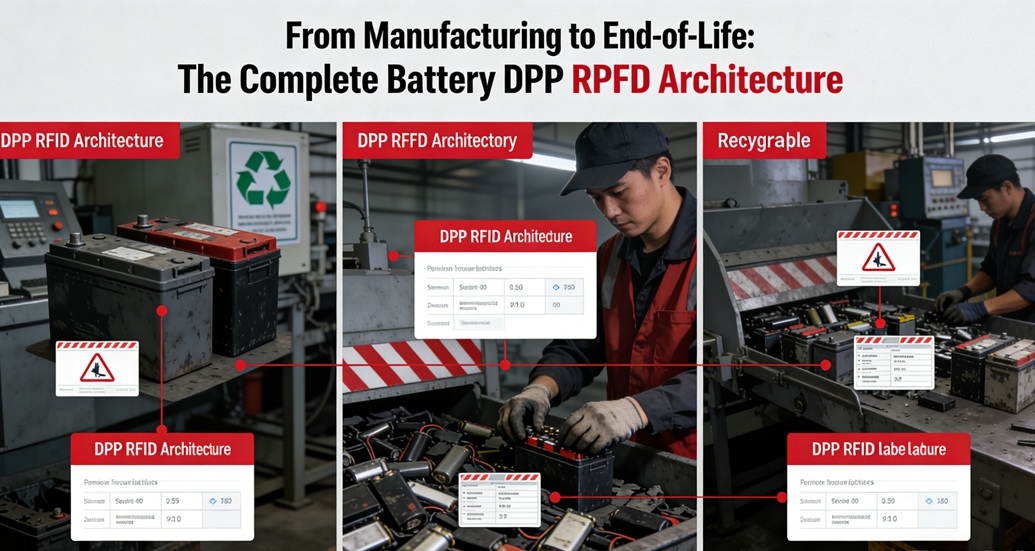
Core Architecture: Real-time Binding of Physical Batteries and Digital Twins
The battery DPP architecture is not simply a database, but a coupled “edge-network-cloud” system.
- Edge (Data Collection): Using embedded RFID chips or anti-metal industrial RFID tags as data carriers.
- Network (Data Transmission): Automated data collection at production lines and logistics nodes through RFID readers.
- Cloud (Data Processing): The cloud platform dynamically updates the battery’s carbon footprint, state of health (SoH), and chemical composition based on the collected UID.
Complete Process Node Design: The Mission of RFID
- Manufacturing Stage: Digital Identity. During cell or module assembly, customized high-temperature resistant RFID tags record initial parameters. Studies show that RFID technology can improve production traceability accuracy to over 99.9% (Source: ABI Research).
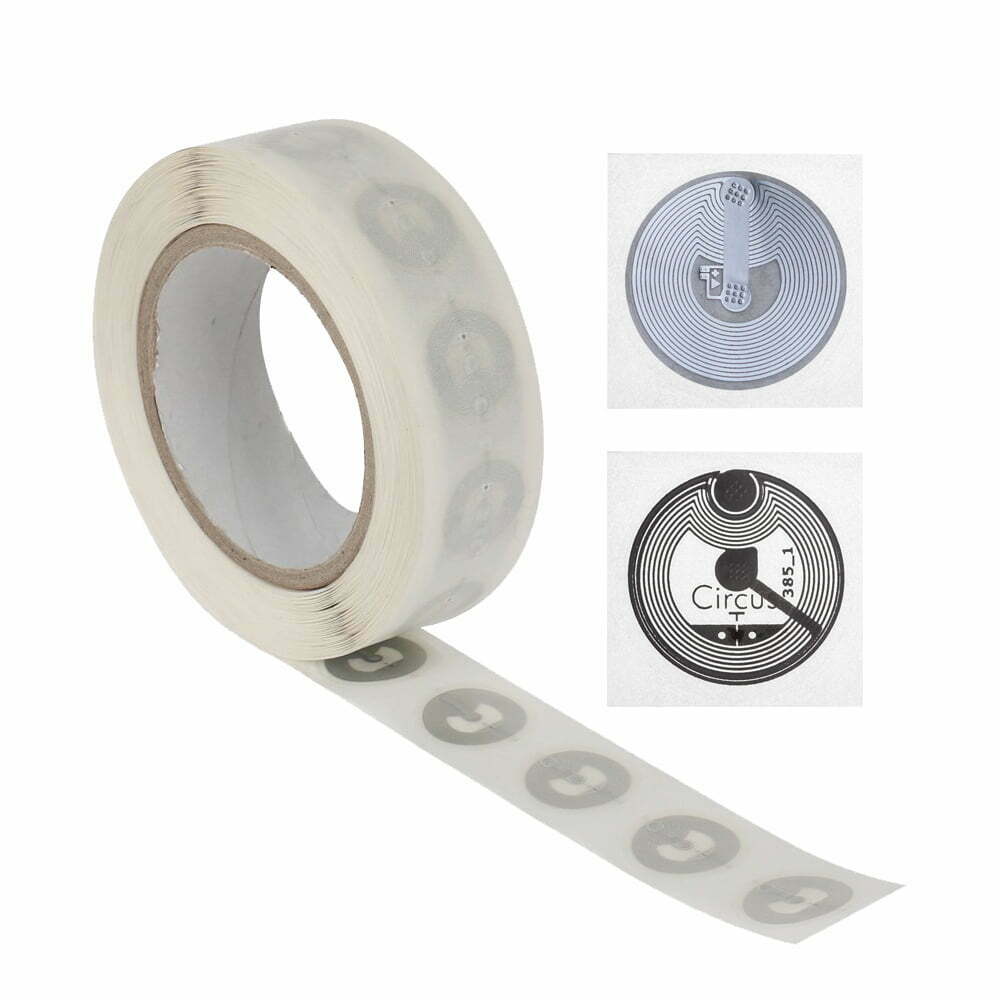
- Logistics Stage: Real-time Asset Tracking. Using RFID stickers for inventory, logistics providers can scan battery boxes in batches without opening them, significantly shortening warehousing time.
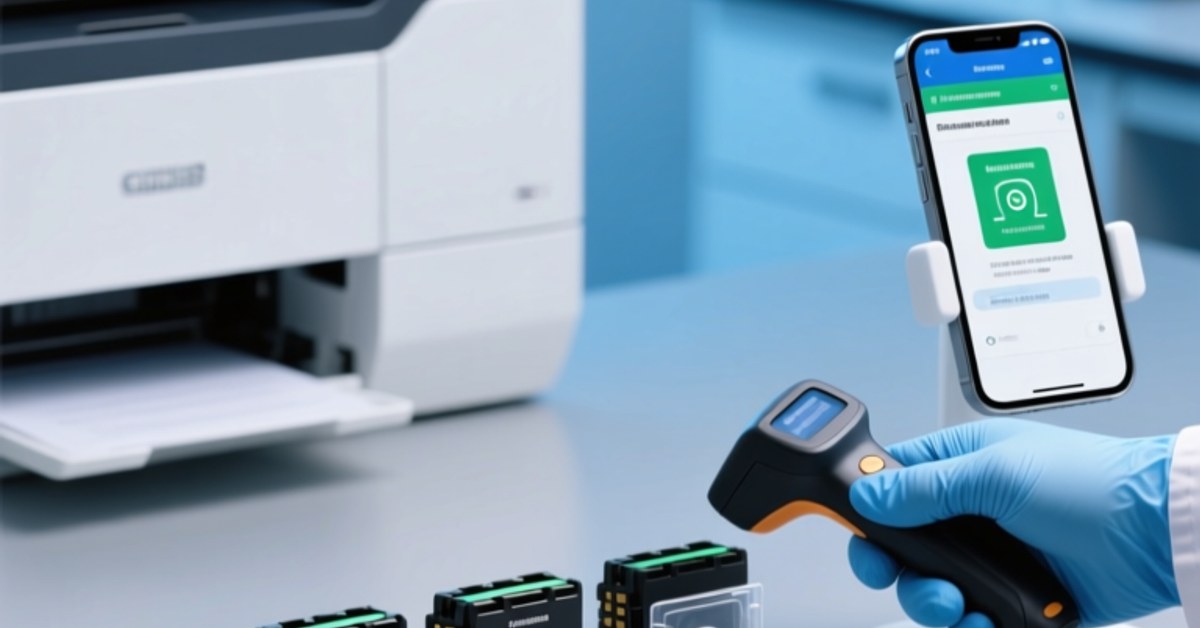
- Use and Maintenance: Dynamic Data Writing. After-sales personnel can obtain real-time maintenance records by scanning with RFID handheld devices.
- End-of-Life and Recycling: Sorting Efficiency Revolution. In the recycling process, component identification based on RFID labels is a prerequisite for automated sorting. According to a report by the European Circular Economy Platform, RFID systems can improve the sorting efficiency of waste batteries by approximately 80%.
Battery DPP Compliance Recommendations: RFIDHY Core Products
In response to the demanding physical environment of the battery industry and the compliance requirements of the EU DPP, RFIDHY recommends the following targeted product solutions:
- HY-HT4129 High-Temperature Anti-Metal Tag: Encapsulated with PEEK material, designed specifically for the heat treatment environment during battery pack assembly. This tag can withstand extreme temperatures from -40°C to +200°C, ensuring stable and readable data throughout the battery’s entire lifecycle. (Contact customer service for detailed product information)
- Flexible Anti-Metal Tag: Suitable for battery module surfaces with limited space. It boasts excellent anti-metal interference capabilities, maintaining a stable reading distance of over 8 meters even when attached to aluminum alloy or steel casings.
- Encrypted UHF RFID Inlay: Addressing the security requirements of the DPP, it supports hardware-level encryption to prevent tampering with battery traceability data, ensuring that every digital passport record is authoritative and trustworthy.
Conclusion
The “digital life” of a battery begins with that tiny RFID chip. Through scientific product selection, companies can not only overcome EU trade barriers but also gain a competitive edge in the future global battery market through data transparency.
For more information,please contact us.