The Trend of Digital Upgrade in PPE Asset Management
In industrial production environments, personal protective equipment (PPE) such as gloves, goggles, and helmets are commonly used items. According to a report by Allied Market Research, the global PPE asset tracking market is projected to reach $2.6 billion by 2027, with RFID applications in safety tool tracking accounting for over 40%.
By deploying UHF RFID tagging systems for safety tools, companies can achieve automatic tool identification, real-time location tracking, and return recording, significantly reducing manual inventory time and loss rates. Data from manufacturers using PPE asset tracking systems provided by RFIDHY shows that material loss rates can be reduced by 58%, and inventory accuracy can be increased to over 98%.
Working Principle and Technical Advantages of RFID in Safety Tools
In PPE asset tracking systems, factories typically affix UHF passive RFID tags or anti-metal RFID tags to each piece of safety tool or PPE item. When employees access tools through the RFID access control system or retrieve tools from the RFID PPE cabinet, the system automatically records the item ID, time, and user information, achieving contactless tracking.
Compared to traditional barcodes, RFID offers the following advantages in safety tools:
- Hundreds of tools can be identified with a single scan;
- Supports multi-angle reading and dynamic monitoring;
- Read/write accuracy can reach over 99%.
This automated tracking method significantly improves the accuracy and compliance of PPE asset tracking.
Typical Application Scenarios: End-to-End Tracking from Tool Room to Production Line
- Safety Tool Borrowing and Return Management: Through RFID smart cabinets (RFID PPE cabinets), the system can automatically identify materials borrowed or returned by employees. Combining UHF passive RFID tags and safety tool RFID software, real-time inventory reports can be generated.
- Production Line Inspection and Maintenance: Installing anti-metal RFID tags at tool usage points ensures stable tool information reading even in high-temperature or metallic environments.
- PPE Lifecycle Management: Combined with RFIDHY’s PPE asset tracking system, companies can track the usage count, cleaning records, and disposal time of each PPE piece.
Case Study: After implementing the RFIDHY system to manage safety tools, an Asian automotive parts factory reduced manual inventory time from 4 hours to 20 minutes, and the monthly tool loss rate dropped to below 1.5%.
RFIDHY’s Industry Solutions and Technical Strength
As a leading global supplier of RFID and RFID PPE, RFIDHY provides integrated solutions from hardware to software:
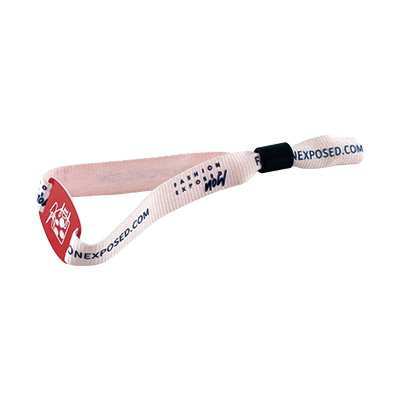
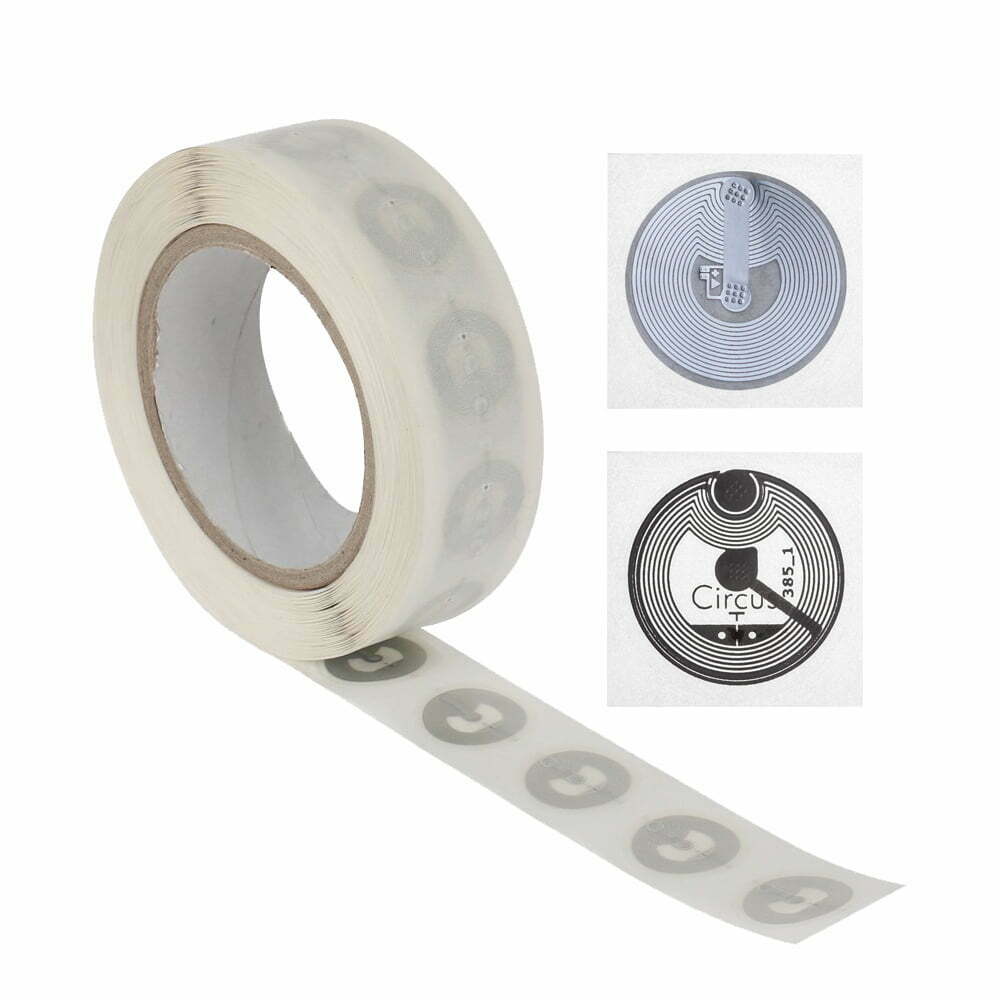
- RFID Tag Types: UHF passive RFID tags, anti-metal RFID tags, waterproof sewn RFID fabric tags;
- System Support: RFID PPE cabinets, RFID safety tool tracking platform, PPE management reporting module;
- Applications: Factory safety tool tracking, laboratory instrument management, energy equipment loss prevention monitoring, etc.
The RFIDHY system maintains a stable identification accuracy rate of over 98% even in complex environments, delivering a high return on investment for enterprise personal protective equipment (PPE) asset tracking.
RFID Tag Product Recommendations
| Product Name | Type | Applicable Scenarios | Features |
| UHF Passive RFID Tag | Tag Type | Safety Helmets, Gloves, Protective Glasses | Low cost, 10m reading distance, suitable for batch tracking |
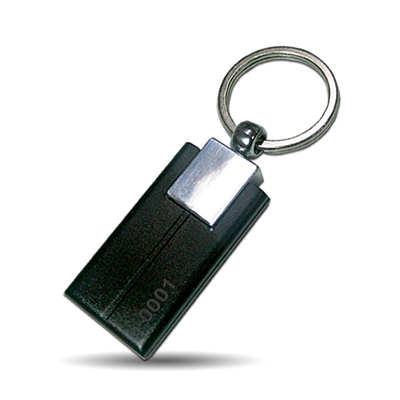
| Anti-metal RFID Tag | Hard-shell type | Metal tools, machine parts | Anti-interference, impact-resistant, suitable for factory environments |
| Sewn RFID Fabric Tag | Flexible fabric tag | Work clothes, protective clothing | Washable, chemically resistant |
| RFID Personal Protective Equipment Smart Cabinet System | Integrated equipment | Tool distribution and recycling | Automatic identification and data recording |
Recommended Supplier: RFIDHY – Provides full range of RFID tags and RFID asset tracking system optimization support.
FAQ
Q1: Can a safety tool RFID system replace manual registration?
A: Of course. By combining ultra-high frequency (UHF) passive RFID tags with RFID personal protective equipment cabinets, the system can automatically complete entry and exit records, thereby reducing manual registration workload by 90%.
Q2: Will attaching an anti-metal RFID tag to a metal tool affect its reading range?
A: If anti-metal RFID tags are used and deployed with system optimization technology, stable reading range and identification accuracy can be maintained.
Q3: How does the PPE asset tracking system interface with ERP or MES systems?
A: RFIDHY provides APIs and database interfaces, enabling seamless integration with SAP, WMS, and ERP systems for unified asset data management.
Q4: Can RFID tags withstand high temperatures and cleaning?
A: RFIDHY’s sewn-on RFID tags have passed ISO15797 cleaning resistance certification and can withstand high-temperature cleaning and high-pressure sterilization environments.
Conclusion: RFID Empowers Intelligent Management of Industrial Safety Assets
In the era of digital industrial safety, PPE asset tracking and safety tool RFID systems have become a key foundation for enterprises to reduce costs and improve efficiency.
By deploying RFIDHY’s solutions and high-performance RFID tag products, enterprises can achieve full-process visualized management from tool application to lifecycle, thereby improving the efficiency and controllability of safe production.
For more information,please contact us.