NFC がデジタル製品パスポートに最適なテクノロジーキャリアである理由
EUのような規制の枠組みとして デジタル製品パスポート (DPP) 製造業全体での導入を加速する, 贅沢, および循環経済セクター, 企業は重要なインフラストラクチャに関する決定を迫られています: どのテクノロジーが物理的キャリアとして機能するべきか DPP データ? QRコードは広く普及していますが、, NFC テクノロジーは比類のない利点をもたらします — 改ざん防止認証から既存のエンタープライズ システムとのシームレスな統合まで.
DPP実装におけるNFCの技術的優位性
NFC は安全性を提供します, 非接触型, ISO/IEC に直接準拠した標準ベースのインターフェイス 14443 そしてETSIEN 302 208 要件 — EU の基礎 DPP コンプライアンス. QRコードと違って, NFCタグ 暗号化操作をサポートする, 相互認証, および書き込み保護機能 - 製品ライフサイクル データの不正な変更を防ぐために不可欠です.
NFC と QR コード DPP の比較: 戦略的な比較
>
| 特徴 | NFC | QRコード |
|---|---|---|
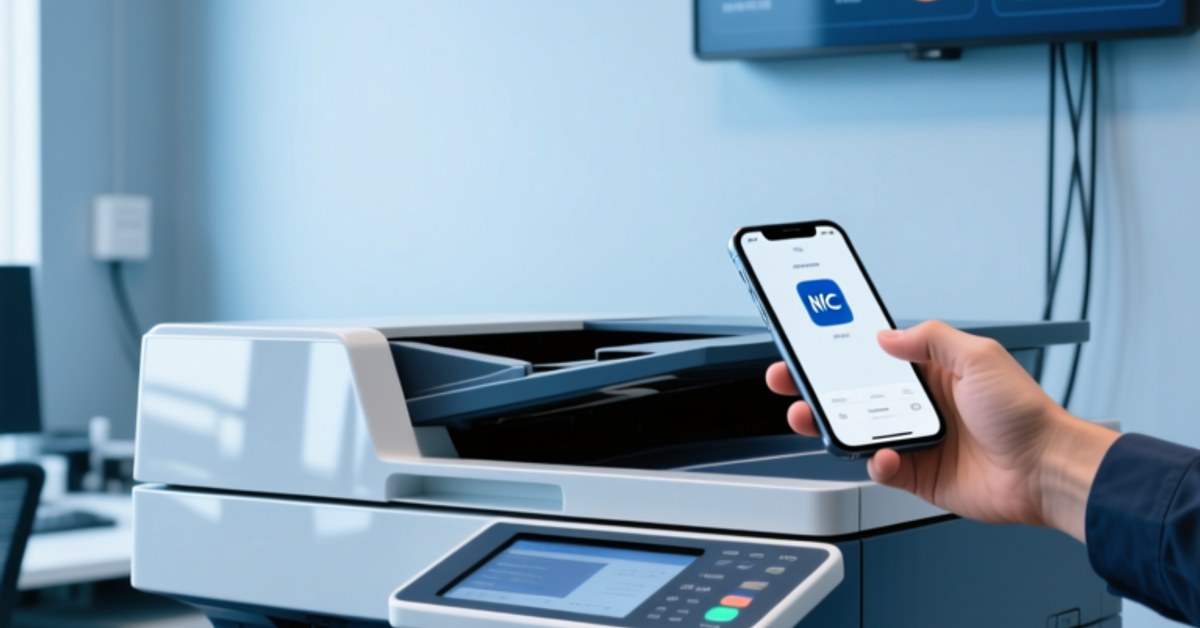
| 読み取りメソッド | タップして読む: 見通し線は必要ありません; パッケージングを通じて機能します, ラベル, または薄い素材 | スキャンが必要です: カメラの位置調整が必要です, 点灯, 遮るもののない視界 |
| 安全 | ハードウェア強制暗号化, パスワード保護, 読み取り/書き込みロック, および NDEF 署名経由 RFIDHY NFCモジュール | ネイティブのセキュリティがない - 簡単にコピーされる, 変更された, またはリダイレクトされた |
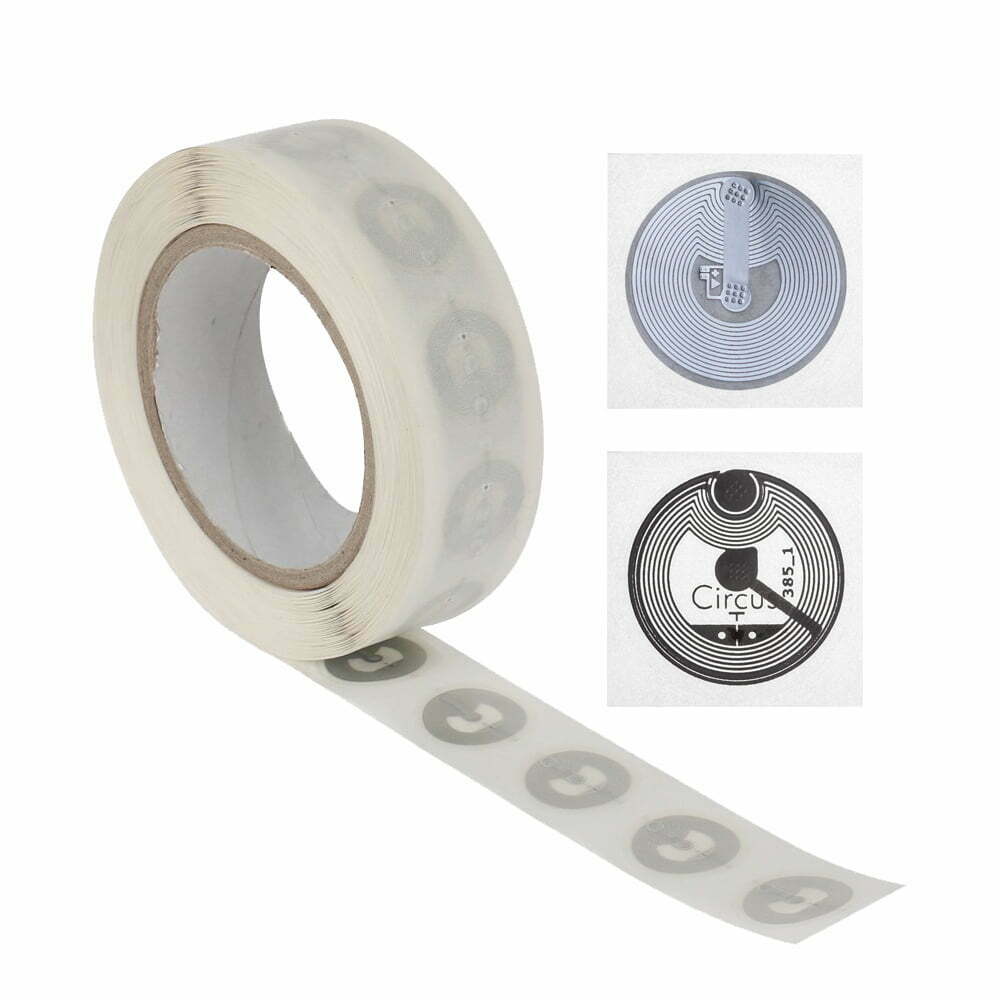
| データストレージ | まで 1 KB 以上の構造化, タグに直接保存される更新可能なデータ (例えば。, NFCインレイ, NFCステッカー) | 静的; 最大 3 KB に制限されています - 完全な DPP コンテンツを得るには外部クラウド検索が必要です |
| 耐久性 & 環境 | 湿気に対して強い, 摩耗, および産業上の取り扱い (例えば。, RFIDウェットインレー, アンチメタル NFCタグ) | 壊れやすい — 汚れがつきやすい, 色褪せ, または物理的な損傷 |
| EU DPP の準備状況 | 持続可能な製品のためのエコデザイン規制に完全準拠 (ESPR) 安全のための要件, 検証可能な, および永続的な識別子 | ESPR Annex I の下では信頼できる識別子として認識されません - 完全性の保証がありません |
DPP導入のためのエンタープライズグレードのNFCインフラストラクチャ
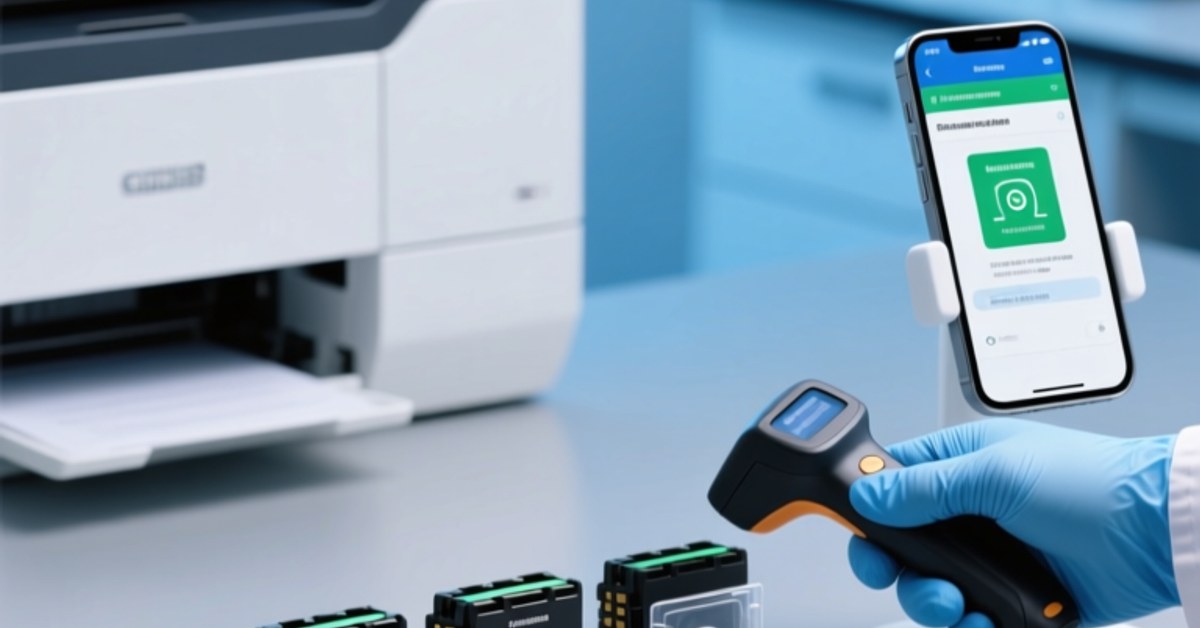
NFC ベースの DPP を大規模に展開するには、相互運用可能なハードウェアと認定されたソフトウェア層が必要です. RFIDHY 産業用の信頼性を目指して設計された ISO 準拠の NFC リーダーとモジュールを提供します, その間 RFIDHY テキスタイル統合型や金属マウント型など、大量生産環境向けに最適化された認定済みの NFC インレイとスマート ラベルを供給します. これらのコンポーネントはシームレスに統合されます NFCWORKのDPP管理プラットフォーム, 工場現場から消費者への引き渡しまでのエンドツーエンドのトレーサビリティを可能にする.
NFC の相互運用性による将来性の確保
NFC は、動的なファームウェアの更新など、コンプライアンスを超えた進化する DPP ユースケースをサポートします, サービス履歴のロギング, そして中古検証. Bluetooth LE ハンドオーバーと IoT ゲートウェイ統合のサポートが組み込まれているため、QR コードの静的ユーティリティをはるかに超えて、次世代スマート製品エコシステムの基礎層としての地位を確立します。.
よくある質問
- NFC タグは完全なデジタル製品パスポートを保存できますか? はい - 最新の NFC タグ (例えば。, NTAG 424 DNA, ICODE SLIX2) 暗号化をサポート, コア DPP メタデータと拡張されたクラウド ホスト コンテンツへのポインターに十分な更新可能な NDEF レコード.
- NFC ベースの DPP は EU の規制要件を満たしていますか? 絶対に. NFC のハードウェア支援セキュリティ モデルは、ESPR Annex I の信頼性基準を満たしています, 誠実さ, QRコードとは異なり、永続性があります.
- RFIDHY NFC リーダーは EU DPP ソフトウェア プラットフォームと互換性がありますか?? はい — すべて RFIDHY NFC リーダーは標準の PC/SC および HID プロトコルをサポートします, 主要な DPP 管理システムとのプラグアンドプレイ統合を保証.
- NFC タグは過酷な産業環境でどのように機能するか? RFIDTAGHY はエポキシ封止された製品を提供します, 自動車で実証済みの IP68 定格の NFC インレイと耐金属タグ, 航空宇宙, および重機アプリケーション.
準拠した製品を導入する準備ができています, 安全なデジタル製品パスポート?
NFCWORK のエンタープライズ グレードの NFC インフラストラクチャを活用します。 RFIDHY リーダーと認定タグ - DPP 戦略を将来にわたって保証します.