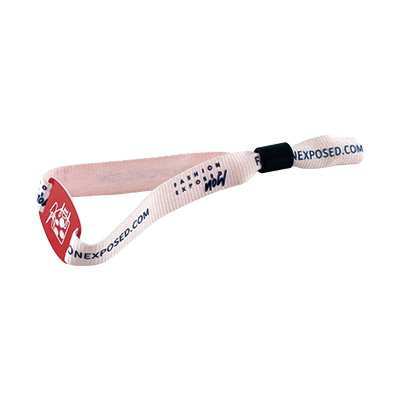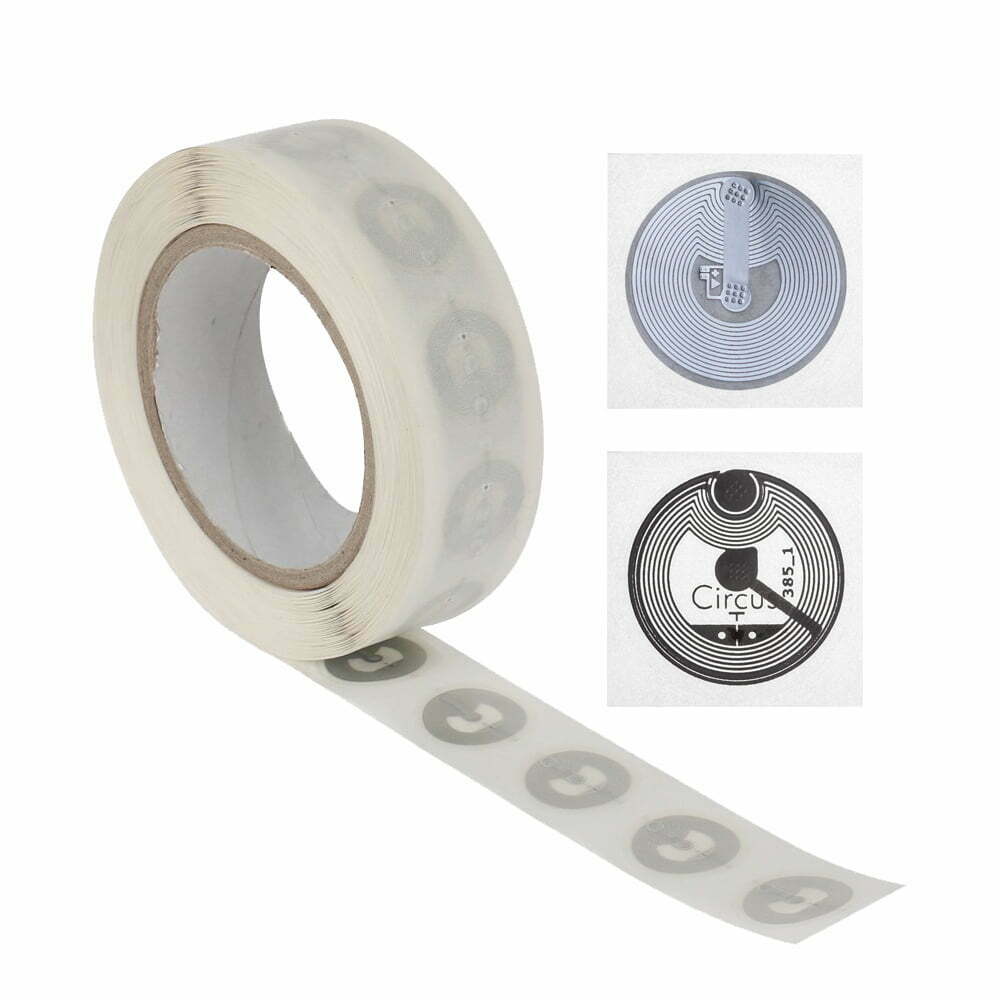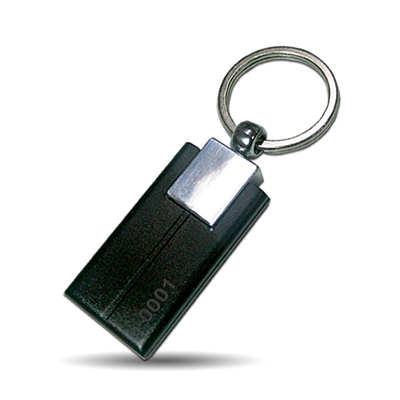
Con l’implementazione ufficiale del regolamento UE sulla progettazione ecocompatibile dei prodotti sostenibili (ESPR), IL Passaporto dei prodotti digitali (Dpp) è diventato un prerequisito per entrare nel mercato europeo. Tra vari supporti dati, L’RFID è ampiamente riconosciuto come l’infrastruttura sottostante più ideale per il DPP.
Identificazione univoca: Abilitare il “Gemello digitale” di prodotti
Il requisito fondamentale del DPP è la tracciabilità dei prodotti durante tutto il loro ciclo di vita. La tecnologia RFID stabilisce una mappatura uno a uno tra il mondo fisico e i sistemi digitali assegnando un UID univoco a ciascun prodotto.
Rispetto ai tradizionali codici QR, Tag RFID hanno le caratteristiche della lettura batch e dell'identificazione non visiva. Secondo i dati IDTechEx, nella vendita al dettaglio e nella logistica, l'efficienza di lettura dell'RFID è superiore a 25 volte superiore rispetto alla scansione manuale dei codici a barre. Questa efficienza garantisce che ogni nodo del ciclo di vita del prodotto, dall’estrazione delle materie prime al riciclaggio e allo smantellamento, possono essere registrati con precisione.
Raccolta automatizzata dei dati: Affrontare i punti critici dell’economia circolare
Il DPP non è solo una visualizzazione di informazioni statiche ma anche un accumulo di dati dinamici. Nell'economia circolare, il riciclaggio e il riutilizzo dei prodotti richiedono un'analisi accurata dei componenti e registrazioni di manutenzione.
- Durabilità e occultamento: Resistente alle alte temperature e anti-metallo di livello industriale Tag RFID può essere incorporato in fibre tessili o parti automobilistiche, garantendo che i tag rimangano utilizzabili per tutta la durata di vita del prodotto fino a 10 anni.
- Capacità dei dati: I chip RFID possono memorizzare informazioni di classificazione critiche, consentendo al personale in loco di leggere le istruzioni di riciclaggio tramite terminali portatili anche in ambienti offline.
Sicurezza dei dati e autenticazione anticontraffazione
Il DPP prevede requisiti severi per l’autenticità dei dati. Gli algoritmi di crittografia (come AES-128) integrato nei chip RFID può prevenire efficacemente la manomissione dei dati. Lo dice un rapporto di ricerca dell'ABI Research, le aziende che utilizzano la tecnologia RFID per la protezione del marchio hanno registrato un aumento medio del 35% nella trasparenza della catena di fornitura, frenare efficacemente il flusso di prodotti contraffatti e di qualità inferiore agli standard nei canali di riciclaggio conformi.
L’RFID non è solo un supporto dati, ma anche un ponte che collega i prodotti fisici a un futuro digitale verde. Con l’attuazione obbligatoria della politica DPP in settori come quello tessile e delle batterie 2026, La posizione dell’RFID come infrastruttura sottostante sarà insostituibile.
Come leader Soluzione RFID fornitore, Rfidhy si dedica da decenni alla ricerca e allo sviluppo dei tag. Per rispondere alle diverse esigenze del DPP, Rfidhy fornisce una gamma completa di supporto hardware, dalla frequenza ultraelevata (UHF) alla comunicazione a campo vicino (NFC).
Per ulteriori informazioni,Per favore contattaci.