Scegliere il metodo anticontraffazione giusto per la tua attività
Nelle catene di fornitura globali di oggi, i prodotti contraffatti costano ai marchi $2 miliardi di dollari all’anno in valore sequestrato e molto di più in danni alla reputazione e perdite di entrate. La selezione del metodo di autenticazione del prodotto corretto non è più facoltativa; è un imperativo strategico. Questo articolo mette a confronto oggettivamente tre approcci ampiamente utilizzati: Tag NFC, etichette olografiche, e numeri di serie, valutandoli in modo trasversale 11 dimensioni critiche per guidare il processo decisionale aziendale.
Ologrammi: Lo standard legacy con limitazioni in evoluzione
Le etichette olografiche sono considerate attendibili da oltre 40 anni grazie al loro fascino visivo e al basso costo unitario ($0.02–$0,10). Rimangono comuni sugli imballaggi di lusso, prodotti farmaceutici, ed elettronica di consumo. Tuttavia, i progressi nella stampa ad alta risoluzione e nella goffratura hanno ridotto significativamente la loro sicurezza. Le contraffazioni moderne spesso replicano gli ologrammi con una fedeltà allarmante, richiedendo l'ispezione di esperti per rilevare i difetti. Criticamente, offerta di ologrammi nessuna interazione digitale, nessuna visibilità della catena di fornitura, E capacità di coinvolgimento del consumatore pari a zero. Funzionano meglio come deterrente di primo livello, non come meccanismo di verifica.
Numeri di serie: Onnipresente ma fondamentalmente vulnerabile
I numeri di serie non richiedono investimenti hardware e sono implementati universalmente. Eppure soffrono di tre debolezze fondamentali: suscettibilità a supposizioni o violazioni del database, affidamento sulla verifica manuale o basata sul web (senza controllo immediato dello smartphone), e completa assenza di prove di manomissione. Senza vincolo crittografico agli elementi fisici, i periodici possono essere copiati, riutilizzato, o raschiato da prodotti legittimi. Eccellono solo nella tracciabilità di base se integrati nei sistemi ERP, ma falliscono come strumenti anticontraffazione autonomi.
Tag NFC: Il punto di riferimento dell’era digitale per l’autenticazione
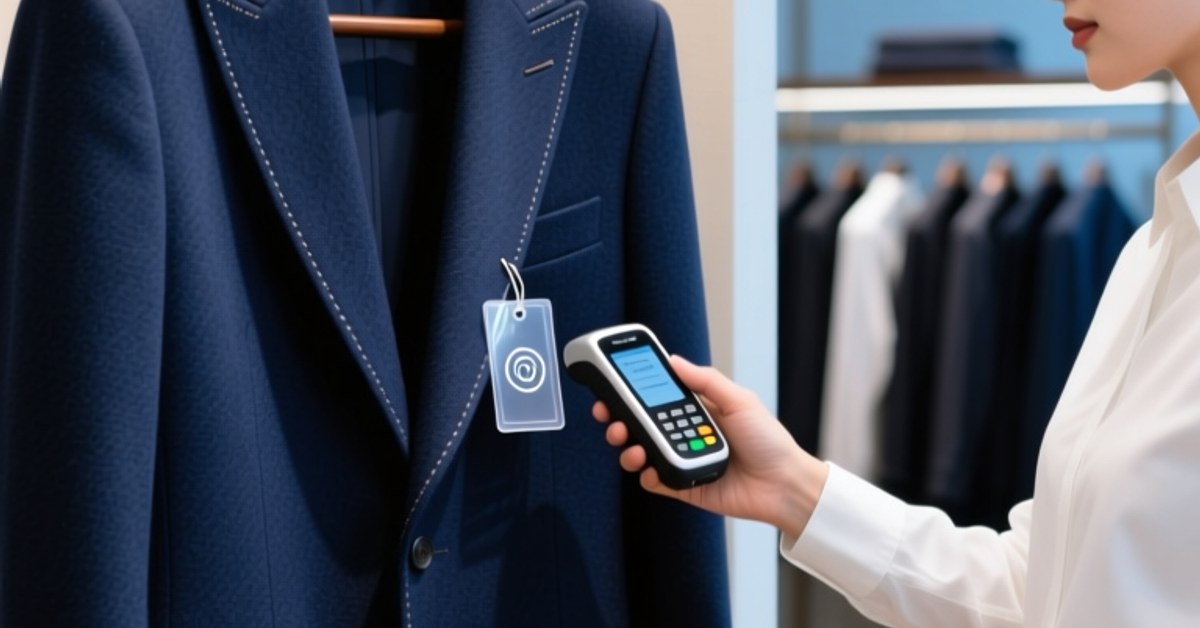
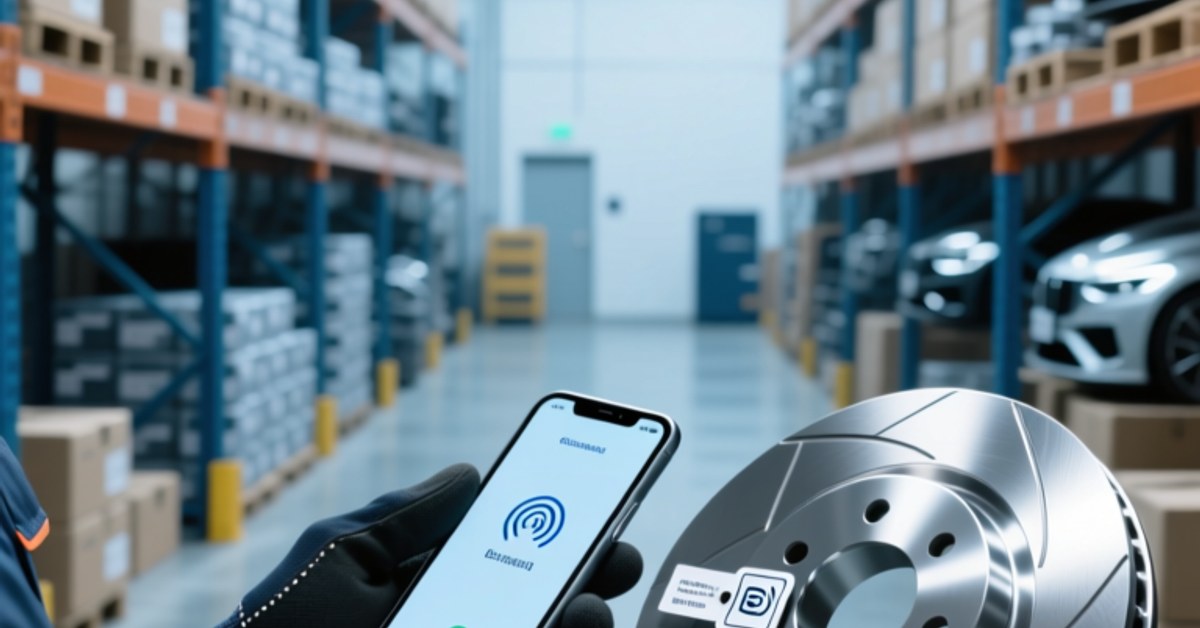
Autenticazione basata su NFC, in particolare utilizzando elementi sicuri come Allegate 424 Etichetta del DNA—consegna firmato crittograficamente, verifica anti-manomissione direttamente tramite qualsiasi smartphone abilitato NFC. Le unità costano $ 0,15–$ 0,50, a seconda del volume e della configurazione, e supporta la crittografia AES-128, sfida-risposta dinamica, e SOLE (NFC unico e sicuro) firma del messaggio. Come distribuito in tutto autenticazione di oggetti di lusso E Passaporti dei prodotti digitali, Tag NFC abilitare la verifica in tempo reale, coinvolgimento dei consumatori (PER ESEMPIO., narrazione del marchio, Istruzioni per la cura), monitoraggio dell'intera catena di fornitura del ciclo di vita, e conformità normativa (Unione Europea Dpp, UDI della FDA).
Analisi comparativa: 11 Dimensioni che contano
>
| Criterio | Ologramma | Numero di serie | Tag NFC (Allegate 424 DNA) |
|---|---|---|---|
| Livello di sicurezza | Basso-medio (solo visivo) | Basso (statico, indovinabile) | Alto (AES-128, Firmato SUN, a prova di manomissione) |
| Costo per unità | $0.02–$0,10 | $0.00 (solo software) | $0.15–$0,50 |
| Verificabilità | Manuale, soggettivo, dipendente dall'esperto | Ricerca basata sul Web o tramite app; nessuna verifica immediata | Istantaneo (tocca per verificare su qualsiasi telefono NFC) |
| Coinvolgimento dei consumatori | Nessuno | Limitato (URL statico o collegamento QR) | Alto (ricchi media, contenuti multilingue, integrazione fedeltà) |
| Monitoraggio della catena di fornitura | Nessuno | Parziale (se collegato a ERP/WMS) | Dall'inizio alla fine (leggere/scrivere ad ogni checkpoint) |
| Scalabilità | Alto (basato sulla stampa) | Alto (basato su database) | Alto (integrato nel cloud, Piattaforme predisposte per API) |
| Durata | 3–5 anni (svanisce, graffi) | Indefinito (registrazione digitale) | 10+ anni (robusti inserti NFC in resina epossidica o poliestere) |
| Facilità di ispezione | Facile (visivo) | Moderare (richiede Internet + ingresso) | Facile (tocco singolo, nessuna digitazione) |
| Resistenza alla duplicazione | Basso (sempre più replicabile) | Molto basso (copia/incolla, forza bruta) | Molto alto (non ripudio crittografico) |
| Supporto per la conformità normativa | Nessuno | Di base (solo tracciabilità) | Pieno (sostiene l'UE Dpp, UDI della FDA, Iso 15459) |
| Casi d'uso ideali | Marchio a basso rischio, imballaggio secondario | Etichettatura delle risorse interne, monitoraggio SKU di base | Beni di lusso, prodotti farmaceutici, elettronica, Dpps, dispositivi indossabili intelligenti |
Migliori pratiche: Stratificazione per la massima protezione
Le aziende leader raramente si affidano a un unico metodo. Invece, adottano strategie multilivello allineate ai profili di rischio:
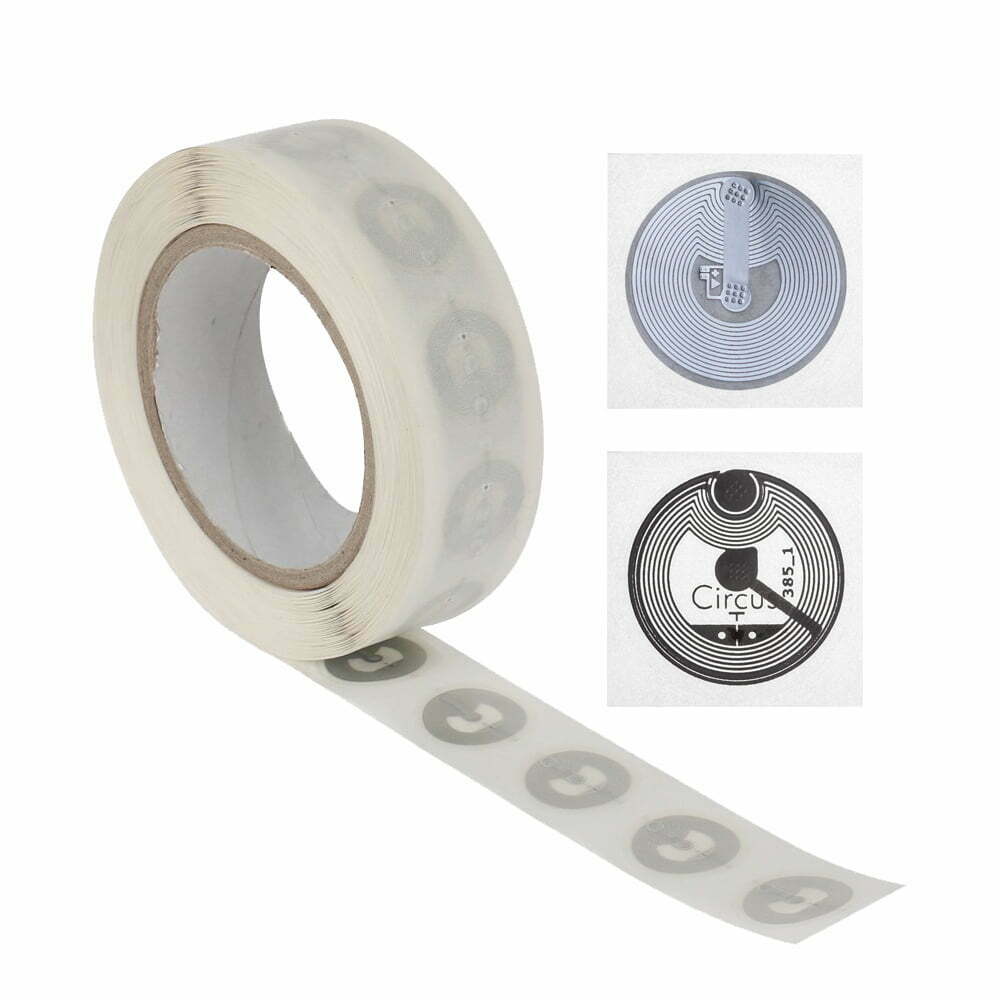
- NFC + Ibrido di ologramma: Distribuire Adesivi NFC sotto o adiacente a un ologramma personalizzato, combinando la fiducia tattile con la sicurezza crittografica. Ideale per moda e orologi premium.
- NFC + Numero di serie: Incorpora un seriale univoco nel messaggio NDEF del tag NFC, abilitando sia la verifica istantanea del tocco che la riconciliazione ERP backend. Ampiamente usato in Identificazione indossabile NFC e tracciabilità dei dispositivi medici.
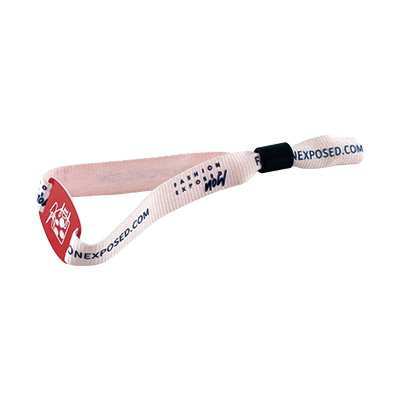
- Integrazione dello stack completo: Paio Braccialetti NFC o inlay NFC con piattaforme di autenticazione basate su cloud (PER ESEMPIO., SecureTag Cloud di NFCWORK) per analisi in tempo reale, avvisi georecintati, e piste di controllo.
I dati di mercato confermano il cambiamento: i marchi che implementano l’autenticazione basata su NFC sono cresciuti 340% fra 2020 e il 2025, spinti dalla domanda di trasparenza, conformità, e connessione diretta al consumatore.
FAQ
- I tag NFC possono essere clonati? I tag NFC standard possono essere copiati, ma varianti sicure come NTAG 424 Il DNA utilizza la firma crittografica forzata dall'hardware e sfide dinamiche che rendono la clonazione economicamente e tecnicamente irrealizzabile.
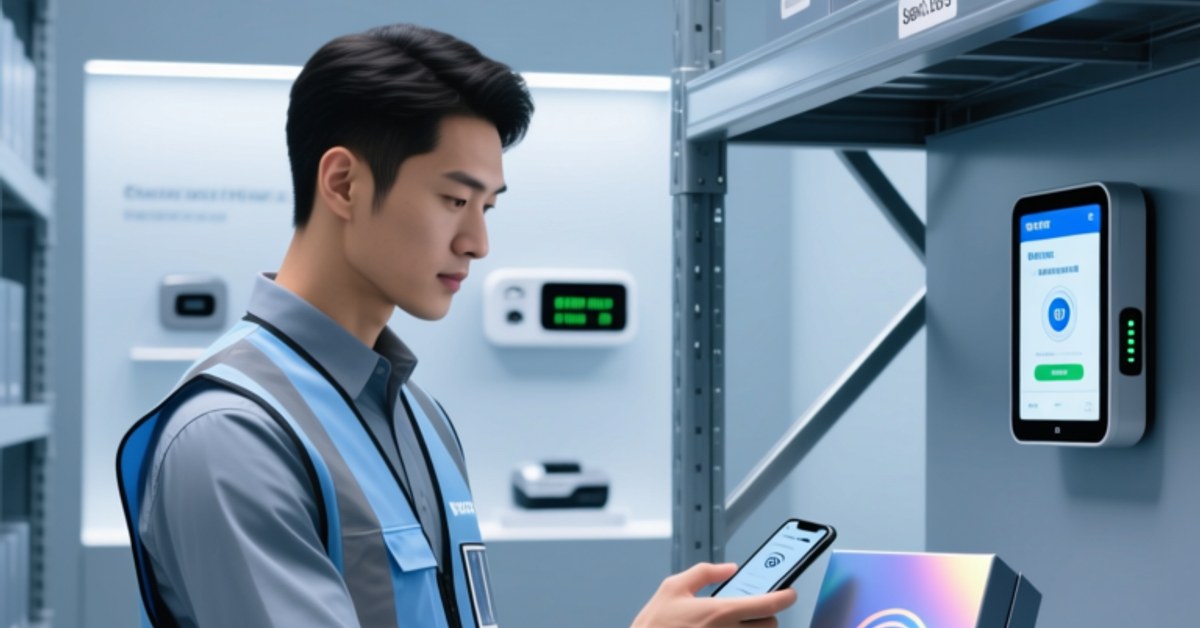
- I consumatori hanno bisogno di un'app speciale per verificare i tag NFC? NO. Tutti i moderni dispositivi Android e iPhone (iOS 13+) supporta la lettura NFC nativa senza app: basta toccare e andare.
- Sono Rfidhy e NFCWORK Tag NFC certificati per la conformità globale? SÌ. Nostro Tag NFC E Rfidhy Adesivi NFC incontrare CE, FCC, e gli standard RoHS, e supportare il GDPR- e architetture di dati conformi al DPP dell’UE.
- Come posso integrare l'autenticazione NFC nel mio ERP o WMS esistente? Attraverso API RESTful e connettori middleware, completamente documentati nel nostro portale per sviluppatori NFCWORK.
I nostri solution architect valuteranno il tuo portafoglio prodotti, catena di fornitura, e obiettivi di conformità e consigliare un mix ottimale di tag NFC, Intarsi sicuri RFIDHY, e percorsi di integrazione. Ottieni informazioni utili nella sezione seguente 5 giorni lavorativi.