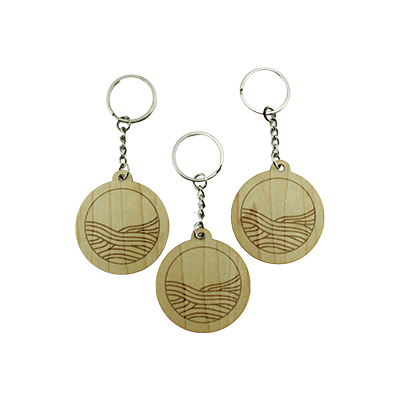
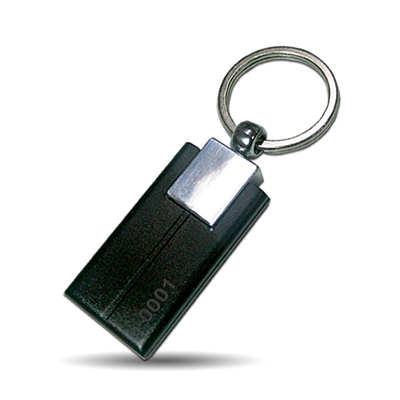
NFC (근거리 무선 통신) 태그가 작네요, 일반적으로 짧은 거리에서 데이터를 전송할 수 있는 수동 무선 장치 10 cm (3.94 신장) 이하. 비접촉식 결제를 통해 그들과 상호작용했을 가능성이 높습니다., 사무실 열쇠 고리, 아니면 대중교통카드.
그것을 다음과 같이 생각하십시오. “똑똑한” 바코드 버전: 바코드는 다음과 같아야 합니다. “본” 광학 스캐너로, 안 NFC 태그 ~이다 “감지” 무선 주파수 판독기로 (스마트폰처럼).
다음은 작동 방식에 대한 분석입니다., 그 안에 무엇이 들어있나요?, 그리고 왜 그것들이 현대 기술에 필수적이 되고 있는지.
1. 어떻게 작동하나요?? (배터리가 없는 마법)
NFC 태그 수동적이다, 즉, 자체 전원이나 배터리가 없습니다..
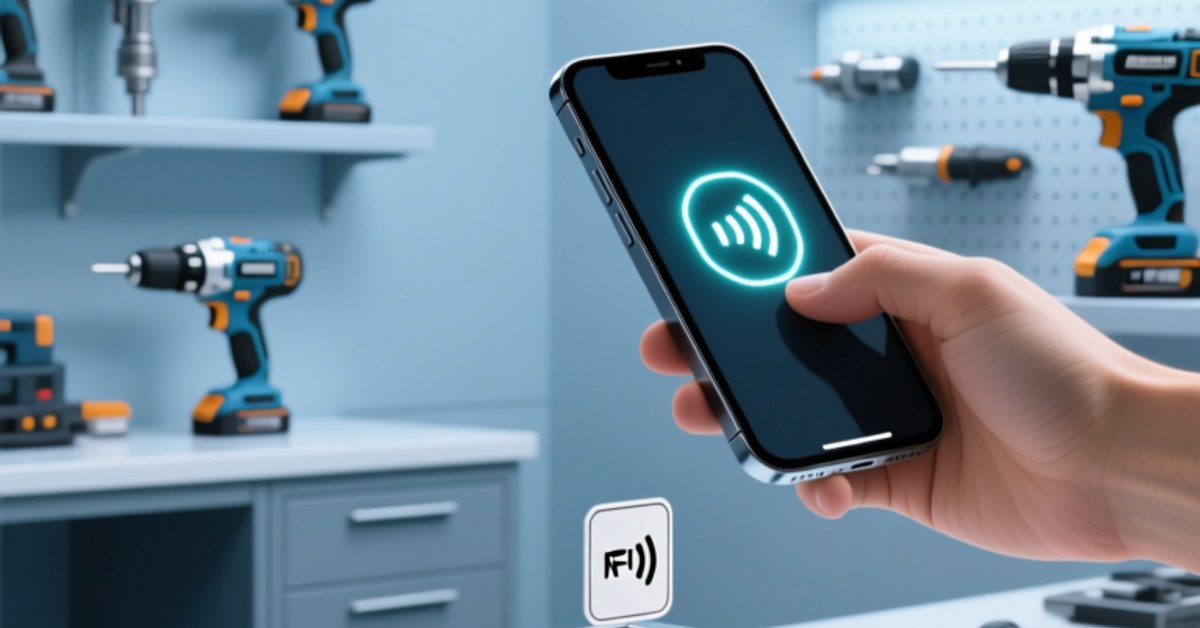
- 상호작용: NFC 지원 기기를 지참하는 경우 (아이폰이나 안드로이드처럼) 태그에 가깝습니다, 장치의 자기장은 전자기 유도를 통해 태그에 작은 전류를 생성합니다..
- 응답: 이것 “일어나다” 태그, 저장된 정보를 전송할 수 있도록 허용 (웹사이트 URL과 같은, 연락처 카드, 또는 명령) 다시 전화로.
2. NFC 태그 안에는 무엇이 들어있나요??
NFC 태그는 두 가지 주요 부분으로 구성됩니다.:
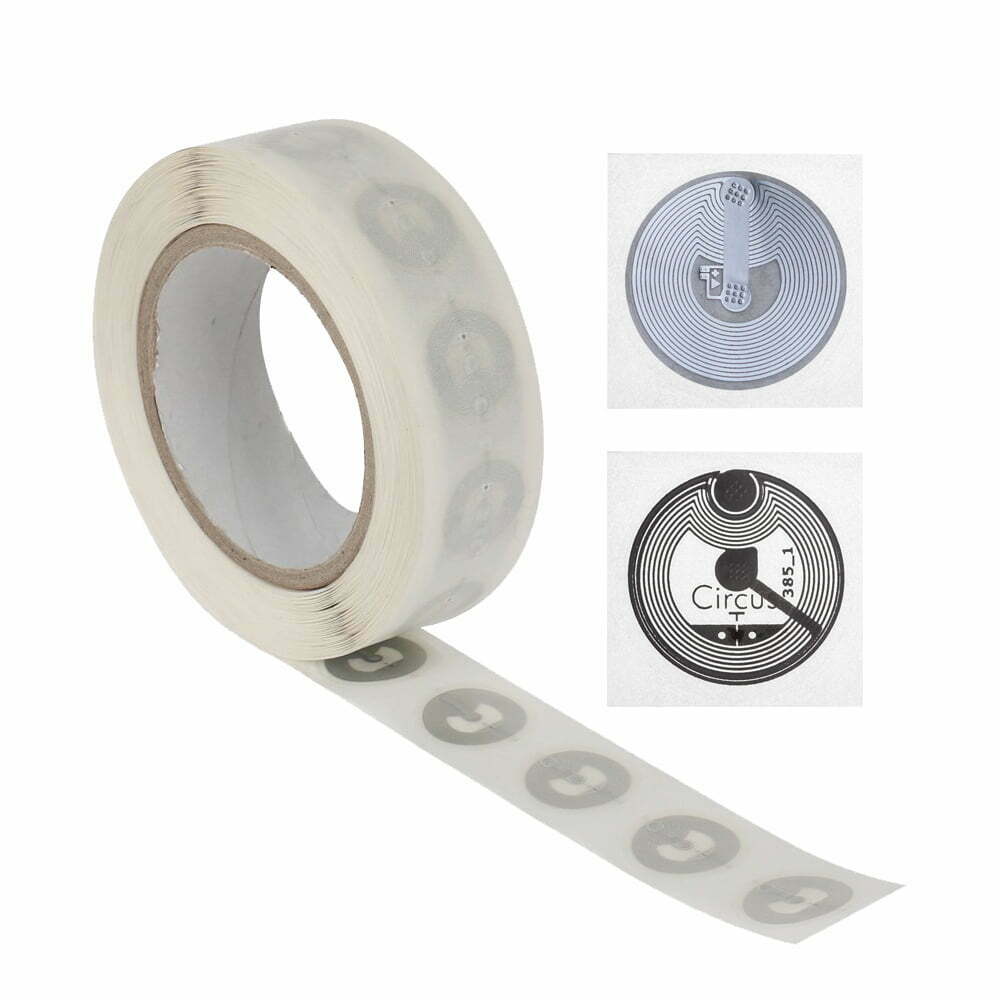
- 더 칩 (집적 회로): 데이터를 저장하고 통신 프로토콜을 처리하는 작은 마이크로칩.
- 안테나: 철사 코일 (보통 구리 또는 알루미늄) 칩을 둥글게 만드는 것. 이 코일은 리더기로부터 전파를 포착하여 칩에 전원을 공급합니다..
- 기판: 보호 재료 (상표, 플라스틱 카드, 아니면 실리콘) 구성요소를 하나로 묶어주는 역할.
3. NFC 태그의 일반적인 유형
메모리 크기 및 보안 기능에 따라 다름, 태그는 칩 유형에 따라 분류됩니다.. 가장 일반적인 것은 NTAG 시리즈입니다. (NXP에서 제조):
- NTAG213: 표준 메모리 (144 바이트). URL 및 간단한 트리거에 적합.
- NTAG215: 중간 메모리 (504 바이트). 이것은 Nintendo Amiibo에 사용되는 특정 칩입니다..
- NTAG216: 대용량 메모리 (888 바이트). 전체 명함에 사용됩니다. (vCard) 또는 복잡한 데이터.
4. 실제 사례
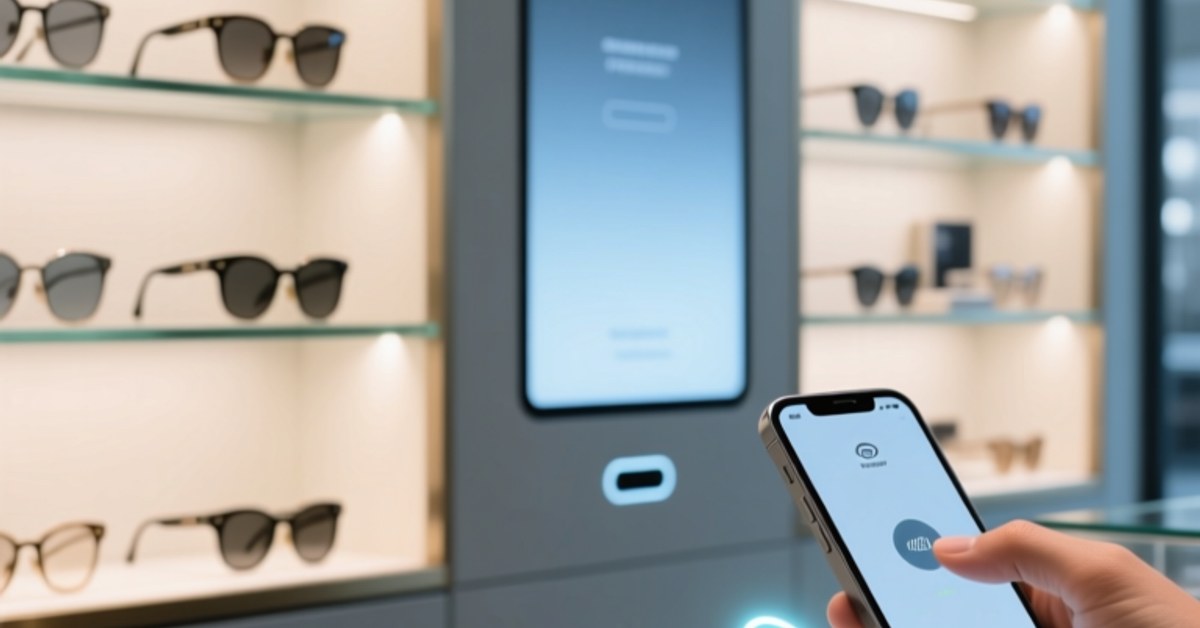
- 마케팅 & 소매: 에이 “스마트 포스터” 휴대폰을 탭하여 할인 코드를 받거나 제품 동영상을 볼 수 있는 곳.
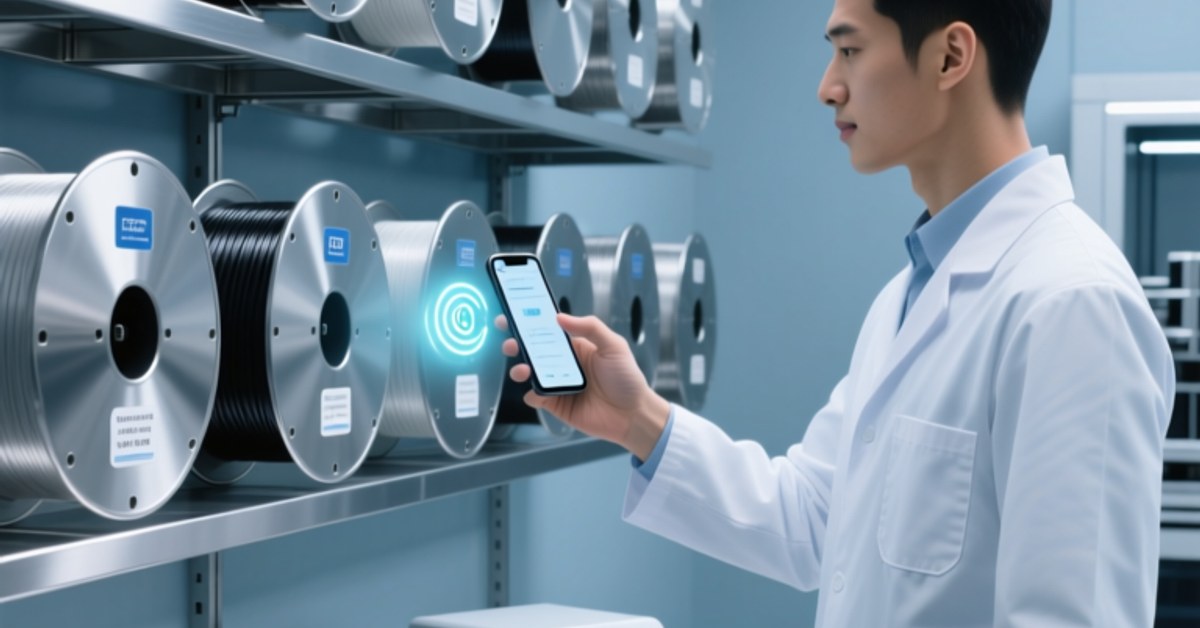
- 기호 논리학 & 공급망: 재고 추적을 위해 자산이나 의류에 부착되는 내구성이 뛰어난 태그.
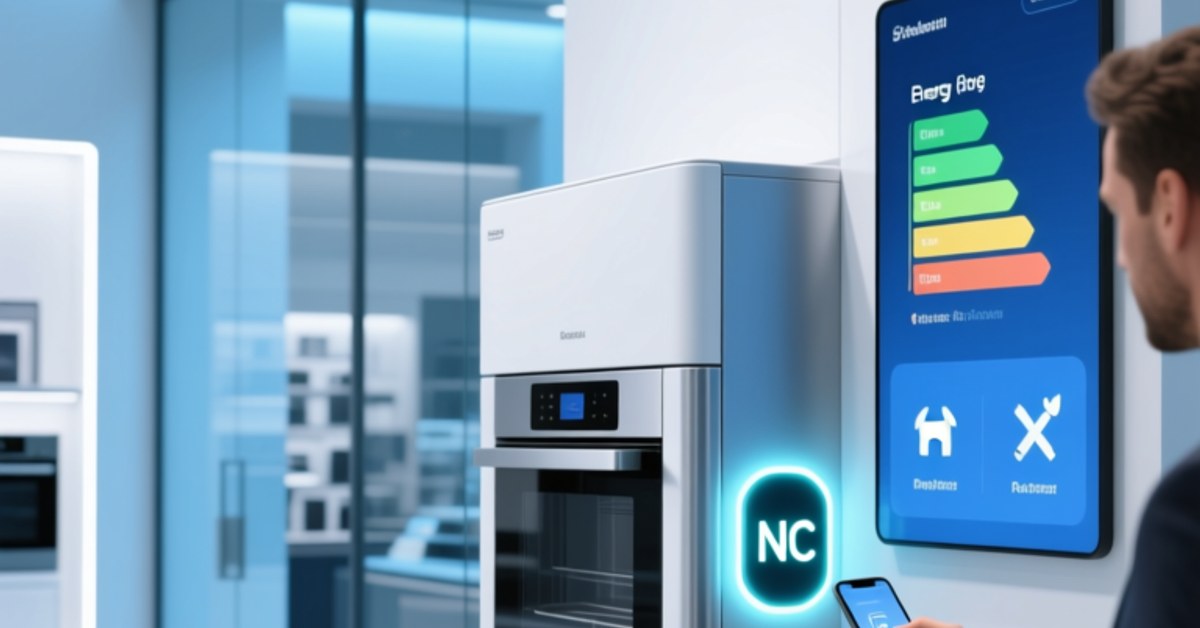
- 스마트 홈 자동화: 휴대전화를 자동으로 설정하는 침대 옆 탁자 스티커 “방해하지 마세요” 탭하면 조명이 꺼집니다..
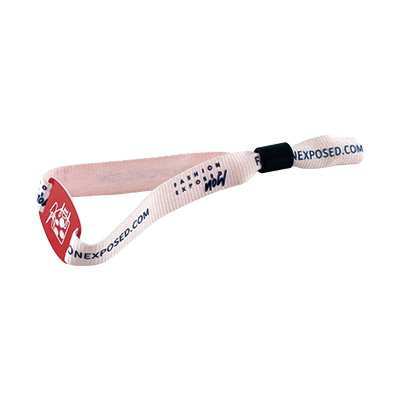
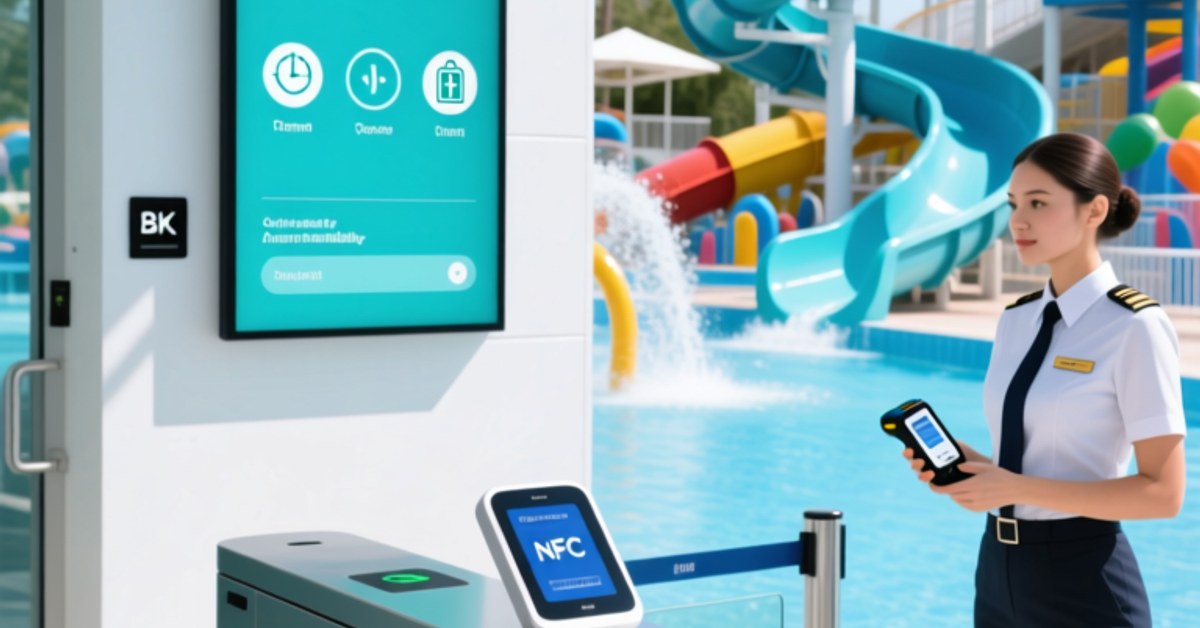
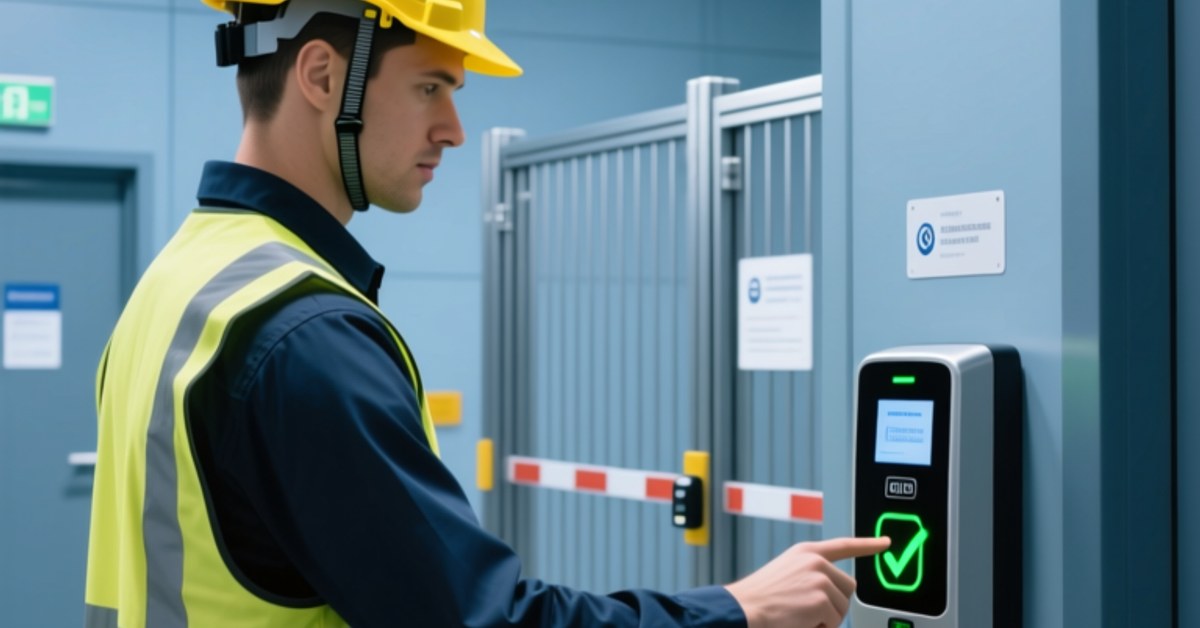
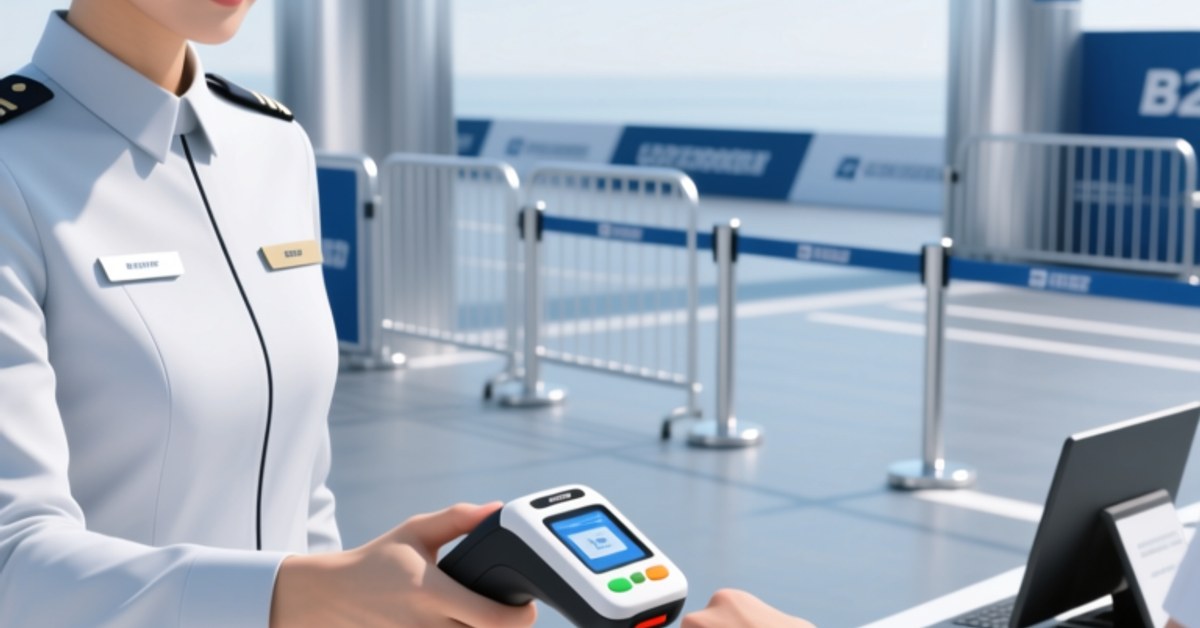
- 접근 제어: 음악 축제용 실리콘 손목 밴드 또는 체육관 입장용 플라스틱 전자열쇠.
- 위조 방지: 마이크로 태그 명품에 내장된 (핸드백, 와인, 운동화) 진정성을 증명하기 위해.
5. 내가 직접 쓸 수 있나요??
예. 다른 많은 기술과 달리, NFC가 개방적이고 접근 가능합니다.. 공백으로 구매하시면 됩니다 NFC 스티커 또는 카드를 사용하고 무료 스마트폰 앱을 사용하세요. (NFC 도구와 같은) 에게 “쓰다” 그들에게 데이터. 일단 쓰여지면, 데이터를 변경할 수 없도록 태그를 잠글 수 있습니다., 또는 다시 쓰기 위해 열어두었습니다..
요약: NFC 대. RFID
모든 NFC는 RFID (무선 주파수 식별), 모든 RFID가 NFC는 아닙니다.
RFID는 장거리에서도 작동할 수 있습니다. (미터) 고속도로 통행료 태그 같은 것에 사용됩니다..
NFC는 보안을 위해 설계된 특수 하위 집합입니다., 근거리 상호작용, 결제 및 개인 데이터 교환이 훨씬 더 안전해졌습니다..
자세한 정보,제발 저희에게 연락하십시오.