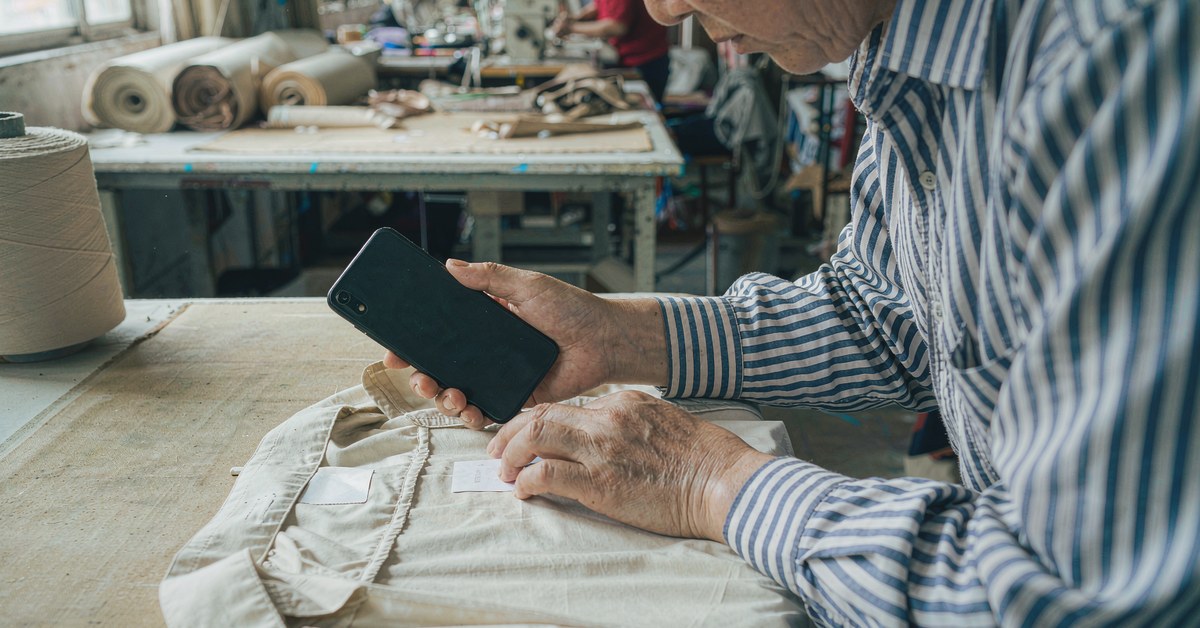
Vietnamese garment factories can prepare item-level NFC data for the EU textile DPP by assigning each garment or pack a washable NFC identifier and linking it to a structured record containing fibre composition, materielle Herkunft, chemische Compliance, Pflege- und Reparaturhinweise, und End-of-Life-Routing. The tag must survive industrial laundering and finishing, so washable HF inlays or hard tags rated for the actual wash temperature are required. Item-level encoding preserves smallholder and lot separation; batch-level encoding reduces cost where the buyer accepts it.
Vietnam’s cut-make-trim sector supplies many European apparel programmes. As DPP requirements phase in, factories are being asked for structured product data at SKU or item level rather than a shipment-level declaration.
The engineering constraint is the washing and finishing process. A tag that reads perfectly on a flat inlay may fail after dyeing, enzyme wash or industrial laundering. The textile DPP model in textile DPP and the hardware guidance in washable RFID hardware guide cover both sides.
Textile DPP Fields a Vietnamese Factory Must Hold
Buyers typically request fibre composition percentages, material and mill origin, Erklärungen zu eingeschränkten Stoffen, Pflege- und Reparaturanleitung, Informationen zur Haltbarkeit, recycled content and end-of-life routing.
Agree the Field List Before Production
Field requirements vary by brand and product group. Confirm the schema and identifier format at the sampling stage, because retrofitting an identifier scheme after cutting begins is expensive. The carrier comparison in QR to RFID DPP carriers explains why many programmes upgrade from QR to RFID/NFC.
- Faserzusammensetzung und Materialherkunft pro SKU oder Charge.
- Chemikalienkonformität und Erklärungen zu eingeschränkten Stoffen.
- Pflege, repair and spare-part information.
- Recycled content and end-of-life routing.
- Stable identifier that survives finishing and distribution.
Washable NFC Hardware Selection
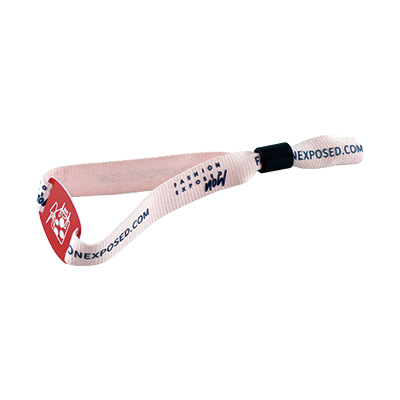
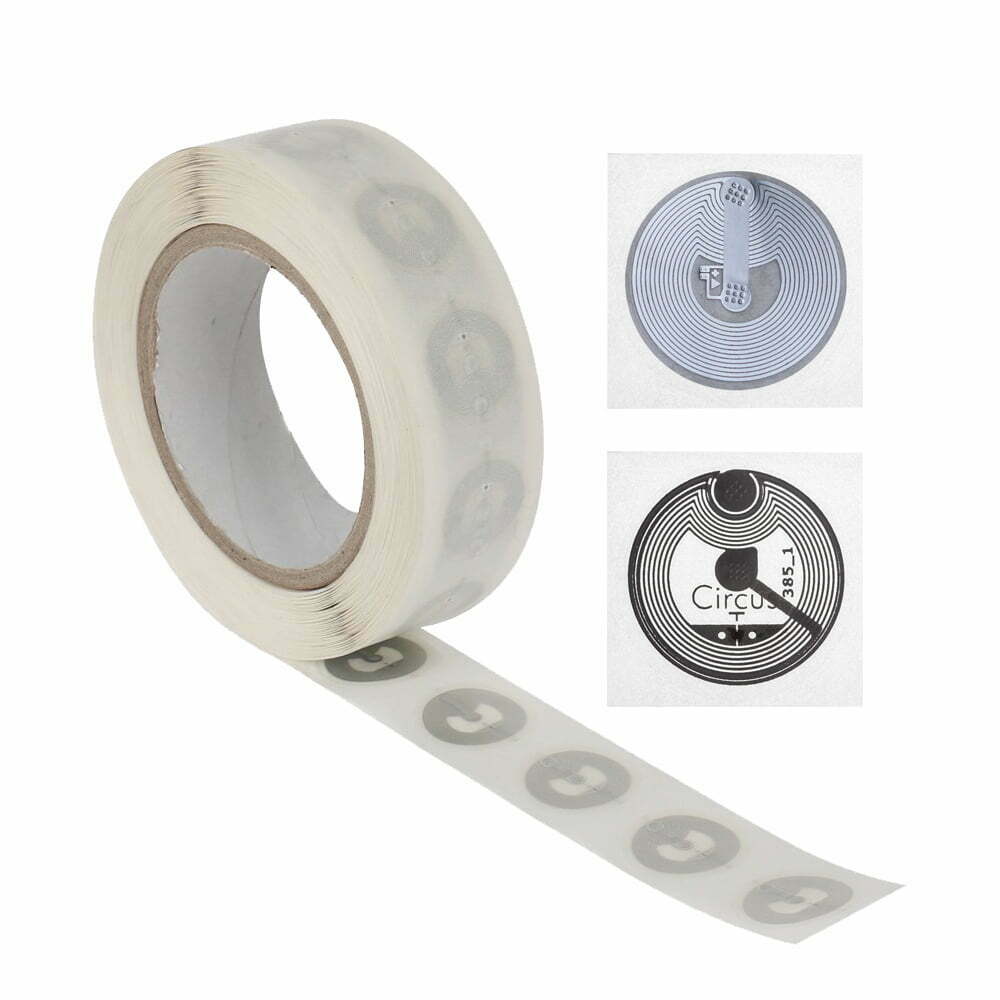
Tag construction must match the finishing process. Woven HF inlays, silicone-encapsulated tags and hard tags each have different temperature, detergent and abrasion limits.
| Hardware | Typische Passform | Validation needed |
|---|---|---|
| Woven washable HF inlay | Sewn-in care label, everyday garments | Domestic wash cycles, Reinigungsmittel, Bügeln |
| Silicone-encapsulated tag | Workwear, Uniformen, high-abrasion items | Industrial wash temperature and chemicals |
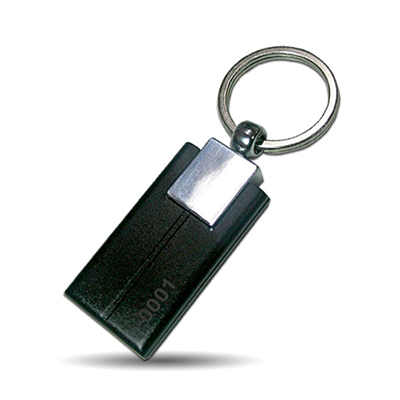
| Hard tag / button tag | Reusable or high-value items | Attachment method and removal at recycling |
| Printed QR only | Low-cost fallback | Legibility after washing and folding |
Item-Level vs Batch-Level Encoding
Item-level tags preserve separation between lots and support resale, repair and warranty programmes. Batch-level tags are cheaper and simpler, but the buyer must accept that individual garments cannot be distinguished.
Running a Pilot Line
Pilot one style with one buyer. Tag a few hundred garments, run them through the real finishing process, and measure read rate at packing and again after a wash cycle. Confirm the buyer’s resolver resolves the identifier correctly before scaling.
- Choose the tagging unit with the buyer, not unilaterally.
- Validate read rate after the actual finishing process.
- Test through repeated domestic or industrial wash cycles.
- Confirm the buyer system resolves the identifier.
- Define a fallback for unreadable tags at packing.
Operational and Cost Considerations
Add a tap-and-verify step at packing rather than mid-line, keep tag content minimal, and budget for inlays, encoding and a short verification routine. The cost is small relative to a rejected shipment or failed brand audit.
Building a Reusable Data Model
Factories serving multiple European brands should maintain one internal product-data model mapped to each buyer’s template, rather than separate datasets per customer.
Suppliers that can demonstrate validated wash durability and clean data handover are better positioned as DPP requirements extend across more product groups.
FAQ
Does every garment need its own NFC tag?
Nicht unbedingt. Item-level tags support resale, repair and lot separation; batch or pack-level identifiers are cheaper where the buyer accepts coarser granularity. Agree with the buyer.
Can NFC tags survive industrial laundering?
Nur wenn angegeben und validiert. Use washable HF inlays or silicone-encapsulated tags rated for the actual temperature and detergents, and test through repeated cycles.
Is NFC mandatory for the textile DPP?
NEIN. The DPP requires a data carrier, not a specific technology. NFC is selected for wash durability, tap convenience and authentication; QR is a common fallback.
What data must the factory supply?
Typically fibre composition, materielle Herkunft, chemische Compliance, Pflege- und Reparaturanleitung, Haltbarkeitsinformationen und End-of-Life-Routing, mit einer stabilen Kennung verknüpft.
When should the identifier scheme be agreed?
At sampling stage, before cutting and finishing begins. Retrofitting an identifier scheme mid-production is costly and creates data inconsistencies.
Equip Your Garment Line for Textile DPP
NFCWORK Technology supplies washable NFC inlays, silicone-encapsulated tags, NFC -Aufkleber and readers for apparel DPP programmes. We can help you validate wash durability and define the identifier scheme for your buyer.
Kontaktieren Sie uns um Ihre Anforderungen zu besprechen, oder erkunden Sie unsere NFC-Produkte Und Lösungen.