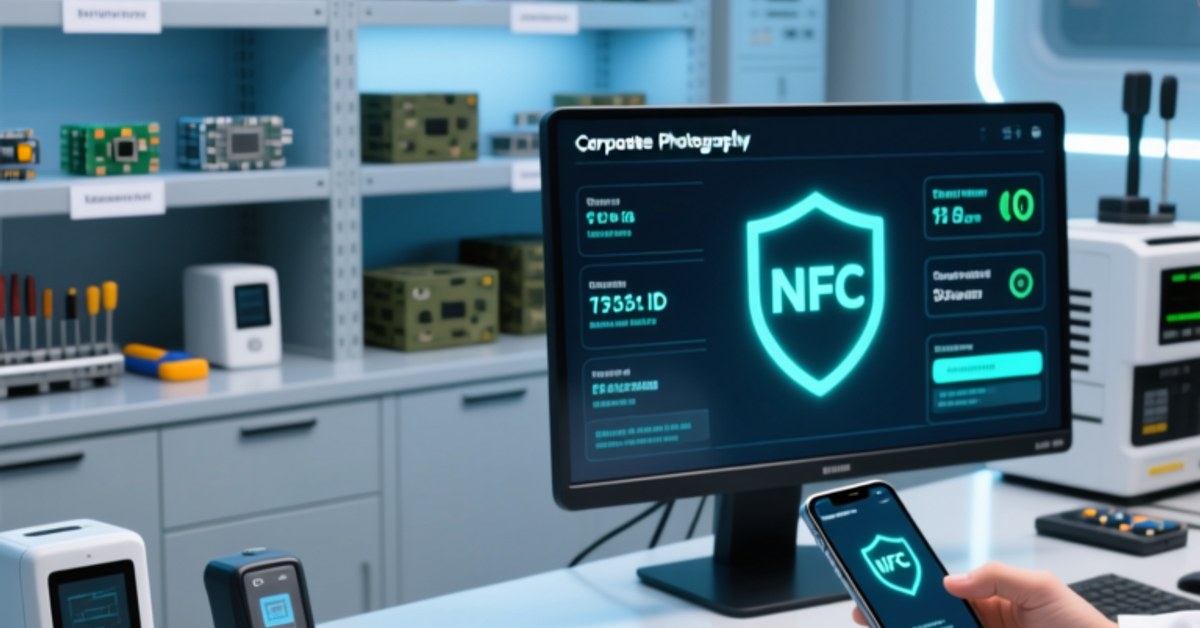
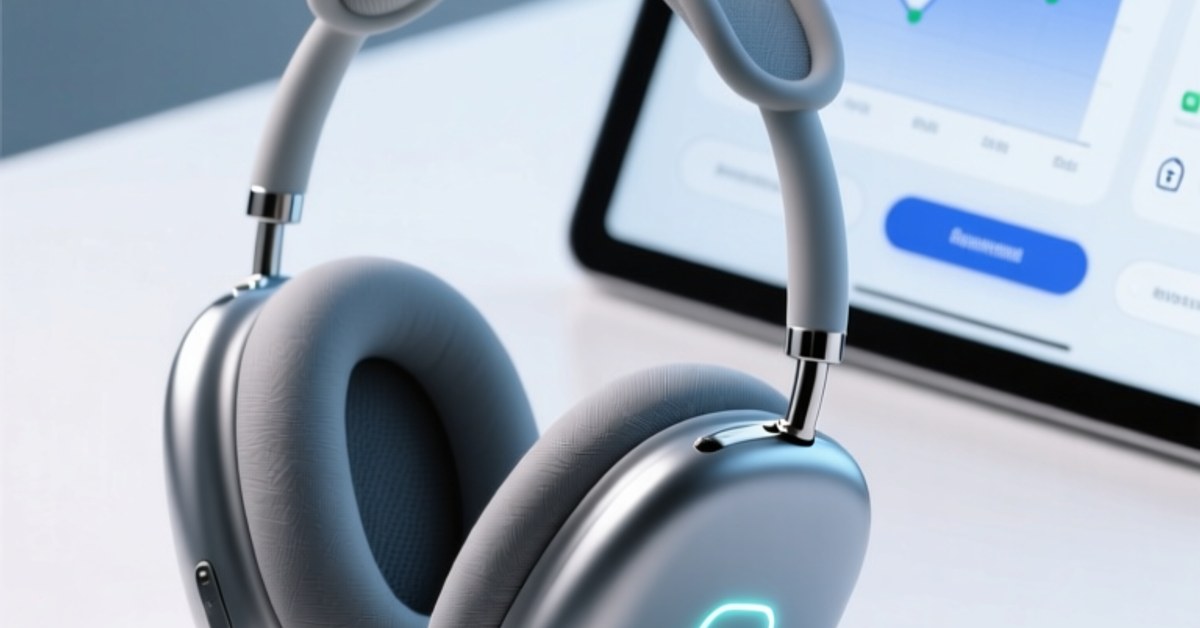
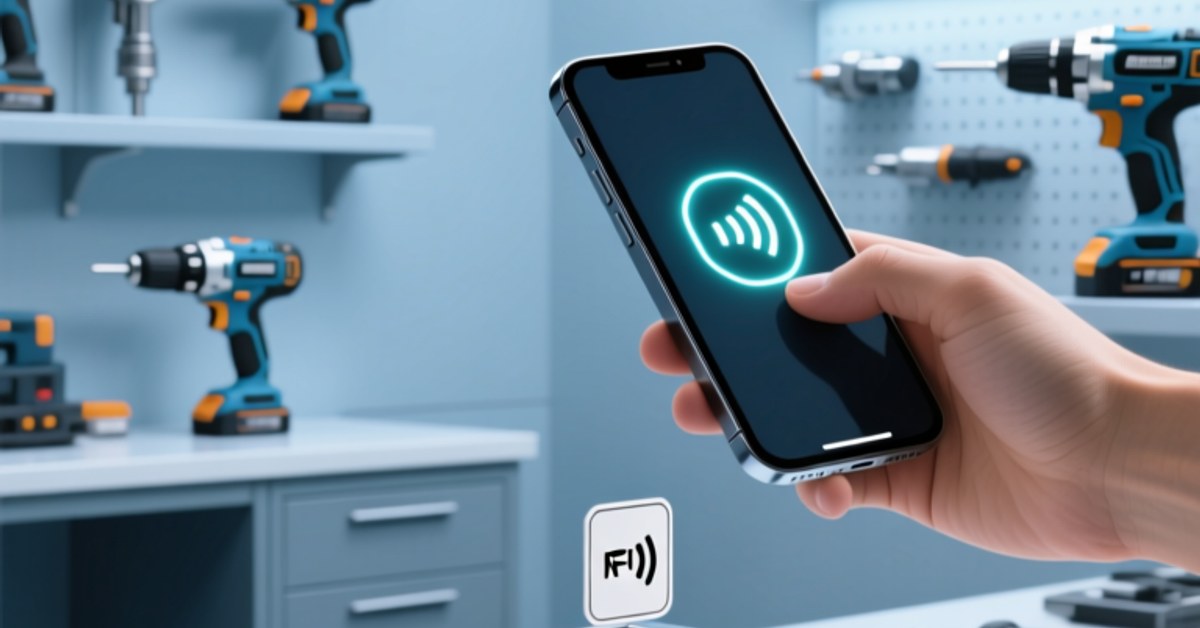
Chinese electronics OEMs can prepare for the EU Ecodesign Digitaler Produktpass by assigning each product or component a stable NFC identifier that resolves to a structured record containing product identity, material and substance declarations, energy and durability information, repairability and spare-part data, und Anweisungen zum Ende der Lebensdauer. Because the passport record must remain updatable through warranty and repair, the tag should hold only an identifier rather than the full dataset. NFC adds tap-based access and cryptographic authenticity that a printed code cannot match.
Ecodesign rules are moving from energy labels to full product lifecycle data. For contract manufacturers, this changes the deliverable: the EU brand owner needs structured, machine-readable product data at the point of shipment, not a PDF datasheet.
The challenge is granularity. A finished device contains hundreds of components, and the passport may need to reference repairable parts individually. The approach in electronics DPP rules shows how a small on-product identifier resolves to a layered record.
What Ecodesign DPP Data Electronics OEMs Must Provide
The passport covers product identification, Compliance-Dokumentation, material and substance information, durability and repairability, spare-part availability, energy performance and end-of-life handling. Exact field sets vary by product group and are phased in.
Timing and Scope
The ESPR working plan phases product groups over several years, with ICT and electronics among the categories under development. Exporters should confirm the current timeline for their specific product group with the EU importer rather than relying on a single published date.
- Product and model identification with a stable unique identifier.
- Material composition and substance declarations.
- Reparierbarkeitsbewertung, spare-part and service information.
- Energy performance and durability data.
- Take-back, dismantling and recycling instructions.
NFC as an Interactive DPP Carrier
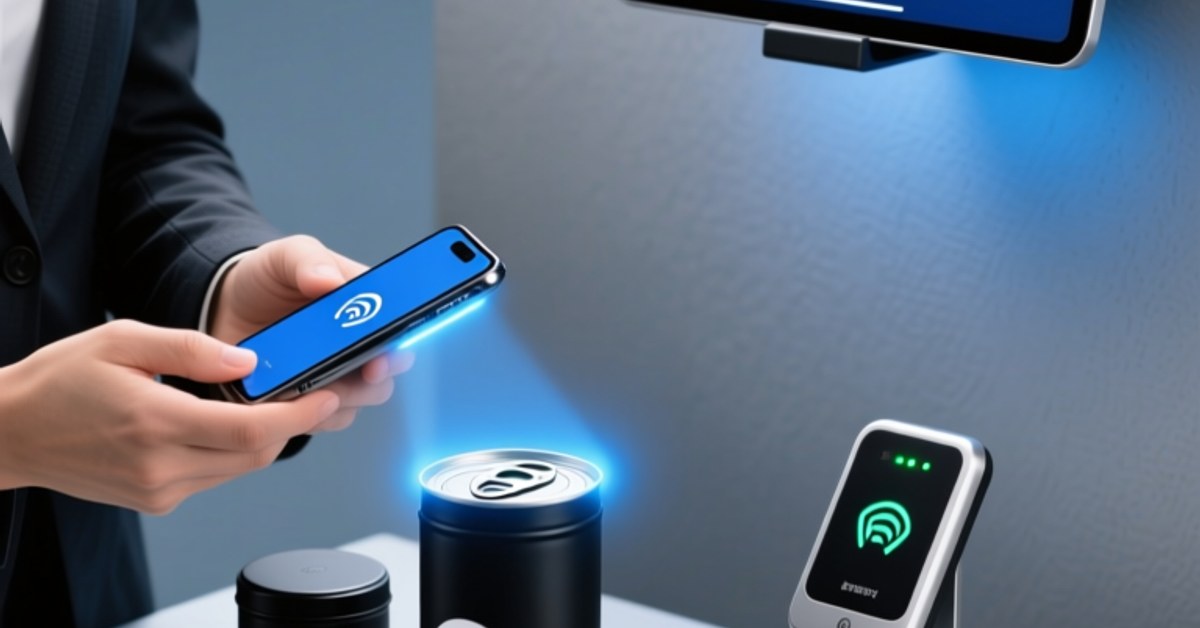
A DPP for electronics is not a static label. Consumers tap for manuals and warranty, repair centres tap for part compatibility, and recyclers tap for material and dismantling data. NFC supports all three without exposing a printed code that can be copied.
| Benutzer | What they tap for | Data resolved |
|---|---|---|
| Verbraucher | Handbuch, Garantie, Authentizität | Model data, Garantiestatus, verification result |
| Repair centre | Part compatibility and service history | Spare-part list, Reparaturveranstaltungen, component genealogy |
| Distributor / Importeur | Compliance evidence | Declarations, substance data, energy label |
| Recycler | Dismantling and material recovery | Materialzusammensetzung, battery location, take-back route |
Component-Level Traceability Inside the Device
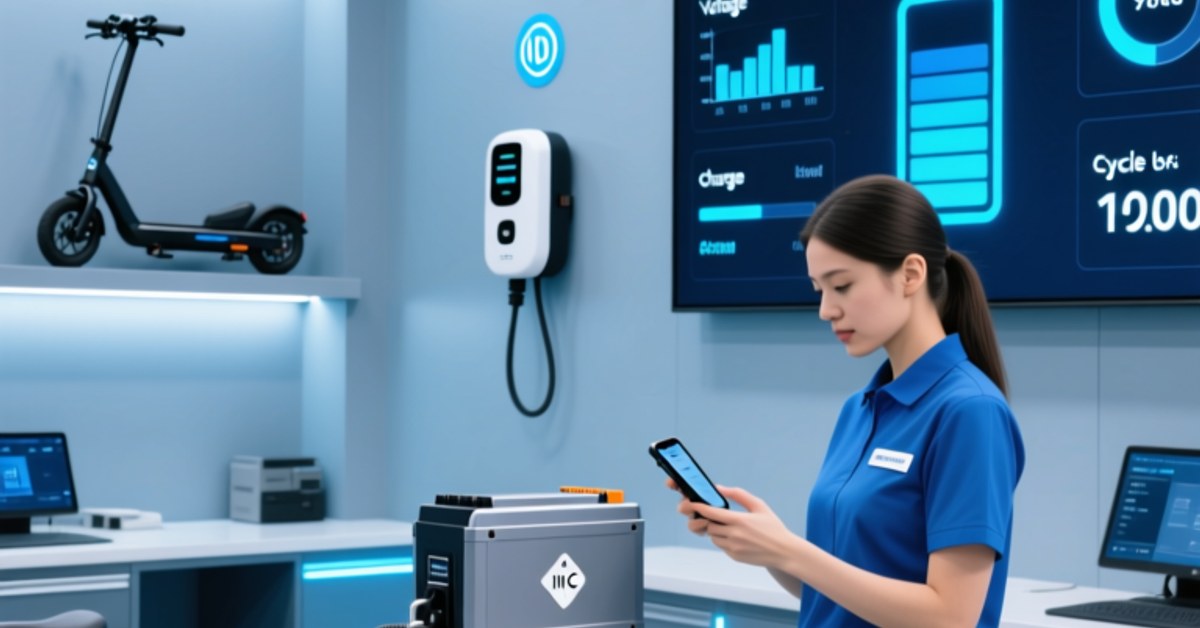
For high-value or safety-critical assemblies, OEMs may need component genealogy rather than just a device-level record. NFC-Tags on modules, combined with production data, allow a recall to be scoped to a specific batch rather than an entire product line.
Encoding and Data Handover
Agree an identifier scheme and an encoding process with the brand owner before production. The comparison in electronics DPP scenarios explains why an interactive RFID/NFC system differs from a QR-only label, Und interactive RFID/NFC DPP systems covers lifecycle traceability in practice.
- Define whether the identifier is device-level, module-level or both.
- Agree who writes records and who may only read them.
- Validate reads through metal shielding, housings and batteries.
- Include a warranty and repair update path in the data model.
- Test the identifier with the importer’s DPP resolver before volume.
Turning Compliance Into After-Sales Value
Once a product carries a resolvable identifier, the same infrastructure supports warranty registration, counterfeit-accessory control and service history. That reduces after-sales cost and creates a direct channel to the end customer.
Avoiding a Compliance-Only Mindset
OEMs that treat the DPP as a one-time export document rebuild the same data pipeline for each new product group. Those that build a reusable identifier and record service early can extend it across the portfolio.
The commercial case is straightforward: better product data shortens customs and buyer audits, reduces warranty disputes, and gives brand owners a reason to consolidate suppliers.
FAQ
Is NFC mandatory for the EU electronics DPP?
NEIN. The regulation specifies a data carrier, not a single technology. NFC is selected where tap convenience, durability and authentication matter; QR is a common low-cost fallback.
When do Ecodesign DPP rules apply to electronics?
Product groups are phased in under the ESPR working plan, with ICT and electronics under development. Confirm the current timetable for your specific category with your EU importer.
Should the identifier cover the device or individual components?
Both are possible. Device-level identifiers serve consumers and compliance; module-level identifiers support repair, recalls and component genealogy for high-value assemblies.
Can the DPP record be updated after sale?
Ja, and it should be. Warranty status, repair events and service history are dynamic fields. The tag should hold a stable key resolving to an updatable record.
How does DPP help with counterfeit accessories?
A verifiable on-product identifier lets users and service centres distinguish genuine accessories from copies, reducing warranty claims and safety risk.
Prepare Your Electronics Line for Ecodesign DPP
NFCWORK Technology supplies NFC-Tags, on-metal NFC labels, HF RFID inlays and encoders for electronics DPP and warranty programmes. We can help you define the identifier scheme and validate reads on your actual housings and assemblies.
Kontaktieren Sie uns to discuss your requirements, oder erkunden Sie unsere NFC-Produkte Und Lösungen.