В одном художественном музее имеется более 30,000 произведения современного и актуального искусства, ранее управлялось с использованием бумажных регистров и штрих-кодов. Комплексная инвентаризация потребовала закрытия через две недели., мобилизация всего музейного персонала, и достижения точности всего около 85%. Записи об изменении места сбора задерживались., часто требуется несколько дней, чтобы найти конкретные работы. Более серьезно, во время кредитных выставок, существовали «слепые пятна» в мониторинге распространения произведений искусства, создавая огромное давление на безопасность и страхование. Для решения этих проблем, в 2023, этот художественный музей официально сотрудничает с RFIDHY запустить комплексный проект по оцифровке коллекций и модернизации смарт-складов RFID.
Реализация проекта была разделена на три этапа:
Первая фаза была “Назначение цифровой идентификации”
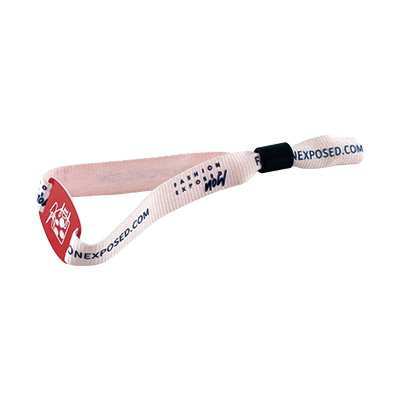
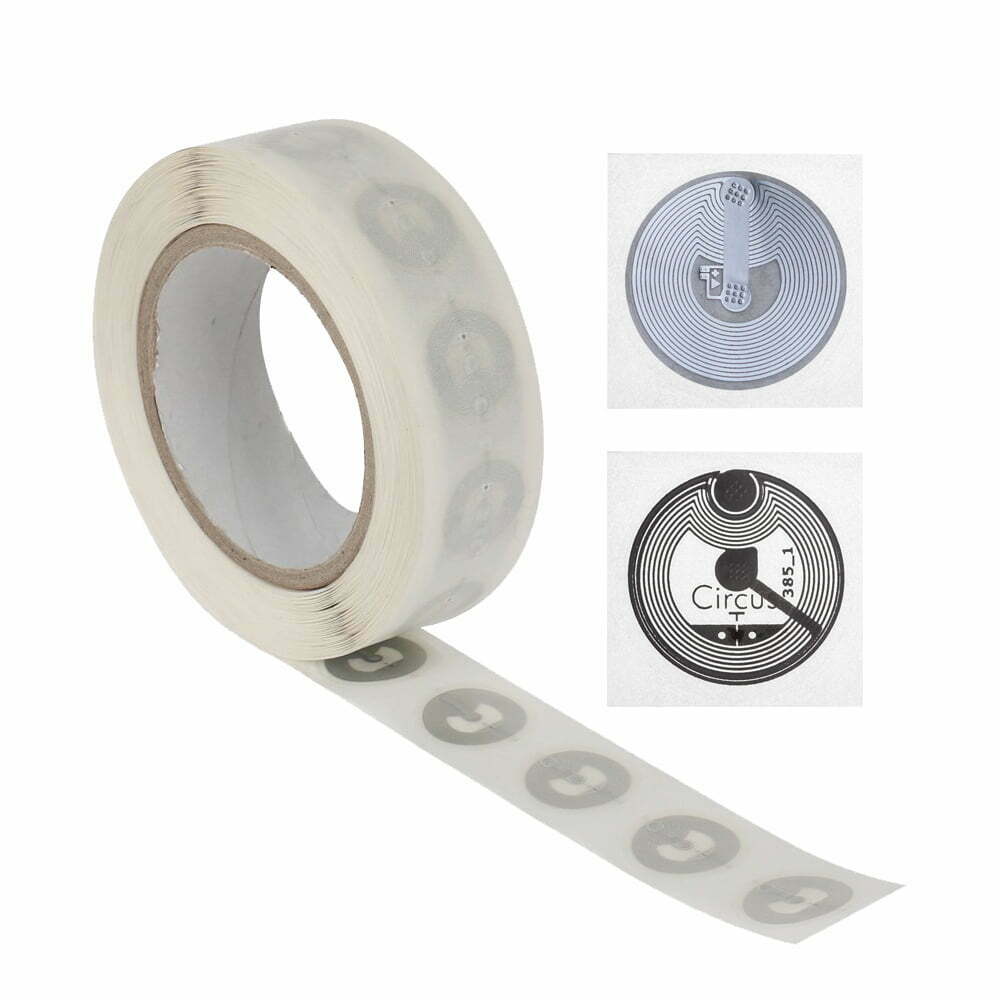
RFIDHYкоманда экспертов классифицировала и оценила коллекцию, настройка невидимого встроенного RFID -теги (для картин маслом в рамах) и носимые RFID-метки артефактов (для скульптур) для разных видов работ. Одновременно, завершен захват изображений высокой четкости и структурированный ввод основной информации для всех работ., создание полного цифрового архива на “Отслеживание” платформа.
Второй этап был “Развертывание умной среды”
В новом складском помещении, все интеллектуальные мобильные стеллажи со встроенными антенными решетками полочного типа RFID, возможность визуализации местоположения коллекции в режиме реального времени. На входах в склад установлены высокочувствительные RFID-двери, автоматическая запись всех действий при входе и выходе.
Третий этап был “Реинжиниринг процессов”
Персоналу были предоставлены портативные RFID-устройства промышленного уровня для инвентаризации., и весь рабочий процесс от получения, инвентаризация, поиск на выставку оптимизирован на основе новой системы.
Результаты проекта
Первый, эффективность запасов выросла качественно: весь период инвентаризации сократился с 15 Дни до 2 дни, и точность увеличилась до более чем 99.8%.
Во-вторых, система позволяет “поиск в один клик” для местоположения артефакта. При вводе имени в систему моментально отображается местоположение на передвижном стеллаже., включая номер полки, сокращение времени поиска в среднем с нескольких часов до минут.
В-третьих, он обеспечивает замкнутое управление отслеживанием культурных реликвий на протяжении всего процесса. С момента первого выпуска, транспорт, выставка, к его возвращению, автоматически записывается траектория движения и временные метки любого произведения искусства, формирование неопровержимой цепочки аудита. Это значительно снижает человеческие ошибки и риски., что приводит к снижению страховых взносов. Этот проект стал эталоном интеллектуального строительства художественных музеев в Китае..
Будущее
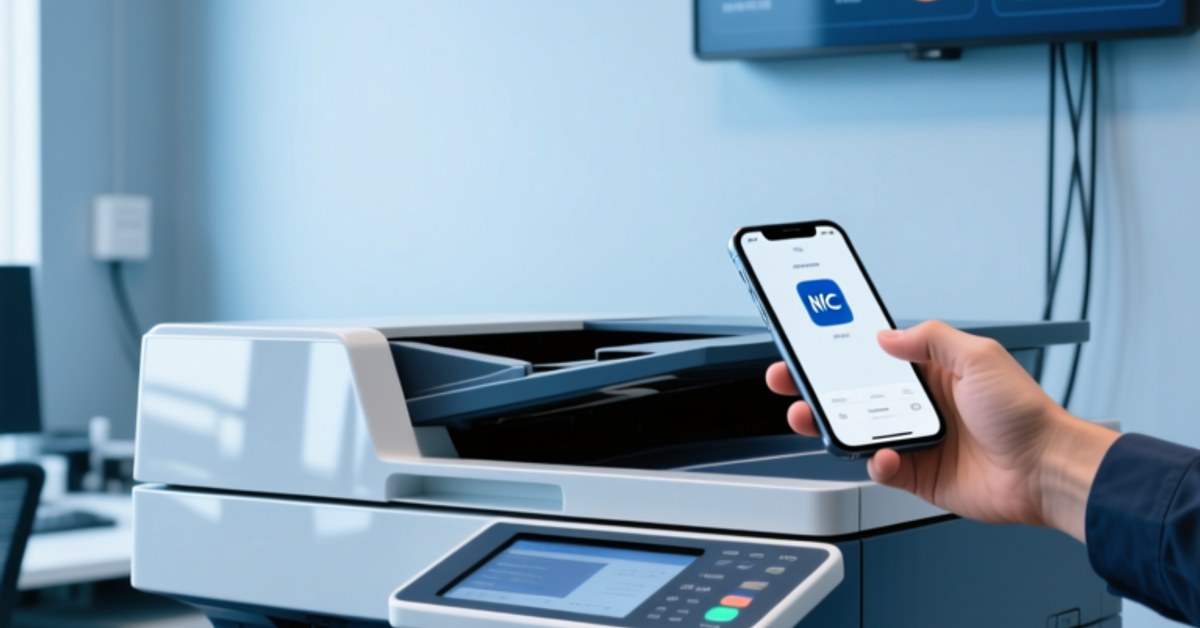
На основе этой системы музей планирует разработать интерактивные экскурсии.. В будущем, посетители могут пользоваться своими мобильными телефонами’ Функция NFC позволяет приближаться к произведениям искусства в авторизованных местах и получать доступ к более разнообразным мультимедийным объяснениям., истории создания, и даже рекорды прошлых выставок, обновление статических дисплеев до глубоко интерактивного опыта. Именно в этом заключается расширенная ценность интерактивной системы интеллектуального музея на основе RFID..
Для получения дополнительной информации,пожалуйста связаться с нами.