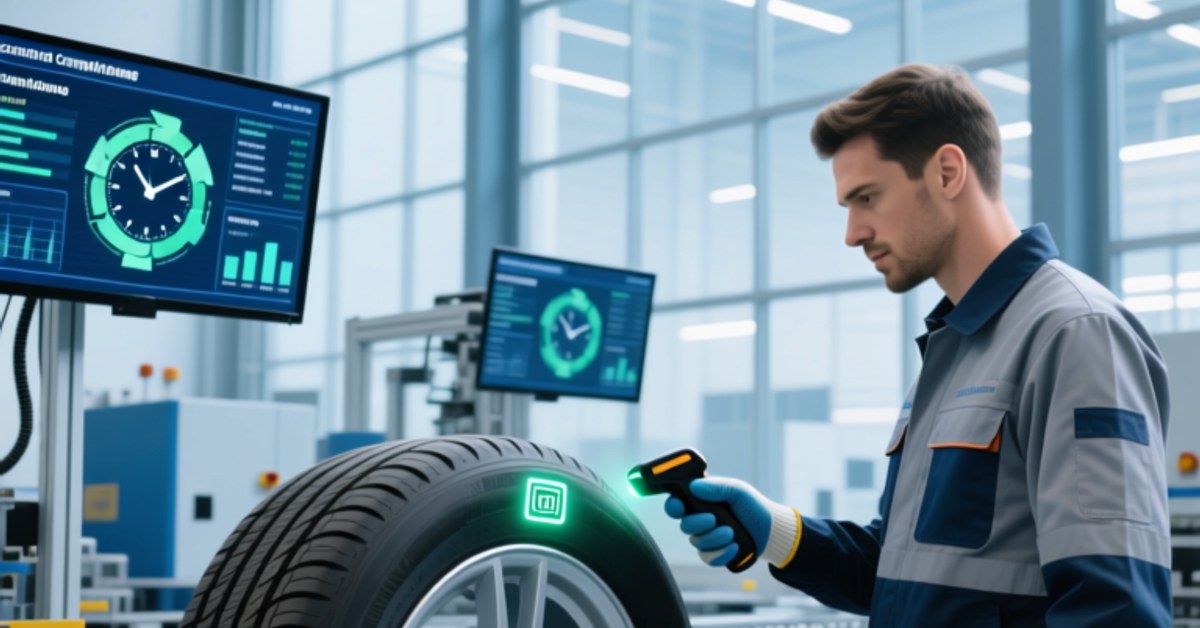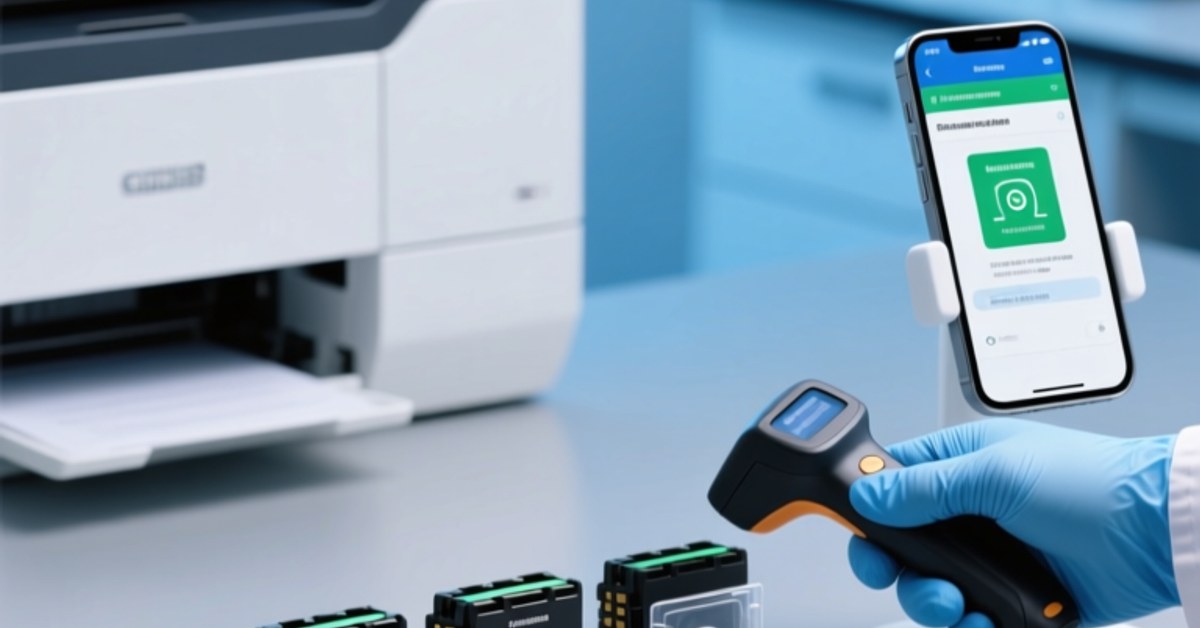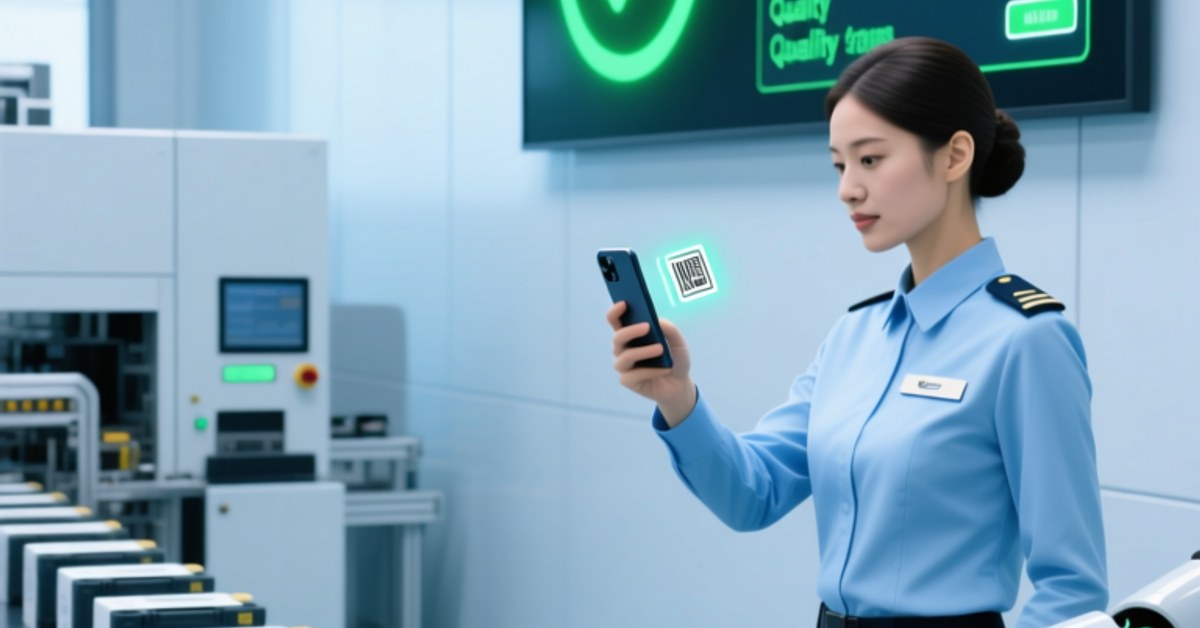
建設中, 産業メンテナンス, そして大規模な作戦, 個人用保護具 (PPE), ヘルメットなどの, 人工呼吸器, 安全ベルト, 手袋, そして防護服, 多くの場合、一度限りの購入ではなく、レンタルまたは共有モデルを通じて提供されます. このレンタル モデルは初期投資を削減し、循環経済の目標に沿ったものになります。. しかし, 重要な課題が発生する: 衛生的にはどうすればよいですか, 寿命, メンテナンス履歴, 各 PPE の使用頻度と確実に監視される?
PPEのRFID資産追跡, というコンセプトと組み合わせて、 デジタル製品パスポート (DPP), 強力なソリューションを提供できる. 各 PPE には耐久性のあるラベルが貼られています。, 洗える RFID洗濯タグ またはRFID PPEタグ, それぞれの使用を許可する, クリーニング, 修理イベントを一意に識別して記録する. これにより安全な再利用が可能になります, より効率的な利用, および安全基準の遵守.
この記事では、その方法について説明します RFIDタグ ライフサイクル監視と DPP の統合により、次世代の PPE レンタルおよび再利用プログラムを促進できます, データも含めて, 利点, 課題, そしてベストプラクティス.
PPE のレンタルおよび再利用プログラムにおける課題
衛生と洗浄のトレーサビリティ
レンタル用個人用保護具システムの場合, 各機器を掃除する必要がある, 消毒された, または再利用する前に洗濯する. しかし, アイテムレベルの追跡なし, どの PPE が洗濯されたかを保証するのは困難です, いつ, 何回, または品質検査に合格したかどうか. このデータを無視すると、PPE が安全限界を超えて使用される可能性があります.
使用状況と摩耗の追跡
PPE の各部分, 全身ハーネスや人工呼吸器用キャニスターなど, 寿命は有限であり、使用時間で測定されます, 洗濯サイクル, またはストレスイベント. 一意の識別子がない場合, オペレータはどのアイテムが耐用年数の終わりに達したかを見失う可能性があります. これにより、安全性と資産の信頼性が損なわれる可能性があります.
損失, ミスマッチ, と在庫の縮小
PPE は作業現場間で頻繁に輸送されます, 清掃設備, そして倉庫. 堅牢な追跡がなければ, アイテムは簡単に紛失したり、間違って割り当てられたりする可能性があります. 一部の産業用レンタル部門では, まで 3-5% 追跡が不十分なために毎年 の資産が失われている. (この数字は一般的なレンタル事業の方が一般的ですが、, 備品レンタルなど, それは何らかのコンテキストを提供します。)
コンプライアンス, ドキュメント, と監査可能性
規制当局や企業の安全監査では、多くの場合、個人用保護具が安全であることを文書で証明する必要があります。 (PPE) 標準に従って使用および維持されている. アイテムレベルの履歴なし, コンプライアンス報告は手動です, 間違いが起こりやすい, そして粒度に欠ける.
rfid + 個人用保護具向けの DPP ソリューション (PPE) レンタルと再利用
RFIDタグによる一意の識別
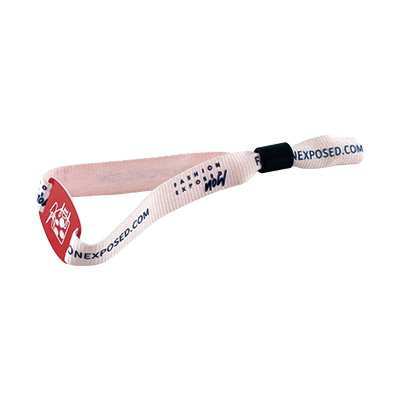
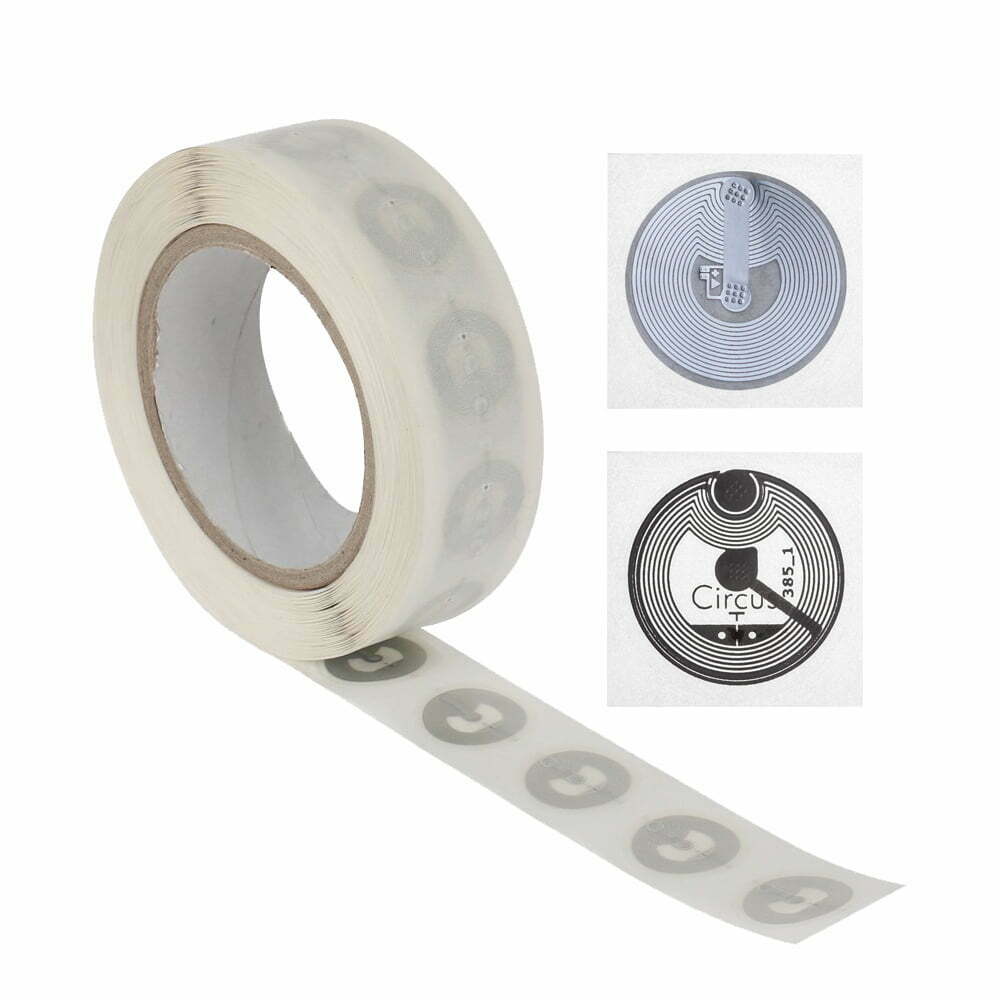
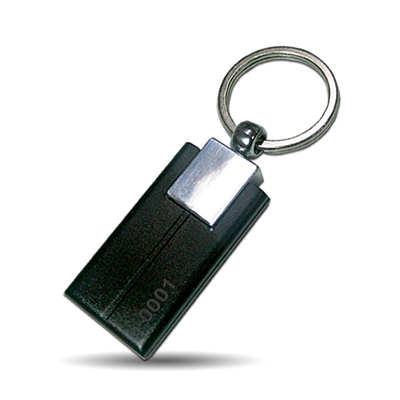
それぞれの個人用保護具 (PPE) 頑丈な超高周波を搭載 (UHF) RFIDタグ または滅菌に耐える洗濯グレードの RFID PPE タグ, 熱, 摩耗, および化学腐食. これにより、個人用保護具の RFID 資産追跡が可能になります (PPE) ライフサイクル全体を通して.
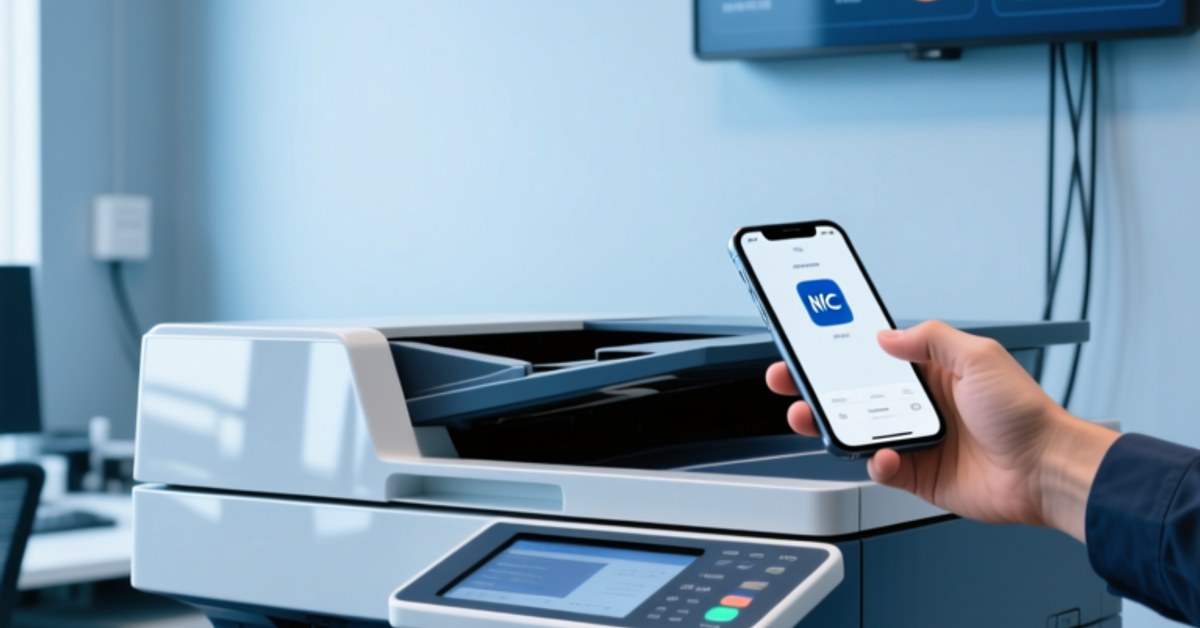
これらのタグは以下で使用できます RFID在庫システム およびRFIDレンタル管理システム, 見通し外のバッチ スキャンまたはアクセス制御スキャンを有効にする. これにより、チェックインとチェックアウトのプロセスが大幅にスピードアップします。.
ライフサイクル ログと DPP の統合
デジタル製品パスポート (DPP) 各 PPE ユニットに添付されるデジタル記録であり、 (または参考文献) 完全なライフサイクル履歴: 製造, 使用回数, クリーニングサイクル, 修理, 検査, そして最終的には, 退職. 本質的には, RFID タグの一意の ID は、クラウドまたはエッジ データベースの DPP レコードにマッピングされます.
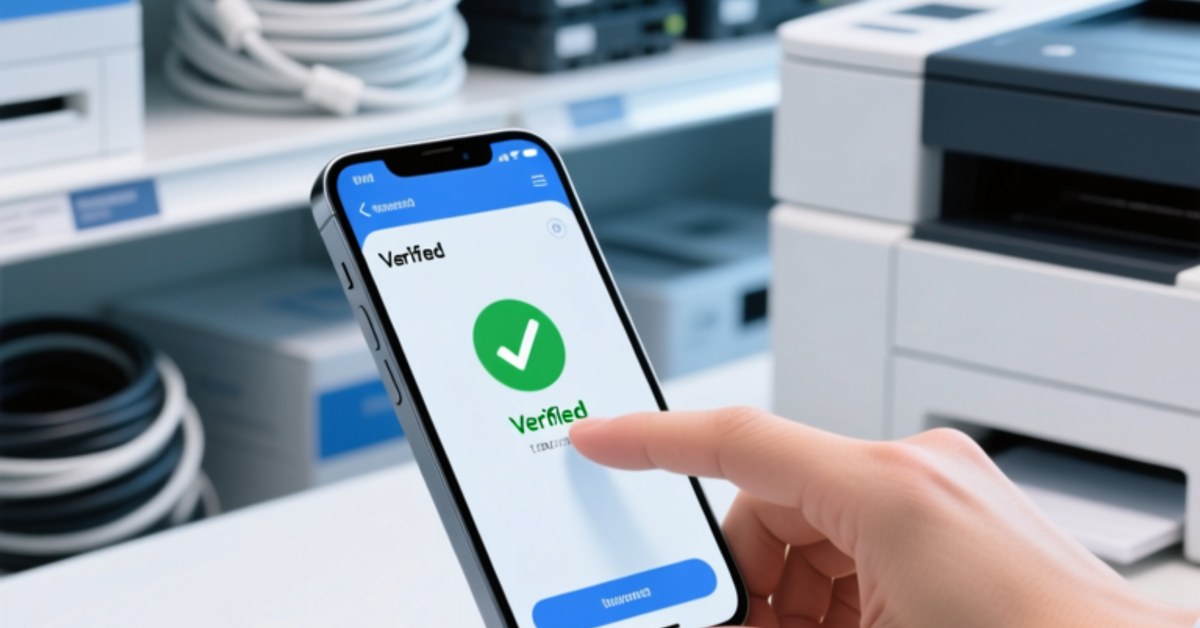
PPEをレンタルするたびに, 返されました, 掃除された, または修理された, リーダーがタグをキャプチャし、イベントをログに記録します (日付, 位置, 検査官ID, 状態). RFIDタグのライフサイクル監視です.
ワークフローの例
- 発行・チェックアウト: 作業者が PPE ユニットをスキャンする; システムは開始時刻と作業者 ID を記録します。.
- 使用と返品: 帰国時, アクセス制御リーダーがRFID PPEタグをキャプチャします, 使用期間の記録.
- 清掃・メンテナンス: ランドリーやサービスステーションで, RFIDタグが読み取られる, クリーニングカウントが増加します, そしてステータスが確認されました.
- 検査と再発行: DPP が、機器がまだ許可されたサイクル内にあり、目立った欠陥がないことを示した場合, 再びプールに入る. さもないと, 引退または修理のマークが付いています.
この閉ループ RFID レンタル管理により、各 PPE が安全パラメータの範囲内でのみ再利用されることが保証されます。.
RFIDHYの役割
RFIDHY 耐久性のある製品のメーカーです RFID洗濯タグ 過酷な産業環境に合わせて調整された組み込み可能な RFID トランスポンダー. RFID タグ ハードウェアを DPP システムと統合することで、顧客はフルスタックの PPE 追跡ソリューションを展開できるようになります.
利点
セキュリティとコンプライアンスの強化
再利用前に品目レベルの検査を実施することにより, このシステムは、使いすぎや気付かない損傷のリスクを最小限に抑えます。. 追跡可能な検査ログにより監査可能性とコンプライアンスをサポート.
資産活用の向上
オペレーターは、耐用年数の終わり近くまで PPE ユニットを最大限に再利用できます。, 不確実性を理由に時期尚早に破棄するのではなく、. 追跡にかかる限界コストは、より高い生産単位によって相殺されます。.
損失を削減し、在庫精度を向上させます
RFID在庫システムとRFIDレンタル管理システムを搭載, ユニットの不一致や紛失が大幅に減少します. 同様のレンタルの使用例, RFID技術の採用により、 60-80% 在庫縮小の削減.
労働力とプロセスの効率化
大量のタグ付きアイテムの自動スキャンにより、手動のデータ入力と在庫監査が削減されます。. RFID ゲートは 1 秒あたり数十のアイテムを処理できます. この効率性は一般的なレンタル業界やアパレルレンタル業界と同等のメリットがあります。.
ROI とコストの回避
RFIDタグ/リーダーと統合への初期投資にもかかわらず, 多くのレンタル会社は回収期間を次のように報告しています。 12-24 数ヶ月. 例えば, 1つの機器レンタルケースで, ある企業は RFID 自動化により数千工数を節約しました.
個人用保護具の場合 (PPE) レンタル, 回避されるコストには、早期の設備廃棄が含まれます, 規制上の罰則, 在庫損失, および手動監査.
循環経済と持続可能性
再利用追跡の改善により, 組織は責任を持って PPE アイテムの寿命を延ばすことができます, 循環経済の目標をサポートする, そして無駄を減らす.
実装のベストプラクティスと課題
タグの選択と耐久性
化学攻撃に耐えられる RFID 洗濯タグまたは RFID PPE タグを選択してください, 紫外線, 熱, または磨耗. タグの基材とパッケージは非常に重要です.
システム統合とソフトウェア
RFIDリーダー, ミドルウェア, DPP データベースは賃貸管理または ERP システムに統合する必要があります. リアルタイム同期により、最新のライフサイクル ステータスが保証されます.
読み取りの信頼性と干渉
金属, 水分, または高密度の生地が読み取り干渉を引き起こす可能性があります. 慎重なアンテナの配置とフィールドテストが必要です. (これは、医療および産業分野における一般的な RFID の課題です。)
データガバナンスとプライバシー
PPE ID には資産データのみが含まれますが、, 安全な送信と適切なアクセス制御を確保することが重要です. DPP レコードは暗号化および認証される必要があります.
変更管理とトレーニング
オペレーター, 保守員, セキュリティ担当者はタグをスキャンするように訓練されている必要があります, DPP 警告を解釈する, 例外処理を処理します.
Q&A — よくある質問
| Q | a |
|---|---|
| PPEのレンタルにRFIDは過剰か? | 大規模ではない. サイト全体で数百または数千のユニットを処理すると、, 手動追跡が失敗する. RFID は直線的にスケールします, 多くの場合、単位あたりの費用がかかります < 米ドル 1 数年にわたって. |
| RFID タグは過酷な化学洗浄に耐えることができますか? | はい — 現代的 RFID洗濯タグ そして 埋め込み型RFID PPEタグ 過酷な環境向けに設計されています. サプライヤーの好み RFIDHY 化学物質の検査, 紫外線, 耐摩耗性. |
| PPE ユニットは何回の洗浄サイクルに耐えることができますか? | PPEクラスによって異なります. DPP モデルを使用すると、しきい値制限を設定できます (例えば. 200 洗濯サイクルまたは 1,000 時間). 超えてしまうと, システムのリタイアフラグ. |
| 高密度 PPE スタックの読み取り信頼性はどのくらいですか? | 適切なアンテナ設計とシールドを使用する, 1 秒あたり 20 ~ 50 個の重複するタグを確実に読み取ることができます. 適切なキャリブレーションを備えたゲートリーダーまたはハンドヘルドが鍵となります. |
| このシステムを導入すると大金がかかるのか? | 初期費用は決して軽くない (タグ, 読者, ソフトウェア). しかし、多くのレンタル/アセット会社は、労働力の節約によって 1 ~ 2 年以内に ROI が達成されたと報告しています。, 損失の削減, より高い利用率. |
| DPP は単純な資産追跡とどう違うのですか? | RFID 資産追跡により、「いつ、どこで」がわかります。 DPP は完全な歴史的背景を提供します - 製造, メンテナンス, 検査, 修復 — リスクベースの再利用ロジックを有効にする. |
展望と今後の動向
- センサー付きスマートタグ: 次世代のRFIDタグには温度が組み込まれる可能性がある, 湿度, またはひずみセンサー, リアルタイムの状態認識の強化.
- ブロックチェーンベースの展開予測 (DPP): 信頼を高めるために, DPP 記録は改ざん防止台帳に保存される可能性があります.
- AI を活用した予測的廃止措置: 使用データと検査結果を組み合わせる, システムは故障リスクを予測し、事前に機器を撤去できます.
- 標準化と規制: 業界団体は個人用保護具用の標準化された DPP フォーマットを開発する可能性があります (PPE), 他の規制商品と同様.
- 鉱山における世界的な採用, 油 & ガス, および大規模建設業: 安全要件と資産規模により、導入は一般的な産業分野を超えて拡大される.
RFIDタグのライフサイクル監視を採用するレンタル会社や個人用保護具管理会社が増えるにつれて, DPP との統合は、イノベーションからベンチマークの期待に移行します.
結論
建設現場における PPE のレンタルと再利用モデルの台頭, 工業用, 安全性を重視した作業には信頼性の高い衛生追跡が必要です, 保険の利用, 監査可能性と. PPE の RFID 資産追跡と DPP ロジックを組み合わせることで, 組織は安全な再利用を強制できる, 損失を減らす, 使用率を向上させます, 循環経済の目標をサポートしながら.
RFIDサプライヤー RFIDHY のように、耐久性を提供することで重要な役割を果たします。, フィールド対応の RFID タグと DPP システムとのフルスタック統合の実現. エコシステムが成熟するにつれて, より迅速な導入が期待できます, より厳しい基準, よりスマートな PPE 再利用ネットワーク.
PPE のレンタルと再利用のための RFID 対応パイロット プログラムの設計にサポートが必要な場合 (またはタグを選択する, 読者, そしてソフトウェア), お気軽にどうぞ お問い合わせ—喜んでご指導させていただきます.
詳細については,お願いします お問い合わせ.