Киришүү: Agile стратегиясы менен санариптик көйгөйлөрдү чечүү
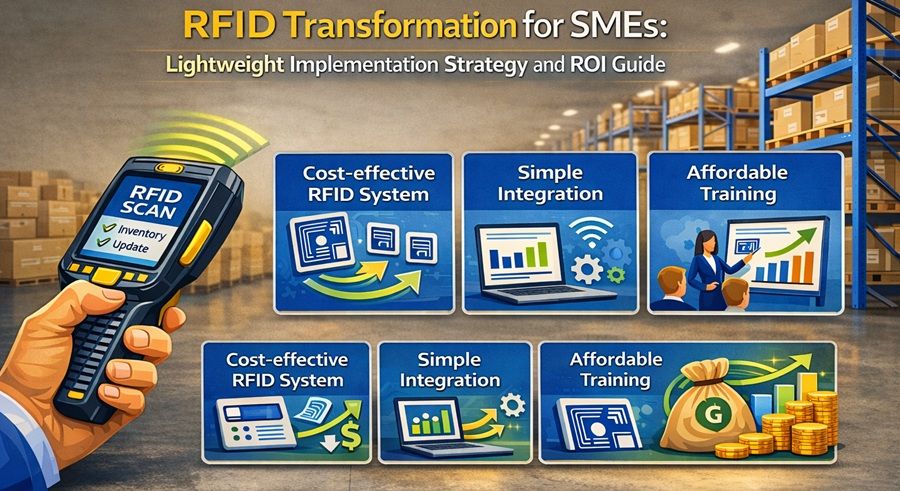
ЧОИ үчүн, инвентаризациянын так эместиктери жогору 30% алып келиши мүмкүн 5-15% жоголгон сатууда. RFID көзөмөлдөө системасын ишке ашыруу бул көйгөйдү чечүү үчүн негизги болуп саналат, бирок жогорку баштапкы инвестиция көбүнчө бизнести токтотот. Бул макалада а “этап-этабы менен трансформациялоо” стратегияга негизделген “жеңил ишке ашыруу,” чакан жана орто ишканаларды акырындык менен курууга жардам берүү максатын көздөйт “пункт деңгээлинде байкоо жүргүзүү” контролдонуучу чыгымдар жана аз тобокелдиктер менен мүмкүнчүлүктөр, олуттуу инвентаризациялык көрүнүшкө жана операциялык натыйжалуулукту жогорулатууга жетишүү.
Биринчи этап: Так пилоттук жана наркты текшерүү (Узактыгы: 1-3 ай)
Биринчи кадамдын өзөгү болуп саналат “эң кичине жабык цикл менен максималдуу маанини текшериңиз” жеңил ишке ашыруу аркылуу. Пилоттук катары продукт сериясын же негизги өндүрүш линиясын тандоо сунушталат.
- Максат коюу: Сандык максаттарды так аныктаңыз, тарабынан пилоттук складдын инвентар-дык натыйжалуулугун жогорулатуу сыяктуу 80%, же жеткирүү тактыгын жогорулатуу 99.9%.
- Аппараттык камсыздоону тандоо: Экономикалык комбинацияны кабыл алыңыз. Тегдер жалпы максаттагы UHF RFID жумшак теги болушу мүмкүн (ISO/IEC 18000-6C стандартына ылайык келет), жана кол аппараттары RFID жана штрих-код сканерлөө функциялары менен мобилдик терминалдар болушу мүмкүн, сыяктуу Rfidhy Hy-r6100, алар үнөмдүү жана ийкемдүү болуп саналат.
- Программалык камсыздоо жана интеграция: Башында, көз карандысыз SaaS негизиндеги RFID башкаруу платформа ERP системалары менен татаал терең интеграцияны болтурбоо үчүн колдонулушу мүмкүн. Бул этапта басым сыяктуу берүүчүлөр менен кызматташуу болуп саналат Rfidhy, пилоттук конкреттүү маселелерди чечүү үчүн, алардын настройка мүмкүнчүлүктөрүн пайдалануу, атайын таңгактоо үчүн тег жайгаштыруу чечимдерин оптималдаштыруу сыяктуу.
- Наркты баалоо: эмгектеги жакшыр-тууларды так эсептеп, убакыт, жана пилоттук фазадагы каталардын көрсөткүчтөрү, кийинки чечимдерди маалымат менен камсыз кылуу үчүн инвестициялык отчеттун так кирешесин түзүү.
Экинчи этап: Негизги процессти кеңейтүү жана системаны тереңдетүү (Узактыгы: 3-6 ай)
Баасын ырастагандан кийин, кеңейүү фазасына кирет “этап-этабы менен трансформациялоо,” RFIDди көбүрөөк негизги процесстерге интеграциялоо.
- Процессти кеңейтүү: Складдык инвентаризацияны башкаруудан өндүрүш линиясын түшүрүүдө маалыматтарды чогултууну жана сорттоо борборлорунда посылкаларды сканерлөө үчүн кеңейтүү.
- Аппараттык камсыздоону жаңылоо жана толуктоо: Туруктуу окурмандарды жайгаштыруу (мисалы, HY-R346A) Автоматташтырылган пакеттик маалыматтарды чогултуу үчүн негизги кирүүчү жана чыгуучу каналдарда. Тег тандоо көбүрөөк максаттуу болушу мүмкүн, жууну талап кылган кийимдер үчүн жуула турган биркаларды колдонуу сыяктуу.
- Тутум интеграциясы: RFID маалымат агымын компаниянын WMS же жеңил ERP системасы менен интерфейс деңгээлинде интеграциялоо, маалыматтарды автоматтык түрдө синхрондоштурууга жетишүү жана маалыматтарды кол менен киргизүүнү азайтуу.
- Data Application: Инвентаризациялоонун алдын ала анализдөө отчетторун түзүү үчүн көз салуу маалыматтарын колдонууну баштоо, сатып алуу жана сатуу чечимдерин жетектөө.
Үчүнчү этап: Full-Link интеграциясы жана экосистеманы кеңейтүү (Узактыгы: 6-12 ай же андан көп)
Качан гана ички процесстер үзгүлтүксүз жүрүп жатат, трансформация туруктуу атаандаштыкка жөндөмдүүлүктү куруу стадиясына кирет.
- Толук шилтеме камтуу: Издөө түйүндөрүн чийки затты сактоочу жайга чейин жана дистрибьютордун кирүүчү жана чыгуучу процесстерине чейин кеңейтүү, толук маалымат чынжырын түзүү.
- Data Value Mining: Контрафакттуулукка жана диверсияга каршы чараларды колдоо үчүн предмет деңгээлиндеги комплекстүү маалыматтарды колдонуу, керектөөчүлөрдүн өз ара аракеттенүүсү (NFC аркылуу), жана суроо-талапты такыраак болжолдоо.
- Экосистеманы жана шайкештикти даярдоо: Системага EPCIS стандартына ылайыктуу окуяларды чыгарууга мүмкүнчүлүк берүү, ири чекене платформалар менен интеграциянын пайдубалын түптөө же келечектеги ченемдик талаптарга жооп берүү сыяктуу DPP.
Корутунду
Чакан жана орто бизнес үчүн ийгиликтүү RFID трансформациясынын ачкычы чоң эмес, бир жолку инвестиция, тескерисинче, жеңилдетилген ишке ашыруу философиясын кармануу “кичинекей кадамдар, тез прогресс, жана баалуулукка негизделген.” Ачык аркылуу, этаптуу трансформация жолу жогоруда сүрөттөлгөн, компаниялар натыйжалуу тобокелдиктерди көзөмөлдөй алат, ар бир кадамда өлчөнгөн кирешеге жетишүү, жана акыр-аягы, келечек үчүн күчтүү санариптик негизги мүмкүнчүлүктү куруу.
С&A
1.Өтө чектелген бюджети бар чакан жана орто ишканалар үчүн, инвестиция үчүн кайсы аспект приоритеттүү болушу керек?
Инвестициялар эң айкын оору чекиттери жана эң түздөн-түз кирешеси бар аймакка артыкчылыктуу болушу керек. Көпчүлүк компаниялар үчүн, Бул, адатта, складдык инвентаризацияны башкаруу. Учурдагы запастарды комплекстүү жана тез базалык инвентаризациялоо үчүн бир нече жогорку өндүрүмдүү колдук RFID терминалдарына инвестиция салуу тактыкты жогорулатуу жана жумуш убактысын кыскартуу жагынан дароо пайда алып келет., ишенимди түзүү жана келечектеги кеңейүү үчүн маалымат негизин камсыз кылуу.
2.Тандалган RFID аппараттык жана программалык камсыздоо келечекте кеңейтүү учурунда эскирип калбасын кантип камсыз кылууга болот?
Негизги негизги дүйнөлүк ачык стандарттарды колдогон өнүмдөрдү тандоо болуп саналат. Аппараттык камсыздоо UHF RFIDди колдоого жана EPC Gen2v2 протоколуна шайкеш келиши керек. Программалык камсыздоо платформасы ачык API интерфейстерин камсыз кылышы керек. Алгачкы тандоо процессинде, жеткирүүчүлөрдөн сурасаңыз болот (RFIDHY сыяктуу) алардын тутумунун масштабдуулугунун мисалдары жөнүндө жана алар жеңил SaaS моделинен жеке жайылтууга же тереңирээк интеграцияланган моделге жылмакай өтүүнү колдойбу?.
3.Бизде ички техникалык адистер жок, Мындай трансформация долбоорун кантип башкара алабыз?
кабыл алуу а “өнөктөштөрдү колдонуу” мамиле. өнүмдөрдү гана эмес, ошондой эле толук спектрин камсыз кыла ала турган жеткирүүчү тандоо “консалтинг-ишке ашыруу-колдоо” кызмат көрсөтүүлөр чечүүчү мааниге ээ. Мисалы, RFIDHY сыяктуу кызмат көрсөтүүчүлөр чакан жана орто ишканаларга процесс диагностикасынан баштап бирдиктүү кызматтарды көрсөтө алышат, чечим дизайн, тег ыңгайлаштыруу, жана персоналды ишке ашыруудан кийинки тейлөөгө окутуу, негизинен тышкы техникалык команда катары иш алып барат, ишке ашыруу тоскоолдуктарды жана техникалык тобокелдиктерди бир топ кыскартуу.
Көбүрөөк маалымат алуу үчүн,өтүнөмүн Биз менен байланышыңыз.