Киришүү: Санарип продукт Паспорт мандаты
The Туруктуу продуктуларды жөнгө салуу үчүн экодизайн (ESPR) буюмдардын жасалгаланышын кайра калыптандырууда, өндүрүлгөн, жана Европа Биримдигинде байкоого алынган. Анын өзөгүндө жатат Санарип продукт паспорту (DPP) – бүткүл жашоо цикли боюнча продуктка тиешелүү маалыматтарды алып жүргөн санарип жазуу. Өндүрүүчүлөр үчүн, ЕБ ESPR талаптарына жооп берүү жөн гана жөнгө салуу кутучасы эмес; бул жеткирүү чынжырынын ачыктыгын жогорулатуу үчүн стратегиялык мүмкүнчүлүк, тегерек бизнес моделдерин иштетүү, жана керектөөчүлөрдүн ишенимин түзүү.
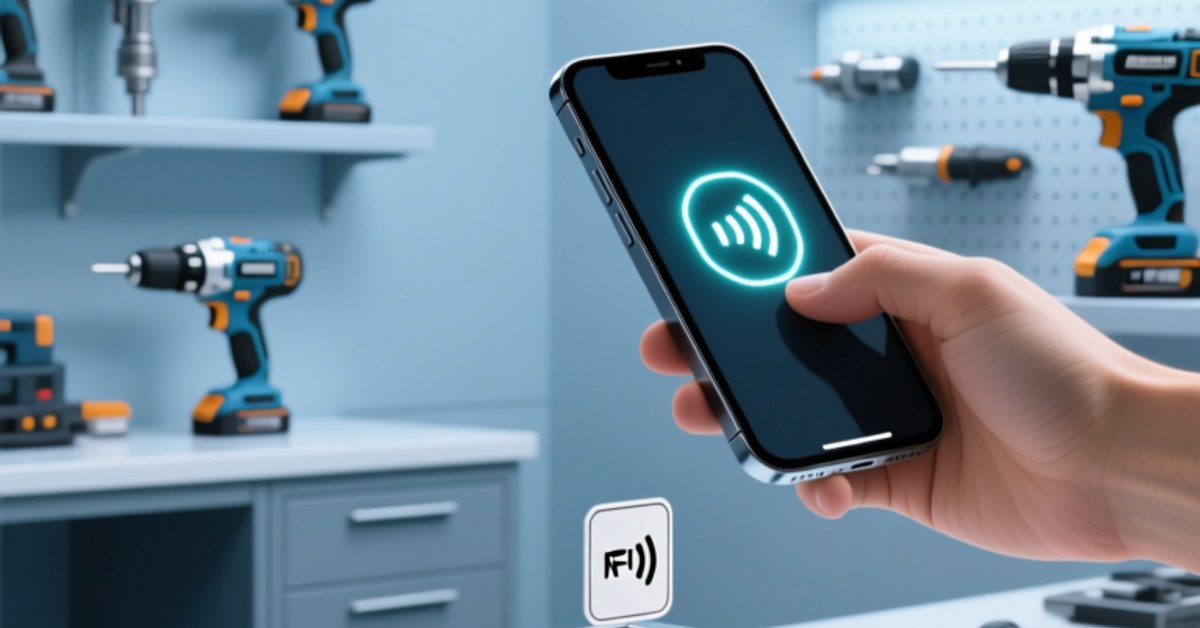
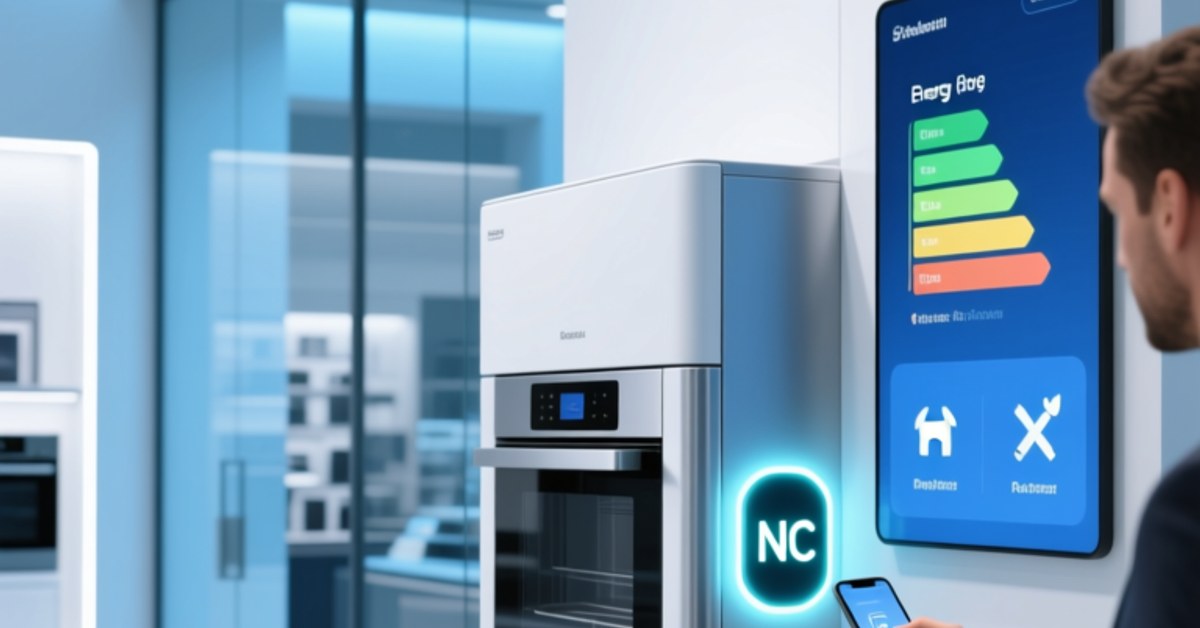
Бул жол картасына басым жасалат NFC иштетилген DPP'лер практикалык катары, үнөмдүү, жана масштабдуу шайкештик чечими. Near Field Communication тэгдерин түздөн-түз өнүмгө же таңгакка кыстаруу менен, өндүрүүчүлөр смартфонду жөнөкөй таптап, DPPге тез жетүүнү камсыздай алышат. Эч кандай татаал сканер инфраструктурасы талап кылынбайт, кийим тигүү сыяктуу тармактар үчүн өзгөчө ылайыктуу кылып, Электроника, эмерек, жана батарейка чыгаруу.
ЕБ ESPR Убакыт графигин жана масштабын түшүнүү
ESPR март айында сунушталган 2022 ортосунда толук күчүнө кире турганы күтүлүүдө 2024 жана 2027, өнүмдөрдүн конкреттүү топтору үчүн ыйгарым укук берилген актылар менен акырындык менен жайылтылат. Биринчи толкун батареяларды камтыйт, текстиль, жана электроника. ЕБге экспорттоочу өндүрүүчүлөр рынокко кирүү үзгүлтүктөрүн болтурбоо үчүн азыртан даярданышы керек.
>
| Мезгил | Күтүлгөн убакыт тилкеси | Өндүрүүчүлөргө таасири |
|---|---|---|
| ESPR күчүнө кирет | 2024– 2025 | Укуктук база түзүлдү; берилген актылар башталат |
| Батарея DPP милдеттүү | 2027 | Бардык өнөр жай жана EV батареялары санарип паспортун алып жүрүшү керек |
| Текстиль & электроника DPP | 2027– 2028 | Эл керектеечу товарларды тез аранын ичинде аткарууга этап-этабы менен |
| Толук камтуу | 2030+ | Көпчүлүк продукт категориялары, кыязы, камтылган |
NFC DPP технологиясын эртерээк колдонуу өндүрүүчүлөргө маалыматтарды чогултуу процесстерин тактоого мүмкүндүк берет, поезд менен камсыздоо чынжырынын өнөктөштөрү, жана белгиленген мөөнөттөн мурда келе жаткан ыйгарым укуктарга ылайык келүү.
DPP технологиялык стек: NFC кайда туура келет
Digital Product Passport системасы көп катмарлуу технологиялык стекти талап кылат. Төмөнкү таблицада ар бир катмар жана NFC технологиясы маалымат ташуучу деңгээлинде кантип интеграцияланары көрсөтүлгөн.
>
| Катмар | Description | NFC ролу |
|---|---|---|
| Уникалдуу идентификация | Ар бир продукт глобалдык уникалдуу идентификаторду алат (UID) | NFC Теги өзгөртүүгө мүмкүн эмес, фабрикада программаланган UID кыстарыңыз, буюмдун өзгөрбөс санарип манжа изи катары кызмат кылат |
| Маалымат ташуучу | Өнүмдү санарип жазууга байланыштырган физикалык чөйрө | NFC Теги/NFC инлейлери буюмга же таңгакка түздөн-түз тиркелет, контактсыз кирүү мүмкүнчүлүгүн иштетүү |
| Маалыматтарды башкаруу | Булут же блокчейнге негизделген DPP репозиторий | NFC тэг эстутуму булуттагы DPPди көрсөткөн чечилүүчү URL дарегин сактай алат; шифрленген параметрлер бар |
| Кирүү интерфейси | Кызыкдар тараптар маалыматтарды кантип окушат/жазышат | Керектөөчүлөр жана аудиторлор NFC иштетилген каалаган смартфонду колдонушат; өнөр жай окурмандары жапырт текшерүү менен алектенет |
| Коопсуздук & Trust | Аутентификация жана бүтүндүк механизмдери | NTAG сыяктуу NFC чиптери 424 ДНК өз ара аутентификацияны жана шифрленген байланышты камсыз кылат |
Боюнча Nfcwork, биз өндүрүүчүлөргө алардын DPP тиркемелери үчүн туура NFC тэгдерин тандоого жардам беребиз – стандарттан NFC стикерлери катуу металлга каршы NFC тэгдери өнөр жай чөйрөлөр үчүн.
NFC DPP боюнча кадам-кадам колдонмосу
Талапка жооп берген DPPти ишке ашыруу төрт ачык фазага бөлүнөт. Иштин үзгүлтүккө учурашын азайтып, NFC технологиясын интеграциялоо үчүн бул жол картасын аткарыңыз.
Фаза 1: Продукт маалыматтарынын картасы жана DPP архитектурасы
- Сиздин продукт категориясы үчүн бардык ЕБ ESPR милдеттүү маалымат талааларын аныктоо (материалдар, кайра иштетилген мазмун, көмүртек изи, оңдоо көрсөтмөлөрү, иштетүү талаптары).
- DPP маалымат моделиңизди аныктаңыз – өнүмдөрдү идентификациялоо жана маалыматтарды бөлүшүү үчүн GS1 стандарттарын карап көрүңүз.
- Берилиштер булут платформасында калаарын аныктаңыз, блокчейн, же гибрид архитектурасы. Тутум ар бир продукт бирдиги үчүн уникалдуу чечүүчү URL дайындай аларын текшериңиз.
- DPP визуализация катмарын долбоорлоңуз – керектөөчүлөр жана өнөктөштөр паспорт маалыматтарын кантип көрүп, иштешет?
Фаза 2: NFC теги тандоо жана коддоо стратегиясы
Оптималдуу NFC тэгин тандоо маанилүү. Негизги ойлор кирет:
- Эстутум өлчөмү: URL үчүн гана DPP, 144 байт (Алегат 213) жетиштүү; кошумча маалыматтарды оффлайн режиминде сактоо үчүн, карап көрөлү 888 байт (Алегат 216). Коопсуздукка багытталган тиркемелер НТАГдан пайда көрөт 424 AES шифрлөө менен ДНК.
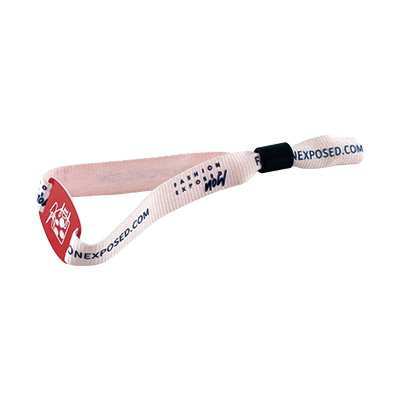
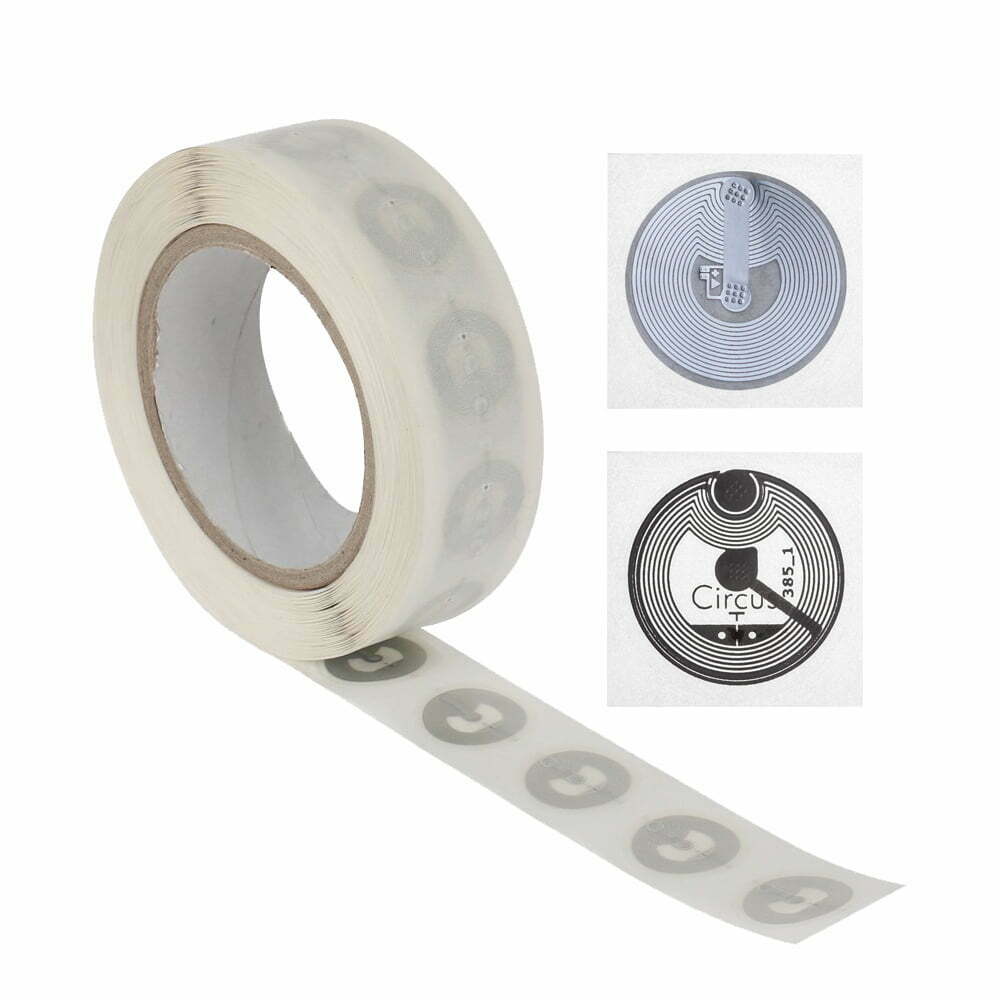
- Форма фактору: NFC стикерлери, NFC нымдуу инлейлери, же NFC силикон билериктери буюмдун бетине жана колдонуу жагдайына жараша. Металл активдер учун, тандоо металлга каршы NFC тэгдери.
- Экологиялык туруктуулук: Өнөр жай талаптары суу жана ысыкка чыдамдуу NFC тэгдери.
- Коддоо: Ар бир тегди уникалдуу чечүүчү URL менен программалаңыз, аны окуу үчүн гана кулпулоо, жана каалоосу боюнча санариптик кол коюуну кошуу.
Фаза 3: Өндүрүштүк интеграция жана жеткирүү чынжырын жайылтуу
- NFC теги коддоосун учурдагы өндүрүш линияларына интеграциялаңыз – коддоочу жабдуулар этикеткалоо станциялары менен катар болушу мүмкүн.
- Масштабдалуучу чечимдер арасында рабочий NFC окурмандары аз көлөмдөн жогорку ылдамдыкка чейин өнөр жай RFID модулдары саатына миңдеген тэгдерди коддогонго жөндөмдүү.
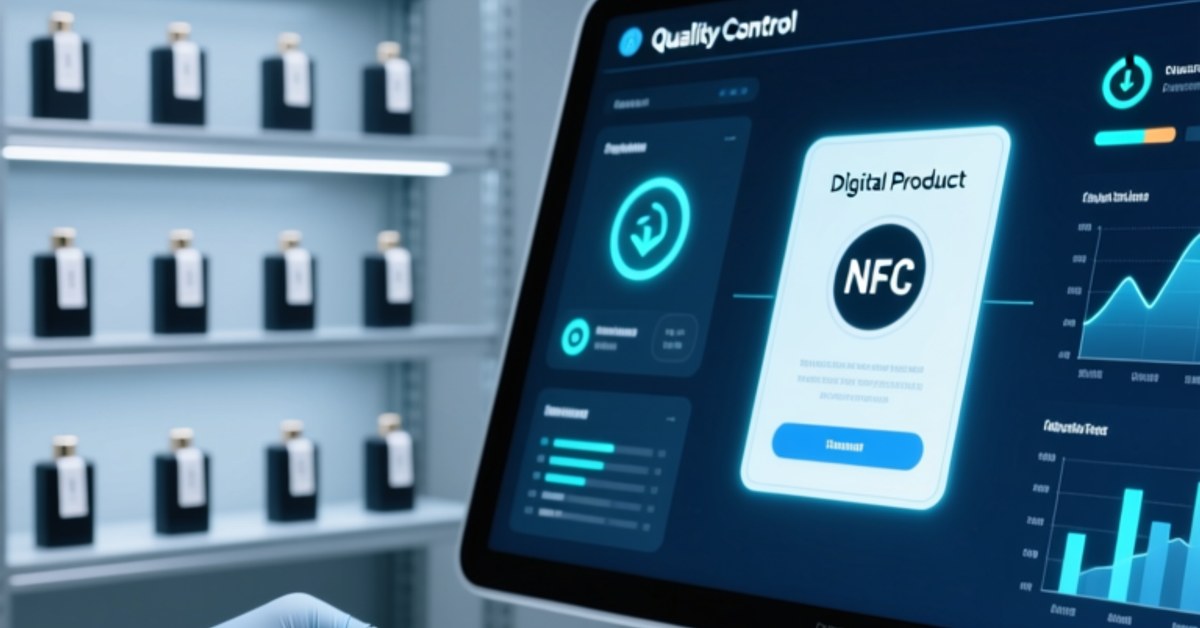
- Ар бир тег туура коддолгон жана жөнөтүү алдында окула тургандыгын текшерүү үчүн сапаттуу дарбазаларды орнотуңуз.
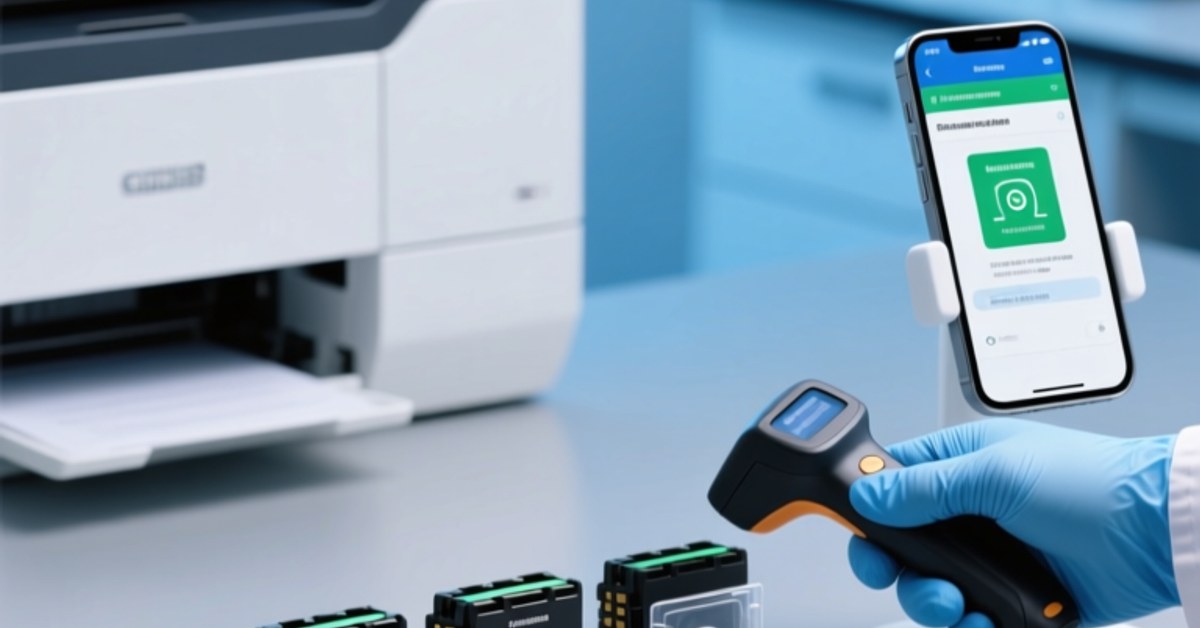
- Тийиштүү DPP талааларын кантип сканерлөө жана жаңыртуу боюнча жеткирүү чынжырынын өнөктөштөрүн үйрөтүңүз (E.G., логистикалык этаптары, оңдоо окуялар) колдонуу кол NFC сканерлери же стандарттуу Смартфон.
- Левередж NFC-блокчейн интеграциясы бүт чынжыр боюнча бурмалоого каршы байкоо жүргүзүү үчүн.
Фаза 4: Керектөөчүлөрдү тартуу жана жашоо циклин башкаруу
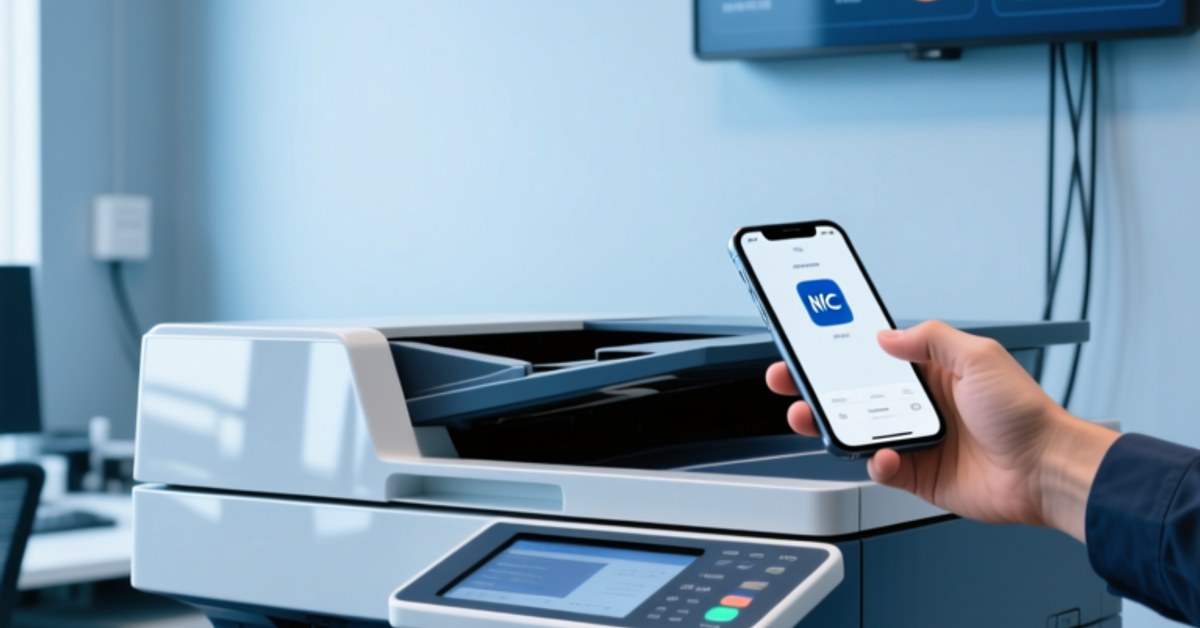
- Керектөөчүлөр өнүм маалыматына заматта жетүү үчүн телефону менен NFC иштетилген DPPти тапташат, кам көрүү багыттары, жана кайра иштетүү параметрлери. Бул фигитал көпүрө бренд берилгендигин жогорулатат.
- Сатуудан кийинки маалымат жаңыртууларын иштетүү: кызмат көрсөтүүчүлөр, ремонтчулар, же кайра иштетүүчүлөр DPPге жаңы жазууларды кошо алышат (уруксаттар боюнча) ошол эле NFC таптоо чекитин колдонуу.
- Өнүмдүн жашоо цикли жана айланма иштеши тууралуу түшүнүк алуу үчүн DPP колдонуу аналитикасын көзөмөлдөңүз.
Өндүрүүчүлөр үчүн ЕБ ESPR ылайыктуулугун текшерүү тизмеси
DPP ишке ашыруу жолуңузду жетектөө үчүн бул текшерүү тизмесин колдонуңуз.
>
| Шайкештик аймагы | Action Items | Абалы |
|---|---|---|
| Регулятивдик маалымдуулук | Продукт категорияларыңыз үчүн тиешелүү ыйгарым укуктарды аныктаңыз. EU ESPR жаңыртууларына көз салуу. | ☐ |
| Маалыматтарды даярдоо | Милдеттүү продукт маалыматтарын чогултуу жана санариптештирүү (материалдык курамы, кайра иштетилген мазмун, көмүртек изи). ESAP стандарттарына тууралаңыз. | ☐ |
| Уникалдуу сериялаштыруу | Продукт бирдигине глобалдык уникалдуу идентификаторлорду дайындаңыз. GS1 же аккредиттелген эмитент менен префиксти каттаңыз. | ☐ |
| NFC теги тандоо | NFC чипти жана өнүмгө жана айлана-чөйрөгө ылайыктуу форма факторун тандаңыз. Туруктуулугун жана окуу диапазонун текшерүү. | ☐ |
| DPP платформасы | Евробиримдиктин маалымат суверенитетинин эрежелерине ылайык келген булут/блокчейн DPP репозиторийин тандоо же куруу. | ☐ |
| Өндүрүштүк интеграция | NFC коддоосун өндүрүш линияларына интеграциялаңыз. Тегдин сапатын текшерүүнү ишке ашыруу. | ☐ |
| Supply Chain Onboarding | Логистика жана чекене өнөктөштөрдү окутуу жана жөнөкөй сканерлөө куралдары менен камсыз кылуу. | ☐ |
| Керектөө мүмкүнчүлүгү | Колдонуучуга ыңгайлуу интерфейси жана көп тилдүү колдоосу менен DPP смартфондун кран аркылуу жеткиликтүү болушун камсыз кылыңыз. | ☐ |
| Өмүрүнүн акырын башкаруу | DPP аркылуу маалыматтарды алуу жана демонтаждоо боюнча нускамаларды кайра иштетүүгө көмөктөшүңүз. | ☐ |
Жалпы ишке ашыруу кыйынчылыктарын жеңүү
Өндүрүүчүлөр көбүнчө DPP кабыл алуу учурунда тоскоолдуктарга туш болушат. Бул жерде NFC технологиясы аларды чечүүгө кандайча жардам берет:
- Эски системалардын интеграциясы: NFC тэгдерин учурдагы ERP платформаларын оңдоосуз эле жайгаштырса болот. Жөнөкөй URL багыттоосу физикалык продукт менен санариптик паспортту бириктирет.
- Маалыматтын тактыгы: Өндүрүш жеринде автоматташтырылган NFC коддоо кол менен маалыматтарды киргизүү каталарын жок кылат.
- Контрафакттык тынчсыздануулар: Криптографиялык аутентификациясы бар NFC чиптери (E.G., Алегат 424 ДНК) оригиналдуу өнүмдөр гана текшерилүүчү DPP менен камсыз болушун камсыз кылуу.
- Масштабдуулук: Биздин RFID/NFC чечимдери пилоттук долбоорлордон дүйнөлүк жайылтууга чейинки масштаб, миллиондогон продукцияны камтыйт.
NFC иштетилген DPP менен ЕБ ESPRдан алдыда болуңуз
Санарип продуктусунун паспорту үчүн NFC технологиясын кабыл алуу мындан ары келечектеги маселе эмес – бул ЕБде бизнес жүргүзгөн ар бир өндүрүүчү үчүн азыркы учурдун талабы.. Техника жетилген, үнөмдүү, жана продукттун айкындуулугунун ESPR көрүнүшү менен табиятынан шайкеш келет. Бул жол картасын аткаруу менен, Сиздин уюм шайкештик тынчсыздануусунан рыноктун дифференциациясына өтүшү мүмкүн.
Тиешелүү технологияларга тереңирээк сүңгүү үчүн, биздин ресурстарды изилдөө Санарип продукт Паспорт чечимдери жана NFC-блокчейнге көз салуу.
FAQ
DPP үчүн NFC жана QR коддорунун ортосунда кандай айырма бар?
Экөө тең URL алып жүрө алат. Бирок, NFC таптоо жана баруу тажрыйбасын сунуштайт, клондоштурууну алдын алуу үчүн криптографиялык аутентификацияны камтышы мүмкүн, жана жарык аз же кир чөйрөдө бекем болот. QR коддорунан айырмаланып, NFC тэгинин уникалдуу идентификаторун көчүрүү мүмкүн эмес, контрафакттыкка каршы мүнөздүү артыкчылыктарды камсыз кылуу.
NFC DPP ЕБ ESPR менен шайкеш келеби?
ESPR белгилүү бир ташуучу технологиясын милдеттендирбейт; ал продукт паспорту маалымат алып жүрүүчү аркылуу жеткиликтүү болушун талап кылат. NFC Теги, стандарттарга ылайык келген DPP платформасына туташтырылганда, маалыматтардын жеткиликтүүлүгү боюнча жобонун талаптарына толук жооп берет.
Бир продукт үчүн NFC DPPти ишке ашыруу канча турат?
Чыгымдар тег түрүнө жана көлөмүнө жараша өзгөрөт. Негизги NFC стикерлери караганда арзаныраак болушу мүмкүн $0.05 жогорку өлчөмдө, ал эми шифрлөө менен коопсуз тэгдер бир аз көбүрөөк болушу мүмкүн. Жасалмачылыкты азайтууну эске алганда, жалпы ROI оң, жакшыртылган кайра иштетүү, жана бренд ишенимин жогорулатуу.
NFC тэгдерин DPP жаңыртуулары үчүн кайра колдонсо болобу?
Ооба, эгерде тегдин эс тутуму кайра жазуу операцияларына уруксат берүү үчүн конфигурацияланган болсо. Бирок, жасалма сценарийлер үчүн, туруктуу URL жазууну жана бардык жаңыртууларды булуттагы DPP аркылуу иштетүүнү сунуштайбыз, тегди өзгөртпөстөн тынымсыз жаңыртылышы мүмкүн.
Керектөөчүлөргө NFC DPPлерди окуу үчүн атайын колдонмо керекпи?
Жок. Көпчүлүк заманбап NFC иштетилген Смартфон кошумча тиркемесиз стандарттуу NFC тэгдерин окуй алат (iOS 14+ же Android 5.0+). Телефондун түпнуска браузери таптаганда автоматтык түрдө DPP URL дарегин ачат.
FAQ
DPP үчүн NFC жана QR коддорунун ортосунда кандай айырма бар?
Экөө тең URL алып жүрө алат. Бирок, NFC таптоо жана баруу тажрыйбасын сунуштайт, клондоштурууну алдын алуу үчүн криптографиялык аутентификацияны камтышы мүмкүн, жана жарык аз же кир чөйрөдө бекем болот. QR коддорунан айырмаланып, NFC тэгинин уникалдуу идентификаторун көчүрүү мүмкүн эмес, контрафакттыкка каршы мүнөздүү артыкчылыктарды камсыз кылуу.
NFC DPP ЕБ ESPR менен шайкеш келеби?
ESPR белгилүү бир ташуучу технологиясын милдеттендирбейт; ал продукт паспорту маалымат алып жүрүүчү аркылуу жеткиликтүү болушун талап кылат. NFC Теги, стандарттарга ылайык келген DPP платформасына туташтырылганда, маалыматтардын жеткиликтүүлүгү боюнча жобонун талаптарына толук жооп берет.
Бир продукт үчүн NFC DPPти ишке ашыруу канча турат?
Чыгымдар тег түрүнө жана көлөмүнө жараша өзгөрөт. Негизги NFC стикерлеринин баасы арзаныраак болушу мүмкүн $0.05 жогорку өлчөмдө, ал эми шифрлөө менен коопсуз тэгдер бир аз көбүрөөк болушу мүмкүн. Жасалмачылыкты азайтууну эске алганда, жалпы ROI оң, жакшыртылган кайра иштетүү, жана бренд ишенимин жогорулатуу.
NFC тэгдерин DPP жаңыртуулары үчүн кайра колдонсо болобу?
Ооба, эгерде тегдин эс тутуму кайра жазуу операцияларына уруксат берүү үчүн конфигурацияланган болсо. Бирок, жасалма сценарийлер үчүн, туруктуу URL жазууну жана бардык жаңыртууларды булуттагы DPP аркылуу иштетүүнү сунуштайбыз, тегди өзгөртпөстөн тынымсыз жаңыртылышы мүмкүн.
Керектөөчүлөргө NFC DPPлерди окуу үчүн атайын колдонмо керекпи?
Жок. Көпчүлүк заманбап NFC иштетилген смартфондор стандарттык NFC тэгдерин кошумча тиркемесиз окуй алат (iOS 14+ же Android 5.0+). Телефондун түпнуска браузери таптаганда автоматтык түрдө DPP URL дарегин ачат.
NFC иштетилген санарип продукт паспортуңузду түзүүгө даяр?
Байланыш NFCWORK технологиясы бүгүн сиздин ЕБ ESPR ылайык келүү муктаждыктарын талкуулоо үчүн. Биздин Rfidhy продукт линиясы толук спектрин сунуш кылат NFC Теги, инлейлер, жана коддоо чечимдери өндүрүш чөйрөлөрү үчүн ылайыкташтырылган. DPP жол картасын туура жолдо баштоо үчүн акысыз консультация жана үлгү баалоо алыңыз.