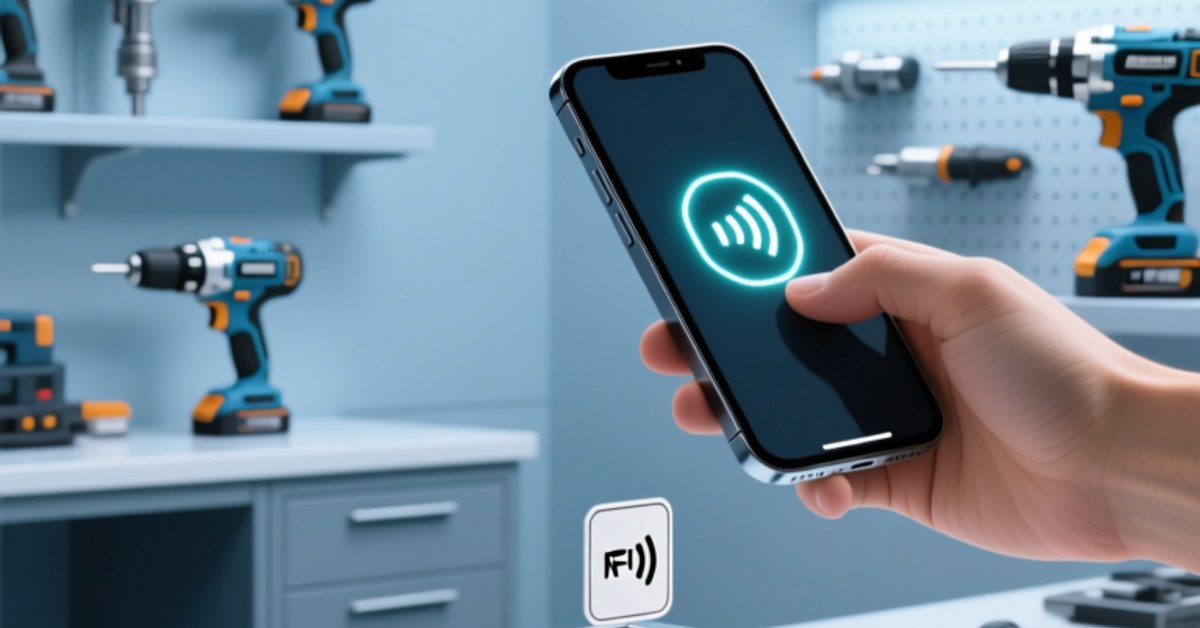
Introduzione: Perché i cantieri edili necessitano del monitoraggio dei dispositivi di protezione individuale tramite RFID
Gestione dei dispositivi di protezione individuale (caschi rigidi, giubbotti riflettenti, ecc.) nei cantieri spesso si trova ad affrontare problemi come le perdite, misus, e lunghi controlli di conformità. La combinazione di etichette RFID per elmetti rigidi e etichette RFID per giubbotti di sicurezza con lettori RFID UHF e lettori RFID portatili consente la corrispondenza automatica di personale e oggetti, verifica della conformità degli accessi, e visualizzazione dell'inventario, riducendo così le perdite di risorse e migliorando l'efficienza della conformità alla sicurezza. La ricerca e i casi di studio del settore dimostrano che l’utilizzo dell’RFID + il controllo/rilevamento automatizzato degli accessi può migliorare significativamente la velocità dell'inventario e ridurre gli errori.
Elementi fondamentali della soluzione (Tecnologia e Processi)
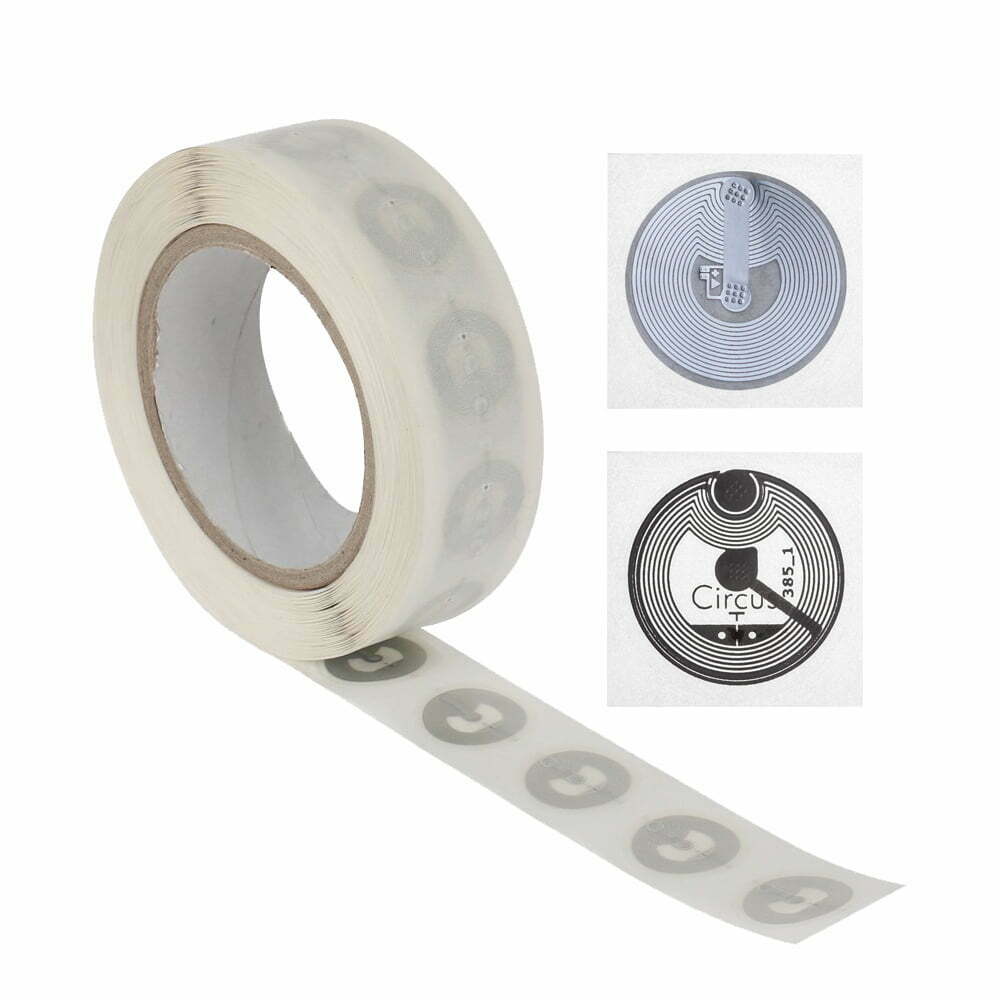
- Selezione dell'etichetta: I caschi di sicurezza utilizzano autoadesivi Tag RFID UHF O Tag RFID incastonato nell'orlo; i giubbotti di sicurezza utilizzano tag RFID incorporati nel tessuto; il controllo e il rilevamento degli accessi utilizzano lettori RFID di livello industriale e antenne RFID fisse.
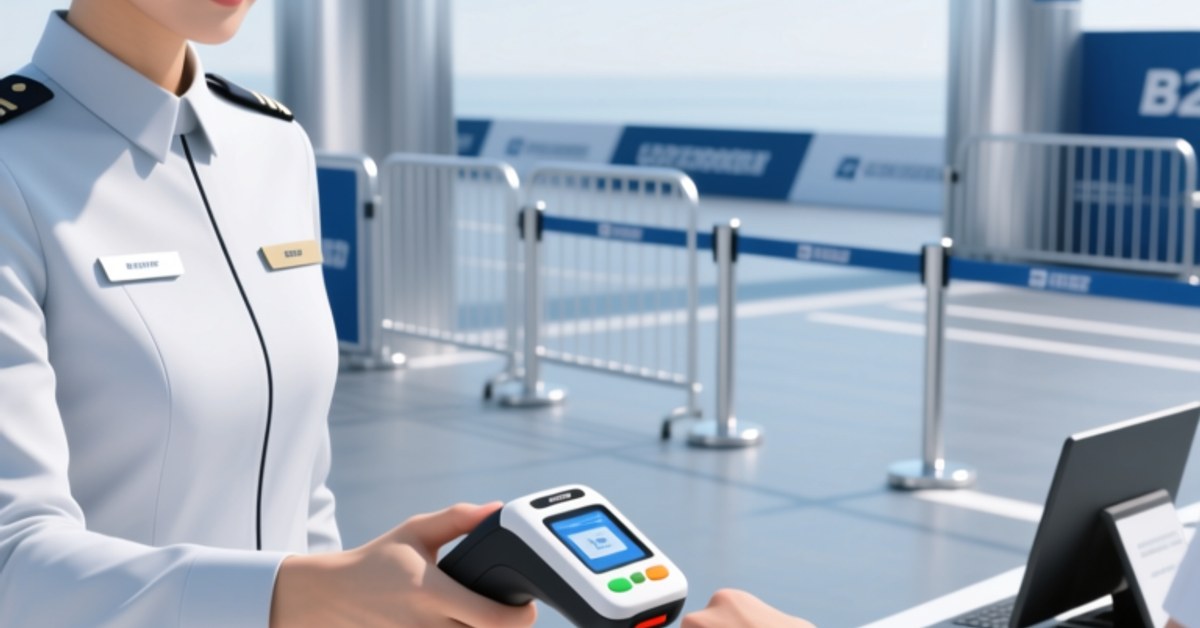
- Controllo degli accessi e verifica della conformità: Implementare sistemi di controllo accessi RFID agli ingressi dei cantieri. Quando passano i lavoratori, i lettori fissi rilevano automaticamente se indossano dispositivi di sicurezza con tag DPI RFID. Per personale non qualificato, il sistema emetterà un allarme o limiterà il loro ingresso. Rilevanti casi di studio accademici e ingegneristici dimostrano che il rilevamento basato sul sistema di controllo degli accessi può completare rapidamente e automaticamente i controlli di integrità dei DPI.
- Ispezione mobile e gestione dell'inventario: Il personale addetto alla sicurezza/gestione dei materiali dotato di lettori portatili RFID può completare in breve tempo conteggi di inventario su larga scala. Abbinato a lettori RFID fissi, sono possibili il rilevamento della posizione in tempo reale e gli allarmi di perdita. Le applicazioni pratiche lo dimostrano Sistemi RFID può ridurre significativamente i tempi di inventario manuale e i costi di sostituzione.
Best practice per la distribuzione e il funzionamento (Fase di implementazione)
- Pilota iniziale: Pilota il progetto nell'area di costruzione o nel gruppo di lavoro, attaccare etichette RFID autoadesive a ciascun elmetto e cucire etichette RFID nella manica di ciascun gilet. Utilizzare lettori RFID portatili per la localizzazione iniziale e la verifica della corrispondenza del personale.
- Politica di controllo degli accessi: Utilizzare sistemi di controllo accessi RFID o lettori fissi agli ingressi, in abbinamento ai sistemi elettronici di controllo accessi, per garantire che l'ingresso sia consentito solo dopo il “persona-elmetto-giubbotto” incontro.
- Governance dei dati: Integra i dati dei lettori nella piattaforma di gestione (Saas) e utilizzare un sistema di gestione delle risorse RFID per la reportistica, avvisi, e responsabilità. La ricerca accademica e i white paper del settore indicano che la combinazione dell’analisi dei dati può migliorare ulteriormente i dispositivi di protezione individuale (DPI) conformità ed efficacia nella prevenzione degli incidenti.
- Risultati e riferimento ai dati: Numerosi studi hanno dimostrato che il rilevamento automatizzato dei DPI (compresi RFID e ispezione visiva) può migliorare significativamente la frequenza e la precisione del rilevamento, aiutare i manager a identificare rapidamente i casi di mancato utilizzo dei DPI, riducendo così indirettamente il rischio di incidenti causati dal mancato utilizzo dei DPI. Casi di studio del settore (gestione delle divise e dei DPI) dimostrare che la gestione RFID può ridurre i tassi di perdita, ridurre le scorte e i tempi di consegna, riducendo così i costi di sostituzione e gli errori logistici. Alcuni report di casi aziendali mostrano riduzioni significative dei costi di sostituzione e perdita (percentuali specifiche variano in base al progetto).
Rischi e sfide
Interferenza ambientale: I cantieri edili contengono metallo, calcestruzzo, e polvere, che richiedono l'uso di tag RFID in fibra di vetro resistenti agli agenti atmosferici e ai metalli/tag RFID anti-metallo. Il posizionamento dell'antenna dovrebbe ridurre al minimo i punti ciechi.
Accettazione del personale: Fornire ai lavoratori una breve formazione sottolineando la comodità e la sicurezza dei tag RFID indossabili, e sfruttare incentivi o vincoli politici per migliorare la conformità.
Privacy e conformità dei dati: Definire chiaramente l'utilizzo dei dati e i periodi di conservazione, limitare i permessi di accesso, e incorporare strategie di controllo e anonimizzazione nel sistema.
Per le aziende che cercano un'implementazione completa, si consiglia di scegliere un fornitore esperto nella personalizzazione dei tag, fornitura del lettore, piattaforme software, e distribuzione. Per esempio, potresti considerare un fornitore RFID professionale come Rfidhy (che fornisce soluzioni complete per tag RFID UHF, lettori RFID industriali, E Sistemi di gestione delle risorse RFID). Abbiamo fornito attrezzature e servizi di implementazione in numerosi dispositivi di protezione individuale (DPI) e casi di gestione uniforme.
FAQ
Q1: I tag RFID cadranno a causa del sudore o dell'impatto?
UN: La scelta di etichette RFID autoadesive impermeabili o di etichette RFID incorporate nella tesa dei cappelli può migliorare la durata; per gilet in tessuto, si consiglia di utilizzare etichette RFID cucite e di controllarle regolarmente.
Q2: Può un sistema RFID determinare “se viene indossato” basandosi esclusivamente sul lettore?
UN: Solo l’RFID può determinarlo “se l'attrezzatura si trova sulla tua persona/a distanza ravvicinata,” ma non può determinare se l'attrezzatura è indossata correttamente (PER ESEMPIO., se il cappello è indossato correttamente); La combinazione delle etichette RFID DPI con l'ispezione visiva può costituire una valutazione di conformità più completa.
Q3: Il costo di implementazione è elevato? Come valutano il ROI le imprese di costruzione?
UN: L'investimento iniziale include i tag, lettori, antenne, e software. Il ROI a lungo termine deriva dalla riduzione dei costi di perdita/sostituzione, risparmio di manodopera in inventario, e riducendo i costi degli incidenti (Fondamentale è anche ridurre i rischi difficili da quantificare). Si consiglia di calcolare il tasso di sostituzione, tempo di inventario, e il tasso di conformità durante la fase pilota come base per la valutazione del ROI.
Raccomandazioni sui prodotti con tag RFID
Etichetta per casco di sicurezza UHF resistente alle intemperie: Resistente agli urti, opzioni autoadesive/incorporate disponibili, adatto per cantieri ad alta temperatura/polverosi; compatibile con lettori RFID UHF e antenne fisse.
Etichetta del gilet di sicurezza incorporata in tessuto: Lavabile e resistente all'abrasione, conveniente per la gestione insieme ai giubbotti, adatto per controlli di inventario dei lotti con lettori RFID portatili.
Lettore fisso di livello industriale + Kit controllo accessi: Utilizzato per il controllo dei cancelli di ingresso e di uscita, supporta il collegamento in tempo reale con i sistemi e gli allarmi di gestione delle risorse RFID.
Per ulteriori informazioni,Per favore contattaci.