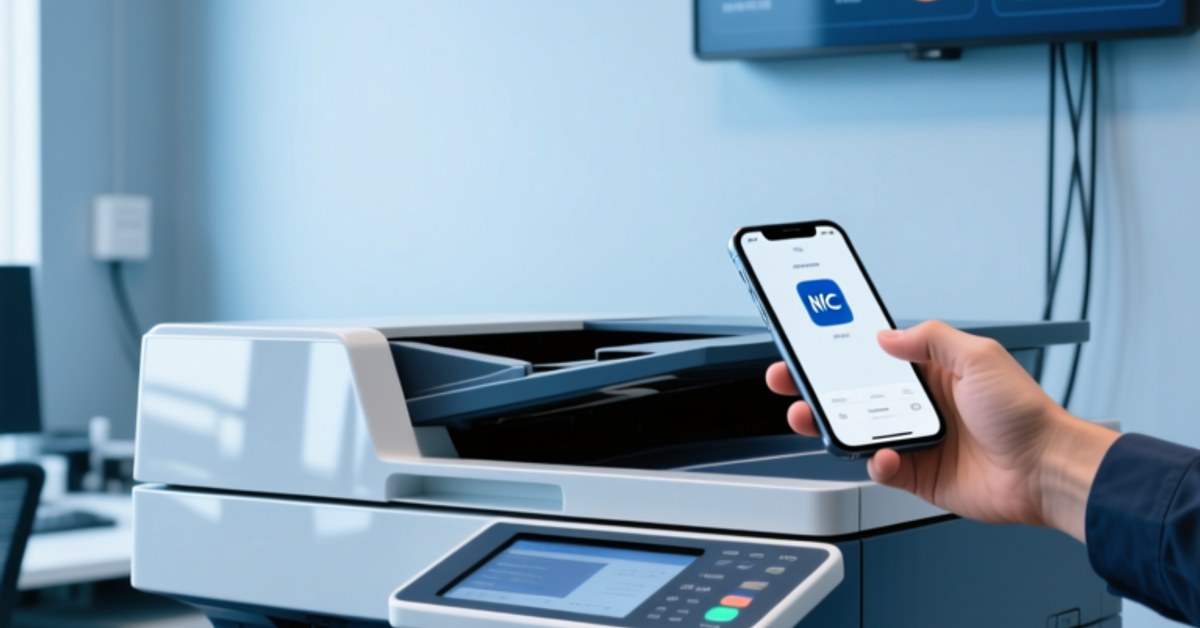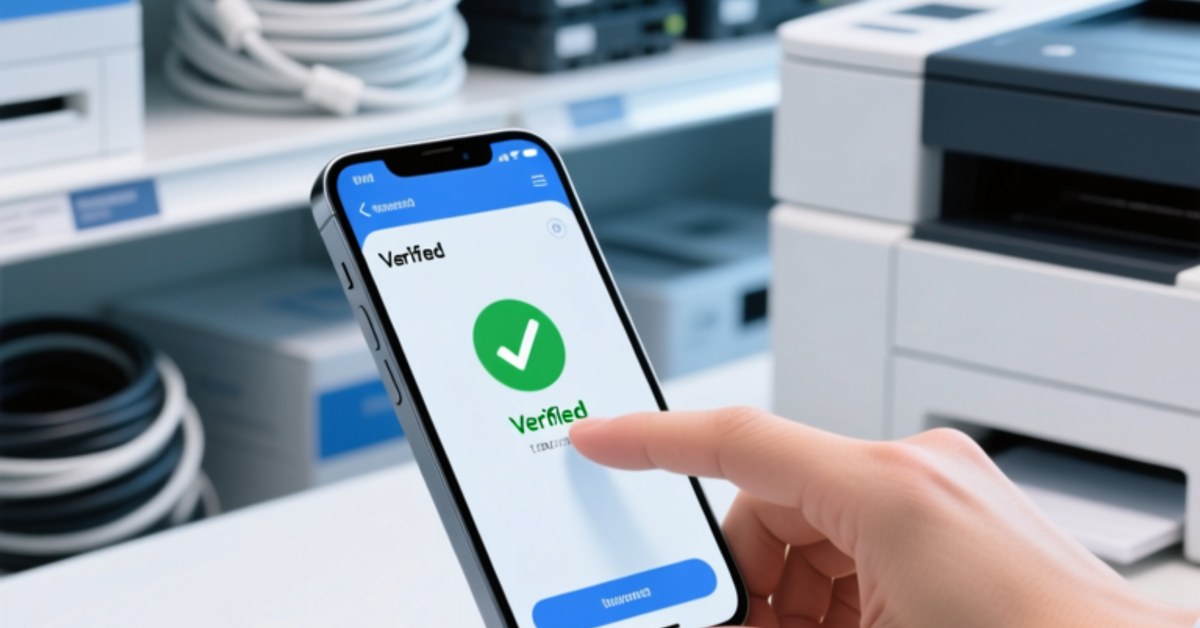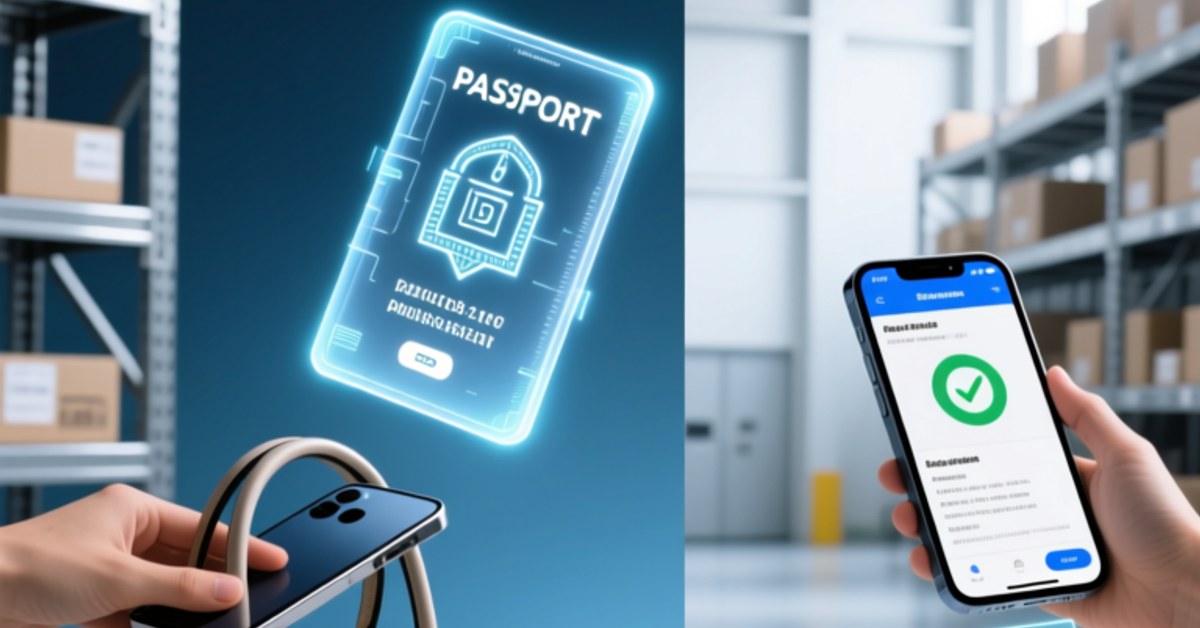
導入: デジタル製品パスポートのデータキャリアのジレンマ
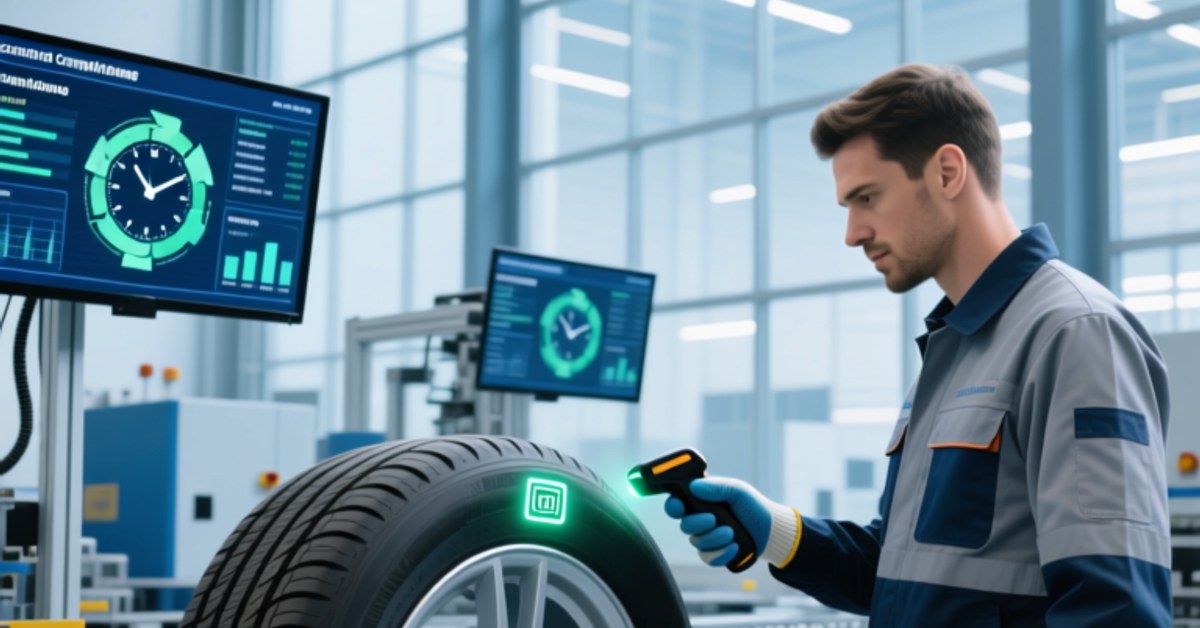
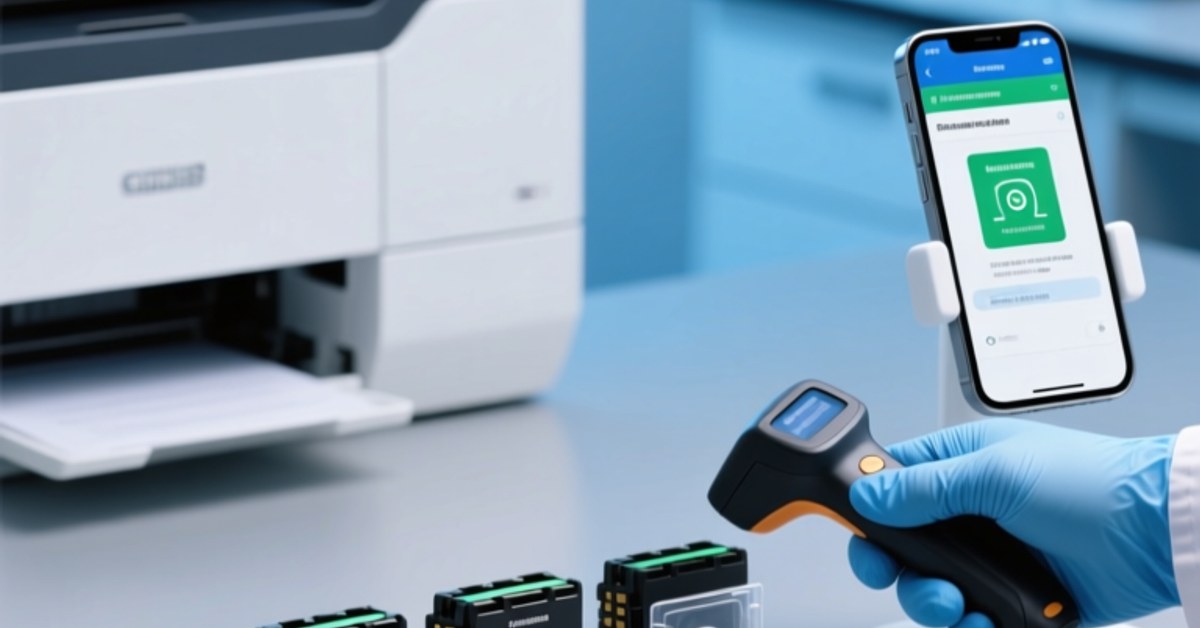
デジタル製品パスポート (DPP) 規制の概念から運用の現実へ移行しています. EU の ESPR によって推進されるか、ライフサイクルの透明性を実現するブランド戦略によって推進されるか, 毎 DPP 製品自体に物理的なアンカーが必要です. 質問はそうではありません かどうか 製品をそのデジタルアイデンティティに結び付ける, しかし どうやって. 会話を支配する 2 つのテクノロジー: NFC そして QRコード. 1つはチップベースです, 製品に埋め込まれている; もう 1 つは印刷ベースです, 表面に追加された. どちらもクラウドベースのパスポートにリンクできます, しかし、セキュリティを調べると、その機能は大きく異なります。, 耐久性, オフラインの動作, 製品の寿命全体にわたる所有体験.
NFCWORKテクノロジーにて, 私たちはプロダクトマネージャーを支援します, サプライチェーンのリーダー, そしてソリューション評価者はこの正確な選択をナビゲートします. この記事では, 私たちは目標を提供します, シナリオ主導の比較により、チップ ベースがプリント ベースに勝つ時期を判断するのに役立ちます。また、ハイブリッド アプローチが長期的に同じ信頼性をほとんど得られない理由も示します。.
デジタル製品パスポートアンカーの構造
比較する前に, 「アンカー」の意味を定義しましょう。で DPP システム, アンカーは、有形製品とそのデジタルツインの間の物理的なリンクです。. 一意の識別子を保存し、理想的には製品のプロセスへの安全なアクセスを可能にします。, 材料, 修復歴, そして所有権記録. 両方 NFCタグ QR コードがこの役割を果たすことができます, しかし、それらの基本は異なります.
- QRコード 黒と白のモジュールの印刷パターンです. URL または短いデータ文字列を画像に直接エンコードします。. 印刷したら, データは静的で暗号化されていません. 読書にはカメラが必要です, きれいな表面, 十分な照明と.
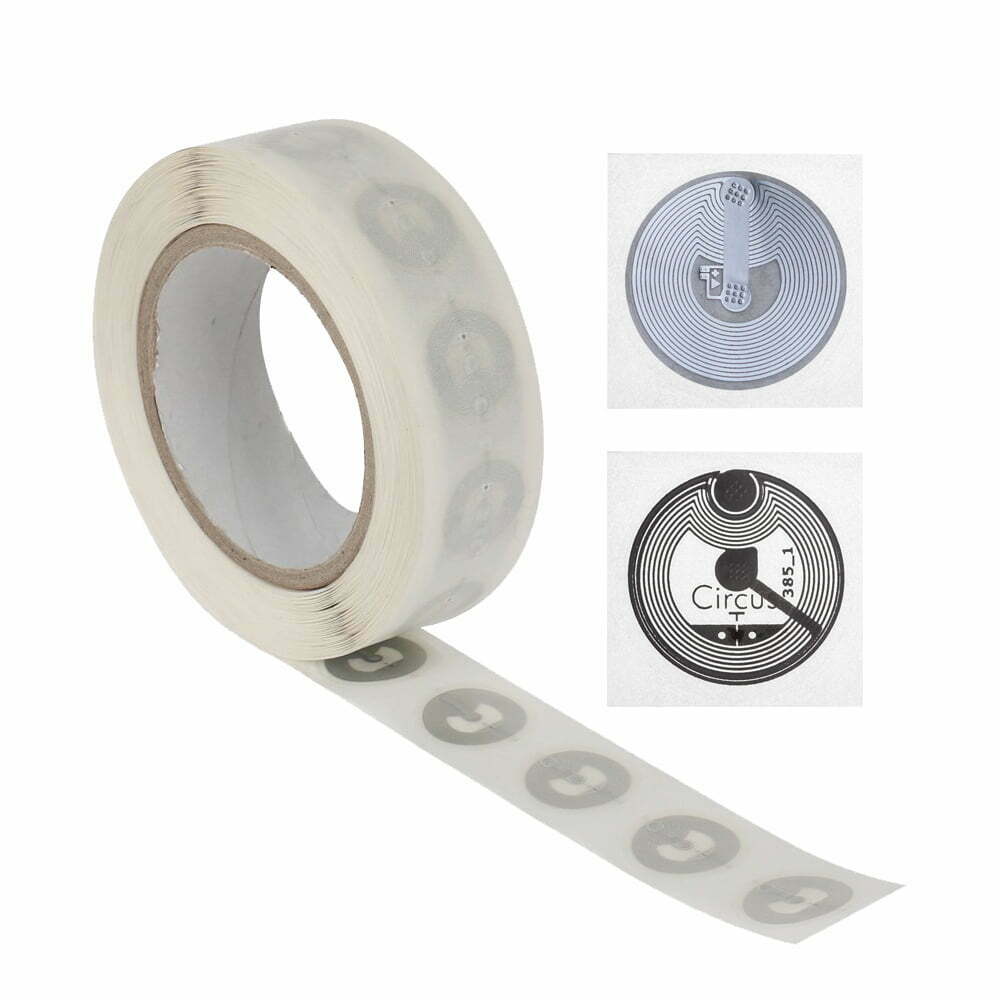
- NFCチップ 無線周波数アンテナを備えた小さなマイクロコントローラーです, 多くの場合、ラベルに埋め込まれます (NFCインレイ またはタグ) または製品に直接. 各チップには固有の特徴があります, 工場出荷時にプログラムされたIDと暗号化されたデータを保存可能, デバイスのインタラクションに応答する, さらには暗号化操作も実行できます.
このアーキテクチャの違いは、DPP 戦略に大きな影響を与えます.
比較分析: DPP の NFC と QR の比較
以下の表は、安全なセキュリティにとって最も重要な寸法を並べて比較したものです。, 長寿命製品パスポート.
>
| 属性 | NFC (チップベース) | QRコード (印刷ベース) |
|---|---|---|
| データキャリアのタイプ | アンテナ付きシリコンIC内蔵; の一部 RFID/NFCタグ またはアイテムに組み込まれています | ラベルに印刷された光学パターン, ハングタグ, または製品表面に直接 |
| 個性的, 改ざん防止ID | 組み込みUID (一意の識別子) 製造中にシリコンに焼き付けられる; チップのサプライチェーンにアクセスしないとクローンを作成できません | 固有の独自性がない; QR内のデータはスマートフォンのカメラがあれば誰でもコピー可能 |
| 暗号化とセキュリティ | AES暗号化をサポート, 相互認証, および暗号化されたNDEFペイロード; スマートカード機能をエミュレートできる | ターゲット URL のセキュリティに完全に依存します (例えば。, HTTPS), ただし、リンク自体は複製または置き換えることができます |
| オフライン認証 | インターネットなしで暗号化ハンドシェイクを実行可能; リーダーは、保存されたキーまたは証明書を使用してローカルで信頼性を確認できます | オフラインでは真正性を検証できない; 印刷された画像はいつでも読み取ることができます, リンクサーバーが利用できない場合でも |
| 偽造防止 | 強い; 各チップは独自の物理的および電気的特性を持っています; クローン作成にはシリコンレベルの偽造が必要, どれが検出可能ですか | 弱い; QRコードは簡単にコピーされる, 再版, または交換されました. 偽造品には、本物の DPP を示すコピーされた QR が含まれている可能性があります。. |
| 耐久性とライフサイクル | 湿気に強い, 摩耗, 適切に統合された場合、極端な温度に耐えることができます; 何年も使用しても耐えられます, 洗浄, または野外露出 | 印刷が鮮明なままである間のみ読み取り可能; 傷つきやすい, 紫外線で色褪せた, または化学物質による損傷 |
| データ容量と柔軟性 | 最大数キロバイトの書き換え可能なメモリ; 後で更新して修復を記録できます, 所有権の移転, または持続可能性の指標 | 直接保存する場合、静的データは最大 3KB に制限されます; 通常は URL のみ, 書き換え能力がない |
| 消費者体験 | 速い, NFC 対応電話によるワンタップアクセス (基本的な使用にはアプリは必要ありません); どの向きでも動作します, 暗い場所でも | カメラが必要です, 安定した手, 良い照明, そして多くの場合、バーコード スキャン アプリ; 曲面や反射面ではイライラすることがある |
| ユニットあたりの導入コスト | ユニットあたりのコストが高い (基本的な NFC タグの場合は数セント、セキュア IC の場合はさらに高額), しかしボリュームとともに急速に減少 | 極めて低い限界費用; パッケージ印刷の一部として実質無料 |
セキュリティの詳細: チップベースの ID が重要な理由
高度な偽造が横行する世界, デジタルパスポートはそのアンカーと同じくらい信頼できる. QRコードは印刷されたURLです. 誰でもその URL をコピーできます, 偽物の商品の上に置く, 消費者にまったく同じ DPP ページを案内します. ブランドのクラウドシステムへ, クローン化された QR のスキャンは本物のスキャンと同じように見えますが、違いを見分ける方法はありません. これが、贅沢品の真贋認証や医薬品の偽造防止プログラムが迅速に導入された理由です。 NFC製品認証. NFCチップ搭載, ブランドは、リーダーのセキュア エレメントによって直接検証される秘密キーまたはデジタル署名を挿入できます。. 攻撃者がチップをエミュレートしようとしても, 物理的特性が一致しない場合、相互認証は失敗します。.
サプライチェーンのITリーダー向け, これは、NFC を使用することを意味します, すべての読み取りイベントが暗号的に特定のイベントにバインドされるシステムを構築できます。, 複製不可能なタグ. また、オンチップ メモリを利用して、製品が工場から倉庫、小売店へと移動するにつれて進化する動的なデータ (保管転送署名など) を保存することもできます。. このトレーサビリティは DPP コンプライアンスの基礎です, それは印刷された QR では提供できないものです.
オフライン検証とオンライン検証: ネットワークが選択肢にない場合
接続性の低いエリアにある倉庫のスキャナーや税関職員を想像してください。. QR 専用パスポートの場合, 検証は常に、URL を検索するためのライブインターネット接続に依存します。. NFCあり, ハンドヘルドリーダー (のような ハンドヘルドRFIDリーダー) 製品を完全にオフラインで認証できます, 事前に保存されたキーとチャレンジ/レスポンス ロジックを使用する. 更衣室や修理センターにいる最終消費者にも同じことが当てはまります: 携帯電話を軽くタップするだけで、データ接続を待たずに信頼性を確認したり、最後に記録されたサービス イベントを取得したりできます。. このオフラインでの回復力は、重要な差別化要因です。 チップベースの製品パスポート グローバルサプライチェーンや遠隔検査に最適.
消費者エクスペリエンス: ワンタップ vs. カメラの面倒さ
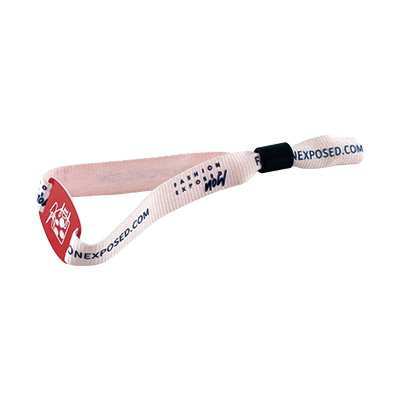
DPP は消費者が関与しなければ意味がありません. NFC は、非接触型決済で人々がすでに慣れ親しんでいる、摩擦のない「タップ アンド ゴー」を提供します. 現代について スマートフォン, NFC タグの読み取りは瞬時に行われ、デバイスの画面がオフの場合でも機能します。 (バックグラウンドスキャンが有効な場合). QRコード, 対照的に, カメラアプリを起動する必要がある, コードを正しく組み立てる, 製品パッケージの照明やまぶしさと格闘することもよくあります. さりげなくブランドを施した高級品について, QR コードはデザインの美しさを台無しにする可能性があります; NFC インレイは完全に見えないようにすることもできます, 衣服の裏地の内側に埋め込まれる, 靴底, または高級ハンドバッグ. ウェアラブル製品向け, NFCリストバンド または、アクセサリに埋め込まれたスマート タグは、布地に印刷された QR コードに匹敵するものではないシームレスなタップ エクスペリエンスを提供します。.
データ容量と動的更新
どちらのテクノロジーもクラウドベースのパスポートにリンクできますが、, エッジ コンピューティング シナリオでは、オンデバイス ストレージの違いが重要です. NFC タグには、インターネット接続がなくてもアクセスできる数キロバイトの構造化データを保持できます。これは最新のメンテナンス記録には十分です。, デジタル証明書, または資料パスポートのスナップショット. さらに, 多くの NFC チップは書き込み操作をサポートしています, つまり、タグ自体は製品のライフサイクル中に更新できるということです. 修理技術者はタグをタップしてサービスログを追加できます, 後でクラウドに同期します. QRコードは更新できません; 凍ったままの出入り口. これ 書き換え可能なメモリ NFC を優れたものにする 安全な製品データキャリア 価値の高い耐久財向け.
DPP ロードマップに適したテクノロジーの選択
DPP ソリューションを評価しているブランド向け, デシジョン ツリーは多くの場合次のようになります:
- 製品のライフサイクルが非常に短い場合, 偽造リスクが低い, そしてコストが最も重要な要素です—QR コードで十分かもしれません. 使い捨ての消耗品パッケージ, 例えば, 印刷された QR とクラウド側のセキュリティ層を組み合わせる可能性があります, ただし、これにはチップのアイテムごとに固定された信頼性がまだ欠けています。.
- 製品が数年の耐用年数を持つ耐久財の場合, 重要なブランド価値を保持している, または再販時に本物であることの証明が必要です—NFC が明確な推奨事項です. 高級時計などの商品, ハイエンドエレクトロニクス, プレミアムアパレル, B2B 産業部品は、チップレベルのセキュリティと、所有者の変更を通じてポータブルなデジタル ID を保持できる機能の恩恵を受けます。.
- オフライン認証が必要な場合, 改ざんの証拠, または EU DPP などの進化する標準への準拠-また, NFC は、印刷されたアプローチでは実現できない暗号化基盤を提供します。.
企業が QR のみの試験運用から始めて、すぐに限界を発見することは珍しくありません。: 再販プラットフォーム上のクローン出品, 消費者の信頼の低下, またはパッケージ化後にデータを更新できない. NFCチップ, と組み合わせた RFIDソリューション 倉庫での一括スキャン用, チップが個人認証と長距離認証を処理する多層アプローチを作成します。 RFIDシステム 物流を管理します. このデュアルテクノロジー戦略は、個々の製品の完全性と高速サプライチェーンの可視性の両方を必要とする業界で勢いを増しています。.
NFC ベースの DPP の実装に関する考慮事項
チップベースのパスポートに移行するには、製品に適したタグのフォームファクタを選択する必要があります. NFCインレイ, ステッカー, 特殊なタグはほぼすべての素材に利用可能です. 金属表面用, 反金属RFIDタグ または NFC オンメタル インレイにより、一貫した読み取りパフォーマンスが保証されます. テキスタイルやファッションに, ソフト NFC 洗濯タグや糸のような柔軟なインレーは、衣服に縫い付けたり、靴底に埋め込んだりできます。. イベントスタイル RFIDリストバンド 統合された NFC チップを使用すると、ウェアラブル フォーム ファクターがスマート衣料品の製品 ID キャリアとしてどのように機能するかが実証されます。.
ソフトウェア側では, NFC タグの一意の ID を DPP クラウド プラットフォームと統合する必要があります. ここでNFCWORKテクノロジーの専門知識が活かされます。. 私たちが提供するのは物理的なタグだけではありません (標準から NFCステッカー カスタマイズされたインレイへ) タグを既存の PLM または ERP システムにブリッジするミドルウェアと統合サポートも提供します.
結論: 戦略的資産としてのチップベースのアイデンティティ
デジタル製品パスポートの NFC と QR のどちらを選択するかは、限界コストの問題ではなく、製品アイデンティティの長期的な完全性の問題です。. 印刷されたQRコードは便利です, 短期ゲートウェイ, しかし、それらには本質的な安全性が欠けています, 耐久性, DPP が要求する動的機能. 規制が強化され、消費者が真正性と持続可能性のデータについて精通するにつれて, ある チップベースの製品パスポート コンプライアンスのチェックボックスではなく戦略的資産となる. NFCタグ, インレー, そしてウェアラブルはあらゆる製品を接続されたものに変えます, 循環経済における信頼をもたらすノード.
評価するプロダクト マネージャーおよびサプライ チェーンの IT リーダー向け DPP テクノロジーの選択, 証拠は明らかです: ここで値, 寿命, そして信頼が交差する, チップベースがプリントベースを上回る.
よくある質問
- デジタル製品パスポートの QR コードと NFC の主な違いは何ですか?
- QRコードが印刷されます, 通常 URL をエンコードする静的な光学パターン. NFC チップは、固有の ID を保持するシリコン IC が組み込まれています。, 暗号化をサポート, 動的に保存できる, 書き換え可能なデータ. NFC はオフライン認証を可能にし、クローン作成に対する耐性がはるかに高くなります。.
- QRコードは安全な製品認証に使用できますか?
- それ自体で, いいえ. QRコードをコピーして偽造品に簡単に貼り付けることができます. セキュリティはサーバー側で追加する必要があります。たとえば、, スキャン パターンを監視することによって、ただし物理アンカー自体は複製可能のままです. NFC は、回避が非常に困難なハードウェアに根ざしたセキュリティを提供します.
- NFCタグはオフラインでも機能しますか?
- はい. NFC リーダーは、必要な暗号キーがプリロードされていれば、インターネット接続なしでタグの信頼性を検証し、保存されたデータを読み取ることができます。. これは、遠隔地や接続が不十分な場所での検査にとって重要な利点です。.
- NFCはQRコードより高価ですか?
- 1台あたり, はい - 基本的な NFC インレイのコストは数セントです, パッケージに印刷された QR コードはほぼ無料ですが、. しかし, 製品の耐用年数にわたる総所有コスト, 偽造損失を含む, ブランドの損傷, 消費者エンゲージメントと, 多くの場合、高価値または長寿命の製品では、NFC がよりコスト効率の高い選択肢となります。.
- NFC と QR の両方を同じ製品に統合できますか?
- 確かに. 一部のブランドでは、一次認証とユーザー エクスペリエンスのために NFC タグを埋め込みながら、二次バックアップとして QR コードを印刷しています。. しかし, このハイブリッド アプローチでは、QR に固有のセキュリティ上の弱点が解消されません。; NFC 対応デバイスを持たない消費者に代替手段を提供するだけです.
製品のアイデンティティを保護する準備ができています?
適切なデータ キャリアの選択は、デジタル製品パスポート戦略の基礎です。. NFCWORKテクノロジーにて, 私たちはブランドを支援します, メーカー, ソリューションプロバイダーが評価する, プロトタイプ, 標準の NFC タグや耐金属インレイから、完全にカスタマイズされたウェアラブル ID ソリューションまで、チップベースの DPP アンカーを展開します。.
当社の DPP ソリューションを詳しく見る または 私たちのチームに連絡してください 特定の要件について話し合うため. すべての製品に信頼を築きましょう.