Giyilebilir Teknolojide NFC'nin Genişleyen Rolü
Yakın Alan İletişimi uzun süredir temassız ödemelerle ilişkilendiriliyor, ancak akıllı giyilebilir ürünlerdeki potansiyeli artık kimliğe uzanıyor, Erişim Kontrolü, ve sağlık takibi. Giyilebilir cihaz üreticileri ve ürün yöneticileri için, NFC'nin yerleştirilmesi, güvenlik gerektiren kurumsal ve tüketici uygulamalarına bir kapı açar, basitlik, ve anında veri alışverişi. Bu değişim yüzüğün ne olduğunu yeniden tanımlıyor, bileklik, veya akıllı saat, zamanı söylemenin veya adımları saymanın ötesine geçebilir.
Çekirdekte, NFC giyilebilir cihaz, okuyucularla yakın mesafeden iletişim kuran küçük bir pasif veya aktif etiketi barındırır. NFC özellikli küresel kurulu tabanla akıllı telefon ve altyapı, Giyilebilir teknolojiler otel check-in'leri için mevcut ekosistemlerden faydalanabilir, kurumsal rozet, spor kulübü kimlik doğrulaması, ve hatta tıbbi cihaz eşleştirmesi. Teknolojinin düşük güç doğası, standartlaştırılmış protokoller, ve sağlam güvenlik özellikleri onu kompakt uygulamalar için ideal kılar, her zaman açık cihazlar.
Kimlik ve Erişim: Anahtar Olarak Giyilebilir Cihazınız
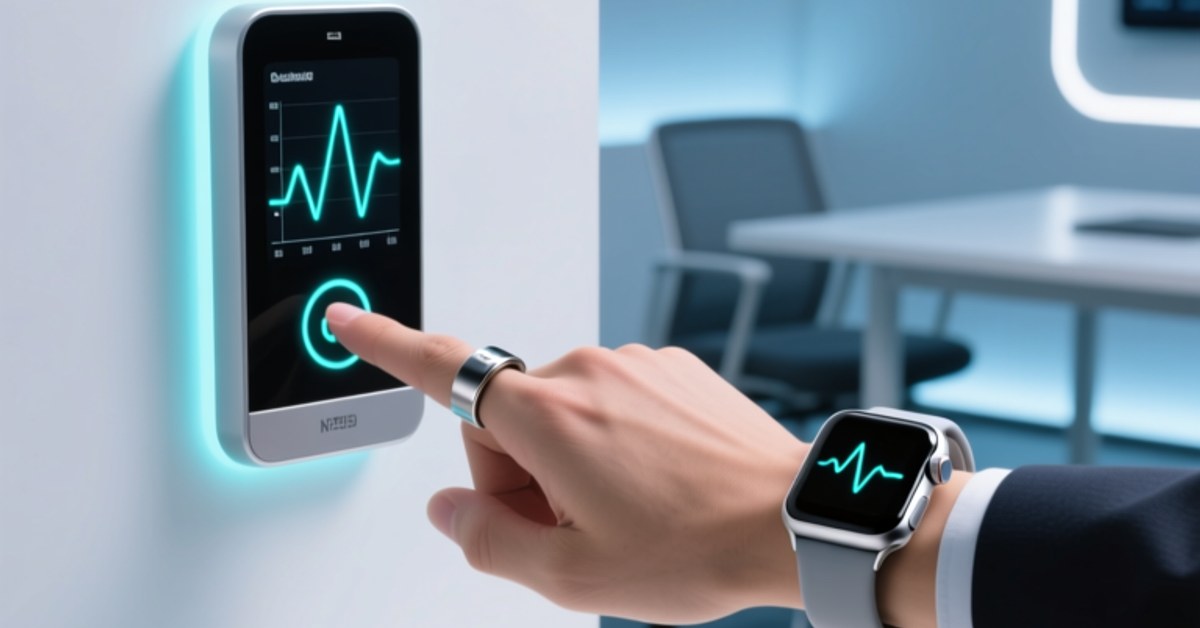
En ilgi çekici uygulamalardan biri giyilebilir tabanlı kimlik ve fiziksel erişimdir. Kart taşımak veya PIN'leri hatırlamak yerine, kullanıcılar bir NFC akıllı yüzüğüne veya bilekliğine dokunarak kimlik doğrulaması yapabilir. Bu, çeşitli sektörlerde nişten ana akıma hızla ilerledi:
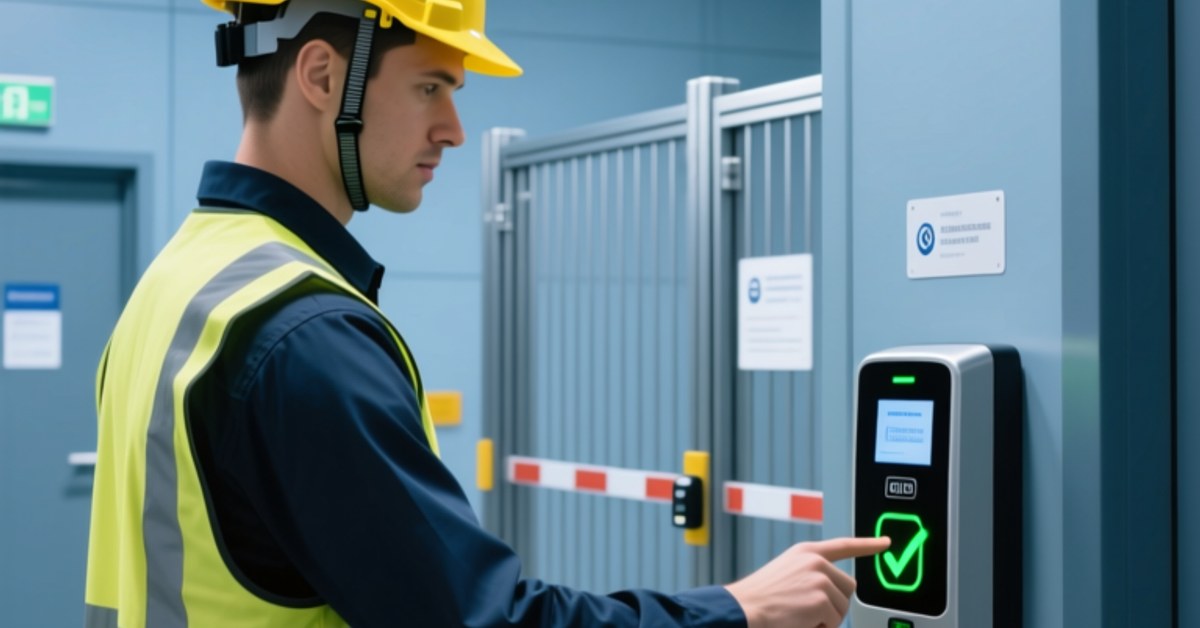
- Kurumsal & kampüs erişimi: Çalışanlar kullanıyor NFC bileklikleri veya ofislere girmek için anahtarlık tarzı giyilebilir cihazlar, otoparklar, ve kısıtlı bölgeler. ISO ile uyumlu okuyucular sayesinde mevcut erişim kontrol sistemleriyle entegrasyon kolaydır 14443 veya 15693 standartlar.
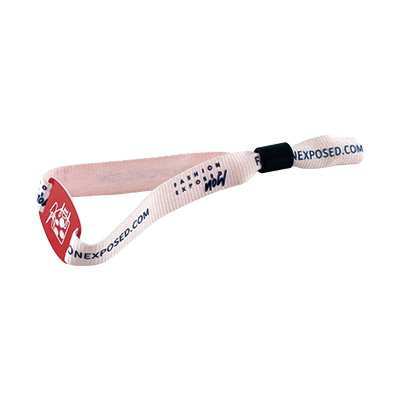
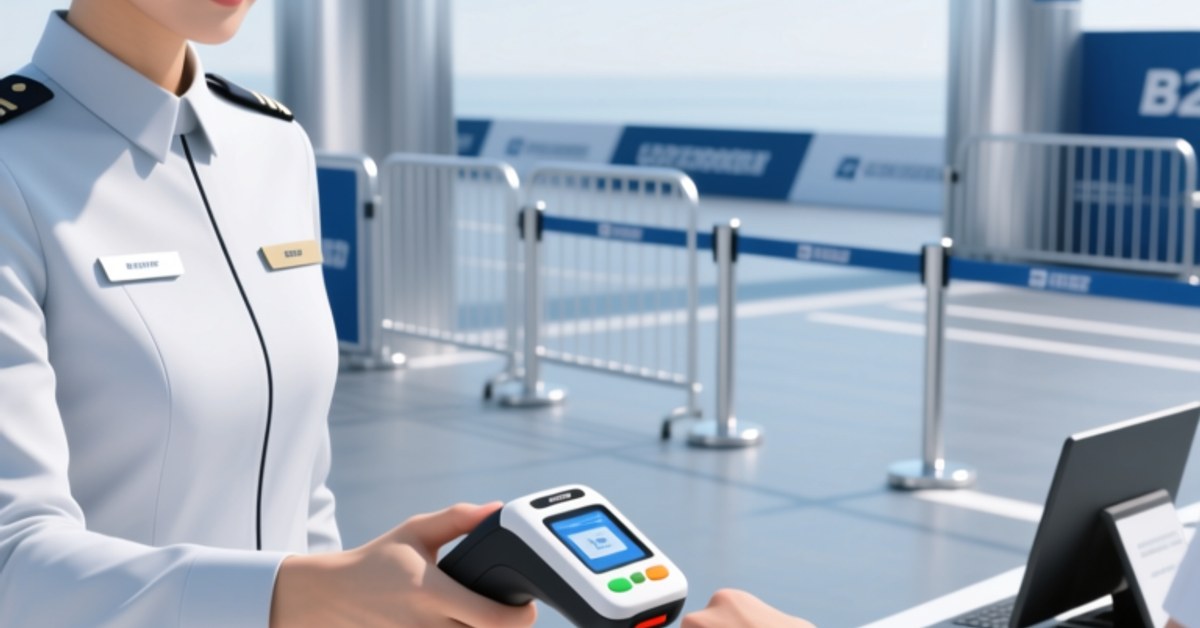
- Misafirperverlik & olaylar: Oteller, oda anahtarı ve nakitsiz ödeme jetonları görevi gören NFC silikon bileklikler çıkarıyor. Büyük ölçekli festivaller giriş kapıları için aynı teknolojiyi kullanıyor, kuyrukları ve dolandırıcılığı azaltmak. (Akıllı eğlencede NFC hakkında daha fazla bilgi edinin)
- Üyelik & bağlılık: Spor salonları ve kulüpler, kullanışlı bir üye kimliği olarak NFC giyilebilir ürünler sunuyor, otomat veya premium bölgeler için erişimi ödemeyle birleştirmek. Her dokunuş katılımı kaydedebilir, makine ayarlarını kişiselleştirme, veya özel içeriği tetikleyin.
Güvenlik açısından, modern NFC giyilebilir cihazlar, şifreleme ve karşılıklı kimlik doğrulamayla korunan dijital anahtarları saklayabilir. Kullanıcının dijital cüzdanına veya arka uç platformuna olan bağlantı, kaybolması durumunda anında devre dışı bırakılmasını sağlar. OEM'ler için, güvenli bir öğeye sahip giyilebilir bir cihaz tasarlamak (NXP NTAG DNA ailesinden bir çip gibi) işletmelerin talep ettiği bir güven katmanı ekler.
Sağlık Takibi: Giyilebilir Teknolojiler ile Tıbbi Ekosistemler Arasında Köprü Kurmak
NFC giyilebilir cihazlar sağlık ve sağlıklı yaşamda kritik araçlar olarak ortaya çıkıyor. Bluetooth'un aksine, eşleştirme gerektirir ve daha fazla güç tüketir, NFC hızlı olmasını sağlar, kasıtlı veri alışverişleri; ara sıra sağlık verileri yüklemeleri veya cihaz yapılandırması için idealdir.
- Hasta kimliği: Hastanede NFC bileziği takan bir hasta, her bakım noktasında taranabilir, elektronik sağlık kayıtlarına anında bağlanma. Bu, hataları azaltır ve önceliklendirmeyi hızlandırır.
- İlaç uyumu: Akıllı hap şişeleri veya giyilebilir yamalar, bir dozun ne zaman alındığını kaydetmek için NFC'yi kullanır. NFC akıllı saatten bir dokunuş, verileri bakıcı uygulamasına aktarabilir.
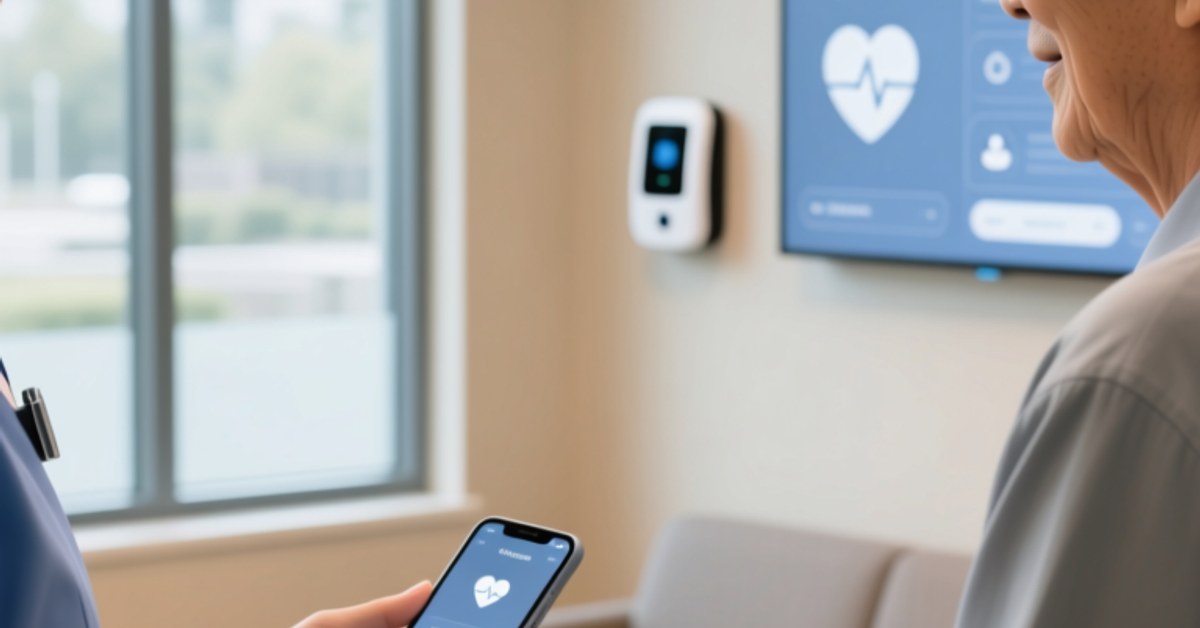
- Fitness & yaşamsal belirtilerin kaydedilmesi: NFC, akıllı yüzükler gibi giyilebilir cihazların spor salonu ekipmanlarıyla eşleşmesini sağlar, tıbbi terminaller, veya vücut sıcaklığı için ev merkezleri, kalp atış hızı, veya glikoz takibi. Kısa menzil mahremiyeti ve amacı garanti eder.
Sağlık uygulamalarına yönelik teknik gereklilikler katıdır: Etiketler neme dayanıklı olmalıdır, tekrarlanan sterilizasyon (yeniden kullanılabilen hasta bileklikleri için), ve cilt teması. Tıbbi sınıf silikonla kapsüllenmiş olanlar gibi endüstriyel sınıf NFC dolguları çok önemlidir. Dayanıklı NFC etiketlerine yönelik kılavuzumuz bu spesifikasyonları derinlemesine kapsar.
Giyilebilir NFC Entegrasyonu için Teknik Hususlar
NFC'yi yüzük veya ince bileklik gibi küçük bir form faktörüne entegre etmek dikkatli bileşen seçimi gerektirir. Aşağıdaki tablo temel hususları özetlemektedir:
>
| Parametre | Tipik Seçenekler | Giyilebilir Tasarıma Etkisi |
|---|---|---|
| NFC çipi tip | NTAG 213/215/216 (standart), NTAG 424 DNA (güvenli, şifrelenmiş) | Bellek boyutu, güvenlik seviyesi, ve maliyet; Kimlik uygulamaları için önerilen DNA. |
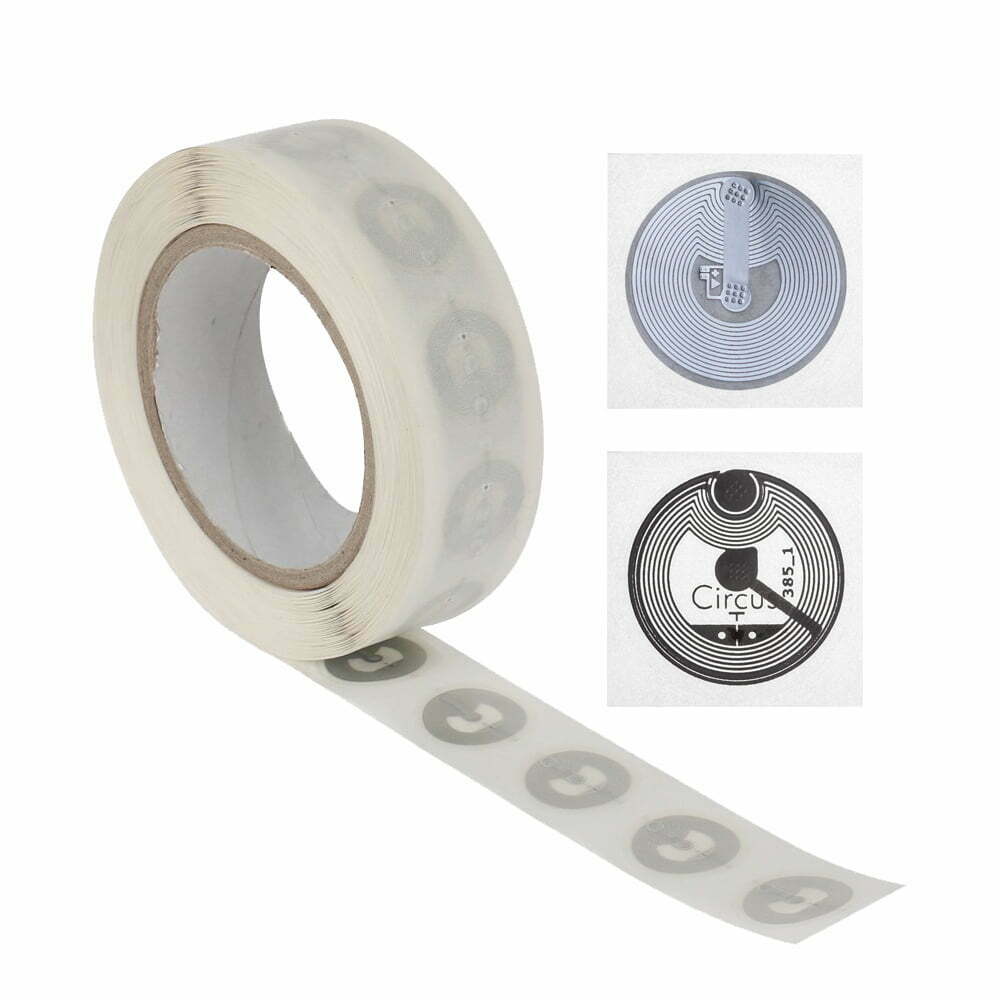
| Anten | Esnek PCB üzerine kazınmış veya PET üzerine basılmış bakır bobin | Daha küçük form faktörleri, daha ince anten izlerini ve okuma aralığı için dikkatli ayarlamayı gerektirir. 1-3 santimetre. |
| Yüzey & ambalajlama | Epoksi kapsüllü dolgu, silikon kalıplama, seramik halka kakma | Dayanıklılık gereksinimleri (su geçirmez, şok direnci); Silikon bileklikler genellikle basit entegrasyon için önceden hazırlanmış NFC kaplamaları kullanır. |
| Güç stratejisi | Pasif (okuyucu alanından hasat edildi) | Pil gerekmez; Yine de, Aktif NFC kart emülasyon modu için akıllı saatlerde kullanılabilir. Çoğu kimlik ve erişim görevi için pasif yeterlidir. |
Ek olarak, Giyilebilir cihazın birlikte çalışabilirliği sağlamak için NFC Forum standartlarına uygun olması gerekir. Ürün yöneticileri için, Önceden sertifikalı NFC kaplamaları sunan bir tedarikçiyle çalışmak, pazara sunma süresini önemli ölçüde kısaltır. Şu tarihte: RFIDHY, Kataloğumuz giyilebilir cihazlar için tasarlanmış çeşitli NFC kaplamaları içerir: Deri kayışlar için ultra ince ıslak kaplamalardan silikon bileklikler için sağlamlaştırılmış kaplamalara kadar. (RFIDHY'nin NFC çözümlerini keşfedin)
RFIDHY'nin Ürün Ekosistemi Giyilebilir Projenizi Nasıl Hızlandırıyor?
İster spor salonuna erişim için akıllı bir yüzüğün prototipini yapıyor olun, ister bir dizi hasta kimlik bileziğini ölçeklendiriyor olun, doğru bileşenlere sahip olmak çok önemlidir. Web sitelerimiz geniş yelpazede NFC/RFID giyilebilir cihazlar ve bileşenler sağlar:
- NFC silikon bileklikler: Rahat, su geçirmez, ve birden fazla renkte mevcuttur; konaklama ve erişim kontrolü için idealdir. Fabrikamız benzersiz kimlikleri önceden yükler ve verileri proje ihtiyaçlarınıza göre kodlar.
- NFC akıllı yüzükler: Gömülü yüksek performanslı NFC kaplamalara sahip seramik veya epoksi halkalar, hem Android hem de iOS okuyucularla uyumlu.
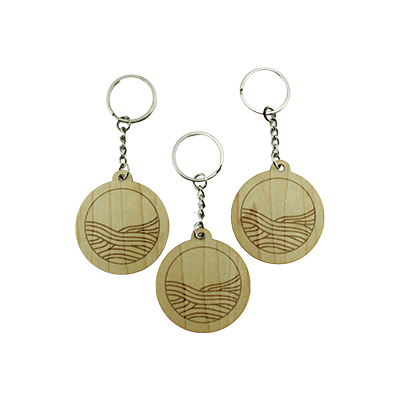
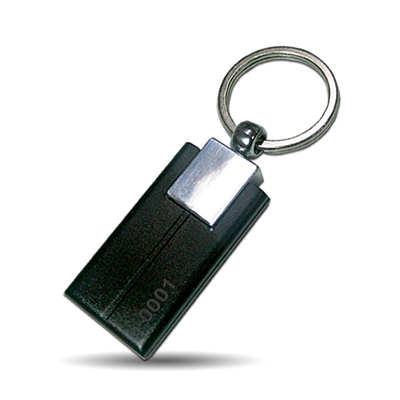
- NFC anahtarlıklar ve kartlar: Giyilebilir cihazların geleneksel tokenleri tamamladığı hibrit senaryolar için.
- Özel NFC kaplamaları: Özelleştirilmiş anten boyutu, çip, ve kendi giyilebilir muhafazanıza entegrasyon için bellek.
Tüm ürünler NFC kodlama ve tedarik zinciri esnekliği konusundaki uzmanlığımızla desteklenmektedir. Güvenli öğe tedariğine ihtiyaç duyan kuruluşlar için, NXP DNA çiplerini destekliyoruz ve anahtar yönetim altyapısını yönetebiliyoruz. Ziyaret etmek NFCWORK'ün ürün sayfası giyilebilir ürün yelpazemizin tamamı için.
Doğru Giyilebilir Stratejiyi Seçmek: Hızlı Bir Karşılaştırma
>
| Giyilebilir Tip | Şunun için en iyisi: | Önemli Teknik Özellikler |
|---|---|---|
| NFC akıllı yüzük | Kolaylık, minimal tasarım, spor salonu/üyelik kimliği | Pasif, pil olmadan çalışır, IP68 halka seçenekleri mevcut; sıklıkla NTAG kullanır 215/216 |
| NFC bilekliği | Olaylar, hastaneler, çok günlük kullanım | Ayarlanabilir uyum, güvenlik için kurcalanmaya karşı korumalı kapaklar; QR kodları ve değişken verilerle önceden basılabilir |
| NFC akıllı saat entegrasyonu | Çok fonksiyonlu cihazlar, sağlık + erişim | Yerleşik güvenli öğe, kart emülasyon modu; birden fazla sanal kart saklayabilir |
| NFC özellikli yama veya etiket | Tıbbi bağlılık, sensör veri kaydı | Ultra ince, esnek, sensörler içerebilir; Dinamik veriler için I2C arayüzü |
Çözüm
Giyilebilir teknolojilerdeki NFC, dokun-öde efsanesinin çok ötesinde olgunlaştı. Artık güvenli kimlik aracılığıyla gerçek iş değeri sunuyor, sürtünmesiz erişim, ve HIPAA uyumlu sağlık verileri aktarımı. OEM'ler ve ürün yöneticileri için, fırsat, doğru NFC bileşenlerini seçmede ve kullanıcıların günlük olarak benimsediği deneyimler oluşturmada yatmaktadır. Altyapı büyüdükçe, Bir kapıyı açan veya hayati önem taşıyan değerleri kaydeden giyilebilir cihaz, zamanı kontrol etmek kadar doğal hale gelecek.
SSS
- NFC halkası ofis erişim kartımın yerini alabilir mi??
- Evet, Erişim kontrol sisteminiz ISO gibi NFC standartlarını destekliyorsa 14443 (MIFARE). Halka, tesisinizin kimlik bilgisi formatıyla kodlanmalıdır, ve okuyucuların bir ürün yazılımı güncellemesine ihtiyacı olabilir. Birçok ticari bina halihazırda mobil erişimi benimsemiştir, NFC halka entegrasyonunu basit hale getiriyor.
- NFC sağlık giyilebilir cihazları pil gerektirir mi??
- Mutlaka değil. Pasif NFC etiketleri pil gerektirmez; piller okuma cihazının manyetik alanından güç alır. Bu, onları hasta kimliği veya hızlı veri kaydı için kullanılan yüzükler ve bileklikler için mükemmel kılar. Aktif NFC (pil ile) Akıllı saatlerde kart emülasyonu için kullanılır, ancak sağlık verilerinin dokunma yoluyla yüklenmesi genellikle pasiftir.
- Giyilebilir NFC kimlik açısından ne kadar güvenli??
- Güvenlik NFC çipine bağlıdır. Standart etiketler (NTAG 213/215/216) temel özgünlük imzalarına sahip olmak. Yüksek güvenlikli kimlik uygulamaları için, NTAG gibi çipler kullanın 424 AES şifrelemesini ve karşılıklı kimlik doğrulamayı destekleyen DNA. Sunucu tarafı doğrulamayla birleştirildi, giyilebilir NFC gelenekselin güvenliğini aşabilir RFID kartları.
- NFC giyilebilir cihazın tipik okuma aralığı nedir??
- Çoğu NFC giyilebilir cihazı, anten tasarımına bağlı olarak 1-3 cm dahilinde çalışır, okuyucu gücü, ve metal girişimi. Bu kısa menzil güvenlik ve gizlilik amacıyla tasarlanmıştır. Erişim kontrolü için, bu yeterli; sağlık verileri dokunarak bağlanma özelliği genellikle 1-2 cm'de çalışır.
- Logomu ve önceden programlanmış verilerimi içeren özel NFC bileklikleri alabilir miyim??
- Kesinlikle. RFIDHY ve ortak sitelerimiz tam özelleştirme sunuyor: renk, baskı, değişken QR kodları, ve URL'lerin önceden kodlanması, NDEF mesajları, veya güvenli anahtarlar. Minimum sipariş miktarları düşük, Prototiplemeyi erişilebilir kılmak. Ziyaret etmek NFCWORK Ürünleri daha fazla ayrıntı için.
Bir Sonraki NFC Giyilebilir Cihazınızı Oluşturmaya Hazır?
İster üyelik kulüpleri için akıllı yüzük tasarlıyor olun, büyük bir etkinlik için bileklik, veya bir hastane ağı için hasta kimlik bileziği, doğru NFC bileşenleri kritik öneme sahiptir. RFIDHY'nin dayanıklı NFC kaplamalardan tamamen özelleştirilmiş bilekliklere kadar kapsamlı portföyü, gelişiminizi hızlandırır ve güvenilirlik sağlar.
NFC Giyilebilir Ürünleri Keşfedin veya Uzmanlarımızla Konuşun