Tek İşyeri Kimlik Bilgisine Geçiş
Kurumsal tesisler ve BT liderleri, çalışanların binalara girişini basitleştirme konusunda baskı altında, paylaşılan hizmetleri kullan, ve iş günü boyunca ilerleyin. Geleneksel kurulumlar genellikle birden fazla kimlik bilgisi gerektirir: kapılar için yakınlık kartı, kağıt ziyaretçi kartı, yazdırma için ayrı bir kimlik, ve kafeterya ödemesi için başka bir kart. Bu parçalanma idari yük ve güvenlik boşlukları yaratıyor.
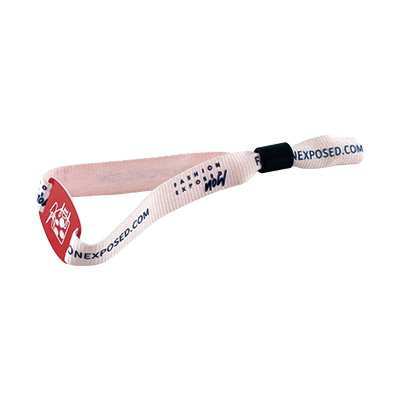
Bir NFC çalışan rozeti bu işlevleri tek bir temassız kimlik bilgisinde birleştirir. HF/NFC teknolojisi üzerine inşa edilmiştir, rozet modern erişim okuyucularıyla çalışır, ziyaretçi yönetim sistemleri, zaman ve katılım terminalleri, ve birçok işyeri hizmeti. Çünkü NFC özellikli kişiler tarafından okunabilir akıllı telefon sabit okuyucuların yanı sıra, aynı zamanda dijital katılım olanaklarını da açar, geçici kimlik bilgisi aktivasyonu, ve dokunarak paylaş kimlik iş akışları.
Tedarik ve operasyon ekipleri için, tek akıllı kimlik kartı erişimi program yeniden düzenlemeyi azaltabilir, Yüklenicinin katılımını basitleştirin, ve mevcut kapı donanımının tamamen elden geçirilmesine gerek kalmadan çalışan deneyimini iyileştirin. Aynı zamanda, doğru rozet yapısını seçme, çip platformu, kodlama yöntemi, ve entegrasyon yolu, dağıtımın güvenli ve ölçeklenebilir kalıp kalmayacağını belirler.
Modern Erişim Kontrolünde NFC Çalışan Rozetleri Nasıl Çalışır?
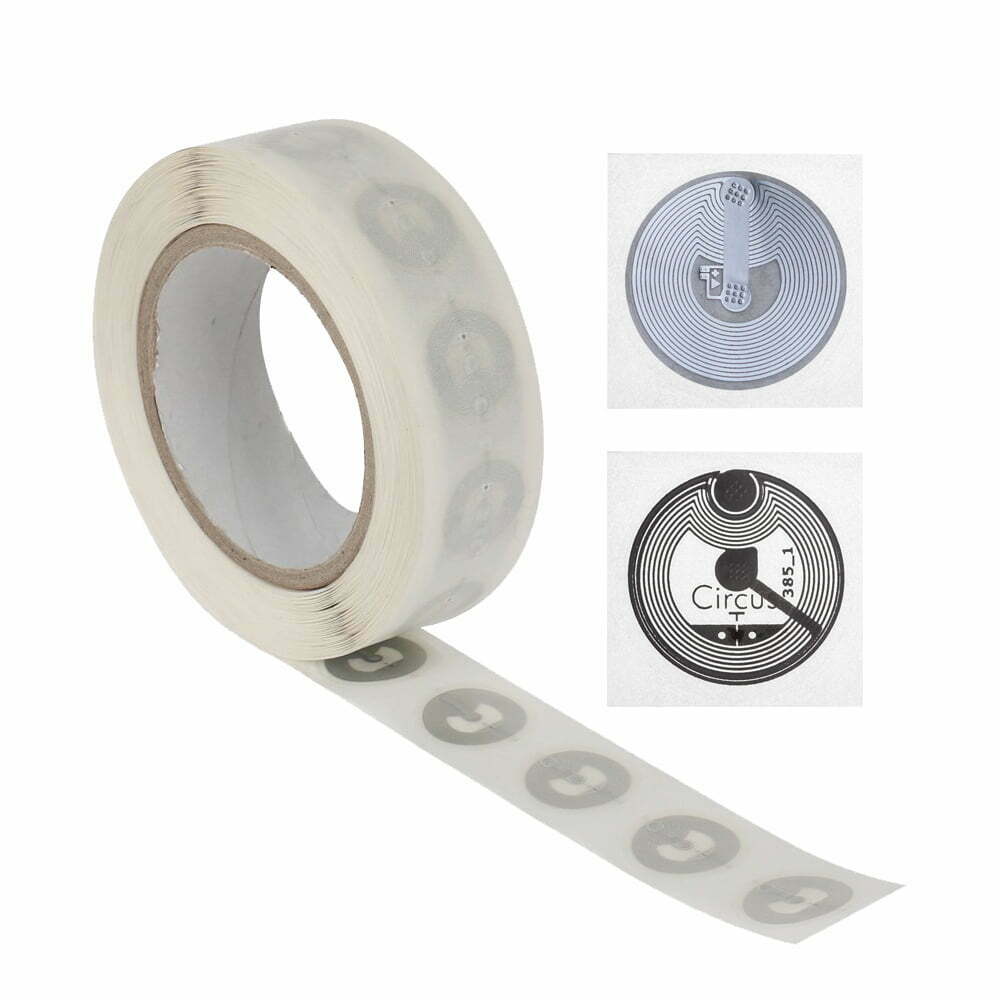
NFC çalışan rozetleri genellikle şu adreste çalışır: 13.56 MHz ve ISO ile uyumlu 14443 veya ISO 15693 standartlar. Pasif bir entegre devre ve PVC'ye gömülü bir anten içerirler., kompozit, veya polikarbonat kart gövdesi. NFC özellikli bir okuyucuya veya modern bir akıllı telefona sunulduğunda, rozet, okuyucu alanından enerji çeker ve çip ve sistem konfigürasyonuna bağlı olarak şifreli veya düz veri alışverişi yapar.
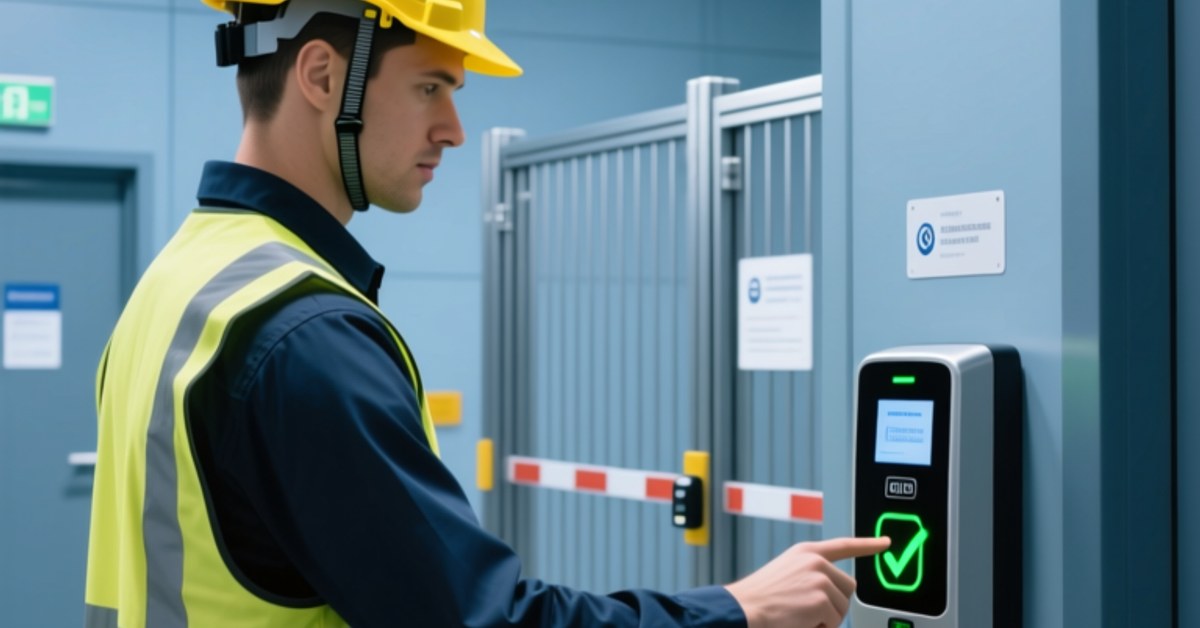
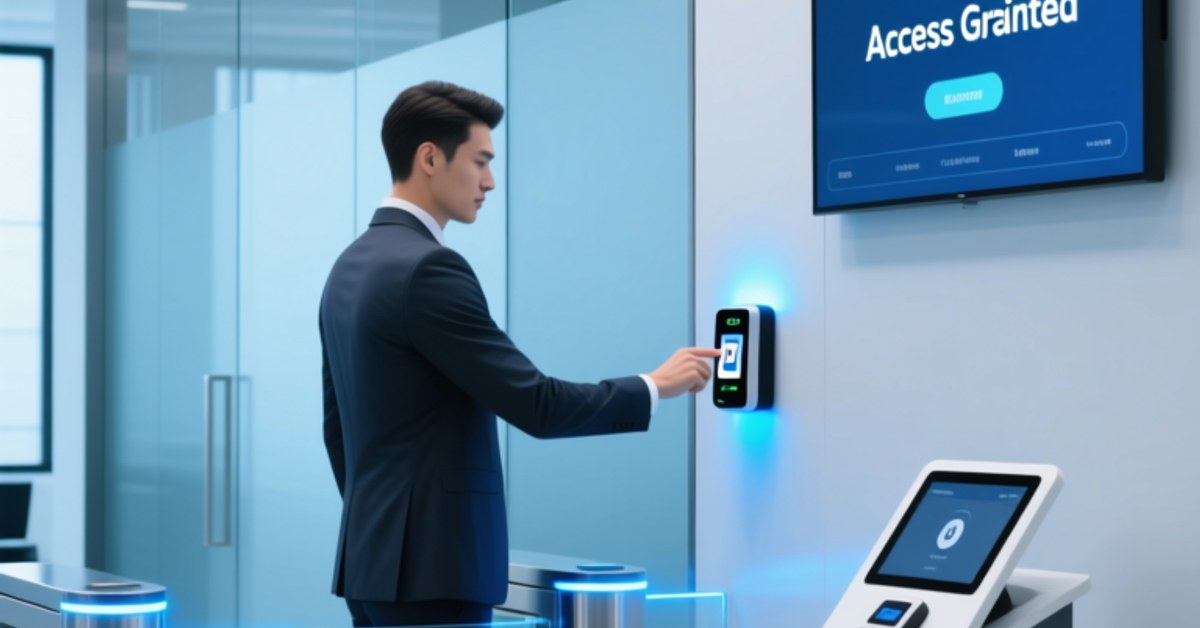
Ofis ortamlarında, kapılarda duvara monte okuyucular, turnikeler, asansör, ve park kapıları fiziksel erişim kontrol sistemi ile entegre edilebilir. Sabit RFID okuyucu veya NFC okuyucu paneli, rozet tanımlayıcıyı denetleyiciye gönderir, programlara göre erişimi doğrulayan, bölgeler, ve temizleme seviyeleri. Aynı rozet, klonlamayı önlemek için karşılıklı kimlik doğrulamayı ve çeşitlendirilmiş anahtarları destekleyebilir.
Yaygın ofis erişim kontrolü NFC entegrasyon noktaları şunları içerir::
- Lobilerde kapı girişi okuyucuları, ofisler, ve kısıtlı zeminler
- Kampüs girişlerinde turnikeler ve hızlı geçiş kapıları
- Kat seviyesi kısıtlamaları için asansör varış yeri kontrol panelleri
- Araç erişimi için park bariyerleri
- Çok faktörlü gereksinimlere sahip sunucu odası ve veri merkezi kapıları
Mevcut Altyapıyı Değiştirmeden Erişim Kontrolü Entegrasyonu
Yaygın endişelerden biri, NFC rozetlerinin dağıtılmasının okuyucunun toptan değiştirilmesini gerektirip gerektirmediğidir. Birçok durumda, öyle değil. Birçok mevcut 13.56 MHz okuyucular zaten MIFARE DESFire'ı destekliyor, MIFARE Klasik, veya diğer NFC uyumlu çipler. Mevcut erişim sistemi eski düşük frekansı kullanıyorsa 125 kHz yakınlık kartları, aşamalı bir geçiş gerekli olabilir, ancak bu geçiş, öncelikle kritik kapılara NFC özellikli okuyucular eklenerek planlanabilir.
Entegrasyon genellikle PACS satıcısının API'si veya standart protokolleri aracılığıyla gerçekleştirilir. Erişim kontrol yazılımı, kartın seri numarasını veya uygulama kimliğini saklar ve bunu bir çalışan kaydına bağlar. Çalışan rozeti sunulduğunda, sistem izinleri kontrol eder. Birden fazla binaya veya karma okuyucu filosuna sahip kuruluşlar için, Kimliğin tek bir dizinde merkezileştirilmesi, rozet yaşam döngüsü yönetimini basitleştirir.
Dahili kaynaklar ekiplerin seçenekleri değerlendirmesine yardımcı olabilir: gözden geçirmek NFC kartları ve etiketleri Ve akıllı işyeri çözümleri kimlik bilgisi formatını seçmeden önce.
Pilsiz Rozet Tasarımının Avantajları
NFC çalışan rozetlerinin önemli bir avantajı pasif ve pilsiz olmalarıdır. Aktifin aksine RFID etiketleri veya pil gerektiren Bluetooth özellikli rozetler, NFC akıllı kimlik kartları dahili güç kaynağı gerektirmez. Bunun doğrudan operasyonel faydaları var:
- Daha düşük toplam sahip olma maliyeti: Pil değişimi yok, şarj istasyonları, veya atılmış piller.
- Daha uzun servis ömrü: Çip ve anten fiziksel olarak sağlam olduğu sürece rozet işlevsel kalır.
- Beklenmeyen arızalar yok: Pille çalışan bir rozet kapıda başarısız olabilir; pasif bir rozet, okuyucuya güç verildiği sürece çalışır.
- İnce ve dayanıklı form faktörü: Pilsiz kartlar ince olabilir, yazdırılabilir, ve mevcut kimlik kartı sahipleriyle uyumludur.
- Daha kolay sürdürülebilirlik: Daha az sarf malzemesi ve daha az elektronik atık, kurumsal sürdürülebilirlik hedeflerini destekler.
Bina yöneticileri için, pilsiz rozetler aynı zamanda ölü kimlik bilgileriyle ilgili daha az yardım masası talebi anlamına da gelir. Pasif NFC teknolojisinin güvenilirliği, onu yoğun trafikli çalışan girişleri ve haftalarca kullanılmadan durabilecek yüklenici yaka kartları için uygun hale getirir.
>
| Yetenek | Pilsiz NFC rozeti | Pille çalışan aktif rozet |
|---|---|---|
| Güç kaynağı | Okuyucu alanı | Dahili pil |
| Bakım yükü | Asgari | Pilin değiştirilmesi veya yeniden şarj edilmesi |
| Tipik okuma aralığı | Temassız, kısa ila orta | Daha uzun menzilli olabilir |
| En uygun | Kapı erişimi, çalışan kimliği, ziyaretçi kartları | Uzun mesafeli konum takibi veya gerçek zamanlı algılama |
Çalışan Rozetleri için Kart Malzemeleri ve Form Faktörü
Tesis ekipleri genellikle rozetin fiziksel tasarımını gözden kaçırıyor. Günlük kullanım için, sık kullanıma dayanıklı kart gövdelerini seçin, kordon kullanımı, ve ara sıra neme veya ısıya maruz kalma. PVC, Evcil hayvan, ve polikarbonat kompozit kartlar yaygındır. Boyun askıları için delikli zımba veya klipsli bağlantı seçeneği gerekli olabilir. Yüklenici ortamları için, dayanıklı kompozit gövdeler değiştirme oranlarını azaltabilir.
Yazdırma veya görsel kimlik için aynı kimlik bilgisi kullanılıyorsa, kart yüzeyinin yüksek kaliteli baskıyı desteklediğinden emin olun. Birçok kuruluş birleşiyor NFC cipsleri çalışan fotoğrafları ile, bölümler, ve acil durum iletişim bilgileri. Önceden basılmış veya şirket içi kişiselleştirme süreci, kart stoğu ve yazıcı sarf malzemeleri seçimini etkilediği için erken tanımlanmalıdır..
Akıllı Telefonları Tamamlayıcı Kimlik Bilgisi Olarak Kullanmak
Çünkü NFC rozetleri birçok NFC özellikli kartla aynı teknoloji üzerine kurulmuştur. akıllı telefon, kuruluşların kimliklerini mobil erişim cüzdanlarına genişletme seçenekleri vardır. Rozet tabanlı bir program, hemen telefonlara geçmeyi gerektirmez, ancak temel kimlik bilgisi formatı istenirse gelecekteki mobil erişimi destekleyecek şekilde seçilebilir. Çalışanların halihazırda telefonlarını yanlarında bulundurdukları tesis girişleri için, bu rozet bağımlılığını azaltabilir. Fakat, Ziyaretçiler için fiziksel rozetler önemini koruyor, müteahhitler, telefonlara izin verilmeyen alanlar, ve gözle görülür şekilde tanımlanabilir bir kimlik bilgisi olarak.
Bu hibrit yaklaşım daha ayrıntılı olarak tartışılmaktadır. NFC özellikli akıllı telefon sayfa.
Ziyaretçi ve Yüklenici Yönetimi
Ziyaretçi ve yüklenici yönetimi birçok ofis güvenlik programında en zayıf noktalardan biri olmaya devam ediyor. Kağıt ziyaretçi günlükleri, el yazısıyla yazılmış rozetler, ve manuel eskortların denetlenmesi zordur ve kampüs genelinde ölçeklendirilmesi zordur. NFC çalışan rozeti programı, ziyaretçiler için geçici kimlik bilgilerini kapsayacak şekilde genişletilebilir, Satıcılar, ve müteahhitler. Ne zaman ziyaretçi rozeti yönetimi tamamen dijital, ön büro ekipleri, manuel günlükler olmadan geçişleri düzenleyebilir ve iptal edebilir.
NFC Kartlarıyla Ziyaretçi Girişini Kolaylaştırma
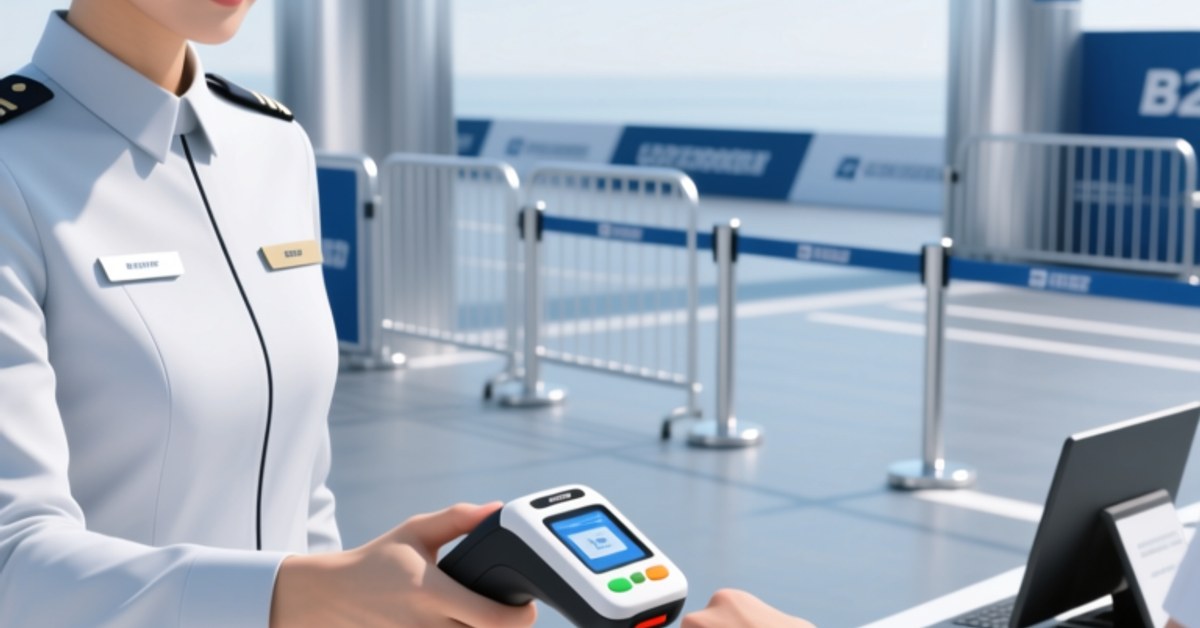
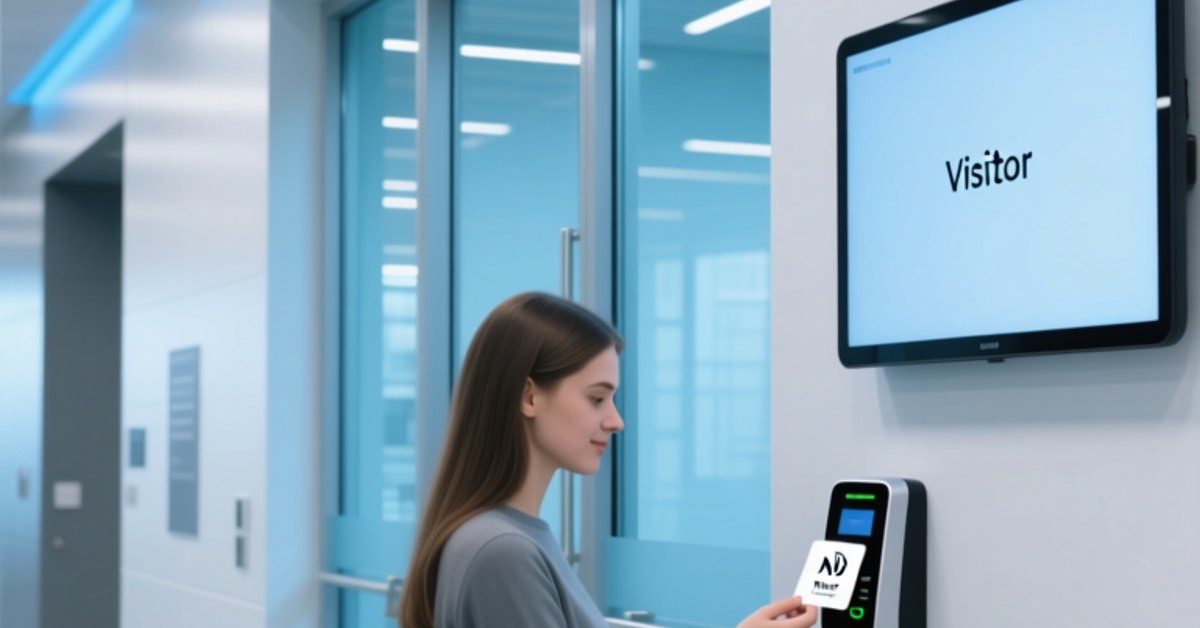
Bir ziyaretçi yönetim sistemi bir masaüstü bilgisayar kullanabilir RFID okuyucu veya bir ziyaretçi geldiğinde geçici bir kartı kodlamak için resepsiyon masasındaki NFC okuyucu. Ziyaretçi yönetim sisteminden alınan ön kayıt verileri yaka kartı seri numarasına bağlanabilir, ön büro personelinin saniyeler içinde yaka kartı vermesine olanak sağlamak. Aynı rozet şu şekilde programlanabilir::
- Geçerli giriş ve çıkış zamanı pencereleri
- Belirli katlara erişim, toplantı odaları, ve ortak alanlar
- Ziyaretçi geldiğinde ev sahibi-çalışan bildirimi
- Ziyaretin sonunda otomatik sona erme
Çünkü rozet pasiftir, ziyaretçiler Bluetooth'u kapatarak veya pili biterek yanlışlıkla devre dışı bırakamaz. Ziyaretçinin kartı belirlenen okuyuculara sunması yeterlidir.. Günün sonunda, yaka kartı resepsiyon havuzuna geri döner veya tek seferlik ziyaretçiler için kalıcı olarak devre dışı bırakılır.
Yüklenici ve Geçici Erişim Kontrolü
Yükleniciler genellikle tek seferlik ziyaretçilere göre daha geniş erişime ihtiyaç duyar, ancak erişimleri yine de sınırlı olmalı, iptal edilebilir, ve denetlenebilir. Yüklenicilere yönelik çoklu uygulamalı bir NFC rozeti belirlenmiş bölgeleri içerebilir, zaman kısıtlamaları, ve güvenlik veya uyumluluk durumu. Yüklenici görevi sona ererse, kimlik kaydı merkezi olarak iptal edilebilir, ve rozet artık erişim izni vermeyecek.
Tesis ekipleri için, Çalışanlar ve yükleniciler için aynı kimlik bilgisi altyapısının kullanılması, ayrı bir geçici kimlik kartı sistemi bulundurma ihtiyacını azaltır. Aynı zamanda tutarlı bir denetim izi oluşturur. Bir taşeron katlar veya proje alanları arasında hareket ettiğinde, erişim politikası rozeti takip eder.
Çoklu Uygulama Rozeti: Tek Kart, Birçok Kullanım
NFC çalışan rozetinden elde edilen en yüksek değer, yalnızca bir kapı anahtarı olarak değil, çoklu uygulama kimlik belgesi olarak ele alındığında elde edilir. Tesisler ve BT yöneticileri, erişim kontrolü temeli stabil hale geldikten sonra işyeri hizmetlerini aşamalı olarak ekleyebilir.
Tipik çoklu uygulama kullanımları şunları içerir::
>
| İşyeri Hizmeti | NFC Rozeti Kullanım Örneği |
|---|---|
| Fiziksel erişim | Kapılar, turnikeler, asansör, otopark |
| Zaman ve katılım | Çalışma alanlarındaki giriş/çıkış terminalleri |
| Mantıksal erişim | PC girişi, VPN, PKI veya SSO ile eşleştirildiğinde yazıcının serbest bırakılması |
| Kafeterya ve otomat | Nakitsiz ödeme veya yemek planı bakiyesi |
| Toplantı odaları | Rezervasyon onayı ve oda paneli girişi |
| EV şarjı | Şarj istasyonlarında çalışanların kimlik doğrulaması |
pratikte, tek kart ve birçok kullanım, bina hizmetleri arasında yakın koordinasyon gerektirir, güvenlik, ve BT. Ortak bir mimari, kapı erişimi için yetkili kaynak ve diğer hizmetler için kimlik yönetimi platformu olarak PACS'ı kullanır. Rozet çipi birden fazla uygulama içerebilir, ancak arka uç sistemi her hizmetin ne yapabileceğini belirler. Bu, iptal işleminin merkezi olmasını sağlar: bir çalışan ayrıldığında, tüm hizmetler aynı anda durdurulur.
Geçici veya dışarıdan temin edilen işgücüne sahip kuruluşlar için, çoklu uygulama rozeti, sınırlı işlevli yüklenici kimlik belgesi olarak da verilebilir. Örneğin, bir yiyecek-içecek yüklenicisi belirli saatlerde servis asansörlerine ve belirli bir kata erişim hakkına sahip olabilir, artı kafeterya izin verildiği takdirde nakitsiz ödeme. Aynı rozet ilgisiz bina erişimine izin vermez.
Tesisler ve BT Ekipleri için Dağıtım Konuları
Başarılı bir NFC çalışan rozeti dağıtımı, bir kart ve okuyucu seçmekten daha fazlasıdır. Güvenlik genelinde uyum gerektirir, tesisler, İK, ve BT. Aşağıdaki hususlar riski azaltmaya ve yeniden çalışmayı önlemeye yardımcı olur.
1. Kimlik Bilgisi Teknolojisini ve Güvenlik Gereksinimlerini Tanımlayın
Bir tane seçin NFC çipi mevcut veya gelecekteki okuyucularınızın desteklediği platform. Yaygın olarak dikkate alınan hususlar arasında çip bellek boyutu yer alır, şifreleme desteği, ve rozetin yalnızca seri numarasını mı yoksa dijital ofis kimlik bilgileri gibi ek verileri mi saklayacağı. Yüksek güvenlikli tesisler için, Yalnızca kartın seri numarasına güvenmek yerine, karşılıklı kimlik doğrulamayı ve çeşitlendirilmiş anahtarları destekleyen çipleri seçin.
2. Kayıt ve Kodlama İş Akışlarını Planlayın
Kişiselleştirme, masaüstü RFID okuyucu ve yaka kartı yazdırma yazılımıyla şirket içinde gerçekleştirilebilir, veya önceden kodlanmış bir rozet hizmeti aracılığıyla. Harici bir büro kullanılıyorsa, çalışan verilerinin nasıl aktarıldığını tanımlayın, kart seri numaraları erişim sistemine nasıl aktarılır?, ve kalite kontrolün nasıl doğrulandığı. Ziyaretçi ve yüklenici rozetleri için, ön büronun basit olduğundan emin olun, tekrarlanabilir kodlama işlemi.
3. Tam Kullanıma Almadan Önce Pilot
Tek bir binayla başlayın, bir kat, veya küçük bir çalışan grubu. Okuyucu performansını doğrulayın, rozet yönelimi, kordon ve tutucu efektleri, ve sistem gecikmesi. Pilot çalışma aynı zamanda çift teknolojili okuyucular gibi uç durumların belirlenmesine de yardımcı olur, kapı erişimi, ve asansör entegrasyonu. Kampüs genelinde genişlemeden önce şirket içi eğitim materyallerini iyileştirmek için pilot uygulamayı kullanın.
4. İptal ve Yaşam Döngüsü Yönetimini Oluşturun
Kaybolan veya çalınan rozetler derhal iptal edilmelidir. Erişim kontrolü yazılımı, İK veya güvenlik ekiplerinin, diğer hizmetleri etkilemeden bir kartı devre dışı bırakmasına ve yenisini vermesine olanak sağlamalıdır.. Açık bir kimlik bilgisi yaşam döngüsü — istek, onaylamak, kodlamak, atamak, askıya almak, yenilemek, iptal et—sistemi denetlenebilir tutar ve yetim hesapları azaltır.
5. Adres Gizliliği ve Çalışan İletişimi
Çünkü NFC rozetleri birden fazla hizmeti destekleyebilir, Hangi verilerin saklandığı ve nasıl kullanıldığı konusunda şeffaf olun. Rozetin yalnızca bir tanımlayıcı mı yoksa ek kişisel veri mi depoladığını belirtin. Çalışanların akıllı telefona dokunma etkileşimleri konusunda endişe duyabileceği yerler için, NFC çalışan rozetlerinin okuyucuya sunulmadığı sürece veri aktarmadığını açıklığa kavuşturun.
6. Yaygın Kullanıma Alma Hatalarından Kaçının
Çeşitli sorunlar, sağlam bir NFC rozeti dağıtımını raydan çıkarabilir:
- Okuyucu sitesi anketini atlama: Mevcut kapı kontrolörleri ve okuyucu modelleri seçilen NFC çipini desteklemeyebilir.
- Kart seri numarasını tek güvenlik kontrolü olarak kullanma: Seri numaraları kopyalanabilir. Yüksek riskli alanların söz konusu olduğu durumlarda güvenli kimlik doğrulamayı kullanın.
- Erişim kontrolü stabil hale gelmeden önce tüm uygulamaları kodlama: Fiziksel erişim güvenilir bir şekilde çalıştıktan sonra hizmet eklemek daha kolaydır.
- Çalışan iletişiminin ihmal edilmesi: Rozetin nasıl ve nerede kullanılacağına ilişkin kafa karışıklığı yardım masası yükünü artırabilir.
- Ziyaretçi ve yüklenici rozetlerini sonradan akla gelen bir düşünce olarak ele almak: Geçici kimlik bilgileri, çalışan rozetleriyle aynı yaşam döngüsü kontrollerine ihtiyaç duyar.
NFC Çalışan Rozetleri için İş Senaryosunun Oluşturulması
Tesisler ve BT yöneticilerinin sıklıkla eski rozetlerden geçişi gerekçelendirmeleri gerekir. En güçlü argüman operasyonel verimliliktir, güvenlik iyileştirmesi, ve daha düşük kimlik bilgisi yaşam döngüsü maliyeti. Yalnızca donanım fiyatına odaklanmak yerine, toplam maliyeti üç ila beş yıl boyunca değerlendirin. Pilsiz rozetler pil değişimini ortadan kaldırır ve yeniden basımı azaltır, ve birden fazla kimlik bilgisini tek bir rozette birleştirmek yönetim karmaşıklığını azaltır.
Pratik bir iş vakası şunları içerir::
- Kaybolan veya kırılan yaka kartları için azaltılmış masa tarafı desteği
- Resepsiyonda daha hızlı ziyaretçi işlemleri
- Yükleniciler ve geçici erişim için daha iyi denetim yolları
- Ayrı yemek maliyeti kaldırıldı, baskı, ve park kartları
- Ayrılma ve erişimin iptali için daha az manuel müdahale
Parçalanmış Kimlik Bilgilerinden Tek Akıllı Kimliğe
Kurumsal ofisler ayrı yakınlık kartlarından uzaklaşıyor, kağıt ziyaretçi geçiş kartları, ve tek amaçlı rozetler. NFC çalışan rozeti, birleşik bir iletişim için pratik bir yol sağlar işyeri NFC kimliği güvenliği artıran, idari yükü azaltır, ve kapı erişiminden öğle yemeği ödemesine kadar günlük operasyonları destekler. Pilsiz rozet tasarımına odaklanarak, mevcut erişim kontrolüyle entegrasyon, ziyaretçi ve yüklenici yönetimi, ve çoklu uygulamaya hazırlık, tesisler ve BT yöneticileri kuruluşa göre ölçeklenen bir sistemi devreye alabilir.
SSS
NFC çalışan rozetleri ofis erişimi için yeterince güvenli mi??
Evet, şifreleme ve uygun erişim politikalarıyla uygulandığında. Karşılıklı kimlik doğrulamayı destekleyen rozet çiplerini seçin ve çeşitli anahtarları doğrulayan bir fiziksel erişim kontrol sistemi kullanın. Yüksek güvenlikli alanlar için yalnızca seri numaralarına güvenmekten kaçının.
NFC rozetleri mevcut kart okuyucularla çalışır mı??
Pek çok modern 13.56 MHz okuyucular zaten NFC uyumlu rozetleri destekliyor. Mevcut sisteminiz eski sistemi kullanıyorsa 125 kHz yakınlık kartları, aşamalı bir okuyucu yükseltmesi gerekebilir. Bir site araştırması uyumluluk boşluklarını belirleyecektir.
Ziyaretçi rozetlerinin süresi otomatik olarak dolabilir mi??
Evet. Geçici rozetler tarih ve saat kısıtlamalarıyla programlanabilir. Erişim penceresi geçtikten sonra, PACS, fiziksel kimlik kartı korunsa bile girişi reddeder.
Park etmek için bir NFC rozeti kullanılabilir mi?, baskı, ve kafeterya ödemesi?
Evet. Çoklu uygulama NFC rozeti, fiziksel erişim için bölümlere ayrılabilir, zaman ve katılım, mantıksal erişim, ve depolanmış değer hizmetleri. Gelecekteki genişletmeyi basitleştirmek için çip bellek yapısını kullanıma sunmadan önce planlayın.
Bir çalışan rozetini kaybettiğinde ne olur??
Yaka kartı erişim kontrol sisteminde anında iptal edilebilir ve fiziksel kapı donanımını değiştirmeden yenisi verilebilir. Bu, diğer çalışanları rahatsız etmeden tesisi yetkisiz kullanıma karşı korur.
Pilsiz NFC rozetlerinin şarj edilmesi gerekir mi??
HAYIR. Pasif NFC rozetleri okuyucu alanından güç alır, böylece pil veya şarja ihtiyaç duymazlar. Bu, bakımı azaltır ve ölü pillerden kaynaklanan arıza süresini ortadan kaldırır.
NFC ile İşyeri Erişiminizi Modernleştirin
NFCWORK Teknolojisi, kurumsal tesislerin ve entegratörlerin, erişim kontrolünden ziyaretçi yönetimine ve çoklu uygulama kimliğine kadar pratik NFC çalışan rozeti programları tasarlamasına yardımcı olur.
- Pilsiz akıllı kimlik kartı dağıtım kılavuzu
- Okuyucu, kart, ve kodlama uyumluluğu desteği
- Ölçeklenebilir ziyaretçi ve yüklenici kimlik bilgileri iş akışları
İş yeriniz NFC kimlik projeniz hakkında ekibimizle konuşun veya keşfet NFC ürünleri.