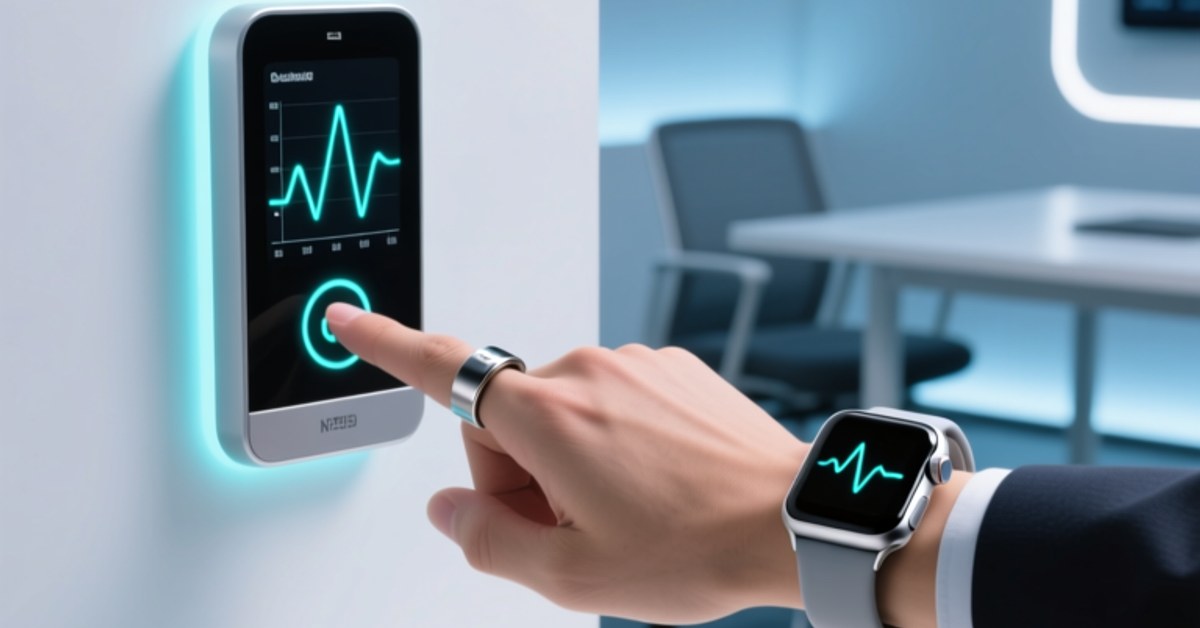
Rosnąca rola NFC w technologii noszenia
Komunikacja Near Field Communication od dawna jest kojarzona z płatnościami zbliżeniowymi, ale jego potencjał w zakresie inteligentnych urządzeń do noszenia rozciąga się teraz na tożsamość, kontrola dostępu, i monitorowanie stanu zdrowia. Dla producentów urządzeń do noszenia i menedżerów produktu, osadzenie NFC otwiera bramę do aplikacji korporacyjnych i konsumenckich, które wymagają bezpieczeństwa, prostota, i natychmiastową wymianę danych. Ta zmiana na nowo definiuje, czym jest pierścień, mankiet, lub smartwatch może osiągnąć więcej niż tylko wskazywanie czasu i liczenie kroków.
W rdzeniu, urządzenie do noszenia NFC zawiera mały pasywny lub aktywny znacznik, który komunikuje się z czytelnikami z bliskiej odległości. Z zainstalowaną na całym świecie bazą NFC smartfony i infrastruktura, urządzenia do noszenia mogą wykorzystywać istniejące ekosystemy do celów meldowania się w hotelach, odznaka firmowa, uwierzytelnianie klubu fitness, a nawet parowanie urządzeń medycznych. Technologia charakteryzuje się niskim poborem mocy, standaryzowane protokoły, i solidne funkcje bezpieczeństwa sprawiają, że idealnie nadaje się do kompaktowych rozmiarów, urządzenia zawsze włączone.
Tożsamość i dostęp: Twoje urządzenie do noszenia jako klucz
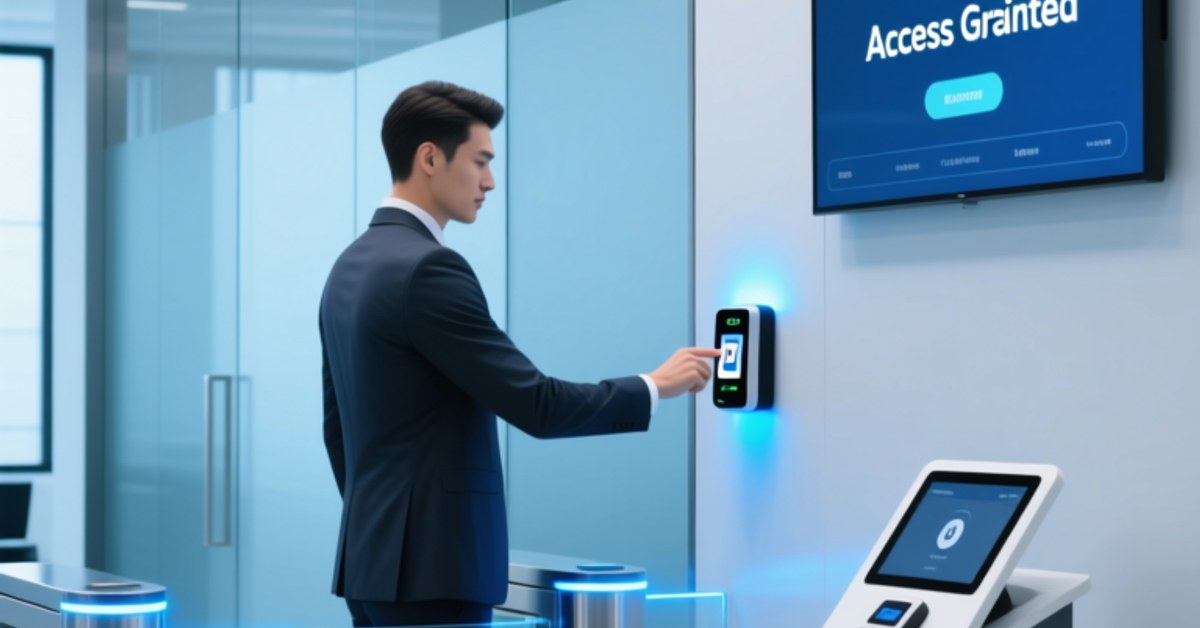
Jednym z najbardziej atrakcyjnych zastosowań jest tożsamość oparta na urządzeniach do noszenia i dostęp fizyczny. Zamiast nosić karty i zapamiętywać PIN-y, użytkownicy mogą uwierzytelniać się za pomocą inteligentnego pierścienia lub opaski NFC. W kilku branżach zjawisko to szybko przeniosło się z niszy do głównego nurtu:
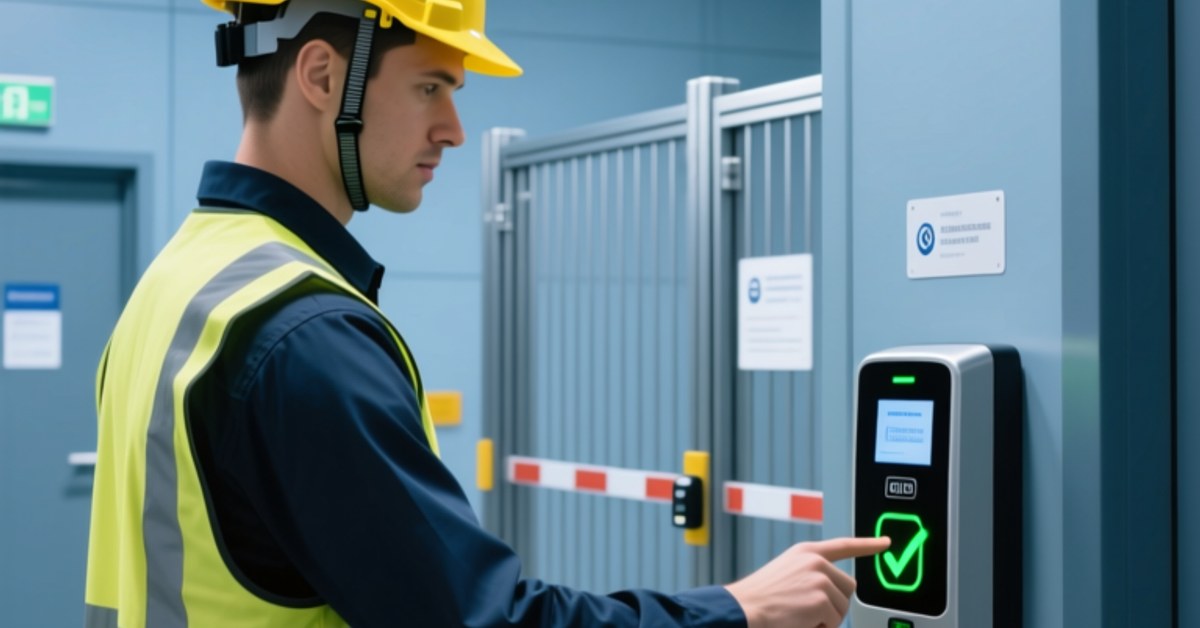
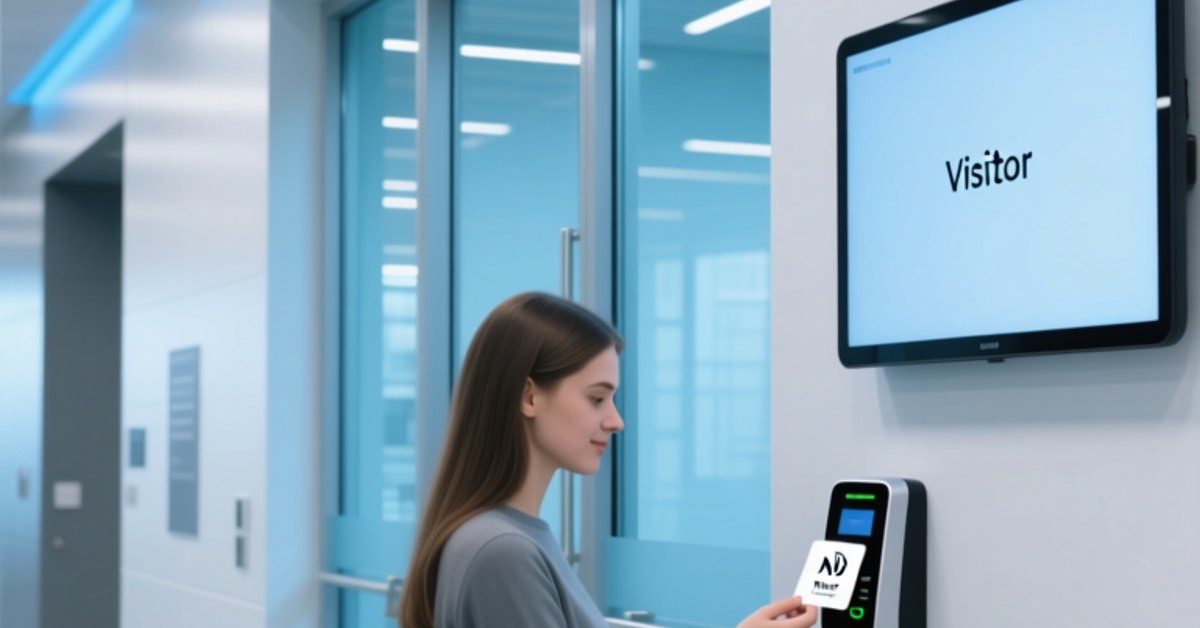
- Zbiorowy & dostęp do kampusu: Pracownicy korzystają Opaski na rękę NFC lub urządzenia do noszenia w stylu pilota, umożliwiające wejście do biura, garaże, i strefy zamknięte. Integracja z istniejącymi systemami kontroli dostępu jest prosta dzięki czytnikom kompatybilnym z ISO 14443 Lub 15693 standardy.
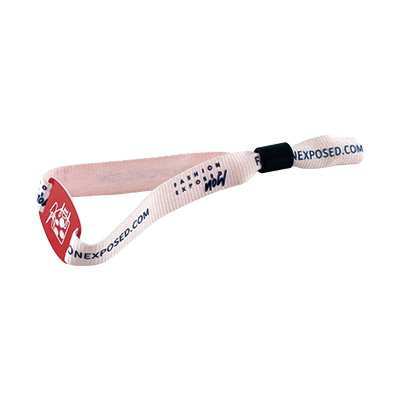
- Gościnność & wydarzenia: Hotele wydają silikonowe opaski NFC, które pełnią funkcję kluczy do pokoju i tokenów do płatności bezgotówkowych. Festiwale na dużą skalę wykorzystują tę samą technologię w przypadku bram wejściowych, ograniczenie kolejek i oszustw. (Dowiedz się więcej o technologii NFC w inteligentnej rozrywce)
- Członkostwo & lojalność: Siłownie i kluby oferują urządzenia do noszenia NFC jako wygodny identyfikator członkowski, łączenie dostępu z płatnością za vending lub strefy premium. Każde dotknięcie może rejestrować frekwencję, personalizować ustawienia urządzenia, lub wywołaj niestandardową zawartość.
Z punktu widzenia bezpieczeństwa, nowoczesne urządzenia do noszenia z NFC mogą przechowywać klucze cyfrowe chronione przez szyfrowanie i wzajemne uwierzytelnianie. Link do cyfrowego portfela użytkownika lub platformy zaplecza zapewnia natychmiastową dezaktywację w przypadku utraty. Dla producentów OEM, zaprojektowanie urządzenia do noszenia z elementem bezpiecznym (taki jak chip z rodziny DNA NXP NTAG) dodaje warstwę zaufania, której wymagają przedsiębiorstwa.
Śledzenie stanu zdrowia: Łączenie urządzeń ubieralnych i ekosystemów medycznych
Urządzenia do noszenia z technologią NFC stają się narzędziami o kluczowym znaczeniu dla zdrowia i dobrego samopoczucia. W przeciwieństwie do Bluetootha, co wymaga parowania i zużywa więcej energii, NFC umożliwia szybkie, celowa wymiana danych — idealna do sporadycznego przesyłania danych zdrowotnych lub konfiguracji urządzenia.
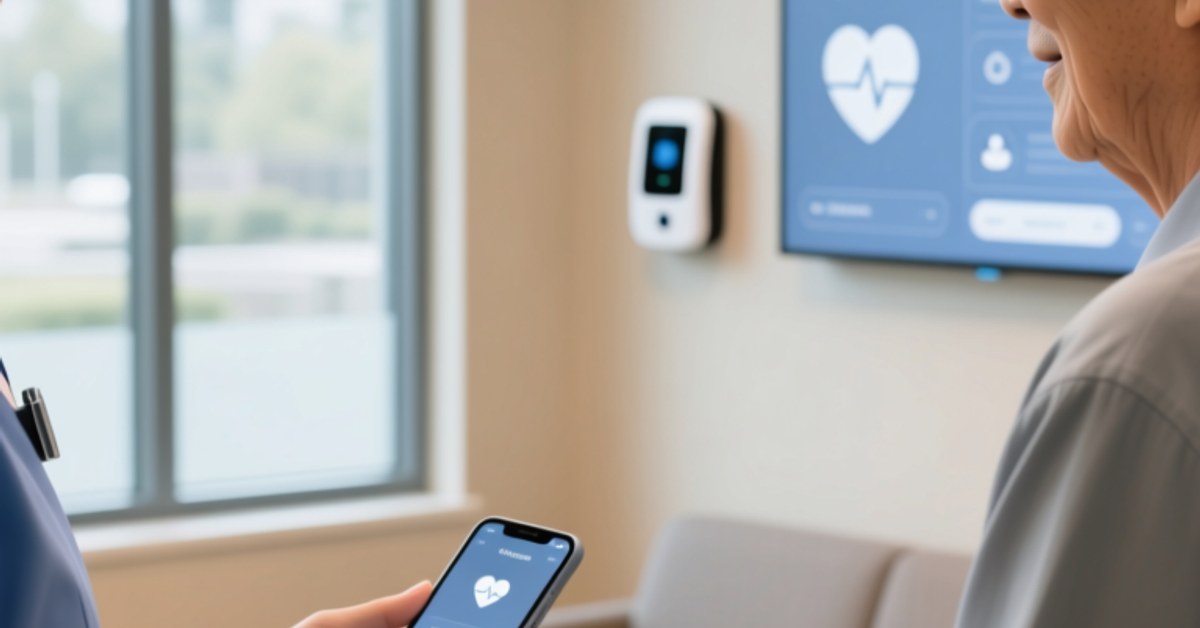
- Identyfikacja pacjenta: Pacjent noszący bransoletkę NFC w szpitalu może zostać zeskanowany w każdym punkcie opieki, natychmiastowe połączenie z elektroniczną dokumentacją medyczną. Zmniejsza to liczbę błędów i przyspiesza selekcję.
- Przestrzeganie leków: Inteligentne butelki na pigułki lub plastry do noszenia wykorzystują technologię NFC do rejestrowania momentu przyjęcia dawki. Dotknięcie smartwatcha z NFC może przesłać dane do aplikacji opiekuna.
- Zdatność & rejestrowanie parametrów życiowych: NFC umożliwia parowanie urządzeń do noszenia, takich jak inteligentne pierścienie, ze sprzętem do ćwiczeń, terminale medyczne, lub domowe koncentratory temperatury ciała, tętno, lub monitorowanie poziomu glukozy. Krótki zasięg zapewnia prywatność i intencjonalność.
Wymagania techniczne dotyczące zastosowań zdrowotnych są rygorystyczne: metki muszą być odporne na wilgoć, wielokrotna sterylizacja (do opasek wielokrotnego użytku dla pacjenta), i kontakt ze skórą. Wkładki NFC klasy przemysłowej — takie jak te otoczone silikonem klasy medycznej — są niezbędne. Nasz przewodnik po trwałych tagach NFC szczegółowo omawia te specyfikacje.
Względy techniczne dotyczące integracji NFC z urządzeniami do noszenia
Zintegrowanie technologii NFC w małej obudowie, takiej jak pierścionek lub wąska opaska na nadgarstek, wymaga starannego doboru komponentów. Poniższa tabela podsumowuje kluczowe aspekty:
>
| Parametr | Typowe opcje | Wpływ na projektowanie urządzeń do noszenia |
|---|---|---|
| Chip NFC typ | Allegate 213/215/216 (standard), Allegate 424 DNA (bezpieczny, zaszyfrowane) | Rozmiar pamięci, poziom bezpieczeństwa, i koszt; DNA zalecane do zastosowań związanych z identyfikacją. |
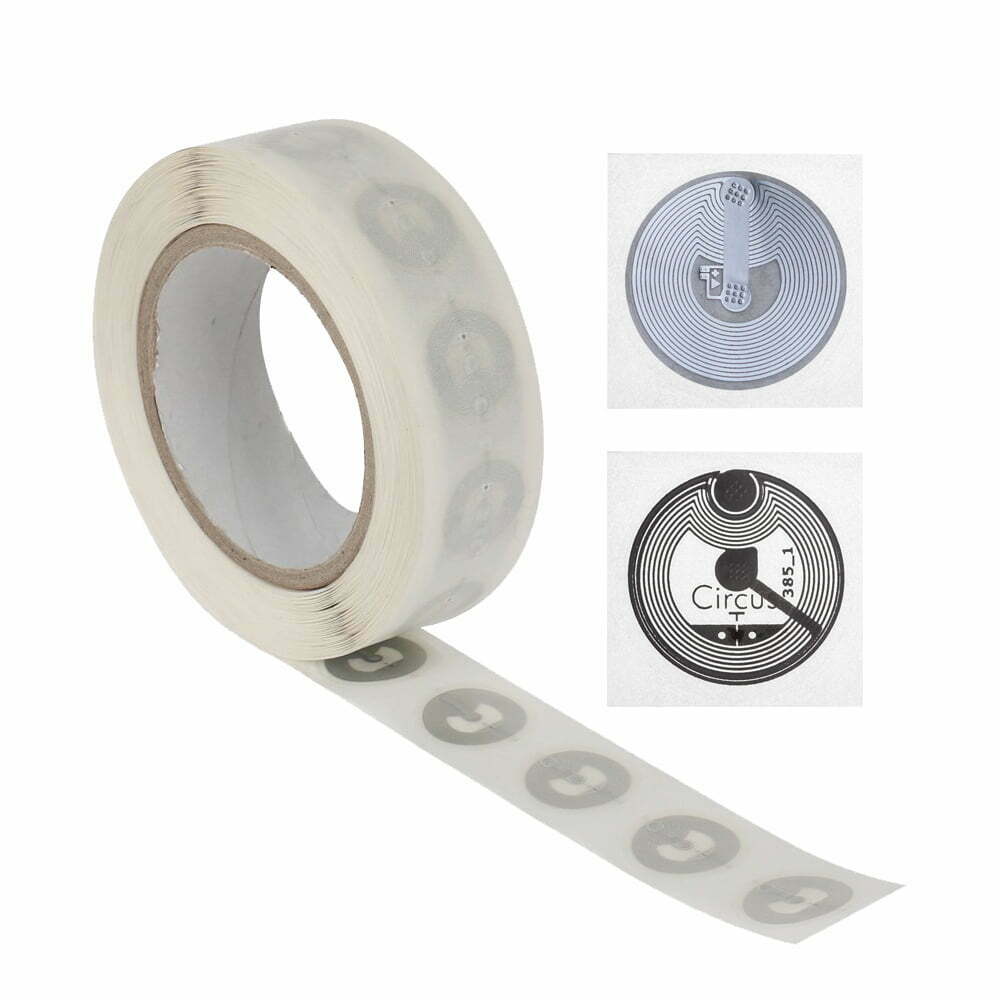
| Antena | Cewka miedziana wytrawiona na elastycznej płytce PCB lub wydrukowana na PET | Mniejsze rozmiary wymagają cieńszych ścieżek antenowych i starannego dostrojenia w celu uzyskania zasięgu odczytu 1-3 cm. |
| Podłoże & opakowanie | Wkładka w kapsułce epoksydowej, nadlew silikonowy, ceramiczna wkładka do pierścienia | Wymagania dotyczące trwałości (wodoodporny, odporność na wstrząsy); W opaskach silikonowych często zastosowano gotowe wkładki NFC w celu ułatwienia integracji. |
| Strategia władzy | Pasywny (zebrane z pola czytelnika) | Nie wymaga baterii; Jednakże, aktywną NFC można wykorzystać w smartwatchach do trybu emulacji karty. Tryb pasywny jest wystarczający w przypadku większości zadań związanych z tożsamością i dostępem. |
Dodatkowo, urządzenie do noszenia musi być zgodne ze standardami NFC Forum, aby zapewnić interoperacyjność. Dla menedżerów produktu, współpraca z dostawcą oferującym wstępnie certyfikowane wkładki NFC radykalnie skraca czas wprowadzenia produktu na rynek. Na RFIDHY, w naszym katalogu znajdziesz szeroką gamę wkładek NFC zaprojektowanych z myślą o urządzeniach do noszenia: od ultracienkich mokrych wkładek do pasków skórzanych po wzmocnione wkładki do silikonowych opasek na rękę. (Poznaj rozwiązania NFC firmy RFIDHY)
Jak ekosystem produktów RFIDHY przyspiesza Twój projekt urządzeń do noszenia
Niezależnie od tego, czy tworzysz prototyp inteligentnego pierścienia umożliwiającego dostęp do siłowni, czy skalujesz linię bransoletek identyfikacyjnych dla pacjentów, posiadanie odpowiednich komponentów jest kluczowe. Nasze strony internetowe oferują pełną gamę urządzeń i komponentów do noszenia NFC/RFID:
- Opaski silikonowe NFC: Wygodny, wodoodporny, i dostępny w wielu kolorach — idealny do zastosowań w hotelarstwie i kontroli dostępu. Nasza fabryka wstępnie ładuje unikalne identyfikatory i koduje dane zgodnie z potrzebami Twojego projektu.
- Inteligentne pierścienie NFC: Pierścienie ceramiczne lub epoksydowe z osadzonymi wkładkami NFC o wysokiej wydajności, kompatybilna z czytnikami Android i iOS.
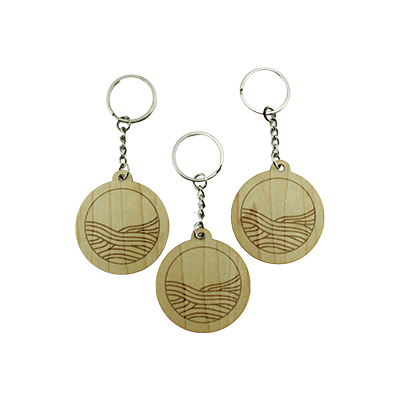
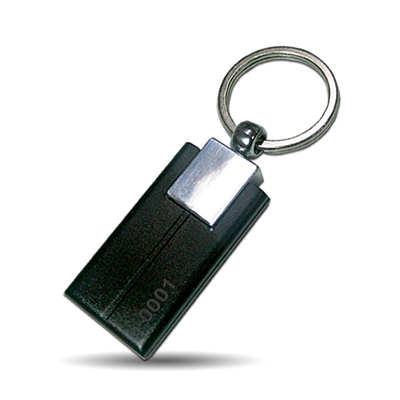
- Piloty NFC i karty: W przypadku scenariuszy hybrydowych, w których urządzenia do noszenia uzupełniają tradycyjne tokeny.
- Niestandardowe wkładki NFC: Dostosowany rozmiar anteny, żeton, i pamięć do integracji z własną obudową do noszenia.
Wszystkie produkty opierają się na naszej wiedzy specjalistycznej w zakresie kodowania NFC i elastyczności łańcucha dostaw. Dla przedsiębiorstw potrzebujących bezpiecznego dostarczania elementów, obsługujemy chipy NXP DNA i możemy zarządzać kluczową infrastrukturą zarządzania. Odwiedzać Strona produktu NFCWORK dla naszej pełnej gamy urządzeń do noszenia.
Wybór właściwej strategii noszenia: Szybkie porównanie
>
| Typ do noszenia | Najlepsze dla | Kluczowe informacje techniczne |
|---|---|---|
| Inteligentny pierścień NFC | Wygoda, minimalistyczny design, identyfikator siłowni/członkostwa | Pasywny, działa bez baterii, Dostępne opcje pierścienia IP68; często używa NTAG 215/216 |
| Opaska na rękę NFC | Wydarzenia, szpitale, wielodniowe użytkowanie | Regulowane dopasowanie, zamknięcia zabezpieczające przed manipulacją, zapewniające bezpieczeństwo; można wstępnie wydrukować kody QR i zmienne dane |
| Integracja smartwatcha z NFC | Urządzenia wielofunkcyjne, zdrowie + dostęp | Wbudowany element zabezpieczający, tryb emulacji karty; może przechowywać wiele kart wirtualnych |
| Łatka lub znacznik z obsługą NFC | Zgodność medyczna, rejestracja danych czujnika | Ultracienki, elastyczny, może zawierać czujniki; Interfejs I2C dla danych dynamicznych |
Wniosek
Technologia NFC w urządzeniach do noszenia wyrosła daleko poza mit płatności typu „dotknij i zapłać”.. Obecnie zapewnia prawdziwą wartość biznesową dzięki bezpiecznej tożsamości, dostęp bez tarcia, oraz przesyłanie danych zdrowotnych zgodnych z HIPAA. Dla producentów OEM i menedżerów produktu, szansa tkwi w wyborze odpowiednich komponentów NFC i budowaniu doświadczeń, z których użytkownicy korzystają na co dzień. W miarę rozwoju infrastruktury, urządzenie do noszenia, które otwiera drzwi lub rejestruje odczyt parametrów życiowych, stanie się tak naturalne, jak sprawdzanie godziny.
Często zadawane pytania
- Czy pierścień NFC może zastąpić moją biurową kartę dostępu??
- Tak, jeśli Twój system kontroli dostępu obsługuje standardy NFC, takie jak ISO 14443 (MIFARE). Pierścień musi być zakodowany w formacie danych uwierzytelniających Twojej placówki, i czytniki mogą wymagać aktualizacji oprogramowania sprzętowego. W wielu budynkach komercyjnych zastosowano już dostęp mobilny, dzięki czemu integracja pierścienia NFC jest prosta.
- Czy urządzenia do noszenia z technologią NFC wymagają baterii??
- Nie koniecznie. Pasywny Tagi NFC nie wymagają baterii – zasilane są polem magnetycznym czytnika. Dzięki temu idealnie nadają się do pierścionków i opasek na rękę używanych do identyfikacji pacjenta lub szybkiego rejestrowania danych. Aktywna NFC (z baterią) jest używany w smartwatchach do emulacji kart, ale przesyłanie danych zdrowotnych za pomocą dotknięcia jest zazwyczaj pasywne.
- Jak bezpieczny jest noszony NFC dla tożsamości?
- Bezpieczeństwo zależy od chipa NFC. Standardowe tagi (Allegate 213/215/216) posiadają podstawowe sygnatury oryginalności. Do zastosowań związanych z tożsamością o wysokim poziomie bezpieczeństwa, używaj chipów takich jak NTAG 424 DNA obsługujące szyfrowanie AES i wzajemne uwierzytelnianie. W połączeniu z walidacją po stronie serwera, poręczny NFC może przewyższać bezpieczeństwo tradycyjne Karty RFID.
- Jaki jest typowy zasięg odczytu urządzenia do noszenia z NFC?
- Większość urządzeń do noszenia z technologią NFC działa w promieniu 1–3 cm, w zależności od konstrukcji anteny, moc czytelnika, i zakłócenia metali. Ten krótki zasięg ma na celu zapewnienie bezpieczeństwa i prywatności. Do kontroli dostępu, to wystarczy; Funkcja „dotknij i połącz” danych zdrowotnych zwykle działa w odległości 1–2 cm.
- Czy mogę otrzymać niestandardowe opaski NFC z moim logo i zaprogramowanymi danymi??
- Absolutnie. RFIDHY a nasze witryny partnerskie oferują pełną personalizację: kolor, druk, zmienne kody QR, i wstępne kodowanie adresów URL, wiadomości NDEF, lub bezpieczne klucze. Minimalne ilości zamówienia są niskie, udostępnienie prototypowania. Odwiedzać Produkty NFCWORK aby uzyskać więcej szczegółów.
Gotowy do zbudowania kolejnego urządzenia do noszenia z NFC?
Niezależnie od tego, czy projektujesz inteligentny pierścień dla klubów członkowskich, opaska na ważne wydarzenie, lub bransoletkę identyfikacyjną pacjenta dla sieci szpitalnej, odpowiednie komponenty NFC mają kluczowe znaczenie. Wszechstronna oferta RFIDHY – od trwałych wkładek NFC po w pełni spersonalizowane opaski na rękę – przyspiesza Twój rozwój i zapewnia niezawodność.
Poznaj produkty do noszenia NFC Lub Porozmawiaj z naszymi specjalistami